
Key Takeaways
- Wilson's disease patients must avoid GHK-Cu entirely, as this rare genetic condition prevents proper copper removal and could cause dangerous copper buildup in the liver and brain.
- Pregnant, breastfeeding, and patients with severe liver disease, active cancer, or known copper allergies should avoid GHK-Cu or obtain medical clearance first due to insufficient safety data or compromised copper metabolism.
- Complete health screening including liver function tests, medication review, and copper/zinc supplement disclosure is essential before starting GHK-Cu, as most contraindication guidance is precautionary rather than based on large clinical trials.
- GHK-Cu should not be applied to open wounds or near the eyes, and patients on copper or zinc supplements must disclose this during consultation to avoid excessive copper intake from multiple sources.
Copper peptides have become one of the most talked-about ingredients in modern wellness routines, and GHK-Cu sits at the center of that conversation. Many patients ask their providers whether this popular peptide is safe for them, especially if they have an existing health condition. Understanding GHK-Cu contraindications matters just as much as understanding its benefits, particularly for people managing chronic illness or planning a pregnancy.
This comparison breaks down who can typically use GHK-Cu safely and who should pause before trying it. We will look at specific health conditions, drug interactions, and precautions that every wellness-focused patient should know. Because copper peptides interact with the body's natural copper metabolism, a personalized medical review is often the safest first step. At InCare, our providers in Tampa and Riverview help patients weigh these decisions using real health data rather than guesswork.
What Is GHK-Cu and Why Does It Matter in Wellness Care?
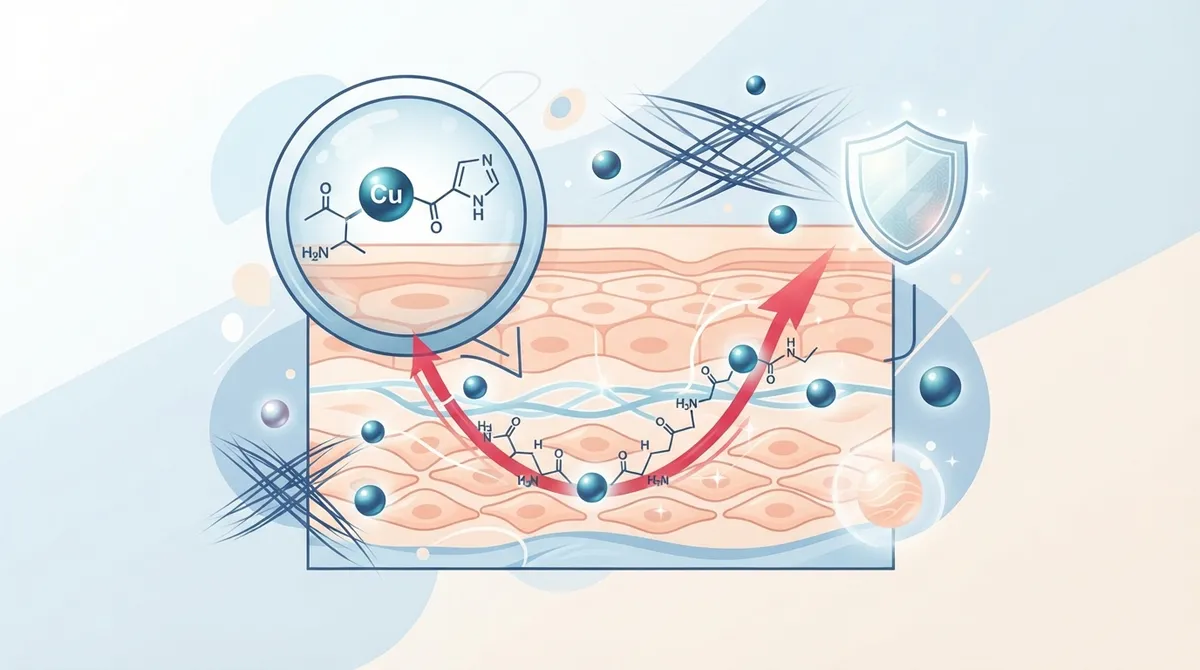
GHK-Cu is a naturally occurring copper peptide found in human plasma, saliva, and urine. It plays a role in skin repair, tissue remodeling, and wound healing. Wellness clinics often use it in topical serums or injectable formulations aimed at anti-aging and recovery goals.
Because GHK-Cu delivers copper directly into tissue, it is not a neutral ingredient for everyone. People with certain health conditions need to approach it with caution. This is why safety screening through a primary care provider is a smart first step before starting any peptide protocol.

GHK-Cu Contraindications: Who Should Avoid It?
Most GHK-Cu safety guidance comes from precaution rather than large clinical trials. Still, several groups are consistently flagged as higher risk in current wellness literature from 2025 and 2026.
1. Wilson's Disease Patients
Wilson's disease is the clearest contraindication for GHK-Cu use. This rare genetic condition prevents the body from properly removing excess copper. Adding more copper through GHK-Cu could worsen dangerous copper buildup in the liver and brain. Wilson's disease is estimated to affect about 1 in 30,000 people, making it rare but serious enough to require careful screening.
2. People With Copper Allergies or Sensitivities
Anyone with a known copper allergy or sensitivity should avoid GHK-Cu products entirely. Reactions can range from mild skin irritation to more significant inflammatory responses.
3. Pregnant or Breastfeeding Patients
Human safety data on GHK-Cu during pregnancy and breastfeeding remains limited. Most wellness sources recommend avoiding GHK-Cu during these periods until more research is available.
4. Patients With Active Cancer
Some wellness sources flag active cancer as a precaution. Copper peptides may influence tissue remodeling and angiogenesis, which is the formation of new blood vessels. Because tumor growth can rely on similar biological pathways, providers often recommend caution here.
5. Severe Liver Disease
The liver plays a central role in copper metabolism and clearance. Patients with significant liver disease may struggle to process added copper safely, making this a key concern during a liver function evaluation.
Comparing Risk Levels: Who Can Use GHK-Cu Safely?
Not every patient needs to avoid GHK-Cu. The table below compares general risk categories based on current wellness and safety guidance.
|
Patient Group |
Risk Level |
Recommended Action |
|---|---|---|
|
Healthy adults without copper-related conditions |
Low |
Generally considered acceptable with provider guidance |
|
Wilson's disease patients |
High |
Avoid entirely |
|
Known copper allergy |
High |
Avoid entirely |
|
Pregnant or breastfeeding individuals |
Moderate to High |
Avoid until more data exists |
|
Active cancer diagnosis |
Moderate |
Discuss with oncology and primary care team |
|
Severe liver disease |
Moderate to High |
Requires liver function review first |
|
Open wounds or eye area use (topical) |
Moderate |
Avoid direct application near sensitive tissue |
How GHK-Cu Compares to Other Wellness Peptides
Patients often ask how GHK-Cu stacks up against other peptides used in peptide therapy programs. While many peptides target specific systems like muscle repair or metabolic function, GHK-Cu is unique because it directly involves copper transport. This gives it strong tissue-repair potential but also creates the specific contraindications discussed above.
- GHK-Cu focuses on skin repair, collagen support, and wound healing
- Other peptides like BPC-157 target gut and connective tissue repair
- Growth hormone-releasing peptides focus on metabolic and muscle support
- Each peptide category carries its own safety profile and screening needs
Steps to Take Before Starting GHK-Cu
Because contraindications vary by individual health history, a structured screening process protects patient safety. Here is a simple sequence patients can expect during a wellness consultation.
- Complete a full health history review, including any liver or copper-related conditions
- Discuss current medications and supplements, especially anything containing copper or zinc
- Confirm pregnancy or breastfeeding status if applicable
- Review any active cancer diagnosis or treatment history
- Request baseline lab work if liver function is a concern
- Start with a lower dose or topical trial to monitor skin response
- Schedule a follow-up to assess tolerance and results
This process mirrors the same careful approach used during a annual wellness visit, where providers assess the whole patient before recommending any treatment.
Common Side Effects vs. True Contraindications
It helps to separate mild, manageable side effects from serious contraindications that require avoiding GHK-Cu altogether.
- Mild and manageable: Temporary redness, slight tingling, or dryness at the application site
- Requires monitoring: Persistent irritation or unexpected skin changes
- Serious contraindication: Diagnosed Wilson's disease or known copper allergy
- Requires medical clearance first: Active cancer, severe liver disease, or pregnancy
Does GHK-Cu Interact With Medications or Supplements?
Current safety discussions note that most contraindication guidance is precautionary rather than based on large controlled trials. Still, patients taking copper or zinc supplements should be cautious, since excess copper intake from multiple sources could add up. Zinc supplementation, in particular, can affect copper absorption in the body, so patients on high-dose zinc protocols should mention this during their consultation.
Patients using prescription medications that affect liver function or immune response should also flag these during screening. A thorough prescription management review helps identify any potential conflicts before starting a new peptide protocol.
Why Professional Guidance Matters for Peptide Safety
Because most GHK-Cu contraindication guidance is precautionary, working with a knowledgeable provider is essential. Self-directed use without medical screening increases risk, especially for patients with undiagnosed conditions like early-stage liver disease or unknown copper sensitivities.
InCare's providers combine lab testing, medical history review, and ongoing monitoring to help patients make informed decisions. Whether you are exploring peptide therapy for skin health or broader wellness goals, a personalized plan matters more than a one-size-fits-all approach. You can also see what real patients say by visiting our InCare location on Google, where our Tampa and Riverview clinics maintain strong patient satisfaction ratings.
Frequently Overlooked Precautions
Beyond the major contraindications, a few smaller precautions deserve attention:
- Avoid applying topical GHK-Cu formulations near the eyes or on open wounds
- Patients recovering from recent surgery should confirm timing with their provider
- Those with autoimmune conditions should discuss individual risk factors first
- Anyone unsure about product purity should request third-party testing information
These precautions reflect the broader theme in copper peptide research: most guidance is based on theoretical risk and general safety caution, not large-scale clinical trials. This makes personalized medical guidance even more valuable.
Making an Informed Decision With Professional Support
Choosing whether to start GHK-Cu should never happen in isolation. A conversation with a primary care or wellness provider helps identify contraindications specific to your health history. This is especially true for patients managing chronic conditions or considering advanced services like DNA gene testing to better understand personal health risks.
InCare's team in Tampa and Riverview also offers body composition analysis and broader wellness optimization services, giving patients a fuller picture of their health before starting any new peptide protocol. Our approach follows updated safety literature, including recent reviews published by sources such as Innerbody's peptide safety overview and ongoing clinical discussions referenced by the National Center for Biotechnology Information.
Patients can also follow our latest wellness updates and patient education content through our Facebook page or our Instagram account, where we share practical health tips relevant to Tampa Bay residents.
Ready to Discuss GHK-Cu Safety With a Provider?
Understanding GHK-Cu contraindications is only the first step. The next step is a personalized conversation with a provider who knows your full health history. If you live in the Tampa or Riverview area and want expert guidance on copper peptides or broader wellness goals, our team is ready to help. Book an appointment today and get answers tailored to your health, not generic advice found online.
You can also reach out directly to our clinic staff with any questions before your visit. Contact our team to schedule a consultation and start your wellness journey with confidence.
FAQs
Q: Who should not use GHK-Cu?
A: People with Wilson's disease, known copper allergies, severe liver disease, or those who are pregnant or breastfeeding should avoid GHK-Cu. Patients with active cancer should also discuss risks with their provider before starting treatment.
Q: Is GHK-Cu safe if you have Wilson's disease?
A: No, GHK-Cu is not considered safe for people with Wilson's disease. This condition prevents proper copper removal from the body, and adding more copper could worsen dangerous accumulation in the liver and brain.
Q: Can you use GHK-Cu while pregnant or breastfeeding?
A: Most wellness guidance recommends avoiding GHK-Cu during pregnancy and breastfeeding. Human safety data for these periods remains insufficient, so caution is the standard recommendation.
Q: Does GHK-Cu interact with copper supplements or medications?
A: GHK-Cu adds copper directly to the body, so combining it with copper or zinc supplements requires caution. Patients should always disclose current supplements and medications during their wellness consultation.
Q: Is GHK-Cu safe for people with liver disease?
A: Severe liver disease is a significant concern because the liver manages copper metabolism and clearance. Patients with liver conditions should have their liver function reviewed before considering GHK-Cu.