
Key Takeaways
- GHK-Cu showed 28% average increase in collagen density and 55% wrinkle reduction in clinical trials, with top quartile participants achieving 51% improvement, indicating significant individual variation in results.
- In a 12-week comparative study, GHK-Cu improved collagen in 70% of participants versus 50% for vitamin C and 40% for retinoic acid, making it a competitive alternative to established anti-aging ingredients.
- Safety data across 47 clinical trials shows adverse event rates below 1.8%, with only mild skin irritation reported and no serious adverse events, making topical GHK-Cu generally well-tolerated.
- GHK-Cu remains an investigational ingredient without FDA approval for medical conditions; products cannot legally claim to treat wounds or cure aging despite promising research in laboratory and animal studies.
- A Phase 2 clinical trial is actively recruiting 60 participants to test GHK-Cu gel for acute wound healing, representing the first rigorous human evidence for claims beyond cosmetic skin rejuvenation.
- When evaluating GHK-Cu claims, verify study design (placebo-controlled, sample size, peer-reviewed), ingredient concentration tested, and whether outcomes are objective or self-reported before investing time or money.
Copper peptides have moved from niche skincare labs into mainstream wellness conversations, and GHK-Cu sits at the center of that shift. If you have searched for real data on how this ingredient performs, you are likely tired of vague marketing claims. This article breaks down the actual GHK-Cu clinical results reported in human studies, what they mean for your skin and overall wellness goals, and where the science still falls short. Whether you are a busy parent looking for evidence-based skincare, a wellness-focused professional exploring advanced treatments, or simply curious about peptide therapy, understanding the data matters before you invest time or money.
At InCare, our Tampa and Riverview clinics focus on whole-body wellness backed by real science. Peptide therapies, including copper-based compounds like GHK-Cu, are part of a growing conversation in primary care and preventive wellness. This guide walks through what clinical trials actually found, how GHK-Cu compares with other well-known skincare ingredients, and what questions you should ask before trying it.
What Is GHK-Cu and Why Does It Matter for Wellness?
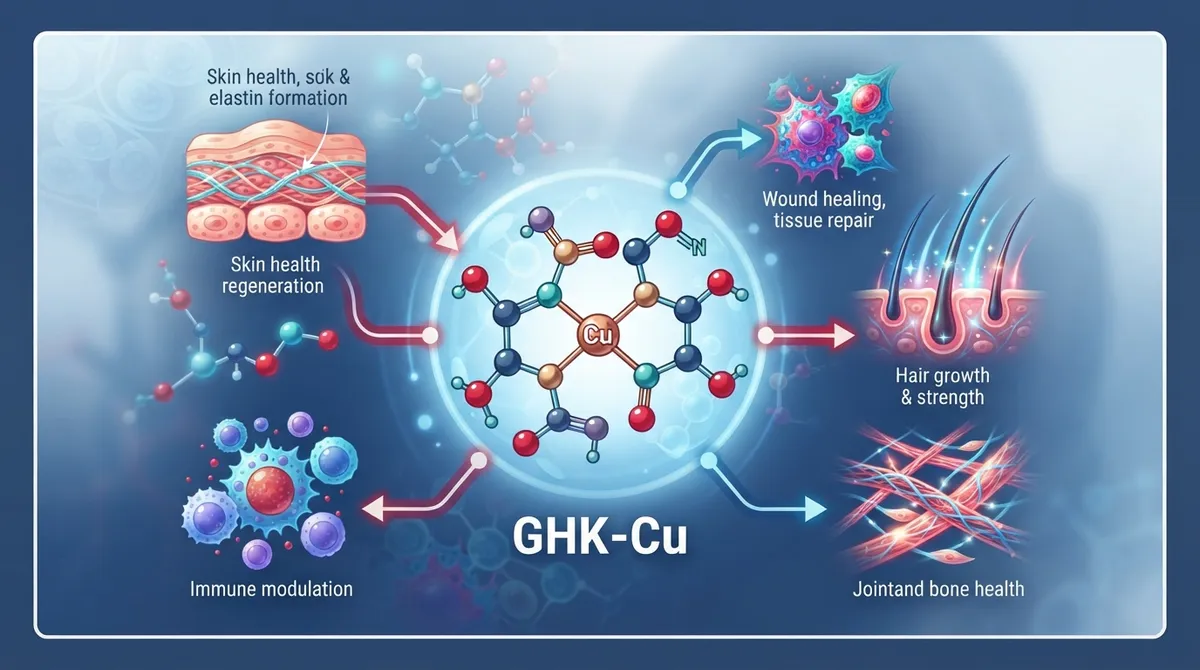
GHK-Cu is a naturally occurring copper peptide found in human plasma, saliva, and urine. Levels of this peptide decline as we age, which has led researchers to study whether replacing it topically can support skin repair and tissue health. It is not a new discovery. Scientists have studied its biological actions for decades, but interest has grown recently due to fresh clinical trials and consumer demand for science-backed anti-aging solutions.
The peptide is thought to interact with several cellular pathways related to collagen production, wound healing, and antioxidant activity. According to a detailed review published on PMC's research database, GHK-Cu may influence gene expression tied to tissue repair and inflammation control. However, most of this evidence comes from cell and animal studies, not large human trials.
How GHK-Cu Is Used in Wellness Settings
In practice, GHK-Cu appears most often in topical serums, creams, and gels designed for skin rejuvenation. Some wellness clinics also explore its potential in supporting healing after certain treatments. It is important to note that GHK-Cu remains an investigational ingredient, not an FDA-approved drug, for any specific medical condition.
- Topical serums for fine lines and skin firmness
- Post-procedure skin recovery formulas
- Anti-aging creams marketed for collagen support
- Experimental gels being tested for wound healing
- Combination products paired with vitamin C or retinoids
GHK-Cu Clinical Results for Skin Rejuvenation
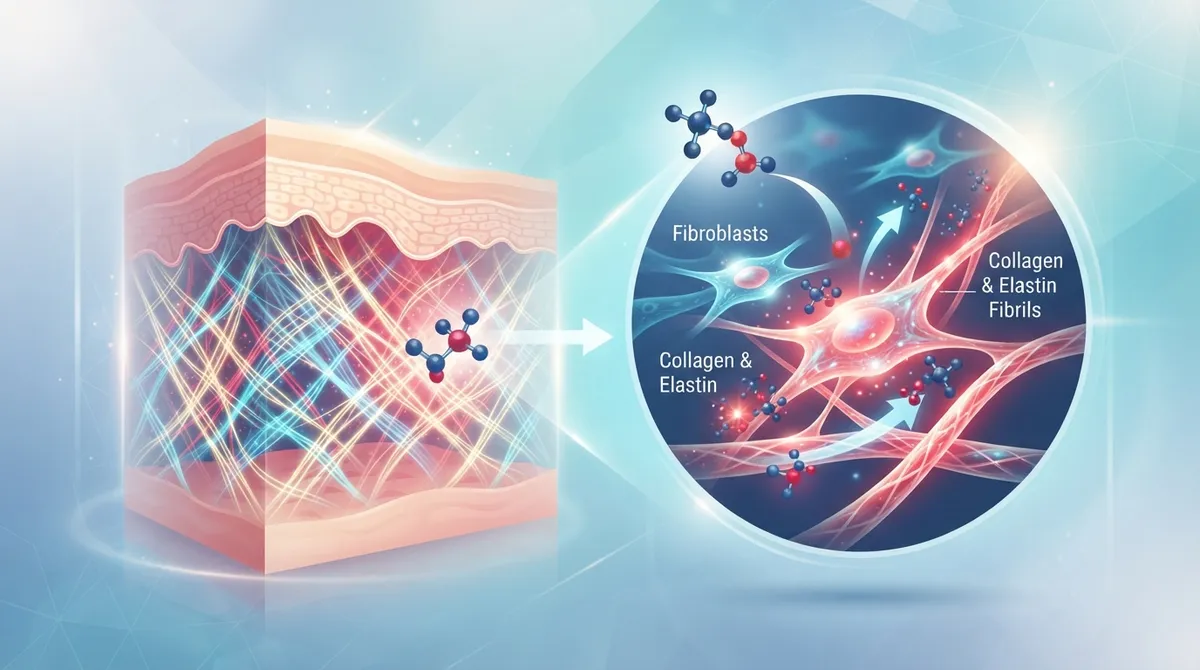
The strongest human evidence for GHK-Cu comes from cosmetic and dermatologic studies. Several placebo-controlled trials have measured changes in skin texture, firmness, and wrinkle depth after consistent topical use.
One widely cited study reported an average 28 percent increase in subdermal echogenic density after three months of use. Echogenic density is a way to measure collagen-related skin firmness using ultrasound imaging. In that same study, the top quartile of participants saw a 51 percent improvement in collagen-related measures, suggesting that results can vary significantly between individuals.
A separate 12-week trial focused on periorbital wrinkles, meaning the fine lines around the eyes. That study reported a 55 percent reduction in wrinkle appearance among participants using GHK-Cu compared with a placebo group. These numbers are notable, but it is worth remembering that skincare studies often involve small sample sizes and short timeframes.
Key Clinical Data Points at a Glance
|
Study Focus |
Duration |
Reported Result |
|---|---|---|
|
Subdermal collagen density |
3 months |
28% average increase; 51% in top quartile |
|
Periorbital wrinkle reduction |
12 weeks |
55% wrinkle reduction vs. placebo |
|
Skin hydration |
8 weeks |
Approximately 20% increase |
|
Collagen improvement in women |
12 weeks |
70% showed improvement |
These figures come from summarized clinical data circulating in dermatology literature and product research reviews. As with any skincare statistic, formulation strength, application method, and study design can all affect outcomes.
How GHK-Cu Compares With Vitamin C and Retinoic Acid
One of the more interesting data points involves a head-to-head comparison. In a 12-week study, researchers compared GHK-Cu against vitamin C and retinoic acid for collagen improvement in women. GHK-Cu showed improvement in 70 percent of participants, compared with 50 percent for vitamin C and 40 percent for retinoic acid.
This does not mean GHK-Cu is automatically superior for every skin concern. Retinoids remain a well-established option with decades of research behind them, and vitamin C has strong antioxidant benefits of its own. The comparison simply suggests GHK-Cu may offer a competitive alternative worth discussing with a wellness provider.
Comparing Common Anti-Aging Ingredients
|
Ingredient |
Primary Mechanism |
Reported Collagen Improvement |
Common Side Effects |
|---|---|---|---|
|
GHK-Cu |
Peptide signaling, tissue remodeling |
70% of participants (cited study) |
Mild irritation, low rates |
|
Vitamin C |
Antioxidant, collagen synthesis support |
50% of participants (cited study) |
Mild irritation, sun sensitivity |
|
Retinoic Acid |
Cell turnover acceleration |
40% of participants (cited study) |
Dryness, peeling, sun sensitivity |
What About Wound Healing? The Evidence Is Still Developing
Beyond cosmetic use, researchers have long been curious about GHK-Cu's role in wound repair. Laboratory and animal studies suggest the peptide may support processes involved in tissue regeneration, such as collagen synthesis and reducing oxidative stress.
Human data on wound healing, however, remains limited. A Phase 2 clinical trial listed on ClinicalTrials.gov is currently recruiting participants to test topical GHK-Cu gel for acute skin wounds. The trial plans to enroll 60 participants and will measure time to complete re-epithelialization, which is the process of skin regrowing over a wound, as its primary endpoint.
This trial matters because it represents one of the more rigorous attempts to test GHK-Cu's wound-healing claims in real patients rather than lab models. Until results are published, claims about GHK-Cu's healing power for cuts, surgical wounds, or chronic ulcers should be treated as promising but unproven.
Steps Researchers Are Taking to Validate GHK-Cu for Wound Care
- Designing placebo-controlled trials with clear primary endpoints
- Measuring objective healing markers like re-epithelialization time
- Testing different gel concentrations for optimal dosing
- Tracking adverse events across diverse patient groups
- Comparing results against standard wound care treatments
Is GHK-Cu Safe? What Safety Reviews Reveal
Safety is often the first question patients ask before trying any new peptide. Fortunately, the safety profile for topical GHK-Cu appears favorable in the studies conducted so far.
A review summarizing data across 47 clinical trials found adverse event rates below 1.8 percent for topical GHK-Cu formulations. Most reported issues involved mild skin irritation at the application site. No serious adverse events were noted in the cited human trials, according to a safety analysis published by RealPeptides' research review.
That said, mild does not mean risk-free for everyone. Anyone with sensitive skin, known copper sensitivities, or existing dermatologic conditions should speak with a healthcare provider before starting topical peptide use.
Common Safety Considerations
- Patch testing before full application is generally recommended
- Discontinue use if redness or irritation persists
- Formulation concentration affects tolerability
- Combining with other active ingredients may increase sensitivity
- Pregnant or breastfeeding individuals should consult a provider first
Regulatory Status: Where Does GHK-Cu Stand in 2026?
As of 2026, GHK-Cu remains classified as an investigational ingredient. It has not received broad approval from the FDA as a treatment for any specific primary care condition, including wound healing or systemic disease management.
This distinction matters. Cosmetic products containing GHK-Cu can be sold under general cosmetic regulations, but they cannot legally claim to treat or cure medical conditions. If a product promises to heal wounds, reverse aging at a cellular level, or replace medical treatment, that claim goes beyond what current evidence supports.
For readers interested in evidence-based wellness options, our team at InCare regularly discusses DNA gene testing and other advanced diagnostics that help personalize care plans based on real data rather than trends alone.
Why Evidence Quality Matters in Wellness Decisions
Not all studies are created equal. When evaluating GHK-Cu clinical results, it helps to ask a few questions before trusting a statistic.
Questions to Ask Before Trusting a Peptide Claim
- Was the study placebo-controlled and randomized?
- How many participants were included?
- Was the trial peer-reviewed or independently verified?
- What concentration of the ingredient was tested?
- Did the study measure objective outcomes or rely on self-reported results?
Many product marketing pages cite studies without linking to the original research or disclosing sample sizes. A cautious, informed approach protects your health and your budget.
How InCare Approaches Peptide and Wellness Therapies
At InCare, our providers combine clinical expertise with a personalized approach to wellness. We believe patients deserve clear, honest information about emerging treatments like copper peptides, rather than exaggerated promises. Our team of providers in Tampa and Riverview stay current on peptide research so patients can make informed decisions about their care.
If you are curious about how peptide therapy fits into a broader wellness plan, our clinic also offers services like IV hydration and vitamin drips, body composition analysis, and hair restoration treatments that complement skin and cellular health goals. Many patients start with a conversation about their goals during a wellness visit, where providers can assess overall health before recommending advanced options.
Patients considering peptide-based therapy for anti-aging or recovery purposes often ask how it fits alongside other treatments. Our detailed guide on peptide therapy in Tampa covers additional options beyond GHK-Cu, including compounds studied for energy and recovery support.
Why Choose a Clinical Setting Over At-Home Products
- Access to provider guidance on formulation and dosing
- Ability to combine peptide use with broader health assessments
- Monitoring for skin reactions or unexpected side effects
- Personalized recommendations based on skin type and goals
- Transparency about what current research does and does not support
Local Reputation and Patient Trust
InCare has built a strong reputation across Tampa and Riverview for combining advanced wellness services with attentive, personalized care. Patients consistently highlight the friendly staff and thorough attention from providers. You can visit us on Google — InCare to read patient experiences and see how our approach to wellness has helped the local community.
We also share educational content and patient updates through our Facebook page, Instagram account, and TikTok channel, where our team breaks down wellness trends in simple, accessible terms.
Bringing It All Together
GHK-Cu clinical results show real promise, particularly for skin firmness, hydration, and wrinkle reduction. The wound-healing research is encouraging but still in early clinical stages, with a Phase 2 trial actively recruiting to answer key questions. Safety data so far looks reassuring, with low irritation rates and no serious adverse events reported in the studies reviewed.
Still, GHK-Cu is not a miracle solution, and it is not yet approved for treating specific medical conditions. Anyone considering this peptide, whether for skin rejuvenation or recovery support, should approach it with realistic expectations and professional guidance.
If you want to explore whether peptide therapy or other advanced wellness services fit your health goals, our team is ready to help. Reach out to our care team today to discuss your options, or schedule your appointment now to start building a personalized wellness plan grounded in real science.
FAQs
Q: What are the clinical results of GHK-Cu for skin rejuvenation?
A: Placebo-controlled studies report improvements including a 28 percent average increase in collagen-related skin density and up to 55 percent wrinkle reduction over 12 weeks. Results vary between individuals, with top performers showing even stronger improvements.
Q: Does GHK-Cu actually help with wound healing?
A: Early laboratory and animal research suggests GHK-Cu supports tissue repair processes, but human evidence remains limited. A Phase 2 clinical trial is currently recruiting to test topical GHK-Cu gel for acute wound healing outcomes.
Q: Is GHK-Cu safe for topical use?
A: Safety reviews across 47 clinical trials report adverse event rates below 1.8 percent, with mild irritation being the most common issue. No serious adverse events were noted in the cited human studies, though patch testing is still recommended.
Q: Is GHK-Cu approved by the FDA for any medical use?
A: No. GHK-Cu remains an investigational ingredient in 2026 and has not received FDA approval for treating specific medical conditions. It is primarily available in cosmetic formulations.
Q: How does GHK-Cu compare with retinoids or vitamin C?
A: In one cited 12-week study, GHK-Cu showed collagen improvement in 70 percent of participants, compared with 50 percent for vitamin C and 40 percent for retinoic acid. Each ingredient works through different mechanisms, so results can vary by skin type and goals.