
Key Takeaways
- KPV is an experimental three-amino-acid peptide fragment studied only in lab dishes and animals, with zero completed human clinical trials proving safety or effectiveness for any condition.
- KPV is not FDA-approved and cannot legally be marketed as a treatment or supplement; claims about immune support lack human evidence and marketing often overstates early-stage research.
- Unknown human dosing, unverified product purity, and complete absence of long-term safety data make self-injecting KPV carry significant unknown risks without medical oversight.
- Proven anti-inflammatory treatments like corticosteroids, NSAIDs, and biologics have decades of clinical trial data and FDA approval, making them safer choices than unproven peptides for inflammation.
- Evidence-based immune support requires vaccinations, 7-9 hours sleep, balanced nutrition, regular exercise, and medical evaluation of recurring symptoms rather than unregulated peptide injections.
- Medical evaluation by a licensed provider is essential before trying any peptide; bloodwork and proper diagnosis can identify treatable conditions being masked by unproven supplement use.
Search online for immune support and you may run into KPV, a peptide getting attention in wellness circles. Ads promise it calms inflammation and boosts immunity. But what does the actual science say? At InCare, our providers believe patients deserve clear, honest answers before trying anything new, especially something injected into the body. This guide breaks down what KPV is, what research actually shows, and what steps really protect your immune health in 2026.
What Is KPV Peptide?
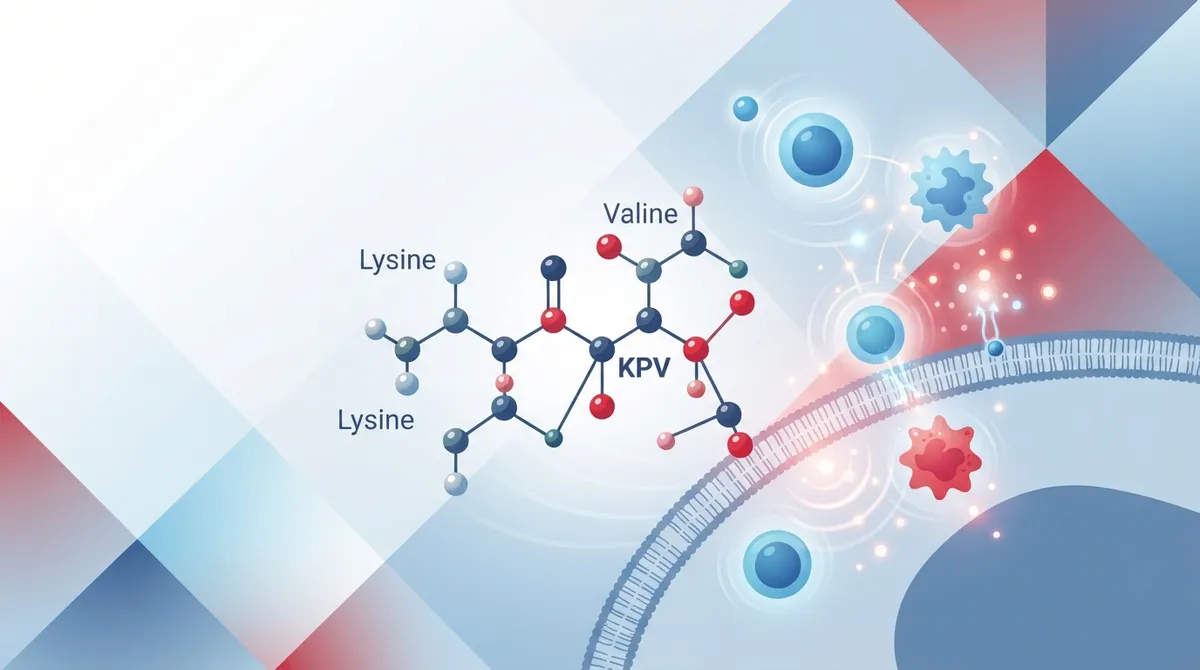
KPV stands for Lys-Pro-Val. These are the shortened names for three amino acids: lysine, proline, and valine. Together, they form a tiny piece of a larger hormone called alpha-melanocyte-stimulating hormone, or alpha-MSH.
Scientists first became interested in this fragment because it seemed to keep some of alpha-MSH's calming effects on inflammation without some of the hormone's other actions. Researchers have studied it mostly in lab dishes and in animals with gut and skin inflammation. The goal was to see if this small piece could quiet an overactive inflammatory response.
It is important to understand that KPV is not a vitamin or a proven supplement. It is an experimental compound. Wellness marketing sometimes stretches this early research further than the science supports.
How Is KPV Supposed to Affect the Immune System?
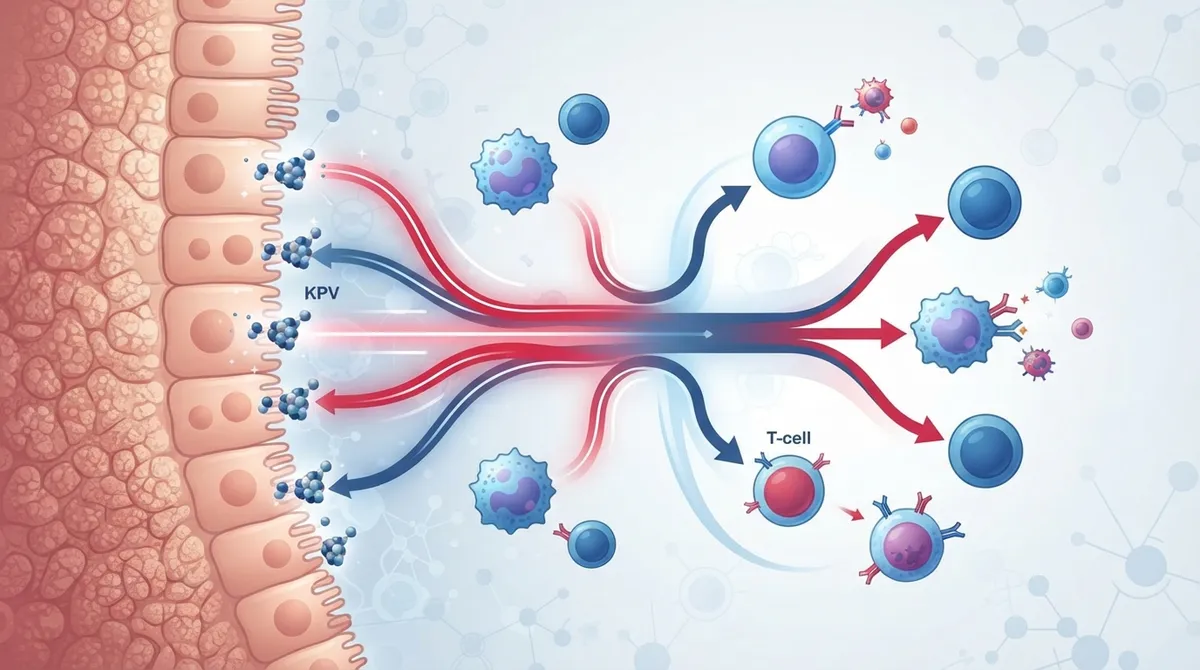
The immune system does not work like an on-off switch. It is a network of cells and chemical signals that respond to threats like viruses, bacteria, and injury. Sometimes this response becomes too strong or lasts too long, causing ongoing inflammation.
Researchers studying KPV are not looking at it as a way to boost the immune system overall. Instead, they are examining whether it can turn down inflammatory signaling. Lab studies have looked at how KPV interacts with pathways such as:
- NF-kB, a protein complex that turns on inflammatory genes
- TNF-alpha, a signaling molecule tied to inflammation and tissue damage
- IL-10, a molecule known for calming immune responses
- Other cytokines involved in gut and skin inflammation
This is a very different idea than "boosting immunity." The hypothesis is about calming inflammation, not fighting off infections or preventing illness. Readers interested in the science behind cellular signaling may also want to review our page on common mistakes people make when trying to ease inflammation.
What Does the Current Research Actually Show?
This is where marketing claims and real science often part ways. As of the most recent 2025 to 2026 reviews, there are no completed, well-designed human clinical trials proving that KPV supports immune function or treats any medical condition.
Here is a simple breakdown of where the evidence stands today:
|
Research Stage |
Status for KPV |
What This Means |
|---|---|---|
|
Cell culture studies |
Some completed |
Shows possible activity in a lab dish, not in a living person |
|
Animal studies |
Some completed (colitis, skin injury models) |
Suggests a hypothesis worth testing further, not proof it works in humans |
|
Human clinical trials |
None completed and robust |
No confirmed human safety or effectiveness data exists |
|
FDA approval |
Not approved |
Not legally marketed as a treatment or supplement for any condition |
Animal and lab research can be useful for generating ideas. But animal bodies are not the same as human bodies. Many promising lab findings never turn into safe or effective human treatments. Without human trials, we don't know the right dose, how the body absorbs it, or what long-term risks might exist.
Is KPV FDA-Approved for Immune Support?
No. KPV is not approved by the FDA as a medication, and it is not recognized as a dietary supplement either. This matters because FDA approval means a product has gone through testing for both safety and effectiveness. Without that process, there is no guarantee the product does what it claims, or that it's even safe.
You may see reports online about KPV being reviewed for compounding pharmacy use. Regulatory information here has been inconsistent. Some reports describe KPV being added to or removed from an FDA review category. Other reports mention an advisory committee recommendation about possible compounding in 2026. None of this equals FDA approval. An advisory recommendation is simply a suggestion, not a green light for widespread, legal use as a proven treatment.
Regulatory status can change, so it's wise to verify current information directly through the FDA before considering any peptide product.
What Are the Risks of Trying KPV?
Because there is so little human data, the risks of using KPV are largely unknown. This uncertainty itself is a risk. Here are key concerns patients should understand:
- No established human dosing. There is no science-backed answer for how much is safe to use or how often.
- Unknown long-term effects. Nobody has studied what happens with repeated use over months or years.
- Product quality varies widely. Peptides sold online may not contain what the label says. Sterility and concentration are often unverified.
- "Research use only" labels do not make self-injection safe. This label exists to keep products out of clinical use, not as a loophole for personal use.
- Possible allergic reactions or injection site problems. These have not been studied in a structured way for KPV specifically.
- Unclear effects during pregnancy or with existing conditions. There is no safety data for these situations at all.
- Drug interactions are unknown. If you take other medications, there is no research showing how KPV might interact with them.
If you are dealing with inflammation, digestive issues, or an autoimmune condition, the safest step is talking with a licensed clinician. Our primary care team can help evaluate symptoms and discuss treatment options that are backed by solid evidence.
Can KPV Treat Autoimmune Disease or Gut Problems?
Some online sources suggest KPV may help conditions like inflammatory bowel disease, leaky gut, or autoimmune flares. These claims come from animal studies of experimental colitis and mucosal injury, not from human trials.
It is not accurate to say KPV treats these conditions. At this stage, it is a hypothesis-generating compound, meaning it gives researchers ideas worth testing further, not a proven therapy. Patients dealing with digestive symptoms or suspected autoimmune issues deserve a proper medical workup, not a peptide purchased online without oversight.
If you're experiencing ongoing digestive discomfort, unexplained inflammation, or fatigue, these symptoms deserve real investigation. Our providers can order appropriate labs and imaging to find the actual cause rather than guessing with unproven products.
How Does KPV Compare to Proven Anti-Inflammatory Options?
It helps to see how KPV stacks up against treatments that do have solid clinical backing.
|
Treatment Type |
Human Clinical Evidence |
FDA Status |
Typical Use |
|---|---|---|---|
|
KPV Peptide |
None (preclinical only) |
Not approved |
Experimental research only |
|
Corticosteroids |
Extensive, decades of data |
FDA-approved |
Short-term control of flares |
|
NSAIDs |
Extensive |
FDA-approved |
Pain and mild inflammation |
|
Biologic therapies (for IBD, autoimmune conditions) |
Strong clinical trial data |
FDA-approved for specific conditions |
Long-term disease management |
This comparison shows a clear gap. Proven anti-inflammatory treatments have gone through the rigorous testing that KPV has not. That doesn't mean every approved medication is right for every patient, but it does mean the safety and effectiveness data actually exists to make an informed decision. For more on evidence-based approaches, see our overview of what peptides are and how they fit into modern wellness care.
What Actually Supports a Healthy Immune System?
The good news is that real, proven strategies for immune health exist. None require an unregulated injection. Consider these evidence-based habits:
- Stay current on recommended vaccinations for your age and health status
- Get seven to nine hours of quality sleep most nights
- Eat a balanced diet with plenty of fruits, vegetables, and lean protein
- Stay physically active most days of the week
- Avoid smoking and limit alcohol intake
- Manage chronic conditions like diabetes or high blood pressure closely
- See a doctor for recurring infections or unexplained inflammation instead of guessing at the cause
These steps are backed by decades of research from organizations like the Centers for Disease Control and Prevention. They also fit naturally into a wellness plan built around prevention rather than quick fixes. Our team frequently discusses these habits during annual wellness visits, where we look at your whole health picture, not just one symptom.
For patients specifically interested in inflammation and gut health, our providers can also discuss practical, science-backed ways to support your immune system without relying on unproven peptides.
Why a Medical Evaluation Matters Before Trying Peptides
It's tempting to try a trending product when you're dealing with fatigue, digestive trouble, or frequent colds. But guessing at the cause can delay real answers. A licensed provider can run bloodwork, review your history, and rule out conditions that are actually treatable.
At InCare, our approach blends thorough primary care with advanced wellness tools like DNA gene testing and body composition analysis. These tools help us understand your unique health picture so we can recommend strategies grounded in real evidence, not internet trends. If inflammation or immune concerns are affecting your daily life, our providers in Tampa and Riverview can help you find answers.
Patients also appreciate options like our IV hydration and vitamin drips, which use well-studied nutrients to support energy and recovery in a supervised medical setting.
What to Ask Before Trying Any Peptide Product
If you're still considering a peptide like KPV, bring these questions to a licensed clinician first:
- Is there human clinical evidence supporting this specific product for my condition?
- Is this peptide FDA-approved, and if not, what does that mean for safety?
- What are the known risks, and what happens if something goes wrong?
- Is the source of the product tested for purity and sterility?
- Are there proven alternatives that could address my concern instead?
A good provider will walk through these questions honestly, even if the honest answer is "we don't have enough data yet."
Trusted Care You Can Count On
Choosing where to get health advice matters. Patients across Tampa and Riverview have shared their experiences with our clinic, and you can visit us on Google — InCare to read real reviews from people we've helped. We also share health tips and clinic updates on Facebook, Instagram, and TikTok, so you can stay informed between visits.
Whether you're curious about peptide therapy, need help managing ongoing inflammation, or simply want a thorough wellness checkup, our team is ready to help you make informed decisions. You can get in touch with our team to ask questions, or go ahead and schedule your visit today to start building a health plan based on real evidence, not internet hype.
FAQs
Q: What is KPV peptide and how is it supposed to support the immune system?
A: KPV is a three-amino-acid fragment of alpha-MSH studied for its potential to calm inflammatory signaling rather than broadly boost immunity. Research has focused on pathways like NF-kB, TNF-alpha, and IL-10 in lab and animal models, not human immune enhancement.
Q: Is there human clinical evidence that KPV improves immunity?
A: No. As of current 2025-2026 reviews, there are no completed, robust randomized human trials proving KPV improves immune function or treats any condition. Evidence remains limited to cell cultures and animal studies.
Q: Is KPV FDA-approved for immune support or inflammation?
A: KPV is not FDA-approved as a medication or supplement for any purpose, including immune support or inflammation. Reports of advisory committee discussions about compounding do not equal FDA approval or proven efficacy.
Q: What are the potential risks of using KPV peptide?
A: Risks include unknown dosing, uncertain product purity, possible allergic reactions, and a complete lack of long-term human safety data. Products labeled research use only are not intended or verified for self-administration.
Q: What evidence-based strategies actually support immune health?
A: Proven strategies include staying current on vaccinations, getting adequate sleep, eating a balanced diet, exercising regularly, avoiding smoking, and managing chronic conditions. A licensed clinician should evaluate recurrent infections or unexplained inflammation.