Key Takeaways
- Signal peptides show the strongest evidence for reducing wrinkle depth, with studies demonstrating statistically significant improvements, but results require consistent use for 8-12 weeks and vary by product formulation and individual skin type.
- Serum formulations significantly outperform creams, lotions, and gels for hydration and peptide penetration, making the delivery format as important as the peptide ingredient itself.
- Topical peptides produce more subtle and gradual effects than prescription tretinoin or injectable neuromodulators, making them best used as an optional add-on rather than a replacement for proven anti-aging treatments.
- Formulation quality, peptide concentration, packaging stability, and consistent daily application matter more than the peptide name alone; identical peptides perform differently across brands.
- Most peptide products are regulated as cosmetics without premarket approval, so bold marketing claims about results equivalent to Botox or prescription treatments should be treated with healthy skepticism.
- Daily broad-spectrum sunscreen remains more important than any peptide serum for preventing wrinkles, and a comprehensive wellness approach addressing hydration, nutrition, sleep, and stress produces better skin outcomes than topical treatments alone.
Skincare aisles are full of serums promising smoother, younger-looking skin. Many of them now list peptides as the star ingredient. If you have wondered whether these products actually reduce wrinkles or are just clever marketing, you are not alone. As a primary care and wellness clinic, InCare gets this question often from patients who want facts, not hype.
This guide breaks down what peptides for wrinkles really do, based on current research. You will learn which types show the most promise, how they compare to prescription options, and what to realistically expect. We will also cover safety, formulation quality, and when it may be time to talk with a clinician about other treatments. Whether you are a busy parent squeezing in skincare between school drop-offs or someone exploring proactive wellness options, this article gives you clear, evidence-based answers.
What Are Peptides and How Do They Work on Skin
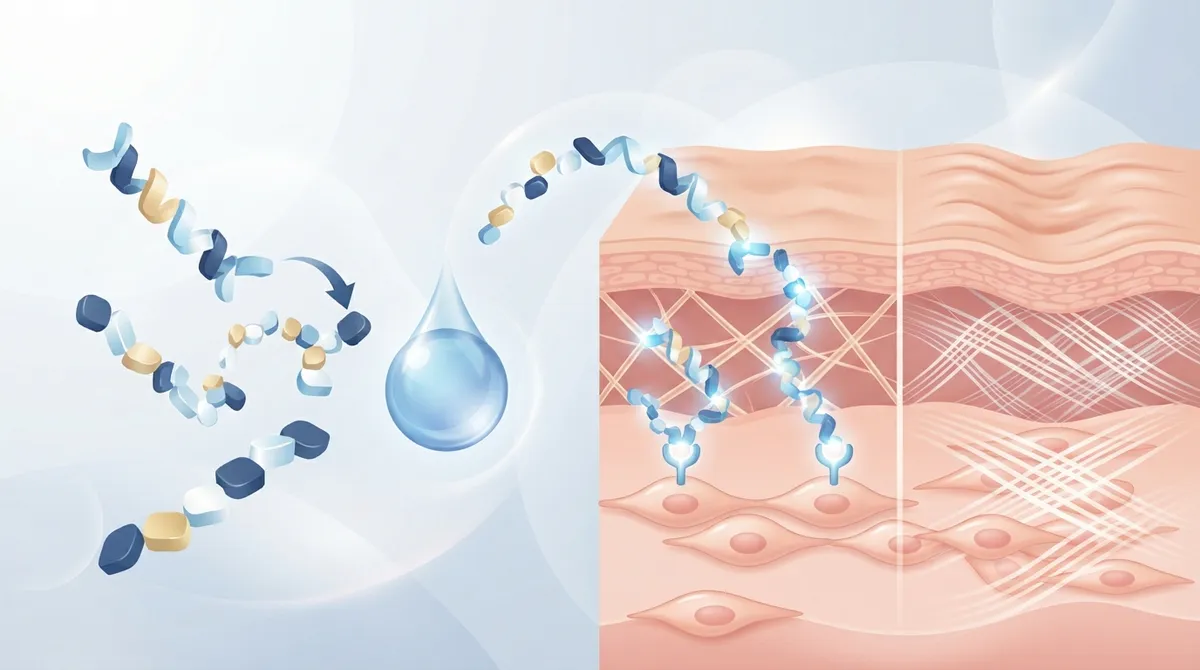
Peptides are short chains of amino acids. Amino acids are the building blocks of proteins, including collagen and elastin. These two proteins keep skin firm and stretchy. As we age, our bodies make less of both, leading to fine lines and sagging.
Skincare peptides are designed to signal your skin to act younger. Some tell skin cells to make more collagen. Others block the muscle signals that cause expression lines. A few help deliver minerals like copper to support repair. The idea is simple: give skin a nudge to function like it did years ago.
Main Categories of Peptides Used in Skincare
Not all peptides work the same way. Here are the main types you will see on ingredient labels:
- Signal peptides: Encourage skin to produce more collagen and elastin.
- Neurotransmitter-inhibitor peptides: Relax facial muscles slightly, softening expression lines. Acetyl hexapeptide-8, often called Argireline, falls into this group.
- Carrier peptides: Deliver trace minerals, such as copper, to support skin repair and antioxidant activity.
- Enzyme-inhibitor peptides: Slow down enzymes that break down collagen, helping preserve existing skin structure.
Each category works through a different pathway. This is why some products combine multiple peptide types, aiming for a broader effect on fine lines, hydration, and texture.
What the Research Actually Shows
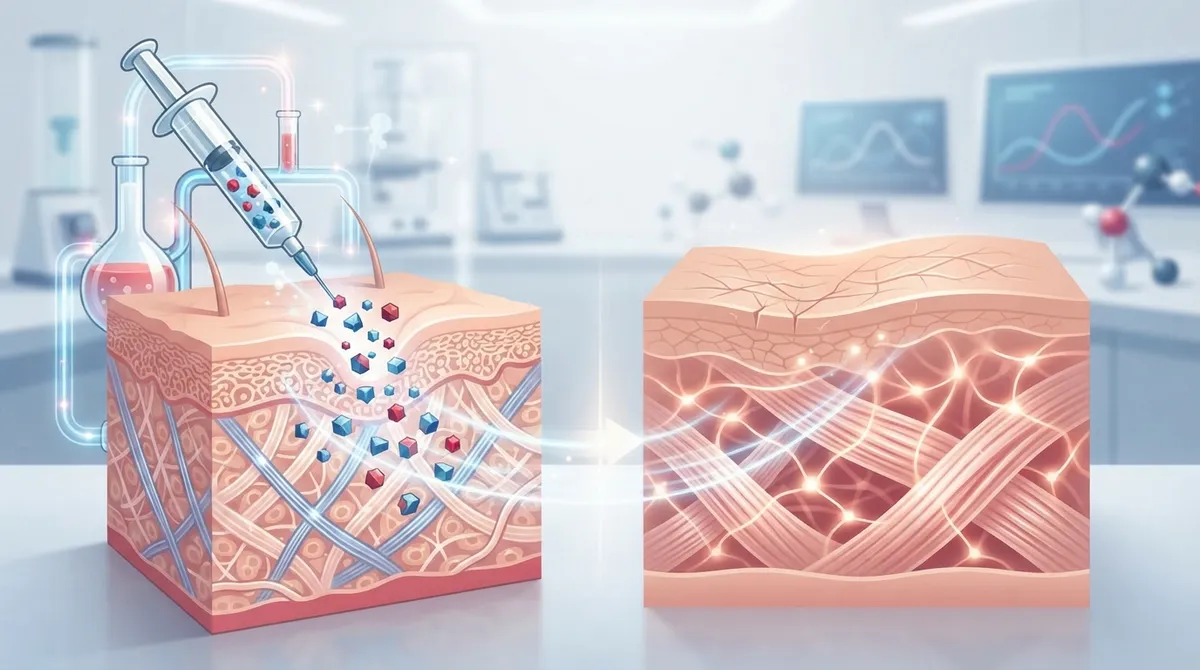
The evidence on topical peptides is encouraging but still developing. A 2024 systematic review looked at nine studies on topical peptides and reported preliminary improvements in fine lines, wrinkles, skin elasticity, texture, and thickness. That is a promising signal, but the review also noted that study quality varied and results were not consistent across every product tested.
A separate 2024 meta-analysis abstract pooled data from 16 randomized controlled trials published between 1995 and 2023. It found statistically significant improvements in skin hydration and wrinkle depth. Signal peptides showed the strongest effect on wrinkle depth in that analysis, with a standardized mean difference of -0.85. Serum formulations outperformed creams, lotions, and gels for hydration improvement, with a standardized mean difference of -0.90.
These numbers sound impressive, but they represent averages across many products and peptide types. Your results with a specific serum may be better, worse, or simply different. Formulation quality, peptide concentration, and how consistently you use the product all play a role.
How Peptides Compare to Other Options
It helps to see how topical peptides stack up against other well-known anti-aging approaches. The table below offers a general comparison based on current evidence.
|
Treatment Type |
Evidence Strength |
Typical Onset |
Common Side Effects |
|---|---|---|---|
|
Topical peptide serums |
Preliminary, mixed quality |
8-12 weeks |
Mild irritation, rare allergic reaction |
|
Topical tretinoin (prescription) |
Well established |
4-12 weeks |
Dryness, redness, peeling |
|
Oral collagen peptides |
Mixed, more evidence for hydration |
8-12 weeks |
Generally minimal |
|
Neuromodulator injections |
Strong, dramatic results |
3-7 days |
Bruising, temporary muscle weakness |
|
Laser or light-based procedures |
Strong for photodamage |
Varies by procedure |
Redness, downtime, cost |
A 2025 systematic review of topical tretinoin found significant improvements in both fine and coarse facial wrinkles. Tretinoin has a longer track record and more robust data than most cosmetic peptide products. However, it can cause more irritation and requires a prescription, which is not right for everyone.
Signal Peptides vs Copper Peptides vs Neurotransmitter-Inhibitor Peptides
Choosing a peptide product can feel confusing when labels use different scientific names. Here is a simple breakdown to help you compare options.
- Signal peptides tend to have the best supporting data for reducing wrinkle depth, according to recent pooled analyses. They work by encouraging collagen production over time.
- Copper peptides may support skin repair and offer antioxidant benefits, but visible wrinkle reduction varies widely by product and formulation.
- Neurotransmitter-inhibitor peptides like Argireline are marketed as a topical alternative to injectable neuromodulators. They are not equivalent to prescription injections and typically produce more subtle effects.
If your main goal is smoother, firmer skin over several months, signal peptides may offer the most consistent early results. If you want mineral-based repair support, copper peptides are worth considering. If you are hoping to soften expression lines without needles, a product with neurotransmitter-inhibitor peptides might fit, though expectations should stay realistic.
Formulation Matters More Than the Peptide Name
One peptide ingredient can perform very differently across brands. Several factors influence whether a product actually delivers results:
- Peptide concentration and how it was measured in testing
- Stability of the formula during storage and use
- Molecular size and how well it penetrates skin
- Delivery system, such as serum versus cream
- Packaging that protects against light and air exposure
- How consistently you apply the product
This means a study showing benefits from one branded serum cannot be assumed to apply to every product containing a similar peptide. When comparing options, look for products from established skincare brands with clear ingredient lists and reasonable claims.
Safety, Irritation, and What to Watch For
Most people tolerate topical peptides well. Reported side effects in clinical studies have generally been minimal. That said, real-world commercial products often contain more than just peptides. Preservatives, fragrances, and other active ingredients can increase the risk of irritation.
Watch for these signs that a product may not agree with your skin:
- Persistent redness or burning after application
- Itching that does not improve within a few days
- Small bumps, hives, or signs of allergic contact dermatitis
- Increased sensitivity to sunlight
If you notice any of these reactions, stop using the product. A patch test on your inner arm before applying a new serum to your face is a smart habit, especially if you have sensitive or acne-prone skin.
Regulatory Reality Check
In the United States, most peptide skincare products are regulated as cosmetics. This means they generally do not go through the same premarket approval process as drugs. Companies can make claims about appearance, but not about curing or treating medical skin conditions. It is wise to read labels carefully and treat bold marketing claims with healthy skepticism.
Oral Collagen Peptides: A Different Category
Oral collagen peptides are not the same as topical serums. You take them as a supplement, and they are absorbed through digestion rather than applied to skin. Available research suggests possible benefits for skin hydration and, in some studies, elasticity. However, evidence for meaningful wrinkle reduction remains inconsistent.
Product quality also varies significantly. Dose, collagen source, and manufacturing standards differ from brand to brand. If you are considering oral collagen peptides, discuss your goals with a clinician who understands your full health history, including any conditions that may affect how supplements interact with your body.
Setting Realistic Expectations
Peptides for wrinkles are best viewed as an optional add-on to your daily skin routine, not a replacement for proven basics. Daily broad-spectrum sunscreen remains the single most important step for preventing photoaging. Avoiding tanning beds and excessive sun exposure also matters more than any serum ingredient.
Here is a simple, step-by-step approach to adding peptides to your routine responsibly:
- Start with a consistent skincare foundation: cleanser, moisturizer, and daily sunscreen.
- Choose a peptide product from a reputable brand with clear ingredient transparency.
- Patch test the product before applying it to your full face.
- Use it consistently for at least 8 to 12 weeks before judging results.
- Watch for irritation and adjust or stop if your skin reacts poorly.
- Talk with a healthcare provider if you want to combine peptides with retinol, vitamin C, or other actives.
Combining ingredients can boost results, but it can also increase irritation risk. A gradual approach, adding one new product at a time, helps you identify what works for your skin.
When to Consider a Broader Conversation with a Clinician
If you have deep, established wrinkles and want more noticeable change, topical peptides alone may not be enough. This is when a broader discussion with a qualified provider becomes valuable. Options such as prescription retinoids, chemical exfoliation, neuromodulator injections, laser treatments, or fillers may better match your goals, depending on your skin condition and medical history.
At InCare, our providers take a whole-body approach to wellness, looking beyond a single serum or treatment. Whether your interest is in skin health, hormone balance, or overall preventive care, our team can help you build a plan that fits your life. Many patients also explore related services like DNA gene testing to better understand their skin aging patterns and overall health risks.
Skin Health Fits Into the Bigger Wellness Picture
Skin aging does not happen in isolation. Hydration, nutrition, sleep, stress, and hormone levels all influence how your skin looks and feels. That is why a comprehensive approach through primary care often makes more sense than chasing the latest serum trend alone. Services like IV hydration and vitamin drips can also support overall skin hydration and cellular health as part of a broader wellness routine.
If you are curious about how peptides work beyond skincare, including options used in clinical wellness settings, our article on peptide therapy in Tampa explains how these compounds are used more broadly in personalized medicine.
Simple Tips for Choosing a Quality Peptide Product
With so many options on the market, use these tips to make a smarter choice:
- Look for products listing specific peptide names, not vague terms like "proprietary blend."
- Choose serums over creams if hydration and penetration are priorities, based on current formulation research.
- Avoid products with long lists of fragrances and dyes if you have sensitive skin.
- Check for opaque, airtight packaging to protect peptide stability.
- Be wary of products claiming results equal to Botox or prescription retinoids.
Following our practice on Instagram or Facebook can also give you quick, digestible wellness tips between full appointments. We regularly share evidence-based updates on skin health, preventive care, and whole-body wellness strategies.
Conclusion: Peptides Can Help, But They Are Not Magic
Peptides for wrinkles show real promise based on current research, especially signal peptides in well-formulated serums. Still, the science remains preliminary, and results vary by product and person. Think of peptides as one helpful tool in a broader skincare and wellness routine, not a stand-alone fix for deep wrinkles.
If you want personalized guidance on skin aging, hormone health, or preventive wellness strategies that go beyond what a serum can offer, our team is ready to help. You can also check out patient experiences and see what our InCare community shares by visiting our InCare location on Google. To start a conversation about your skin and overall health goals, reach out to our care team today or schedule your visit online at one of our Tampa or Riverview locations.
FAQs
Q: Do peptides actually reduce wrinkles?
A: Some evidence suggests topical peptides, especially signal peptides, can modestly improve fine lines and wrinkle depth over 8 to 12 weeks of consistent use. Results vary by product formulation and individual skin type, so expectations should stay realistic.
Q: Which peptide is best for fine lines and wrinkles?
A: Signal peptides currently show the strongest evidence for reducing wrinkle depth in pooled research analyses. Copper peptides and neurotransmitter-inhibitor peptides like Argireline may offer additional but generally milder benefits.
Q: Are peptide serums safe for sensitive or acne-prone skin?
A: Most peptide serums are well tolerated, but formulations with added fragrances or multiple active ingredients can cause irritation. A patch test before full application is recommended, especially for sensitive or acne-prone skin.
Q: Are peptide creams as effective as Botox or prescription tretinoin?
A: No, topical peptides generally produce more subtle and gradual effects compared to injectable neuromodulators or prescription tretinoin. Tretinoin has a stronger evidence base for wrinkle reduction, while neuromodulators offer faster, more dramatic results.
Q: How long does it take for a peptide serum to show results?
A: Most studies suggest visible improvements in hydration and fine lines appear after 8 to 12 weeks of consistent daily use. Patience and steady application matter more than switching products frequently.