Key Takeaways
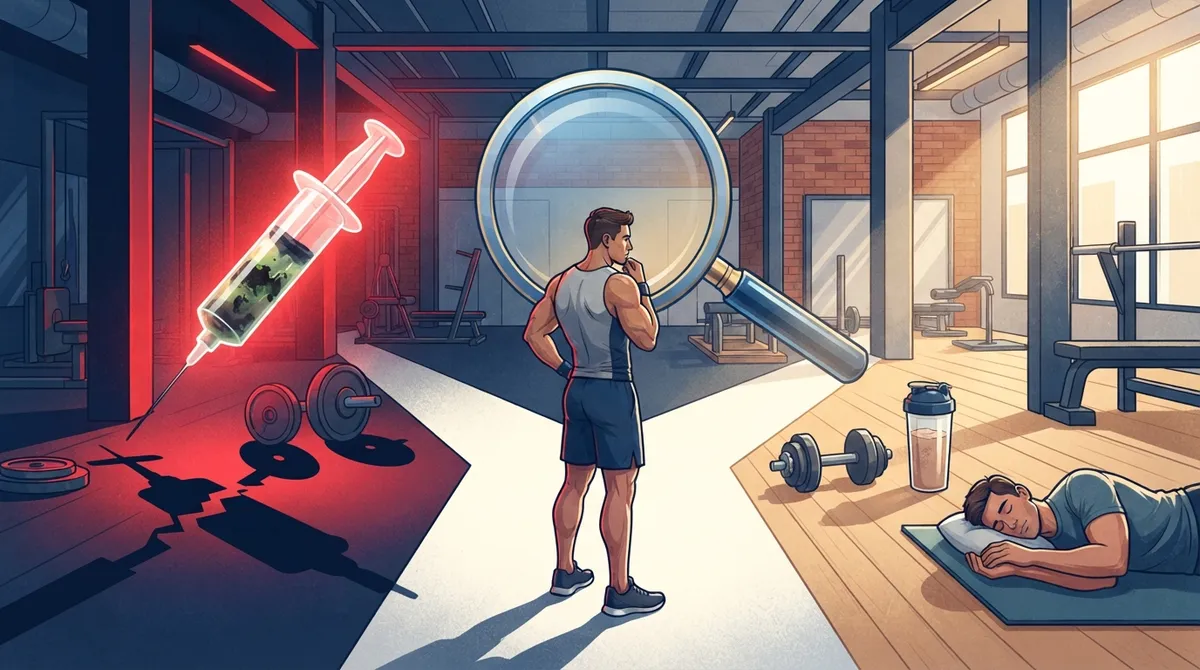
- Most popular peptides like CJC-1295 and ipamorelin lack strong human evidence for building strength in healthy adults; studies typically measure hormone levels rather than actual physical performance gains.
- Unregulated online peptide products pose serious risks including unknown purity, contamination, infection, and dosing errors that a licensed medical provider can help you avoid through proper screening and lab testing.
- Proven alternatives like progressive resistance training, adequate protein intake, quality sleep, and proper injury rehabilitation are evidence-based methods that reliably build strength without unregulated injections.
- Growth hormone secretagogues and regenerative peptides carry potential side effects including fluid retention, joint discomfort, tingling, headaches, and blood sugar changes that require medical supervision to monitor.
Scroll through any fitness forum or social media feed, and you will likely see ads for peptides that promise bigger muscles and faster recovery. Names like BPC-157, CJC-1295, and ipamorelin get thrown around like proven miracle drugs. But what does the actual science say about peptides for strength? As a clinic rooted in evidence-based primary care and wellness, InCare believes patients deserve honest answers before they inject anything into their bodies.
This guide breaks down what these compounds really are, what the research shows, and why working with a licensed medical provider matters more than ever. If you are curious about strength, recovery, or muscle-building peptides, this is the clear-eyed overview you need before making any decisions.
What Does "Peptides for Strength" Actually Mean?
The phrase "peptides for strength" is a broad marketing term. It covers several different types of compounds with very different mechanisms in the body. Understanding these categories is the first step to separating fact from marketing hype.
- Growth hormone secretagogues: CJC-1295, ipamorelin, GHRP-2, GHRP-6, and ibutamoren fall into this group. They aim to stimulate the body's natural growth hormone release.
- Regenerative peptides: BPC-157 and TB-500 are marketed for tissue repair and injury recovery, not direct strength gains.
- FDA-approved peptide medicines: These are prescribed for specific medical conditions, not bodybuilding or general strength enhancement.
Lumping all these substances together as one proven category is misleading. Each one works differently, and none has strong human evidence for building strength in healthy adults. If you want to understand more about how these compounds are classified, our guide to what peptides are is a good starting point.
What Does the Research Actually Show?
Here is the honest truth: there is very little strong evidence that popular peptides improve strength in healthy people. Most available studies are small, preliminary, or measure the wrong outcomes entirely.
Growth Hormone Secretagogues and Strength
CJC-1295 and ipamorelin can raise growth hormone and IGF-1 levels in the body. However, raising these hormone levels does not automatically mean you gain muscle strength. Many studies only measure hormone changes, not actual physical performance.
Potential side effects include fluid retention, joint discomfort, tingling or numbness, headaches, and changes in blood sugar control. These are not minor issues to brush aside. Anyone considering these compounds should discuss the risks with a qualified provider first.
BPC-157 and TB-500 for Recovery
BPC-157 and TB-500 are often promoted for healing tendons, ligaments, and muscle injuries. But the supporting evidence is thin. According to a 2025 review, only three small human studies on BPC-157 existed by that year. These studies looked at knee pain, interstitial cystitis, and drug behavior in the bloodstream, not strength gains.
One 2025 pilot study tested intravenous BPC-157 in just two healthy adults. No harmful effects were seen, but a study this small cannot prove real-world safety. A separate retrospective report on knee pain found that 14 of 16 patients, or 87.5 percent, felt significant pain relief. That sounds promising, but it was not a randomized controlled trial. It cannot confirm improved healing or strength.
A 2024 pilot study involving 12 patients with interstitial cystitis found some symptom improvement. Again, this population and outcome tell us nothing about muscle growth or athletic performance.
Key Facts Every Patient Should Know
Before considering any peptide for strength or recovery, keep these facts in mind:
- No randomized controlled trials confirm that peptide combinations like BPC-157 plus TB-500, or CJC-1295 plus ipamorelin, improve strength or establish long-term safety.
- FDA approval is specific to certain conditions. Tesamorelin, for example, is approved only for reducing abdominal fat in people with HIV-associated lipodystrophy. It is not approved for bodybuilding or anti-aging use.
- Products bought online or from unregulated sources may have unknown purity, concentration, or sterility. This raises the risk of contamination and infection.
- Many performance peptides are banned by the World Anti-Doping Agency. This includes growth hormone secretagogues, BPC-157, and thymosin beta-4-related products.
- A 2021 systematic review called the evidence for peptides and exercise recovery "preliminary" with mixed results.
Competitive athletes especially need to be careful. Checking the current prohibited substances list and speaking with a sports medicine professional is essential before trying any peptide product.
Comparing Common Peptides Marketed for Strength
The table below summarizes what current research actually supports for the most talked-about strength-related peptides.
|
Peptide |
Common Marketing Claim |
Evidence Level |
FDA-Approved Use |
|---|---|---|---|
|
CJC-1295 |
Increases muscle, boosts growth hormone |
Limited; measures hormone levels, not strength |
None |
|
Ipamorelin |
Muscle growth, fat loss |
Limited; small studies, no strength data |
None |
|
BPC-157 |
Tissue repair, faster healing |
Preclinical and small pilot studies only |
None |
|
TB-500 |
Muscle and tendon recovery |
Mostly preclinical, no strong human data |
None |
|
Tesamorelin |
Fat reduction, anti-aging |
Approved for one specific condition |
HIV-associated lipodystrophy only |
Why Working with a Licensed Provider Matters
Buying peptides online without medical supervision carries real risks. You cannot verify what is actually in the vial, how concentrated it is, or whether it is sterile. Injection-related infections, dosing errors, and contamination are all real possibilities with unregulated products.
A licensed primary care provider can order appropriate lab work, review your health history, and help you understand whether any peptide therapy makes sense for your situation. At InCare, our physicians, including Dr. Naveen Paddu, Dr. Pramjeet Ahluwalia, and Dr. Teshy John, take a careful, evidence-based approach to wellness treatments.
If you are already using peptides or considering them, tell your doctor. Unexplained swelling, changes in blood sugar, headaches, joint pain, or injection-site problems can all be signs of an adverse reaction. Your provider needs the full picture to keep you safe.
What Actually Builds Strength? Evidence-Based Alternatives
The good news is that proven methods for building strength do not require unregulated injections. Decades of research support a few simple, effective strategies.
- Progressive resistance training: Gradually increasing weight or resistance is the gold standard for building muscle strength.
- Adequate protein and calorie intake: Your muscles need fuel and building blocks to grow and repair.
- Quality sleep: Recovery and hormone regulation both depend on consistent, restorative sleep.
- Chronic condition management: Untreated issues like low thyroid function or uncontrolled diabetes can quietly sabotage strength goals.
- Supervised rehabilitation: If you are recovering from an injury, working with a professional ensures you heal correctly and safely.
Our team can also help you track progress using advanced body composition analysis, which gives a clearer picture of muscle gain than a bathroom scale ever could. Combined with DNA gene testing, we can build a wellness plan that fits your unique biology.
How InCare Approaches Peptide Questions Responsibly
At InCare, we understand why peptides sound appealing. The promise of faster results is tempting. But our job is to protect your health first. That means giving you honest, research-backed information rather than following hype.
Our peptide therapy program in Tampa is built on careful screening, lab testing, and physician oversight. We never encourage patients to self-inject unregulated substances purchased online. If a treatment fits your specific health needs, we discuss it openly, including the limits of current evidence.
Patients across Tampa and Riverview trust InCare because we combine advanced technology with real medical judgment. You can visit us on Google — InCare to see what our community says about their experience with our physicians and staff.
Questions to Ask Before Trying Any Strength Peptide
If you are still curious about peptides for strength, bring these questions to your next appointment:
- Is there human clinical trial data supporting this specific peptide for strength or recovery?
- What are the known side effects, and how would we monitor for them?
- Is this substance approved by the FDA, and if so, for what condition?
- Would this interact with any medications or health conditions I already have?
- Are there proven alternatives that could get me similar results with less risk?
A good provider will answer these questions directly and never pressure you into a treatment lacking solid evidence. This is exactly the standard we hold ourselves to at InCare.
Final Thoughts: Strength Built on Evidence, Not Hype
Peptides for strength remain largely unproven for healthy adults. The marketing is loud, but the science is quiet. Growth hormone secretagogues and regenerative peptides like BPC-157 may show promise in narrow, specific situations, but they are not shortcuts to bigger muscles or faster recovery for the average person.
What does work is proven: resistance training, proper nutrition, sleep, and medical guidance for any underlying health issues. If you want a wellness plan built on real evidence rather than trends, our team is ready to help. Reach out to our care team today or schedule your appointment now to start a strength and wellness plan designed around your actual health data.
You can also follow our latest wellness tips and patient stories on Facebook, Instagram, and TikTok for more evidence-based health guidance from the InCare team.
FAQs
Q: Do peptides actually increase muscle strength or muscle mass?
A: Current evidence does not show that commonly marketed peptides reliably increase strength or muscle mass in healthy adults. Most studies measure hormone levels like growth hormone or IGF-1 rather than actual physical performance, so claims of strength gains remain largely unproven.
Q: Are CJC-1295 and ipamorelin FDA-approved for bodybuilding?
A: No, neither CJC-1295 nor ipamorelin is FDA-approved for bodybuilding, strength enhancement, or general wellness use. These compounds influence the growth hormone axis, but that approval status does not extend to muscle-building purposes.
Q: Is BPC-157 safe or effective for tendon and muscle injuries?
A: The evidence for BPC-157 is still very limited, with only a handful of small human studies available as of 2025. It is not an FDA-approved treatment for tendon, muscle, or general musculoskeletal injuries, so its safety and effectiveness remain unconfirmed.
Q: What are the risks of buying injectable peptides online?
A: Products from unregulated online vendors may have uncertain purity, concentration, and sterility. This raises serious risks including contamination, infection, dosing errors, and other injection-related complications that a licensed provider can help you avoid.
Q: Are muscle-building peptides legal and permitted in competitive sports?
A: Many performance-oriented peptides, including growth-hormone secretagogues, BPC-157, and thymosin beta-4-related products, are prohibited by the World Anti-Doping Agency. Competitive athletes should always check the current prohibited list and consult a sports medicine professional before use.