
Key Takeaways
- Glutathione absorption from oral supplements remains inconsistent and debated—some studies show increased stores over months, while shorter trials found no meaningful changes in blood levels, meaning results vary widely by dose, formulation, and individual factors.
- Current human evidence for glutathione treating gut conditions like leaky gut, IBS, or inflammatory bowel disease is limited; most support comes from lab and animal studies rather than large clinical trials, so it should only be used as an add-on, not a replacement for proven habits.
- A 2023 study found that 500mg daily glutathione for six months shifted gut bacteria in people with diabetes, reducing harmful Proteobacteria and increasing beneficial species, but this single exploratory study does not prove benefits for the general population.
- Proven gut health foundations—fiber-rich foods, regular exercise, quality sleep, and stress management—should always come first; discuss any digestive symptoms with your primary care provider before trying supplements to rule out serious conditions.
- Oral glutathione has shown good tolerability in small studies, but long-term safety data is limited; intravenous glutathione carries significantly greater safety risks and should never be pursued through unregulated services.
- Do not confuse glutathione with glutamine—they are completely different compounds; a 2024 review found glutamine had no significant effect on intestinal permeability, so mixing them up could lead to confusion about what actually helps your gut.
Your gut does more than digest food. It affects your immune system, your energy, and even your mood. So when a natural antioxidant like glutathione gets attention for gut support, it makes sense to ask real questions. Does it work? Is it safe? And how does it fit into an actual wellness plan?
At InCare, patients across Tampa and Riverview often ask about supplements like glutathione during wellness visits. This guide breaks down what the science actually shows, what remains unproven, and how gut health fits into a bigger picture of primary care and prevention.
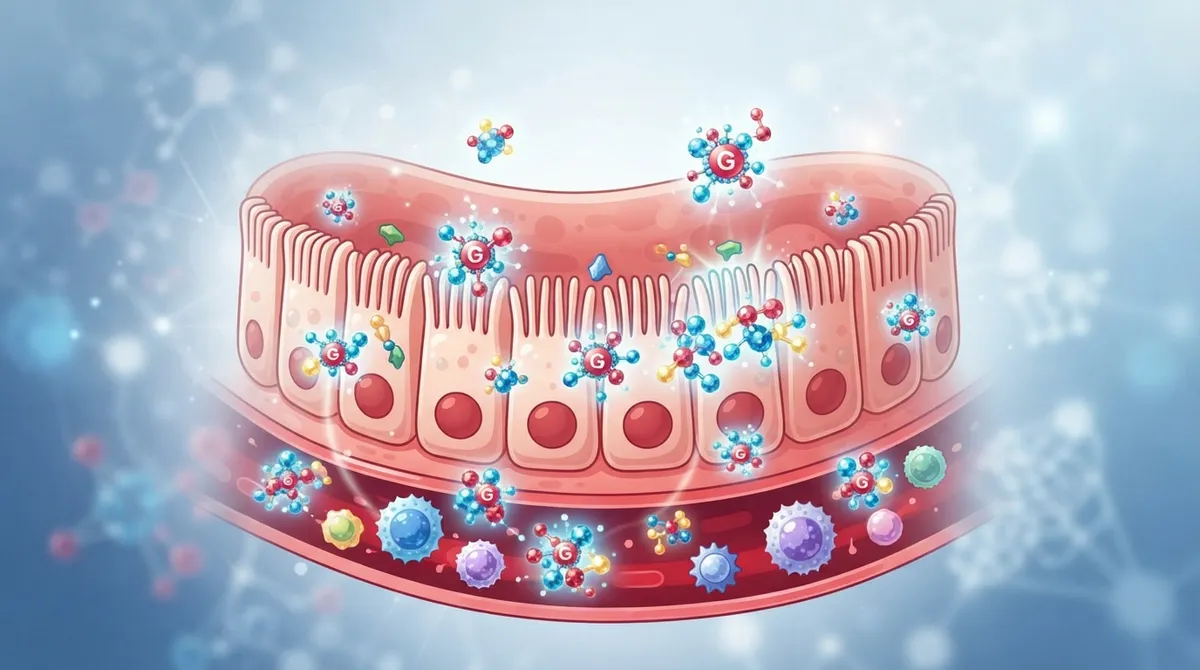
What Is Glutathione and Why Does It Matter for Digestion
Glutathione (GSH) is a natural antioxidant made in your body. It is built from three amino acids: glutamate, cysteine, and glycine. Your gut lining cells contain high levels of this compound.
Glutathione helps neutralize harmful molecules called reactive oxygen species. It also recycles other antioxidants and protects the cells that line your intestines from damage. This matters because your gut lining works hard every day to absorb nutrients and block harmful substances.
- Glutathione supports mucus production in the gut
- It helps maintain the tight junctions between intestinal cells
- It plays a role in cell turnover along the gut lining
- It helps protect cells from oxidative stress and damage
How Oxidative Stress Affects Gut Barrier Function
Oxidative stress happens when harmful molecules build up faster than your body can clear them. In the gut, this stress may weaken the barrier that keeps food particles and bacteria where they belong. Some researchers believe this process contributes to conditions like leaky gut or inflammatory bowel disease.
However, having a theory is different from having proof. Oxidative stress may play a role in gut problems, but this does not mean that taking glutathione supplements will fix those problems. The gap between lab research and real human results is still wide.

What the Research Actually Shows
Human studies on glutathione and gut health are still limited. Most of the reasoning behind its use comes from lab studies, animal research, and general antioxidant science rather than large clinical trials in people.
Here is a look at some of the most relevant findings so far.
|
Study Focus |
Population |
Key Finding |
|---|---|---|
|
Oral glutathione and gut microbiome |
Adults with diabetes (6 months, 500mg daily) |
Lower Proteobacteria and Escherichia/Shigella; higher Megasphaera, Bacteroides, Megamonas |
|
Glutathione stores in healthy adults |
Healthy adults (6-month trial) |
30-35% increase in several compartments; 260% increase in buccal cells at higher dose |
|
Short-term oral glutathione |
40 healthy adults (4 weeks, 500mg twice daily) |
No significant change in serum glutathione levels |
|
Pediatric cystic fibrosis trial |
Children (24 weeks) |
Safe and well tolerated, but no significant improvement in growth or inflammatory markers |
One 2023 study looked at people with diabetes who took 500 mg of oral glutathione daily for six months. Stool analysis showed changes in gut bacteria compared to a control group. Levels of Proteobacteria and Escherichia/Shigella dropped. Levels of Megasphaera, Bacteroides, and Megamonas increased. These results are promising, but they come from one exploratory study. They do not prove that glutathione fixes gut problems in the general population.
Absorption Remains a Major Question
Oral glutathione absorption is still debated among researchers. Some studies over several months report increased glutathione stores in the body. Other shorter studies found no meaningful change in blood glutathione levels after just a few weeks.
This inconsistency likely comes down to a few factors:
- The dose used in the study
- The specific formulation, such as liposomal versus standard oral capsules
- How long the person took the supplement
- The person's starting nutritional status
This means a short trial run of glutathione may not show much benefit, while a longer, well-managed approach might work differently. It also means results can vary widely from person to person.
Glutathione Should Not Replace Proven Gut Health Habits
It is tempting to look for a single supplement that solves gut issues. But glutathione is best viewed as a possible add-on, not a replacement for basic, proven habits. Primary care providers generally recommend building a foundation first.
- Eating a variety of fiber-rich foods every day
- Staying physically active on a regular basis
- Getting consistent, quality sleep
- Managing stress levels effectively
- Treating any diagnosed gastrointestinal conditions properly
- Watching for alarm symptoms like unexplained weight loss or blood in stool
If you are dealing with ongoing digestive symptoms, a conversation with a primary care provider is a smart first step. They can help rule out more serious conditions before you try supplements on your own.
Important Distinction: Glutathione Is Not Glutamine
Glutathione and glutamine sound alike but are completely different compounds. Glutamine is an amino acid often studied for gut permeability. A 2024 review of glutamine research, including 10 studies and 352 participants, found no significant overall effect on intestinal permeability. This distinction matters because mixing up the two compounds could lead to confusion about what actually helps your gut.
Common Conditions People Ask About
Many patients want to know if glutathione can treat specific gut conditions. Here is an honest breakdown.
|
Condition |
What the Evidence Shows |
|---|---|
|
Leaky gut |
Theoretical benefit from reduced oxidative stress; no strong human trials confirm treatment effect |
|
Irritable bowel syndrome (IBS) |
No robust clinical trials specifically testing glutathione for IBS symptoms |
|
Inflammatory bowel disease (IBD) |
Oxidative stress may play a role in IBD, but glutathione is not an approved or proven treatment |
|
Dysbiosis (bacterial imbalance) |
Some microbiome shifts seen in diabetes study, but not confirmed in broader populations |
If you have been diagnosed with any of these conditions, it is best to work with your doctor rather than self-treating with supplements. A family medicine clinic can help you build a full treatment plan that addresses the root cause, not just symptoms.
Oral vs. IV Glutathione: Know the Difference
Not all glutathione products are the same. Oral supplements and intravenous (IV) glutathione carry very different safety profiles, and they should never be treated as interchangeable options.
- Oral glutathione has generally been well tolerated in small studies
- Long-term safety data for oral use is still limited
- IV glutathione carries significantly greater safety concerns
- IV use for cosmetic or unapproved wellness purposes is not the same as medically supervised IV therapy
If you are curious about IV-based wellness treatments, it is worth exploring options like IV hydration and vitamin drips that are administered under professional supervision, rather than pursuing unregulated IV glutathione services.
How to Approach Glutathione Safely
If you are considering glutathione for gut support, here are steps to take before you start.
- Talk to your primary care provider about your specific symptoms and goals
- Ask whether glutathione interacts with any medications you currently take
- Start with a conservative dose if your provider approves its use
- Track your symptoms over several months, not just a few days
- Continue evidence-based habits like fiber intake and physical activity alongside any supplement
- Watch for side effects and report them to your doctor right away
This kind of careful, guided approach is far more reliable than jumping straight to supplements without professional input. A DNA gene testing panel can sometimes offer additional insight into how your body processes nutrients and antioxidants, which may help guide a more personalized plan.
Why Whole-Body Wellness Matters More Than a Single Supplement
Gut health does not exist in isolation. It connects to your metabolism, your weight, your energy levels, and your immune function. That is why a whole-body approach tends to work better than chasing one trendy supplement.
InCare offers services designed to look at health from multiple angles, including body composition analysis and metabolic breath analysis. These tools help identify patterns that a single blood test might miss, giving you a clearer picture of what your body actually needs.
For patients managing weight alongside digestive concerns, a structured weight loss program can also support better gut function over time, since excess weight and poor metabolic health are often linked to gut inflammation.
What to Expect During a Wellness Visit
If you bring up glutathione or gut health during a visit, your provider will likely ask about your diet, symptoms, and overall health history. This helps them figure out whether a supplement makes sense for you.
- A review of your current diet and fiber intake
- A discussion of any digestive symptoms you are experiencing
- A check of your medication list for possible interactions
- Consideration of underlying conditions like diabetes or autoimmune disease
- A conversation about realistic expectations for supplements
Providers like those featured on the InCare providers page, including Dr. Pramjeet Ahluwalia and Dr. Teshy John, focus on personalized care rather than one-size-fits-all advice. This matters especially with supplements like glutathione, where the science is still developing.
Staying Connected With InCare
Patients in Tampa and Riverview have consistently rated InCare highly, with a 4.8 out of 5 score on Google from hundreds of reviews. Many mention the friendly staff and the quality of care from the clinical team. You can read more patient experiences and visit us on Google — InCare to see what current patients are saying.
You can also follow along with wellness tips and clinic updates on Facebook, Instagram, and TikTok for regular content on primary care and wellness topics.
Final Thoughts on Glutathione and Gut Health
Glutathione plays a real role in protecting your gut lining from oxidative stress. But the leap from lab science to proven human treatment is not fully there yet. Current evidence is promising in some areas, especially around microbiome changes, but it remains exploratory.
The smartest approach is to treat glutathione as a possible addition to your wellness routine, not a stand-alone fix. Pair it with proven habits like a fiber-rich diet, regular exercise, good sleep, and proper management of any diagnosed conditions.
If you want personalized guidance on gut health, supplements, or your overall wellness plan, our team is ready to help. Reach out to our team today or book your appointment now to start building a gut health plan backed by real medical guidance.
FAQs
Q: Does glutathione improve gut health or intestinal permeability?
A: Glutathione plays a natural role in protecting intestinal cells from oxidative stress, but strong human evidence proving it improves gut barrier function or permeability is still limited. Most current support comes from laboratory and animal research rather than large clinical trials.
Q: Can glutathione help with leaky gut, IBS, or inflammatory bowel disease?
A: There is no strong clinical evidence confirming that glutathione treats leaky gut, IBS, or inflammatory bowel disease. These conditions require proper diagnosis and medical management, and glutathione should only be considered as a possible adjunct under professional guidance.
Q: Does oral glutathione change the gut microbiome?
A: A 2023 study in people with diabetes found that six months of oral glutathione was associated with changes in gut bacteria, including reduced Proteobacteria and increased Bacteroides and Megamonas. These findings are promising but exploratory and need further research in broader populations.
Q: Is liposomal glutathione better absorbed than standard oral glutathione?
A: Absorption of oral glutathione remains debated, and formulation may influence results, but there is no definitive evidence proving liposomal versions are consistently superior for gut health. Speaking with a primary care provider can help you understand which options may suit your situation.
Q: Are glutathione supplements safe, and what side effects can occur?
A: Oral glutathione has generally been reported as well tolerated in small studies, though long-term safety data remains limited. Intravenous glutathione carries greater safety concerns, especially when used for unapproved cosmetic or wellness purposes, so it should not be treated the same as oral supplementation.