Key Takeaways
- IV glutathione showed promising results in one trial of hospitalized COVID-19 patients with respiratory distress (49% vs 32% improvement), but evidence for common colds, flu, and long COVID remains limited and unproven.
- NAC and GlyNAC are precursors that help your body produce glutathione naturally, not direct glutathione supplements—they work differently and are not interchangeable, so discuss which option suits your needs with a doctor.
- Oral glutathione is convenient for general wellness with mild side effects, while IV glutathione requires medical supervision and carries risks like allergic reactions; always consult a provider before starting either.
- Supporting natural glutathione through diet (sulfur-rich foods like garlic and cruciferous vegetables) and lifestyle (sleep, hydration, stress management) may be as important as supplements for illness recovery.
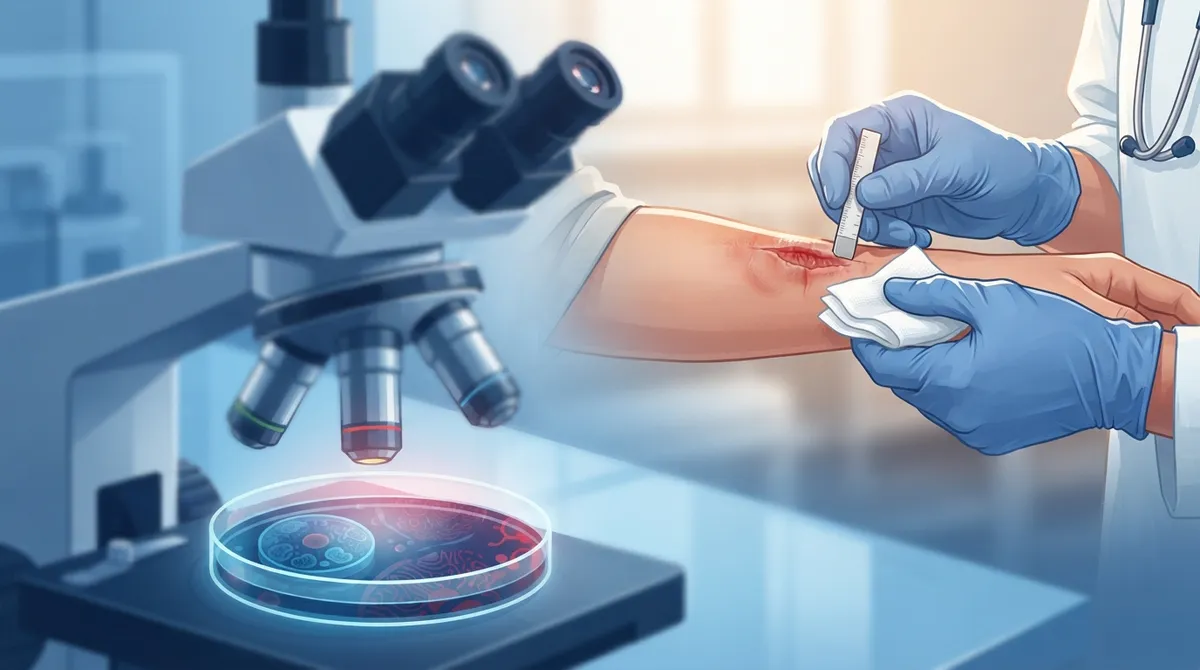
When you catch a virus or feel run down after weeks of stress, you want to feel better fast. Many people search for supplements that might help their body bounce back. Glutathione has become one of the most talked-about options in wellness circles. But does the science actually support using it for illness recovery, or is this more hype than fact?
At InCare, our primary care team in Tampa and Riverview often fields questions about glutathione, NAC, and other antioxidant therapies. This guide breaks down what glutathione does, what current research shows, and how it fits into a realistic recovery plan. We will keep things simple and evidence-based so you can make informed decisions with your doctor.
What Is Glutathione and Why Does It Matter for Recovery?
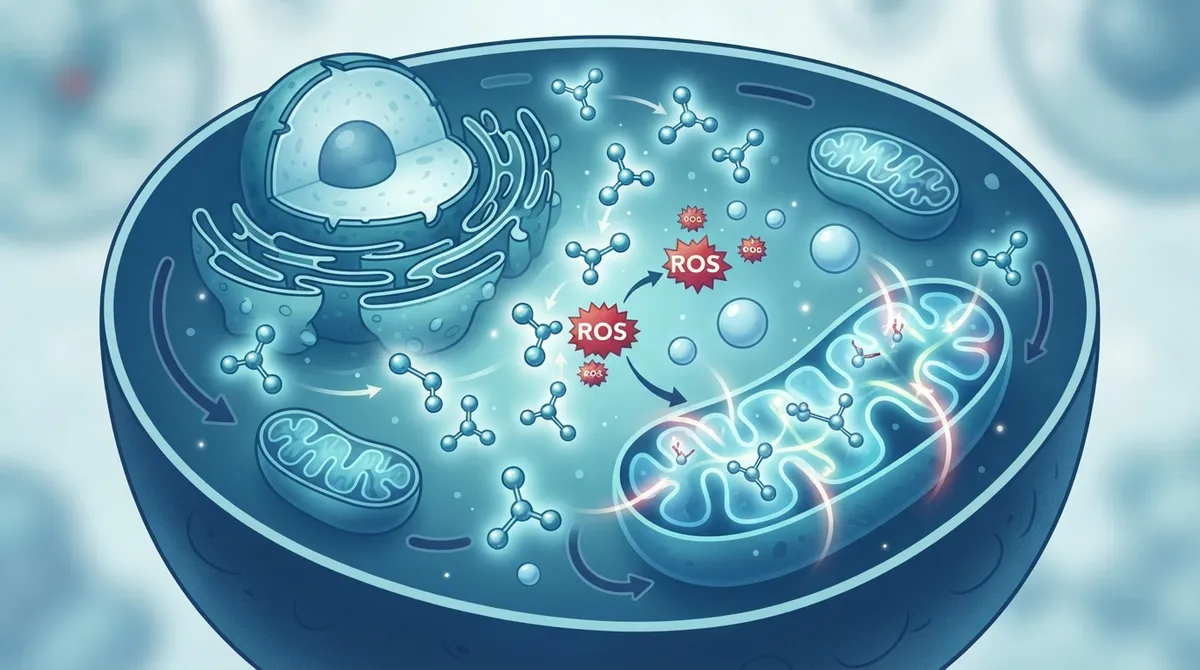
Glutathione (GSH) is a natural antioxidant made inside your cells. Your body builds it from three amino acids: glutamate, cysteine, and glycine. It plays a key role in fighting oxidative stress, supporting detox pathways, and helping your immune cells work properly.
When you get sick, your body faces more oxidative stress than usual. Infections, inflammation, poor nutrition, and even certain medications can lower your glutathione levels. This has led many people to wonder if boosting glutathione could help them recover faster.
- Glutathione helps neutralize harmful free radicals in your cells
- It supports liver detoxification processes
- It plays a role in immune cell signaling and function
- Low levels are linked to increased oxidative stress during illness
- Aging naturally reduces your body's glutathione production
It's important to understand that low glutathione is often a sign of stress on the body, not necessarily proof that taking more will fix the problem. This distinction matters a lot when evaluating supplement claims.

What Does the Research Actually Show?
Scientific evidence on glutathione for general illness recovery remains limited. Studies vary widely in dosage, delivery method, and the conditions being studied. Many trials are small, making it hard to draw firm conclusions for everyday use.
The COVID-19 Study That Started the Conversation
One randomized, placebo-controlled trial looked at intravenous glutathione in hospitalized patients with moderate COVID-19 and breathing problems. The results were notable:
- 49.15% of patients receiving IV glutathione showed clinical improvement by day 3
- Only 31.96% of the placebo group showed similar improvement
- The odds ratio was 2.06, meaning glutathione-treated patients were about twice as likely to improve
- Researchers reported a 37% reduction in the risk of staying hospitalized
These numbers sound promising. But this study focused on a specific group: hospitalized patients with moderate to severe COVID-19 symptoms. It does not prove glutathione will help with a common cold, flu, or long COVID. More large-scale trials are needed before doctors can make broad recommendations.
Glutathione and Fatty Liver Disease
A 2024 systematic review looked at glutathione for fatty liver disease. Researchers found only two relevant randomized studies, covering 208 patients total. The findings suggested some improvement in liver-related markers after at least three months of use, especially when paired with healthy lifestyle changes.
This is helpful information, but it is adjunctive evidence. It supports glutathione as a possible add-on, not a standalone cure. Anyone managing liver concerns should discuss this with their healthcare provider before starting any supplement.
|
Study Focus |
Sample Size |
Key Finding |
Limitation |
|---|---|---|---|
|
COVID-19 respiratory distress |
Hospitalized patients |
Faster improvement with IV glutathione |
Cannot generalize to other illnesses |
|
Fatty liver disease |
208 patients (2 studies) |
Improved ALT and liver fat markers |
Small sample, needs lifestyle pairing |
|
Cold and flu prevention |
Older healthy adults |
Study still under review |
Outcomes not yet established |
|
Critical COVID-19 with NAC |
140 patients |
Improved clinical response |
NAC is a precursor, not direct glutathione |
Glutathione vs. NAC vs. GlyNAC: What's the Difference?
You may have seen these terms used interchangeably online, but they are not the same thing. Understanding the difference helps you have better conversations with your primary care doctor.
- Glutathione: The finished antioxidant molecule, taken directly through oral supplements or IV therapy
- NAC (N-acetylcysteine): A precursor that helps your body make its own glutathione
- GlyNAC: A combination of glycine and NAC, designed to support natural glutathione production
A 2023 randomized trial studied NAC in 140 critically ill COVID-19 patients. Results showed improved clinical and lab markers compared to controls. Researchers believe NAC helped prevent glutathione levels from dropping during intensive care. This is encouraging, but NAC and GlyNAC work differently than direct glutathione supplementation and are not interchangeable.
Oral vs. Intravenous Glutathione: Which Works Better?
This is one of the most common questions patients ask at our Tampa and Riverview locations. The answer depends on your goals, health status, and medical guidance.
Oral Glutathione Supplements
Oral forms are convenient and generally well-tolerated. Most studies report mild gastrointestinal discomfort as the most common side effect. A registered University of Florida trial is currently studying 500 mg per day of oral Setria glutathione over 120 days in healthy older adults, tracking cold and flu symptoms. This kind of research shows that prevention benefits are still being tested, not yet proven.
Intravenous Glutathione
IV glutathione requires medical oversight. It carries route-specific risks including allergic reactions and potential product quality concerns if not administered in a clinical setting. Our IV hydration and vitamin drip services are always supervised by trained medical staff to reduce these risks.
- Discuss your full medical history with a provider before starting IV therapy
- Choose a clinic with licensed medical staff overseeing treatment
- Ask about the source and quality of the glutathione product used
- Never use IV glutathione as a replacement for prescribed treatment
- Monitor for allergic reactions during and after infusion
Who Should Consider Glutathione, and Who Should Be Cautious?
Glutathione is not right for everyone. Some people may benefit from a conversation with their doctor before trying any form of supplementation.
- People recovering from a documented illness with oxidative stress markers
- Patients managing chronic conditions like fatty liver disease under medical supervision
- Individuals interested in general wellness support alongside proven treatments
- Those with known allergies to sulfur-containing compounds should exercise caution
- Pregnant or nursing individuals should always consult a physician first
- Anyone currently on multiple medications should check for interactions
Your primary care team can help evaluate whether glutathione fits into your broader health goals. This is especially important if you are also managing chronic illness, since coordinated care leads to better outcomes than trying supplements on your own. Learn more about how primary doctors help manage chronic illnesses for a fuller picture of comprehensive care.
Natural Ways to Support Glutathione During Recovery
Supplements are not the only path. Diet and lifestyle choices can support your body's natural glutathione production during illness recovery.
- Eat sulfur-rich foods like garlic, onions, and cruciferous vegetables
- Get quality sleep to support cellular repair processes
- Stay hydrated to help your body flush toxins efficiently
- Reduce alcohol intake, which can deplete glutathione stores
- Manage stress through movement, mindfulness, or other healthy outlets
- Eat protein-rich foods that provide the amino acid building blocks for glutathione
These habits work best as part of a complete wellness plan. If you are curious about how nutrition and lifestyle affect your overall health, our body composition analysis and DNA gene testing services can offer personalized insight into your unique needs.
Where Glutathione Fits Into a Realistic Recovery Plan
Glutathione should be viewed as a possible supportive tool, not a replacement for medical treatment. It cannot substitute for vaccination, prescribed medication, proper hydration, nutrition, sleep, or urgent care when symptoms are severe.
|
Approach |
Best Use Case |
Medical Oversight Needed |
|---|---|---|
|
Oral glutathione |
General wellness support |
Recommended, not always required |
|
IV glutathione |
Specific clinical scenarios |
Always required |
|
NAC/GlyNAC |
Supporting natural production |
Recommended |
|
Diet and lifestyle |
Daily maintenance |
Helpful but not mandatory |
If your symptoms are severe, worsening, or unusual, always seek prompt medical evaluation. Our urgent care services are available for immediate concerns, while our primary care team can help build a long-term recovery and prevention strategy tailored to you.
Why Choose InCare for Your Wellness and Recovery Needs
InCare combines advanced technology with a personalized approach to primary care and wellness. Our providers, including Dr. Naveen Paddu, Dr. Pramjeet Ahluwalia, and Dr. Teshy John, work with patients across Tampa and Riverview to create realistic, evidence-based health plans.
We understand that recovery looks different for everyone. Whether you're managing a chronic illness, bouncing back from a virus, or simply want to optimize your wellness, our team is here to guide you. Patients consistently share positive feedback about their experience, and you can visit us on Google — InCare to read real reviews from people in our community. You can also follow our updates and wellness tips on Facebook, Instagram, and TikTok.
Final Thoughts on Glutathione and Illness Recovery
Glutathione is a fascinating molecule with real biological importance. Current research suggests it may offer benefits in specific situations, like moderate COVID-19 recovery or fatty liver support. But it is not a proven cure-all for every illness, and more research is needed before broad claims can be made.
The safest approach is to talk with a qualified primary care provider before starting any glutathione, NAC, or GlyNAC regimen. They can assess your health history, check for interactions, and help you build a recovery plan grounded in solid evidence rather than trends.
Ready to talk with a provider about your recovery goals? Book your appointment today and let our Tampa and Riverview team help you build a personalized wellness plan. You can also get in touch with our team if you have questions about our services.
FAQs
Q: Can glutathione help the body recover from an infection or viral illness?
A: Glutathione may offer some support for recovery in specific cases, such as moderate COVID-19 with respiratory distress under clinical supervision. However, evidence for routine viral illnesses like the common cold or flu remains limited and inconsistent, so it should not replace standard medical treatment.
Q: Is glutathione effective for COVID-19 recovery or long COVID?
A: One randomized trial found intravenous glutathione improved short-term recovery in hospitalized COVID-19 patients with respiratory distress. This finding has not been confirmed in larger trials and does not apply to long COVID or general viral illness recovery.
Q: What is the difference between glutathione, NAC, and GlyNAC?
A: Glutathione is the finished antioxidant molecule, while NAC and GlyNAC are precursors that help your body produce its own glutathione. They are not interchangeable and work through different mechanisms, so it's best to discuss which option fits your needs with a clinician.
Q: Does oral glutathione work as well as intravenous glutathione?
A: Oral and IV glutathione have different absorption rates and uses. Oral supplements are generally well-tolerated for everyday wellness support, while IV therapy is reserved for specific clinical situations and requires medical oversight due to route-specific risks.
Q: What are the side effects and risks of glutathione supplements or IV therapy?
A: Oral glutathione supplements commonly cause mild gastrointestinal discomfort. IV glutathione carries additional risks, including allergic reactions and concerns about product quality, which is why it should only be administered under professional medical supervision.