Key Takeaways
- GHK-Cu lacks FDA approval and human clinical trials for bone health—current evidence comes only from cell studies and animal models, not proven human outcomes.
- Copper plays a direct role in bone strength through the enzyme lysyl oxidase, which cross-links collagen fibers; GHK-Cu is being studied for this mechanism but remains unproven in humans.
- Proven bone health strategies include adequate calcium and vitamin D, weight-bearing exercise, bone density screening, hormone monitoring, and avoiding smoking—these should be prioritized over investigational peptides.
- Common myths about GHK-Cu include FDA approval, direct translation from animal studies to humans, and equivalence between skin and bone collagen effects—distinguishing plausible from proven is critical.
- Before considering any peptide therapy, consult your doctor about clinical trial backing, product purity, medication interactions, and whether established alternatives exist for your specific concern.
- Modern wellness tools like DNA gene testing and body composition analysis can assess personalized bone health risks and complement traditional screening, supporting a comprehensive prevention approach.
If you have spent time researching peptides online, you may have come across claims that GHK-Cu can strengthen bones, speed fracture healing, or even reverse osteoporosis. These claims spread quickly across wellness forums and social media. But what does the actual science say? At InCare, patients often ask us to help separate real medical evidence from internet hype, especially when it comes to trending compounds like copper peptides.
This article breaks down what GHK-Cu is, what the research actually shows about bone health, and why a comprehensive approach to skeletal wellness still starts with your primary care provider. Whether you are a wellness-focused professional in Tampa or a parent in Riverview thinking about long-term family health, understanding the facts here matters.
What Is GHK-Cu?
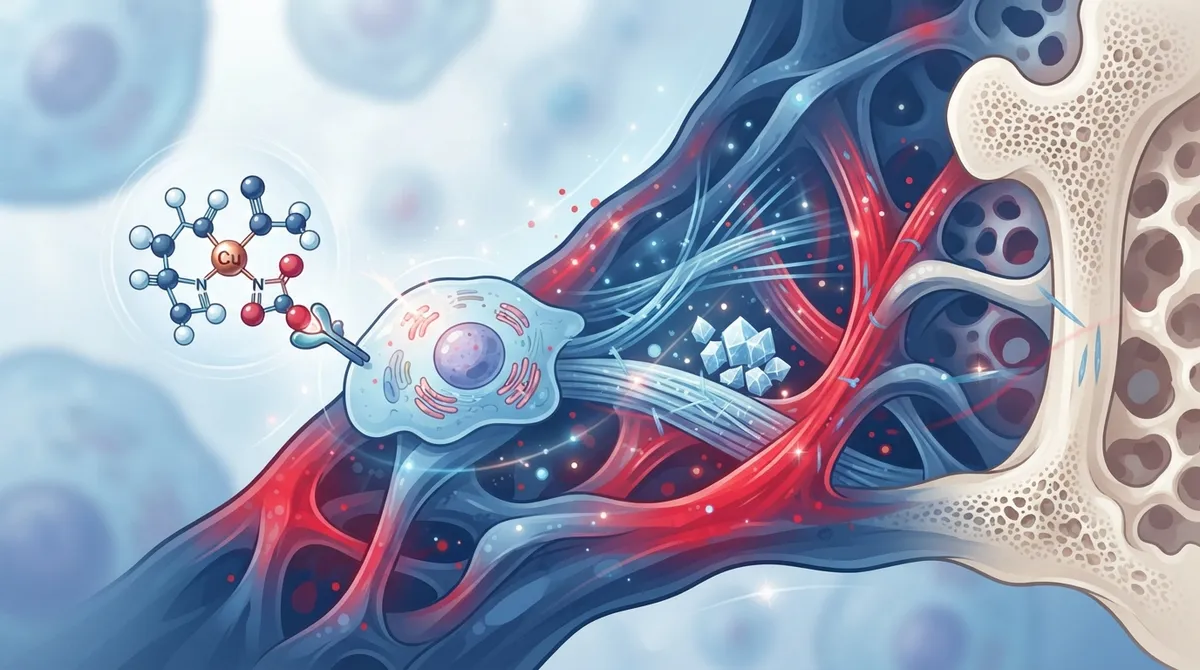
GHK-Cu stands for glycyl-L-histidyl-L-lysine copper. It is a small copper peptide that occurs naturally in the human body. Levels of this peptide tend to decline with age, which is part of why researchers became interested in its potential roles in tissue repair and skin health.
In laboratory and skincare settings, GHK-Cu has been studied for its ability to support collagen production and wound healing. More recently, researchers have begun exploring whether this same peptide might play a role in bone tissue as well.
Why Copper Matters for Bone Structure
Copper is not just a trace mineral your body needs in small amounts. It plays a direct role in bone strength through copper-dependent enzymes like lysyl oxidase. This enzyme helps cross-link collagen fibers, which gives bone its structural integrity.
Without enough functional copper activity, collagen cross-linking can weaken, potentially affecting bone matrix strength over time. This biological connection is one reason researchers are curious about GHK-Cu's broader potential, beyond its established use in skin applications.
What Does the Research Actually Show?
It is important to be clear: GHK-Cu is not FDA-approved for treating osteoporosis, fractures, or any bone condition. Most of the evidence available today comes from cell studies and animal models, not large human clinical trials.
Here is a summary of where the science currently stands:
|
Research Area |
Current Evidence Level |
Key Finding |
|---|---|---|
|
Osteoblast activity |
Preclinical (cell studies) |
May support osteoblast differentiation in lab settings |
|
Collagen synthesis |
Preclinical and some human skin studies |
Stimulates collagen production relevant to tissue repair |
|
Bone scaffold biomaterials |
Preclinical, 2021-2025 studies |
Copper-based scaffolds show pro-osteogenic properties |
|
Osseointegration in animal models |
2025 rat defect model study |
Improved bone regeneration in coated implant research |
|
Human clinical trials for osteoporosis |
None identified as of 2025 |
No Phase II or III trials reported |
A 2021 review of copper-based biomaterials found that copper-containing scaffolds can support bone repair because of properties that are pro-osteogenic, pro-angiogenic, and antibacterial. A separate 2025 study using a rat defect model reported improved bone regeneration with a copper-retardation peptide coating. These findings are promising, but they involve engineered materials and animal subjects, not everyday human use of a GHK-Cu supplement or injection.
Mechanisms Researchers Are Studying
Scientists exploring GHK-Cu's relationship to bone health are generally focused on a few key mechanisms:
- Stimulation of collagen synthesis, which supports the bone matrix
- Encouragement of osteoblast differentiation, the process that helps form new bone cells
- Extracellular matrix remodeling, which supports tissue repair broadly
- Potential pro-angiogenic effects that may support blood vessel formation near healing bone
- Antibacterial properties relevant to implant and scaffold applications
These mechanisms are mechanistically plausible, meaning they make biological sense based on what we know about copper and collagen. However, plausible does not mean proven in humans. This distinction matters greatly when making decisions about your health.
Common Misconceptions About GHK-Cu and Bone Health
Because peptide information spreads quickly online, several myths have taken hold. Here are the most common ones we hear from patients:
- Myth: GHK-Cu is FDA-approved for osteoporosis. This is false. There is no FDA-approved indication for any bone condition.
- Myth: Animal studies mean it works the same way in humans. Preclinical results often do not translate directly to human outcomes without further trials.
- Myth: If it helps skin collagen, it must help bone collagen the same way. Skin and bone tissue have different structures, cell types, and healing environments.
- Myth: Copper supplements alone can replicate GHK-Cu's studied effects. The peptide form and delivery method matter significantly in research settings.
- Myth: There is no risk in trying it without medical guidance. Unregulated products carry safety and purity concerns that should not be ignored.
Is GHK-Cu Safe to Use?
Safety data on GHK-Cu is more established for topical skin applications than for other uses. When it comes to bone health specifically, there simply is not enough human safety or efficacy data to make strong claims either way.
Patients considering any peptide therapy should discuss it with a qualified medical provider first. This is especially true for anyone with existing health conditions, those taking other medications, or people managing chronic diseases that already affect bone density, such as diabetes or thyroid disorders.
Questions to Ask Before Considering Any Peptide Therapy
- Is this treatment backed by human clinical trial data for my specific concern?
- What is the source and purity of the product?
- Could this interact with medications I currently take?
- Are there established, proven alternatives that address the same goal?
- Does my provider have experience discussing peptide research and its limitations?
InCare's providers stay current on emerging research areas like peptide therapy so patients receive honest, evidence-based guidance rather than marketing claims.
What Actually Supports Bone Health Today
While GHK-Cu remains investigational for skeletal use, there are proven, well-researched strategies that support strong bones throughout life. A comprehensive wellness approach should always come first.
Proven Bone Health Strategies
- Adequate calcium and vitamin D intake through diet or supplementation as advised by your provider
- Regular weight-bearing exercise such as walking, resistance training, or dancing
- Routine bone density screening especially for women over 40 and postmenopausal patients
- Hormone level monitoring since estrogen and testosterone both affect bone density
- Avoiding smoking and excessive alcohol which are known to weaken bone structure
- Managing chronic conditions like diabetes that can affect bone metabolism
- Reviewing medications with your doctor, since some drugs affect calcium absorption
A thorough annual wellness visit is one of the best starting points for assessing your bone health risk factors. Your provider can review your family history, current lifestyle, and any warning signs that may call for further testing.
How DNA Testing and Body Composition Analysis Fit In
Modern wellness clinics now offer tools that go beyond a standard checkup. DNA gene testing can reveal genetic predispositions related to bone density and metabolism, giving you a clearer picture of your personal risk factors.
Similarly, body composition analysis using 3D imaging can track changes in muscle and fat distribution over time. Since muscle mass and bone health are closely linked, this technology offers useful insight for anyone building a proactive wellness plan.
Building a Whole-Body Wellness Plan
At InCare, we believe true prevention means looking at the whole picture, not chasing one trending compound. This includes reviewing your cancer screening schedule, discussing weight management if needed through our weight loss programs, and considering supportive therapies like IV hydration and vitamin drips for overall nutrient support.
Our team also stays informed on peptide therapy research broadly, including how compounds are studied and used responsibly within a peptide therapy program in Tampa. If you are curious about GHK-Cu for skin or wellness purposes, our providers can walk you through current, honest research at how to use GHK-Cu safely for skin and wellness.
Comparing Bone Health Approaches
|
Approach |
Evidence Level |
FDA Status |
Best Use Case |
|---|---|---|---|
|
Calcium/Vitamin D supplementation |
Strong, decades of research |
Approved supplement guidance |
Daily bone maintenance |
|
Weight-bearing exercise |
Strong, well-established |
Not applicable |
Long-term bone density support |
|
Prescription osteoporosis medications |
Strong, clinical trials |
FDA-approved for specific conditions |
Diagnosed osteoporosis or osteopenia |
|
GHK-Cu peptide |
Preclinical only for bone |
Not approved for bone conditions |
Investigational research interest only |
|
DNA gene testing |
Established genetic science |
Not a treatment, informational tool |
Personalized risk assessment |
Why Working With a Trusted Primary Care Team Matters
Wellness trends move fast, and it can be hard to know what is backed by real science versus what is marketing. This is exactly why having a trusted primary care relationship in Tampa or Riverview matters so much. Your provider can help you interpret new research responsibly, order appropriate testing, and build a plan that fits your actual health needs.
InCare has built a reputation for combining advanced wellness technology with straightforward, honest medical guidance. Patients trust our team, including providers like Dr. Naveen Paddu, Dr. Pramjeet Ahluwalia, and Dr. Teshy John, to explain complex topics like peptide research clearly. You can also visit us on Google — InCare to read what other patients say about their experience with our providers.
What to Expect During a Bone Health Consultation
- A full review of your personal and family bone health history
- Discussion of current medications and supplements you take
- Recommendations for bone density screening, if appropriate for your age
- Honest guidance on emerging therapies like GHK-Cu, including current limitations
- A personalized plan combining diet, exercise, and monitoring
Our clinic also shares updates and educational content through our Facebook page and Instagram, where we break down wellness trends in an approachable way. You can also follow our Tik Tok for quick, easy-to-understand health tips.
The Bottom Line on GHK-Cu and Bone Health
GHK-Cu is a genuinely interesting area of research, particularly for its role in collagen support and biomaterial science. But when it comes to bone health specifically, the evidence remains preclinical. No human clinical trials have confirmed that GHK-Cu treats osteoporosis, speeds fracture healing, or should replace established bone health strategies.
If you are interested in supporting your bone health today, the most reliable path is still a combination of proven lifestyle habits, appropriate screening, and guidance from a provider who understands both the science and your personal health history.
Ready to build a real, evidence-based plan for your bone health and overall wellness? Book Now to schedule a consultation with our team, or Contact InCare today to learn more about our comprehensive primary care and wellness services in Tampa and Riverview.
FAQs
Q: What is GHK-Cu and how does it relate to bone health?
A: GHK-Cu is a naturally occurring copper peptide studied for tissue repair and collagen support. Researchers are exploring its potential role in bone formation and osteoblast activity, but this evidence remains limited to lab and animal studies rather than confirmed human outcomes.
Q: Is GHK-Cu proven to help osteoporosis?
A: No, GHK-Cu is not proven to treat osteoporosis in humans. No Phase II or Phase III clinical trials for osteoporosis have been identified as of 2025, and it does not carry FDA approval for this use.
Q: Does GHK-Cu help fracture healing?
A: Current research on GHK-Cu and fracture healing comes primarily from cell studies and animal models, including work with bone scaffolds and coatings. These findings are promising for future biomaterial applications, but they do not confirm that GHK-Cu speeds fracture healing in human patients.
Q: Is GHK-Cu FDA-approved for any bone condition?
A: No. GHK-Cu does not have FDA approval for osteoporosis, fracture healing, or any other bone or musculoskeletal condition. It remains an investigational compound in this specific area of research.
Q: How does copper affect bone strength and collagen?
A: Copper supports bone strength through copper-dependent enzymes like lysyl oxidase, which helps cross-link collagen fibers in the bone matrix. This biological connection is part of why researchers are interested in copper peptides like GHK-Cu, though direct clinical evidence in humans is still limited.