Key Takeaways
- GHK-Cu showed a 15-20% reduction in melanin index over 12 weeks in one study, comparable to 4% hydroquinone, but it's not FDA-approved for age spots and works best as a supportive ingredient rather than a standalone treatment.
- Visible results typically appear between 4-8 weeks with fuller improvements by 12 weeks, but outcomes vary based on formulation strength (3% is standard in studies), consistency of use, and individual skin type.
- Daily broad-spectrum SPF 30+ sunscreen with reapplication every 2 hours is essential, as ongoing UV exposure continues triggering melanin production and can undo progress from any brightening ingredient.
- GHK-Cu works indirectly by stimulating collagen, supporting antioxidant activity, reducing inflammation, and accelerating cell turnover rather than directly blocking melanin production.
- GHK-Cu can be combined with retinol (alternate nights) and hyaluronic acid, but should be separated from vitamin C due to potential copper interactions, and requires patch testing first for sensitive skin.
- Medical evaluation is necessary if age spots show changes in shape, color, size, irregular borders, bleeding, itching, or rapid appearance, as early detection of skin concerns is crucial for preventive healthcare.
Age spots often appear on the face, hands, and chest after years of sun exposure. Many people search for new ways to fade them without harsh chemicals. GHK-Cu, a copper-binding peptide, has become one of the most talked-about ingredients in modern skincare and wellness circles. But does the science actually support using GHK-Cu for age spots, or is this another passing trend?
This guide breaks down what GHK-Cu is, what research shows about its effects on pigmentation, and how it fits into a broader plan for healthy, resilient skin. Whether you are exploring anti-aging options for the first time or comparing wellness treatments before your next visit, understanding the real evidence matters. At InCare, our providers in Tampa and Riverview help patients build informed, medically sound approaches to skin health, sun damage, and overall wellness.
What Is GHK-Cu and How Does It Work?
GHK-Cu stands for glycyl-L-histidyl-L-lysine copper complex. It is a naturally occurring peptide bound to copper that exists in human plasma, saliva, and urine. As people age, natural GHK-Cu levels in the body decline, which is one reason researchers became interested in its role in skin repair.
In cosmetic and wellness applications, GHK-Cu is typically formulated into serums, creams, or used within broader peptide therapy Tampa FL protocols. It is not injected for cosmetic pigmentation purposes but rather applied topically to support the skin's natural repair processes.
The Science Behind Skin Repair
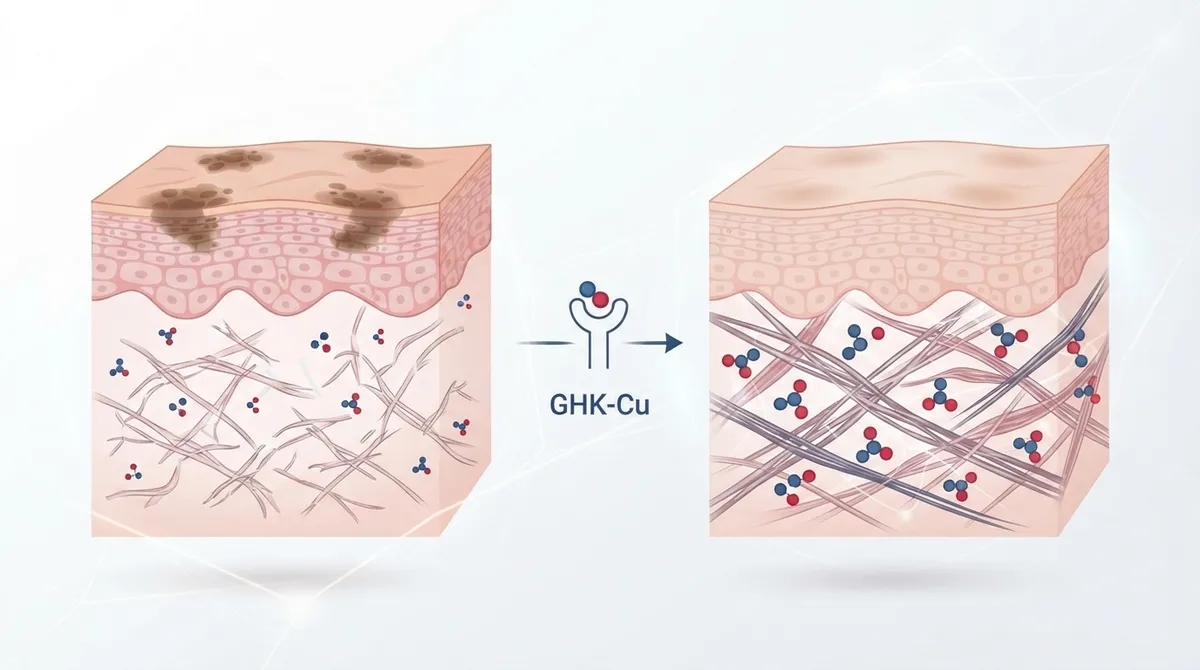
GHK-Cu appears to work through several indirect mechanisms rather than direct pigment blocking. These include:
- Stimulating collagen and elastin production in the dermis
- Supporting antioxidant activity that reduces oxidative stress
- Reducing low-grade inflammation linked to photoaging
- Encouraging faster skin cell turnover and renewal
- Promoting wound healing and tissue remodeling
These actions help explain why GHK-Cu is studied for overall skin quality more than as a targeted spot treatment. Its brightening effect, when observed, is considered a byproduct of healthier, more balanced skin rather than a direct block on melanin production.

What Does the Research Say About GHK-Cu and Age Spots?
Clinical evidence on GHK-Cu is more developed for general photoaging than for age spots specifically. Still, several studies offer useful insight into what patients might expect.
Key Clinical Findings
One frequently cited study followed 71 women with mild to advanced photoaging who used a GHK-Cu facial cream for 12 weeks. Researchers observed measurable improvements in skin density, thickness, clarity, and wrinkle appearance. This suggests GHK-Cu can meaningfully improve the skin's overall structure over a three-month period.
A separate 2019 study in cosmetic dermatology examined 3% topical GHK-Cu in patients with post-inflammatory hyperpigmentation. Over 12 weeks, researchers reported a 15% to 20% reduction in melanin index, a measure of skin pigment concentration. In that same discussion, the results were described as comparable to 4% hydroquinone, a common prescription-strength brightening agent. It is important to note, however, that GHK-Cu is not an FDA-approved treatment for hyperpigmentation or age spots, unlike hydroquinone in certain formulations.
|
Study Focus |
Duration |
Reported Outcome |
|---|---|---|
|
Photoaging in 71 women |
12 weeks |
Improved density, thickness, clarity, wrinkle appearance |
|
Post-inflammatory hyperpigmentation |
12 weeks |
15%–20% reduction in melanin index |
|
Mottled pigmentation review |
12 weeks |
Reduced fine lines, coarse wrinkles, and pigmentation irregularities |
How Long Until You See Results
Most evidence summaries point to a similar timeline for visible change. Understanding this can help set realistic expectations before starting any regimen.
- Weeks 1 to 4: Skin texture may begin to feel smoother as cell turnover increases
- Weeks 4 to 8: Early visible improvements in tone and clarity often appear
- Weeks 8 to 12: Fuller results typically develop, including reduced mottled pigmentation
- Beyond 12 weeks: Continued use may sustain or slightly build on initial gains
Results vary based on skin type, formulation strength, and consistency of use. Because these findings come from limited studies, patients should treat GHK-Cu as a supportive ingredient rather than a guaranteed fix for age spots.
GHK-Cu Compared to Other Approaches for Age Spots
Patients often want to know how GHK-Cu stacks up against more established options. Here is a general comparison based on available evidence and clinical use.
|
Treatment |
FDA Status |
Typical Timeline |
Best Suited For |
|---|---|---|---|
|
GHK-Cu topical |
Cosmetic ingredient, not FDA-approved for hyperpigmentation |
8–12 weeks |
Overall skin quality, mild tone improvement |
|
Hydroquinone |
FDA-approved in certain concentrations |
4–12 weeks |
Targeted dark spot lightening |
|
Retinol/Retinoids |
FDA-approved (prescription retinoids) |
8–16 weeks |
Cell turnover, texture, and tone |
|
Vitamin C serum |
Cosmetic ingredient |
4–12 weeks |
Antioxidant support, brightening |
Many providers recommend combining approaches rather than relying on a single ingredient. A personalized plan developed through a primary care visit can help determine which combination fits your skin type and health history.
Can GHK-Cu Be Combined With Other Skincare Ingredients?
GHK-Cu is generally considered compatible with several common actives, though timing and formulation matter. Below are some frequently asked pairings.
- Retinol: Often used on alternating nights to avoid irritation, since both ingredients promote cell turnover
- Vitamin C: Some formulations avoid combining GHK-Cu and vitamin C directly, since copper can interact with certain antioxidants; many providers suggest using them at different times of day
- Sunscreen: Essential every morning, regardless of which active ingredients are used at night
- Hyaluronic acid: Considered a safe, complementary layer for hydration
Because interactions can vary by formulation, discussing your full skincare routine with a healthcare provider is a smart step before adding new products.
Why Sun Protection Still Matters Most
No peptide, serum, or treatment can outperform consistent sun protection when it comes to age spots. Ongoing UV exposure continues to trigger melanin production, which can undo progress from any brightening ingredient.
Daily Habits That Support Results
- Apply broad-spectrum sunscreen with at least SPF 30 every morning
- Reapply sunscreen every two hours during outdoor activity
- Wear a wide-brimmed hat during peak sun hours
- Avoid direct midday sun exposure between 10 a.m. and 4 p.m.
- Schedule regular skin checks as part of routine cancer screening visits
Florida's year-round sun exposure makes this especially relevant for patients in Tampa and Riverview. Regular annual wellness visits allow providers to monitor skin changes and address sun damage before it progresses.
When Should Age Spots Be Evaluated by a Provider?
Not every dark spot is simply cosmetic. Some skin changes require medical evaluation rather than at-home treatment. Consider scheduling an appointment if you notice any of the following:
- A spot that changes shape, color, or size
- Irregular or asymmetrical borders
- Bleeding, itching, or crusting
- Rapid appearance of a new spot
- A spot larger than a pencil eraser
A qualified physician can determine whether a spot is simply age-related pigmentation or something that needs further testing. This distinction matters, since early detection of skin concerns is a core part of preventive healthcare. Our team, including providers like Naveen Paddu MD, Pramjeet Ahluwalia MD, and Teshy John MD, can guide patients through appropriate evaluation and next steps.
How GHK-Cu Fits Into a Whole-Body Wellness Plan
Skin health rarely exists in isolation. Hormones, nutrition, hydration, and cellular health all influence how skin ages and repairs itself. This is why many patients pair topical treatments with broader wellness services.
Supportive Services Worth Considering
Several services offered at InCare can complement a skin-focused routine, including:
- IV hydration and vitamin drips to support hydration and antioxidant levels
- DNA gene testing to understand genetic predispositions related to skin aging
- Body composition analysis to track overall health markers over time
- Weight loss programs that support metabolic health, which can influence skin quality
Combining these services with topical care creates a more complete approach to aging well, rather than focusing on a single ingredient in isolation.
Is GHK-Cu Safe for Sensitive Skin?
GHK-Cu is generally well tolerated, even among people with sensitive skin, though reactions can still occur. Patch testing on a small area before full application is a reasonable precaution. Signs of irritation may include redness, mild stinging, or dryness, which typically resolve once the product is stopped.
Patients with copper allergies or known sensitivities to peptide-based products should consult a provider before starting any new regimen. This is especially important for those already using prescription retinoids or other active treatments, since combining multiple actives can increase the risk of irritation.
Choosing the Right Concentration and Formulation
Product concentration can significantly affect both results and tolerability. Most published studies use concentrations around 3%, though many consumer products contain lower amounts.
- Start with a lower concentration if you are new to peptide-based skincare
- Look for third-party testing or reputable sourcing information
- Choose stable formulations, since copper peptides can degrade with improper storage
- Avoid mixing GHK-Cu with strong acids in the same application, which can affect stability
- Reassess your routine every 12 weeks based on visible results
Because formulations vary widely, discussing options with a knowledgeable provider can help you avoid wasted time and money on ineffective products.
Building a Long-Term Plan With InCare
Age spots often reflect years of cumulative sun exposure, so patience and consistency matter more than quick fixes. A thoughtful plan built around sun protection, evidence-based ingredients, and regular medical checkups tends to produce the most reliable results over time.
Patients across Tampa and Riverview trust InCare for guidance on preventive health, skin concerns, and whole-body wellness. You can explore our locations or learn more about our providers to find the right fit for your care. Many patients also follow along and see real patient experiences on Facebook and Instagram, or catch quick wellness tips on Tik Tok.
If you want to see what other patients say about their experience, you can also visit us on Google — InCare to read reviews from the Tampa and Riverview community.
Ready to Talk to a Provider About Age Spots and Skin Health?
Understanding whether GHK-Cu fits your skin goals starts with a conversation about your health history, current routine, and sun exposure patterns. Our team can help you build a realistic plan that goes beyond a single ingredient. To take the next step, reach out to our team today, or book your appointment now to start your personalized wellness journey.
FAQs
Q: Does GHK-Cu help age spots fade?
A: GHK-Cu may support a gradual reduction in the appearance of age spots by improving overall skin repair, texture, and clarity. Direct clinical evidence specific to age spots is limited, though studies on related pigmentation issues show modest improvements over 12 weeks. It works best as a supportive ingredient alongside sun protection rather than a standalone fix.
Q: How long does GHK-Cu take to work on dark spots?
A: Most studies show visible improvements appearing between 4 and 8 weeks, with fuller results closer to the 12-week mark. Results depend on formulation strength, consistency of use, and individual skin characteristics. Patience and daily application are essential for meaningful change.
Q: Is GHK-Cu better than hydroquinone for hyperpigmentation?
A: One study reported effects comparable to 4% hydroquinone, but GHK-Cu is not an FDA-approved treatment for hyperpigmentation. Hydroquinone has stronger regulatory backing and more established clinical use for targeted pigment reduction. GHK-Cu may serve as a gentler, supportive option rather than a direct replacement.
Q: Can GHK-Cu be used with retinol or vitamin C?
A: GHK-Cu is often used alongside retinol, though many providers recommend alternating nights to reduce irritation. Some formulations suggest separating GHK-Cu and vitamin C into different parts of your routine due to potential ingredient interactions. Discussing your full regimen with a provider helps avoid unnecessary irritation.
Q: Should age spots be evaluated by a provider before using GHK-Cu?
A: Yes, any new, changing, or irregular spot should be evaluated by a healthcare provider before starting cosmetic treatment. This helps rule out more serious skin concerns and ensures GHK-Cu is an appropriate, safe addition to your routine. Regular skin checks are an important part of preventive care.