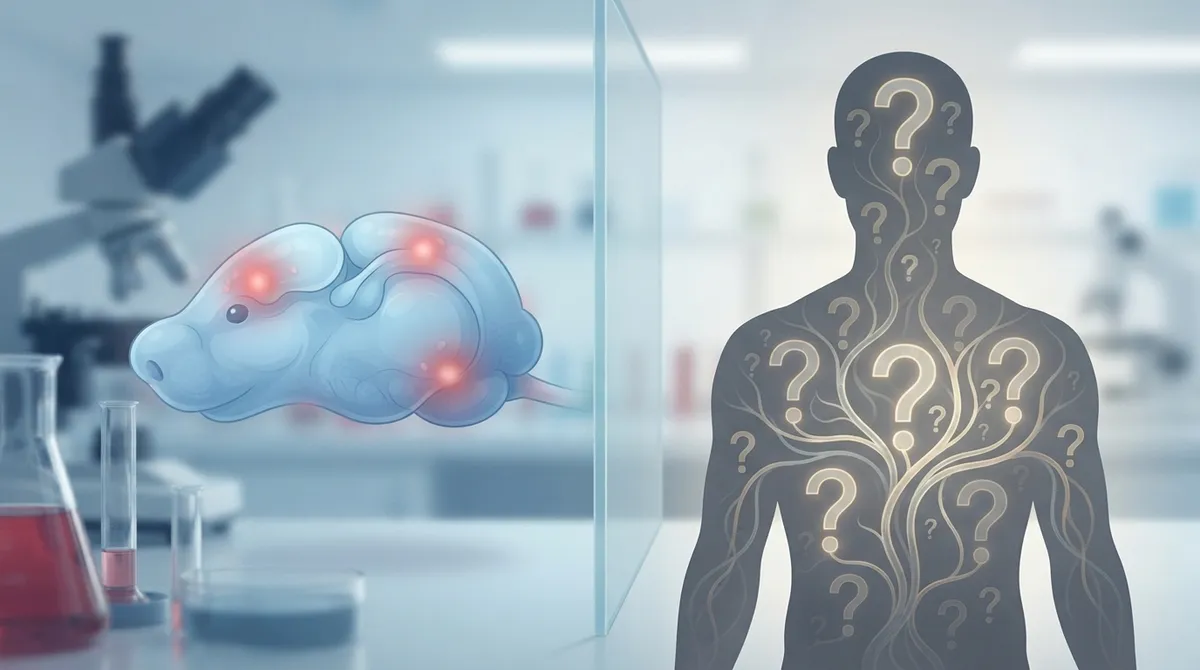
Key Takeaways
- BPC-157 lacks published human clinical trials for brain health claims; all evidence comes from animal studies, and no human trials confirm benefits for memory, mood, cognitive performance, or concussion recovery.
- BPC-157 is not FDA-approved for any brain-related condition and should only be considered under medical supervision, as unregulated products carry risks of inconsistent dosing, purity issues, and unknown long-term safety in humans.
- Animal studies show BPC-157 may reduce brain damage and improve early recovery after traumatic brain injury through mechanisms like reducing inflammation and supporting blood vessel formation, but these findings don't translate directly to human outcomes.
- The gut-brain axis connection is theoretical rather than proven; while BPC-157 shows healing properties in the gut, its indirect effects on brain function through this pathway remain an emerging area needing further research.
- Before considering any peptide therapy, ask your doctor whether human clinical evidence supports the specific use, review your full medical history and medications, and explore more evidence-based approaches like comprehensive metabolic testing and lifestyle evaluation.
- A comprehensive medical evaluation to identify underlying causes of brain fog, memory issues, or mood changes is safer and more evidence-based than self-directed BPC-157 use for addressing cognitive concerns.
Peptide therapy is one of the fastest-growing topics in wellness circles, and BPC-157 sits near the top of the list. Search interest in "bpc 157 for brain health" has climbed as biohackers, athletes, and curious patients ask whether this peptide can sharpen focus, protect memory, or aid recovery after a head injury. Before you consider trying it, it helps to understand what the science actually shows versus what marketing claims suggest.
At InCare, our approach to primary care and wellness is grounded in evidence and personalized guidance. This article breaks down what researchers have found about BPC-157 and the brain, what remains unproven, and how to think about experimental peptides responsibly.

What Is BPC-157?
BPC-157 is a synthetic peptide derived from a protein naturally found in gastric juice. It was originally studied for its ability to help heal the gut lining and support tissue repair. Over time, researchers began exploring whether its regenerative properties extend beyond the digestive system.
Because the body's gut and brain are closely connected through what scientists call the gut-brain axis, some researchers began asking a logical next question: could BPC-157 also influence brain tissue and function? This connection is part of why interest in BPC-157 for brain health has grown so quickly, even though the human research is still catching up.
How BPC-157 Is Thought to Work
Preclinical studies point to several possible mechanisms behind BPC-157's effects, including:
- Supporting blood vessel formation (angiogenesis) in damaged tissue
- Reducing inflammation at the site of injury
- Protecting cells from oxidative stress (cytoprotection)
- Interacting with neurotransmitter systems tied to mood and cognition
- Modulating signals along the gut-brain axis
These mechanisms sound promising, but it is important to remember that most of this evidence comes from animal models, not human clinical trials.

What the Research Actually Shows About BPC-157 and the Brain
The scientific literature on BPC-157 and brain health is almost entirely preclinical. That means the findings come from lab studies using mice, rats, or cell cultures rather than human patients. Here is a summary of key findings researchers have reported.
Study TypeModelReported FindingTraumatic brain injury studyMiceDoses of 10.0 µg and 10.0 ng/kg reduced brain damage and improved early recovery within 24 hoursHippocampal ischemia/reperfusion studyRatsCounteracted early and delayed neural damage; improved behavioral test performance at 24 and 72 hoursGut-brain axis review (2024)Mixed preclinical and limited human dataFavorable safety signals in preliminary human data, but efficacy data remain limitedCNS pharmacology review (2023)Preclinical modelsBroad effects observed in lab settings, but no established clinical benefit in humans
Traumatic Brain Injury and Recovery
One of the more frequently cited findings involves traumatic brain injury models in mice. Researchers observed reduced brain edema, less hemorrhagic injury, and lower mortality rates in animals given BPC-157 shortly after injury. Early recovery outcomes also appeared improved within the first 24 hours.
While these results are notable, they do not mean the same outcomes would occur in human concussion or brain injury patients. Human brains are far more complex, and clinical trials designed specifically for TBI recovery in people have not yet been published.
Ischemia and Behavioral Recovery in Animal Models
Other studies focused on hippocampal ischemia-reperfusion injury, which mimics reduced blood flow to the brain followed by its return, similar to what happens during a stroke. Rats given BPC-157 showed improved performance on behavioral tests at both 24 and 72 hours after the injury, along with reduced neural damage overall.
These findings are intriguing for researchers studying neuroprotection, but they represent early-stage science. No published human trials currently confirm similar protective effects after stroke or ischemic brain events in people.
The Gut-Brain Axis Connection
Much of the theoretical interest in BPC-157 for brain health stems from its documented effects on the gastrointestinal system. The gut and brain communicate constantly through nerve signals, hormones, and immune pathways. This relationship is sometimes called the gut-brain axis.
Because BPC-157 has demonstrated cytoprotective and healing properties in the gut, some researchers theorize it may influence brain function indirectly through this same communication network. This is an emerging area of study, and reviews on the topic describe it as a link worth exploring further, not a confirmed treatment pathway.
Why This Matters for Patients Asking About Brain Fog or Mood
Patients experiencing brain fog, low energy, or mood changes often look for root causes beyond the brain itself. Digestive health, inflammation, and metabolic function all play a role in how clearly a person thinks and feels day to day. This is one reason a comprehensive primary care evaluation matters more than jumping straight to an unproven peptide.
What Human Evidence Actually Exists
This is the most important section for anyone considering BPC-157 for brain-related concerns. Despite encouraging animal data, human clinical evidence remains extremely limited. Here is what current research confirms and what it does not.
- No published human trials currently confirm BPC-157 improves memory or cognitive performance.
- No published human trials exist specifically testing BPC-157 for depression or anxiety symptoms.
- Preliminary human safety data suggest a generally favorable tolerability profile, but this is not the same as proven effectiveness.
- BPC-157 is not FDA-approved for any brain health, mental health, or neurological indication.
- Claims about cognitive enhancement, mood stabilization, or neuroprotection in humans currently outpace the actual published research.
Reputable pharmacology reviews are direct about this gap. A 2023 CNS-focused review noted that broad preclinical effects do not establish clinical benefit in humans. Researchers consistently call for well-designed clinical trials before drawing conclusions about brain-related use in people.
Is BPC-157 Safe to Consider for Brain Health?
Safety is a separate question from effectiveness, and it deserves careful attention. Because BPC-157 is not FDA-approved, it is not manufactured or regulated the same way prescription medications are. This creates several important considerations.
- Product purity and dosing accuracy can vary significantly between suppliers
- Long-term safety data in humans is not yet established
- Interactions with existing medications or health conditions are not well studied
- Sourcing from unregulated markets carries contamination risks
- Self-administration without medical supervision increases risk of improper use
Anyone exploring peptide therapy, including BPC-157, should do so under the guidance of a licensed medical provider. This is not a supplement to order online and use without oversight. Our providers can walk through your full health picture, including whether any peptide therapy fits into a broader treatment plan.
Questions to Ask Before Considering Any Peptide Therapy
- What specific health goal am I trying to address?
- Is there human clinical evidence supporting this use, or only animal data?
- Has my provider reviewed my full medical history and current medications?
- What are the known risks, and how will progress be monitored?
- Is this treatment regulated, and where is the product sourced from?
Where BPC-157 Fits Into a Broader Wellness Conversation
Even though brain health claims remain unproven in humans, BPC-157 continues to be studied for tissue repair and recovery purposes in other contexts. Patients interested in peptide therapy in Tampa often ask about it alongside other recovery-focused treatments.
For patients specifically concerned about memory, focus, or mood, a more evidence-based path usually starts with a thorough evaluation. This might include bloodwork, hormone panels, or DNA gene testing to identify underlying factors contributing to cognitive symptoms.
Comparing Approaches to Brain Health Support
ApproachEvidence LevelRegulatory StatusBPC-157 for brain healthPreclinical (animal) onlyNot FDA-approvedComprehensive metabolic and hormone testingEstablished clinical evidenceStandard medical practiceIV hydration and vitamin therapySupportive evidence for hydration and nutrient statusAdministered under medical supervisionSleep, stress, and lifestyle evaluationStrong clinical evidence for cognitive functionCore primary care practice
Services like IV hydration and vitamin drips or body composition analysis offer more established, measurable ways to support overall wellness while researchers continue studying peptides like BPC-157.
How InCare Approaches Emerging Peptide Research
Patients often come across peptide therapy through social media or online forums before ever discussing it with a doctor. At InCare, we believe informed decisions start with an honest conversation about what the evidence actually supports. Our team stays current on the latest research so patients can make choices based on facts, not hype.
Whether you are curious about peptide therapy, need a comprehensive wellness evaluation, or want to explore medically supervised weight loss and other advanced services, our providers in Tampa and Riverview are here to help. Many patients also follow our updates and educational content on Facebook and Instagram to stay informed between visits.
Curious patients researching newer wellness trends can also find helpful tips through short-form content on platforms like TikTok, though we always recommend confirming any health claims with a licensed provider before trying a new treatment.
Final Thoughts on BPC-157 and Brain Health
The research on BPC-157 for brain health is genuinely interesting, but it remains in early, preclinical stages. Animal studies suggest possible neuroprotective effects after traumatic brain injury and ischemic events, and the gut-brain axis connection offers a plausible reason for continued research. However, no published human trials currently confirm benefits for memory, mood, anxiety, or cognitive performance.
If you are dealing with brain fog, memory concerns, or mood changes, the safest first step is a proper medical evaluation rather than self-directed peptide use. Our team can help identify what is actually driving your symptoms and build a treatment plan based on solid evidence. Patients in the Tampa Bay area consistently share their experiences, and you can visit us on Google — InCare to read what current patients say about their care.
Ready to talk through your options with a provider who prioritizes evidence-based care? Reach out to our team today or schedule your appointment now to start your evaluation at InCare.
FAQs
Q: What is BPC-157 and how does it relate to brain health?
A: BPC-157 is a synthetic peptide studied mainly in animal models for tissue repair and neuroprotective potential. Researchers believe it may interact with the gut-brain axis, but human evidence confirming brain health benefits is still lacking.
Q: Is there human evidence that BPC-157 improves memory or cognition?
A: No published human clinical trials currently confirm that BPC-157 improves memory, focus, or cognitive performance. Available evidence comes from animal studies, and well-designed human trials are still needed.
Q: Can BPC-157 help with traumatic brain injury or concussion recovery?
A: Animal studies have shown reduced brain damage and improved early recovery after traumatic brain injury, but these findings have not been replicated in human clinical trials. It should not be considered a proven treatment for concussion recovery.
Q: Is BPC-157 FDA-approved or prescribed by doctors for brain conditions?
A: BPC-157 is not FDA-approved for brain health, mental health, or any medical condition. It remains an experimental peptide, and any use should involve careful discussion with a licensed medical provider.
Q: What are the risks of using BPC-157 as a peptide supplement?
A: Risks include inconsistent product purity, unknown long-term safety, and limited data on interactions with medications or existing conditions. Sourcing from unregulated suppliers also increases the risk of contamination or inaccurate dosing.