Key Takeaways
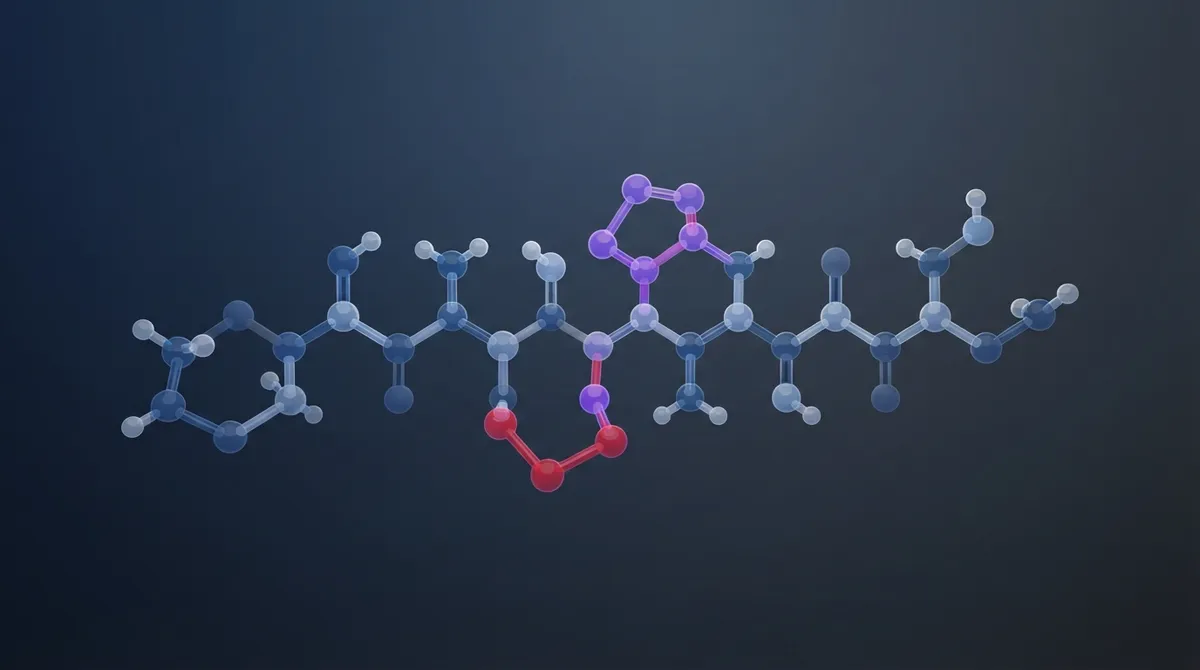
- BPC-157 is a 15-amino acid synthetic peptide with molecular formula C62H98N16O22 and weight of ~1419.55 g/mol, making it structurally smaller than proteins but larger than very short peptides like Ipamorelin.
- The peptide's proline-rich sequence (Gly-Glu-Pro-Pro-Pro-Gly-Lys-Pro-Ala-Asp-Asp-Ala-Gly-Leu-Val) contributes to reported structural stability by resisting enzyme and acid breakdown, though this is a chemistry fact, not a guaranteed clinical benefit.
- BPC-157 is a linear, single-chain peptide without disulfide bridges or glycosylation, distinguishing it structurally from larger, more complex proteins that fold into 3D shapes.
- Documented molecular structure alone does not prove specific health benefits; patients must separate structural chemistry facts from clinical evidence when evaluating peptide therapies with licensed providers.
- Before discussing BPC-157 with a provider, research its amino acid sequence and molecular formula, document health goals, disclose current medications, and ask about regulatory status and evidence quality.
- BPC-157 sits in a unique middle range among wellness peptides: larger than pentapeptides like Ipamorelin (5 amino acids) but much smaller than longer chains like Thymosin Beta-4 (43 amino acids).
Patients researching wellness treatments often stumble across scientific terms that sound complicated at first glance. The BPC-157 molecular structure is one of those topics that mixes chemistry with real-world wellness questions. If you have heard about this peptide from a friend, a fitness forum, or a wellness clinic, you may be wondering what makes it different from other peptides used in modern care. This article breaks down the science in plain language and compares BPC-157's structure to other common peptides, so you can understand what you are actually asking about when you bring it up during a consultation.
At InCare, our providers in Tampa and Riverview believe patients deserve clear, honest information before making decisions about their health. This guide walks through the chemistry, the amino acid sequence, and how BPC-157's structure compares to other peptides you may encounter in wellness conversations.

What Is BPC-157, Chemically Speaking?
BPC-157 is a synthetic peptide made of just 15 amino acids. Scientists call this type of chain a pentadecapeptide, which simply means a linear string of 15 building blocks. It was first described in scientific literature back in 1993 by researcher Sikiric and colleagues, and it has been studied ever since.
The peptide is described as a partial sequence taken from a protein found in human gastric juice. Because of this origin, some researchers have looked into how the digestive tract's natural chemistry might relate to the peptide's stability and behavior in the body.
The Amino Acid Sequence Explained
BPC-157 follows this exact order of amino acids: Gly-Glu-Pro-Pro-Pro-Gly-Lys-Pro-Ala-Asp-Asp-Ala-Gly-Leu-Val. Each three-letter code stands for a specific amino acid, the small molecules that link together to form proteins and peptides.
Notice how many times "Pro" (proline) shows up in that sequence. This peptide is considered proline-rich, and that detail matters more than you might think.

Molecular Formula and Weight: The Hard Numbers
If you look up BPC-157 in a chemical database like PubChem, you will find its molecular formula listed as C62H98N16O22. This tells chemists exactly how many carbon, hydrogen, nitrogen, and oxygen atoms make up one molecule of the peptide.
The molecular weight is commonly reported at about 1419.55 grams per mole, sometimes written as 1419.5 Daltons. This number matters because it helps researchers understand how the peptide moves through the body and how quickly it may break down.
PropertyValueNumber of Amino Acids15 (pentadecapeptide)Molecular FormulaC62H98N16O22Molecular Weight~1419.55 g/molStructure TypeLinear, single-chainDisulfide BridgesNoneGlycosylationNon-glycosylatedFirst Described1993
Is BPC-157 a Peptide or a Protein?
This is one of the most common questions patients ask. The answer is straightforward: BPC-157 is a peptide, not a protein. Proteins are typically made of 50 or more amino acids folded into complex 3D shapes. Peptides, on the other hand, are shorter chains, usually under 50 amino acids.
With only 15 amino acids, BPC-157 falls firmly into the peptide category. It is also described as single-chain and non-glycosylated, meaning it does not have sugar molecules attached to it the way many larger proteins do. It also lacks disulfide bridges, which are chemical bonds that give many proteins their folded, three-dimensional shape.
Why Structure Affects Stability
The proline-rich nature of BPC-157 is often cited as a reason for its reported stability. Proline has a unique ring-shaped structure that can make a peptide chain more resistant to breakdown by enzymes and acidic environments.
This structural feature is one reason researchers have been curious about how BPC-157 behaves once it enters the digestive system, where stomach acid and enzymes typically break down most peptides very quickly.
BPC-157 vs. Other Common Wellness Peptides: A Structural Comparison
To understand where BPC-157 fits into the bigger picture, it helps to compare its structure against other peptides that patients frequently ask about during wellness visits.
PeptideAmino Acid CountStructure NotesBPC-15715Linear, proline-rich, no disulfide bondsThymosin Beta-4 (TB-500)43Larger single-chain peptideCJC-129529-30Modified growth hormone-releasing sequenceIpamorelin5Very short pentapeptideSemaglutide31Modified GLP-1 analog with fatty acid chain
As you can see, BPC-157 sits in the middle range of peptide size. It is larger than very short peptides like Ipamorelin, but much smaller than proteins or longer peptide chains. This mid-size, proline-rich design is part of what makes it a frequent topic of discussion in wellness circles. For a deeper look at how it compares to other options, you can read our detailed breakdown on how a BPC-157 comparison guides smarter choices.
How Structure Relates to Proposed Wellness Uses
Patients often ask how a peptide's chemical makeup connects to the reasons people discuss it in wellness settings. The proline-rich, stable structure of BPC-157 is frequently mentioned alongside its use in discussions about tissue support and recovery-focused wellness routines.
It is important to separate structural facts from proven clinical outcomes. Knowing the molecular formula does not automatically confirm specific health benefits. This distinction matters greatly when you are having an informed conversation with a licensed provider.
Key Points to Remember About Structure vs. Clinical Evidence
- BPC-157's molecular formula and weight are well documented in chemical databases.
- Its amino acid sequence has been consistently reported across scientific literature since 1993.
- Structural stability, linked to its proline content, is a chemistry fact, not a guarantee of results.
- Clinical research on humans remains limited compared to laboratory and animal studies.
- Regulatory status varies, and patients should always discuss current guidelines with a licensed provider.
Steps to Take Before Discussing Any Peptide With Your Provider
If you are curious about BPC-157 or any peptide-related topic, preparation helps you get more out of your appointment. Here is a simple approach to follow.
- Write down your specific health goals and concerns before your visit.
- Research the basic chemistry, like the molecular formula and amino acid sequence, so you can ask informed questions.
- Bring a list of current medications and supplements to avoid interactions.
- Ask your provider about current regulatory status and evidence quality.
- Discuss alternative options that may fit your goals through primary care services.
- Schedule a follow-up to review any test results or bloodwork tied to your wellness plan.
Why Patients Ask About Peptide Chemistry
Understanding molecular structure gives patients a sense of control over their health decisions. Many people researching wellness options want to know exactly what they are putting into their bodies, down to the atomic level.
This curiosity lines up well with a broader shift toward proactive, informed healthcare. Tech-savvy patients and wellness seekers increasingly want to understand the "why" behind a treatment, not just the "what."
- Knowing the amino acid sequence helps you understand what makes one peptide different from another.
- Understanding molecular weight can clarify how a substance may behave once absorbed.
- Recognizing structural features like proline content explains claims about stability.
- Being aware of what is and is not proven helps you set realistic expectations.
- Discussing chemistry with a provider ensures you get accurate, personalized guidance.
The Role of Comprehensive Primary Care in Wellness Decisions
Peptide-related questions rarely exist in isolation. They usually connect to broader goals like recovery, energy, weight management, or healthy aging. This is why a comprehensive approach to care matters so much.
At InCare, patients can explore a wide range of connected services, including DNA gene testing to understand personal health predispositions, body composition analysis to track physical changes over time, and IV hydration and vitamin drips for additional wellness support. These services work together to build a fuller picture of your health, rather than looking at any single treatment in isolation.
Our providers, including those featured on our providers page, take time to explain the science behind any treatment discussion. This includes helping patients separate marketing claims from documented chemistry and evidence-based practice.
Common Mistakes Patients Make When Researching Peptides
- Assuming a documented molecular structure proves a specific health benefit.
- Confusing peptides with proteins due to their similar-sounding chemistry.
- Skipping conversations with a licensed provider before trying a new wellness approach.
- Overlooking current regulatory status and quality control standards.
- Relying only on social media claims instead of peer-reviewed sources.
What Sets a Trusted Wellness Clinic Apart
Choosing where to have these conversations matters as much as the questions themselves. A trusted clinic should offer clear answers, transparent information, and a team that stays current with research.
Patients in Tampa and Riverview consistently share their experiences with our team. You can visit us on Google — InCare to read real reviews from patients who have discussed wellness options with our providers. InCare maintains a 4.8 out of 5 rating from hundreds of reviews, reflecting a strong commitment to honest, patient-first communication.
You can also connect with us through Facebook, Instagram, and Tik Tok for ongoing wellness tips and clinic updates.
Bringing It All Together
The BPC-157 molecular structure is a well-documented chemical fact: 15 amino acids, a specific formula of C62H98N16O22, and a weight of about 1419.55 g/mol. Comparing this structure to other peptides shows it sits in a unique middle ground, smaller than many growth-related peptides but larger than the shortest ones like Ipamorelin.
Structure alone does not answer every question about safety or effectiveness. That is why working with a knowledgeable primary care team matters so much when navigating any peptide-related conversation. Our peptide therapy resources in Tampa and detailed guides like 7 Facts About BPC-157 Every Wellness Patient Should Know can help you dig deeper before your appointment.
Ready to have an informed conversation about your wellness goals? Book your appointment with InCare today and get clear, science-based answers from a team that puts your health first. You can also contact our Tampa or Riverview office with any questions before your visit.
FAQs
Q: What is the molecular structure of BPC-157?
A: BPC-157 is a synthetic linear peptide made of 15 amino acids, with the molecular formula C62H98N16O22. It has no disulfide bridges and is not glycosylated, making it a relatively simple, stable peptide chain.
Q: What is the amino acid sequence of BPC-157?
A: The sequence is Gly-Glu-Pro-Pro-Pro-Gly-Lys-Pro-Ala-Asp-Asp-Ala-Gly-Leu-Val. This proline-rich order is often cited as a reason for the peptide's reported structural stability.
Q: Is BPC-157 a peptide or a protein?
A: BPC-157 is classified as a peptide, not a protein, because it contains only 15 amino acids. Proteins typically consist of far longer, more complex folded chains.
Q: What is the molecular weight of BPC-157?
A: Its commonly reported molecular weight is approximately 1419.55 grams per mole, sometimes expressed as 1419.5 Daltons in pharmacokinetic studies.
Q: Why is BPC-157 considered stable compared to other peptides?
A: Its proline-rich structure is often referenced as a contributing factor to stability, since proline's ring shape can help resist breakdown by digestive enzymes and acidic environments. This is a structural observation and not a confirmed clinical benefit.