Key Takeaways
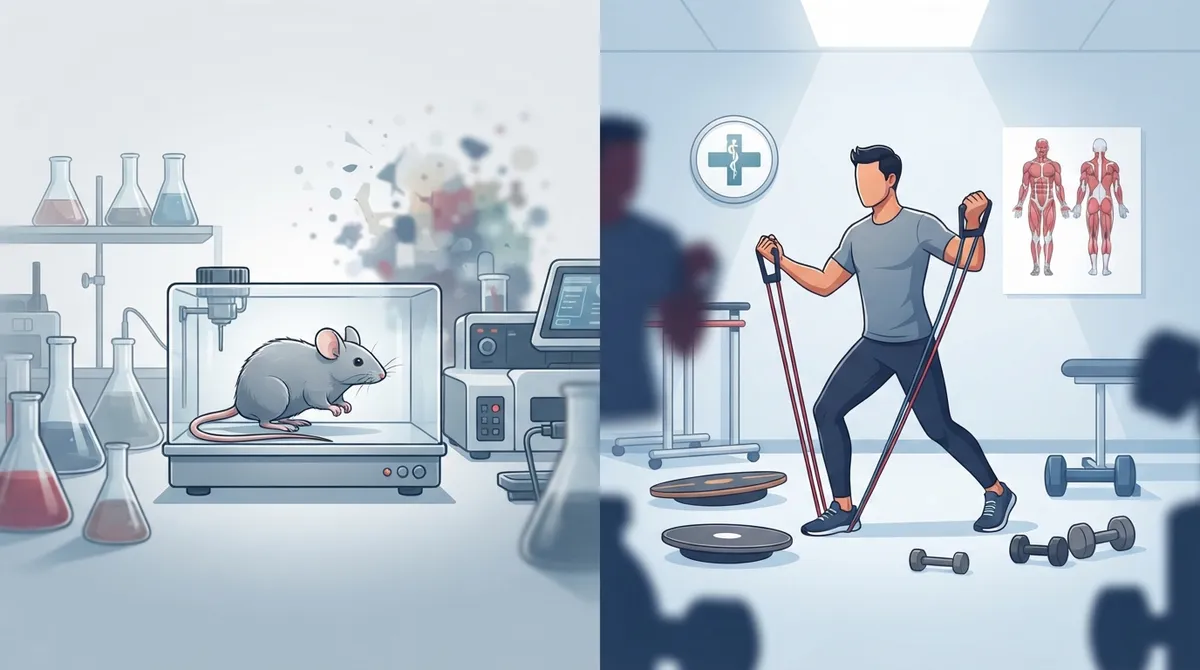
- BPC-157 lacks FDA approval and human clinical trials; most evidence comes from animal studies that don't reliably translate to proven human benefits, making it investigational rather than medically established.
- PRP therapy and structured physical therapy have significantly stronger clinical research support than BPC-157 or TB-500, making them more reliable options for most musculoskeletal injuries and recovery goals.
- Products sold online may contain unstandardized dosing, untested purity, and unknown safety profiles; consult a licensed provider before trying any peptide therapy to avoid unproven treatments with undocumented risks.
- The 2024 FDA review found insufficient evidence for BPC-157's use in ulcerative colitis and other conditions, reinforcing that current data does not support routine clinical use for gut healing or inflammatory conditions.
If you have searched online for recovery options, you have likely come across BPC-157. Wellness forums often praise it. Peptide blogs promise fast healing. But a careful bpc 157 comparison against other options tells a more balanced story. Before you make any decisions about your health, it helps to understand what the research actually shows.
This guide breaks down how BPC-157 stacks up against other recovery approaches like PRP, TB-500, and standard rehabilitation. We will look at the evidence, the risks, and the questions you should ask before trying any peptide therapy. Whether you are a busy parent managing a nagging injury or someone exploring advanced wellness options, this comparison will help you make an informed choice with your primary care provider.

1. Understand What BPC-157 Actually Is
BPC-157 is a synthetic peptide made of 15 amino acids. Scientists first studied it as a gastric pentadecapeptide, meaning it was originally linked to stomach lining protection. Over time, wellness marketers began promoting it for tissue repair, joint pain, and general recovery.
Most of the excitement around BPC-157 comes from animal and lab studies. These preclinical studies point to possible effects on wound healing, blood vessel growth, and inflammation control. However, promising lab results do not always translate into proven benefits for humans.

2. Compare the Evidence Quality Across Options
When making any bpc 157 comparison, evidence quality matters most. Here is how the research stacks up for common recovery approaches:
TherapyEvidence TypeHuman Trial StrengthRegulatory StatusBPC-157Preclinical (animal, lab)Very limitedNot FDA-approvedPRP (Platelet-Rich Plasma)Clinical and preclinicalModerate to strong for some usesUsed off-label, physician-administeredTB-500Preclinical (animal, lab)Very limitedNot FDA-approvedPhysical TherapyExtensive clinical researchStrongStandard of care
As the table shows, BPC-157 and TB-500 share a similar problem. Both rely mostly on animal studies rather than large human trials. PRP and physical therapy, by contrast, have more established clinical support.
3. BPC-157 vs. TB-500: What Sets Them Apart
People often ask what is BPC-157 compared with TB-500. Both are peptides studied for tissue repair, but they work differently in lab models.
- BPC-157 is linked to gut lining protection and localized healing in preclinical studies.
- TB-500 is derived from a protein called thymosin beta-4 and has been studied for its effects on cell movement and tissue remodeling.
- Neither peptide has strong, well-designed human trials confirming safety or effectiveness.
- Both are commonly discussed together in wellness circles, but this does not mean either is medically approved.
For more background on how peptides are studied and regulated, our article on what peptides are and why they matter covers the basics in simple terms.
4. BPC-157 vs. PRP: Local Healing vs. Systemic Claims
Another common question is how does BPC-157 compare with PRP therapy. PRP, or platelet-rich plasma, uses a patient's own blood components to encourage healing at an injury site.
- PRP is injected directly into the injured area under medical supervision.
- PRP has more clinical studies supporting its use for certain joint and tendon issues.
- BPC-157 is often marketed for both local and systemic effects, but these broader claims rest on theory, not strong human data.
- PRP requires a blood draw and processing, while BPC-157 is typically taken orally or by injection.
- A licensed provider should always guide any decision between these two approaches.
Because PRP has clearer clinical grounding, many primary care and wellness providers consider it a more established option for certain recovery goals.
5. Oral Capsules vs. Injections: Which Is Discussed More Often
People frequently ask if BPC-157 is better as injections or oral supplements for recovery. The honest answer is that neither route has strong human trial support.
- Oral capsules are often described as easier and more convenient to use.
- Injections are theorized to offer greater systemic exposure, but this idea is based mostly on preclinical research.
- Absorption and effectiveness in humans remain unclear for both methods.
- Route of administration should never replace a conversation with a qualified medical provider.
6. What the Research Says About Tendon and Ligament Healing
A common question is what does research say about BPC-157 for tendon and ligament healing. Some animal studies suggest effects on collagen formation and blood vessel growth near injured tissue. A 2021 review published in Frontiers in Pharmacology discussed these preclinical wound-healing effects in detail.
However, no large, well-designed randomized controlled human trials have confirmed these effects in people. A 2025 narrative review stated that BPC-157 should be considered investigational until proper clinical trials are completed. This means patients should not assume lab results will apply the same way in real-world recovery.
7. Regulatory Status and Safety Concerns
Many readers want to know if BPC-157 is FDA approved or safe for human use. It is not. The FDA has not approved BPC-157 for any medical condition, including musculoskeletal injury or gut healing.
In 2024, an FDA briefing document reviewed available data on BPC-157 for ulcerative colitis. The conclusion was clear: there was not enough evidence to support its use for that condition. This reinforces the broader regulatory stance that current data does not support routine clinical use.
Key Risks to Consider
- Lack of standardized dosing guidelines backed by human trials.
- Unknown long-term safety profile in people.
- Products sold online may not be tested for purity or accurate labeling.
- Potential interactions with other medications or conditions are not well studied.
8. BPC-157 vs. Standard Physical Therapy and Rehabilitation
Another frequent question is how BPC-157 compares with standard physical therapy and rehabilitation. Physical therapy has decades of clinical research behind it. It uses structured exercises, manual therapy, and progressive loading to restore function safely.
BPC-157, by comparison, has no equivalent body of human evidence. For most musculoskeletal injuries, a personalized rehabilitation plan guided by a medical provider remains the more reliable path. Learn more about how a primary care provider can help coordinate a recovery plan that fits your specific needs.
9. Can BPC-157 Help With Gut Healing or Inflammatory Bowel Conditions
Some wellness content suggests BPC-157 may help with gut healing or inflammatory bowel conditions. This idea stems from its original discovery as a gastric peptide studied in animal models.
However, the 2024 FDA review of BPC-157 for ulcerative colitis found insufficient evidence to support this use. Anyone managing digestive symptoms should speak with a licensed provider rather than relying on unproven peptide therapies. A thorough evaluation through comprehensive primary care is a safer first step for gut-related concerns.
How InCare Approaches Peptide Questions and Whole-Body Wellness
At InCare, our providers believe patients deserve honest, evidence-based guidance. Rather than pushing unproven trends, our team focuses on approaches backed by solid research and tailored to your specific health goals. If you are curious about peptide therapy options, our peptide therapy program in Tampa offers a medically supervised path forward.
We also combine advanced diagnostic tools like DNA gene testing and body composition analysis to build a full picture of your health before recommending any treatment. This whole-body approach helps you avoid guesswork and focus on what actually works for your body.
Questions to Ask Before Trying Any Peptide Therapy
- What human clinical evidence supports this specific peptide?
- Is this treatment FDA-approved for my condition?
- What are the known risks and side effects?
- How does this option compare with established treatments like PRP or physical therapy?
- Is the product tested for purity and accurate dosing?
Bringing these questions to a licensed provider ensures you get a clear, honest answer instead of marketing claims. Our team at InCare has locations in Tampa and Riverview, Florida, ready to help you sort through these options with expert guidance.
Patients often share their experiences with our clinic on social platforms. You can follow our latest wellness updates on Facebook, see behind-the-scenes clinic content on Instagram, and catch quick health tips on Tik Tok. For a firsthand look at what our patients say, you can also visit us on Google — InCare to read real reviews from the Tampa and Riverview community.
Making a Safe, Informed Decision
A thoughtful bpc 157 comparison should never rest on marketing claims alone. The strongest evidence for BPC-157 remains preclinical, and human research is still catching up. Options like PRP and structured physical therapy currently offer more established clinical support for many recovery goals.
If you are dealing with an injury, chronic pain, or gut health concerns, the safest first step is a conversation with a trusted provider. Our team can review your history, discuss realistic options, and help you avoid unproven treatments that carry unknown risks.
Ready to get expert guidance on your recovery and wellness goals? Reach out to our InCare team today or schedule your appointment now to start building a personalized, evidence-based health plan.
FAQs
Q: What is BPC-157 compared with TB-500?
A: Both are peptides studied mainly in animals for tissue repair, but they work through different biological pathways. Neither has strong human clinical trials confirming safety or effectiveness, so both should be viewed as investigational.
Q: How does BPC-157 compare with PRP therapy?
A: PRP has more clinical research supporting its use for certain joint and tendon conditions, while BPC-157 relies mostly on preclinical animal studies. A licensed provider can help determine which option, if any, fits your specific situation.
Q: Is BPC-157 FDA approved or safe for human use?
A: No, BPC-157 is not FDA-approved for any medical condition. A 2024 FDA briefing document found insufficient evidence to support its use even for ulcerative colitis, reinforcing its investigational status.
Q: What does research say about BPC-157 for tendon and ligament healing?
A: Animal studies suggest possible effects on collagen formation and blood vessel growth, but no large human trials confirm these benefits. Experts recommend treating BPC-157 as investigational until well-designed clinical trials are completed.
Q: Can BPC-157 help with gut healing or inflammatory bowel conditions?
A: Current evidence does not support this use in humans. The FDA specifically reviewed BPC-157 for ulcerative colitis in 2024 and concluded the available data was insufficient.