Key Takeaways
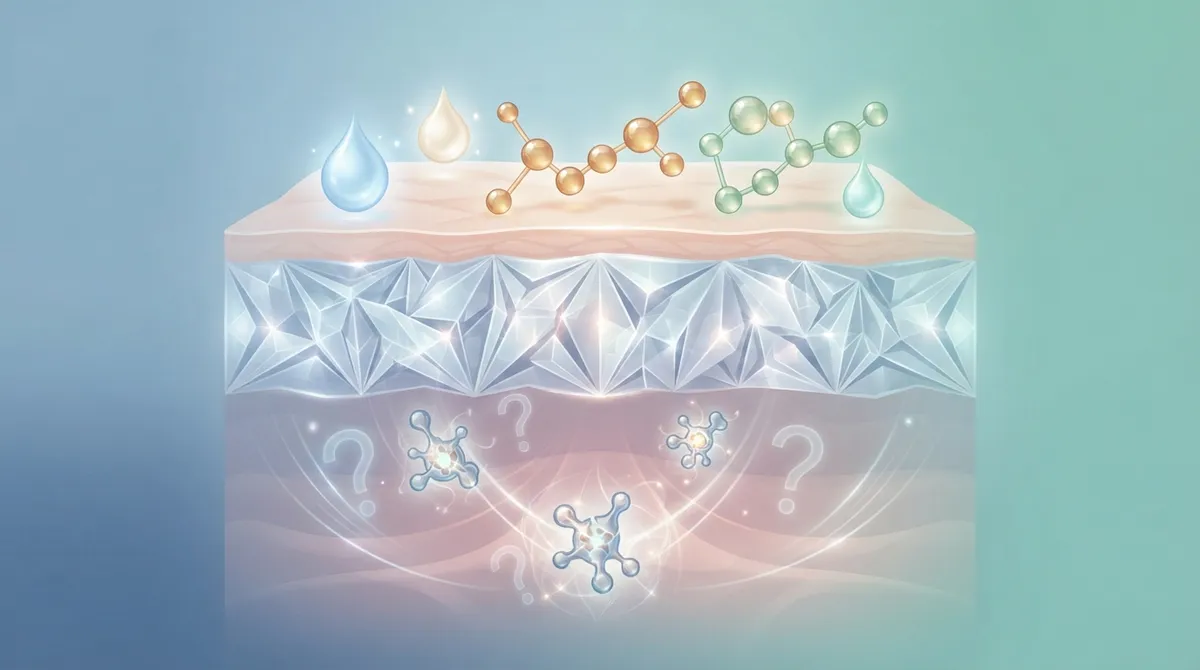
- KPV lacks human clinical trial evidence—most research is limited to cell cultures and animal models, so claims about treating sensitive skin are not yet scientifically proven in people.
- KPV is not FDA-approved for any skin condition, and unregulated online products raise serious concerns about purity, sterility, and actual peptide concentration that could worsen sensitive skin.
- Established treatments like fragrance-free moisturizers, trigger avoidance, topical corticosteroids, and calcineurin inhibitors have years of clinical evidence and should not be replaced with experimental KPV products.
- Even if KPV showed promise in labs, getting it through the skin barrier topically is extremely difficult with negligible absorption, requiring experimental delivery methods like iontophoresis that haven't been proven safe for routine use.
If you have searched for "KPV sensitive skin" online, you have probably seen bold claims about a peptide that can calm redness, soothe irritation, and fix reactive skin fast. But what does the science actually say? Sensitive skin affects millions of people, and it is understandable to want a simple answer. Before you spend money on an experimental peptide, it helps to understand what KPV really is, what the research shows, and what proven options already exist for reactive skin.
At InCare, patients across Tampa and Riverview often ask about trending wellness topics like peptide therapy. This guide breaks down nine facts about KPV and sensitive skin so you can make an informed decision with your clinician, not just a marketing headline.
1. KPV Is a Small Peptide Built From Three Amino Acids
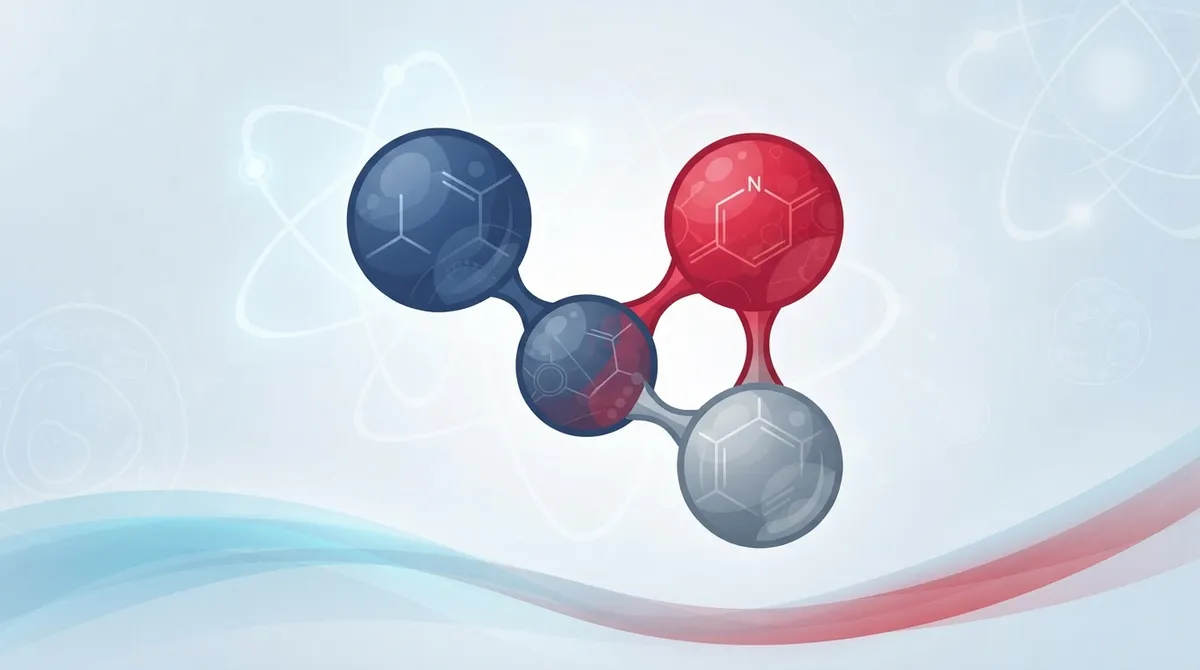
KPV stands for lysine, proline, and valine. These are the three amino acids that make up this tripeptide. It comes from a larger hormone called alpha-melanocyte-stimulating hormone, or α-MSH. Researchers became interested in KPV because α-MSH itself has been linked to calming inflammation in the body.
Because KPV is such a small fragment, scientists have studied whether it keeps some of the anti-inflammatory activity of the larger hormone. This is an interesting area of research, but small size does not automatically mean it is proven safe or effective for skin care.

2. Laboratory Studies Suggest It May Affect Inflammation Pathways
Early lab research indicates that KPV might influence certain inflammatory signals in the body. These include a protein called NF-κB and cytokines such as interleukin-1β, TNF-α, IL-6, and IL-8. These are all chemical messengers involved in inflammation and immune response.
This sounds promising on paper. However, these studies were done in cell cultures and animal models, not in people with sensitive or reactive skin. A reaction seen in a petri dish or a mouse does not always translate to a safe or effective human treatment.
3. Most Research Is Preclinical, Not Human Clinical Trials
This is one of the most important facts to understand. The bulk of KPV research so far comes from:
- Keratinocyte cell cultures grown in a lab
- Excised human skin samples tested outside the body
- Mouse models of contact hypersensitivity and eczema-like skin conditions
These types of studies are useful for generating early hypotheses. They are not a replacement for large, randomized clinical trials in real patients. As of now, there is no well-established, peer-reviewed human trial proving that KPV treats sensitive skin conditions.
4. Animal Studies Show Interesting but Limited Results
Some animal research has produced notable numbers. In one mouse model of contact hypersensitivity, a topical KPV-related treatment reduced skin swelling by about 38 percent and lowered a marker called IL-17A by around 52 percent.
In a separate mouse study modeling eczema-like skin, researchers found roughly:
- 38 percent lower water loss through the skin
- 31 percent thinner epidermal layer compared to untreated skin
- 45 percent less scratching behavior versus a control group
These are meaningful findings for scientists studying inflammation. But mice are not people, and these percentages should never be treated as a guarantee of results in humans. There is currently no confirmed human dose or expected benefit based on this animal data.
5. Getting KPV Through the Skin Is a Real Challenge
Even if KPV shows promise in a lab setting, there is a practical problem: getting it into the skin. A 2017 study published in the Journal of Pharmaceutical Sciences examined how KPV moves through excised human skin. Researchers found that simply applying it topically produced very little absorption, described as negligible flux.
To improve delivery, scientists tested methods like iontophoresis, which uses a mild electrical current to push the peptide through the skin barrier. This method has only been tested experimentally. It has not been proven effective or safe as a routine clinical treatment for sensitive skin.
6. No Approval Exists for KPV as a Skin Treatment
This is a critical safety point. Based on current research, KPV is not approved by the U.S. Food and Drug Administration or the European Medicines Agency for treating sensitive skin, eczema, psoriasis, rosacea, acne, or contact dermatitis.
Products marketed online as KPV creams, serums, or injections may be labeled as compounded items or research chemicals. This raises real concerns about:
- Purity and actual peptide concentration
- Sterility, especially for injectable products
- Accurate labeling of ingredients and dosage
- Lack of regulatory oversight or quality testing
Buying an unregulated product for your skin carries real risk, especially if your skin is already sensitive or inflamed.
7. KPV Should Not Replace Proven Sensitive Skin Treatments
It can be tempting to try a trending peptide instead of established treatments. However, KPV should not replace options that already have strong evidence behind them, including:
|
Proven Approach |
What It Does |
|---|---|
|
Fragrance-free moisturizers |
Rebuilds the skin barrier and reduces daily irritation |
|
Trigger avoidance |
Limits exposure to soaps, heat, or fabrics that cause flare-ups |
|
Topical corticosteroids |
Reduces inflammation during active flare-ups, used under guidance |
|
Calcineurin inhibitors |
Manages chronic inflammation without long-term steroid use |
|
Clinician-directed treatment plans |
Tailors care to your specific skin condition and history |
These options have years of clinical data behind them. If you struggle with rosacea, eczema, or reactive skin, a conversation with your primary care provider is a safer starting point than an unproven peptide.
8. Caution Is Especially Important for Already Sensitive or Inflamed Skin
If your skin is already irritated, inflamed, or reactive, you need to be extra careful with any experimental product. This applies strongly to injectable or compounded KPV preparations, since these carry more risk than a topical cream.
Keep in mind these safety points:
- A patch test can reduce some risk, but it cannot guarantee full safety.
- Worsening redness, burning, or swelling after use is a warning sign.
- Hives or signs of an allergic reaction need prompt medical attention.
- Any sign of infection at an injection or application site should be checked immediately.
- Eye involvement, such as irritation near the eyes, always warrants medical evaluation.
If you notice any of these signs, do not wait. Reach out to a clinician right away rather than continuing to use the product.
9. Your Primary Care Provider Can Help You Sort Fact From Marketing
With so many wellness trends online, it can be hard to know what is backed by real science. This is where a trusted primary care relationship becomes valuable. A clinician can review your skin history, current medications, and overall health before recommending any treatment path.
At InCare, our providers in Tampa and Riverview take time to walk through your options, whether that means adjusting your skincare routine, addressing an underlying condition, or exploring other peptide therapy options that have stronger clinical backing. We also offer services like DNA gene testing and body composition analysis for patients who want a broader, whole-body approach to wellness.
What This Means for Your Sensitive Skin Routine
The honest answer about KPV and sensitive skin is this: the science is still early. Lab and animal studies raise interesting questions, but human evidence is missing. Until stronger clinical trials exist, it makes sense to rely on treatments with a proven track record and to loop in your healthcare provider before trying anything new.
If you are dealing with ongoing skin irritation, rosacea flare-ups, or unexplained sensitivity, it may also be worth a broader health check. Sometimes skin reactions are tied to other factors like hormone changes, diet, or immune function. A wellness visit can help identify patterns you might not catch on your own.
Questions to Ask Before Trying Any New Peptide Product
Before adding any experimental peptide to your routine, walk through these questions:
- Has this ingredient been tested in real human clinical trials?
- Is the product sold by a source with quality testing and clear labeling?
- Does my clinician know I am considering this treatment?
- Am I replacing a proven treatment with something unproven?
- What would I do if I had a reaction?
Answering these honestly can help you avoid wasted money and unnecessary risk. Many patients find that a conversation with a provider clears up more confusion than hours of online research.
Curious patients in the Tampa Bay area can also see how other patients talk about their experience with our team by checking out InCare reviews on Google. We also share updates on wellness topics like this one through Facebook, Instagram, and TikTok.
Final Thoughts on KPV and Sensitive Skin
KPV is an interesting compound in early-stage research, but it is not a proven treatment for sensitive skin, eczema, rosacea, or acne. The strongest evidence still points to moisturizers, trigger avoidance, and clinician-directed care as the safest path forward. If you want a personalized plan for your skin and overall wellness, our team at InCare is ready to help. Book your visit today and get answers based on real evidence, not internet trends.
FAQs
Q: What is KPV peptide and how might it affect sensitive skin?
A: KPV is a tripeptide made of lysine, proline, and valine, derived from alpha-melanocyte-stimulating hormone. Laboratory and animal research suggests it may influence inflammatory pathways, but no human clinical trial has confirmed a benefit for sensitive skin conditions.
Q: Is KPV clinically proven to treat eczema or dermatitis?
A: No. Current evidence for eczema and dermatitis comes mainly from cell culture and animal studies, not human clinical trials. KPV should not be considered a proven treatment for these conditions at this time.
Q: Is KPV FDA-approved or available as a prescription skin treatment?
A: KPV is not approved by the FDA or the European Medicines Agency for any dermatologic use. Products sold online are often compounded or labeled as research chemicals, which raises concerns about purity and safety.
Q: How well does KPV penetrate the skin when applied topically?
A: Research from a 2017 study found that passive topical application of KPV resulted in very limited skin absorption. Experimental delivery methods like iontophoresis have been tested, but they are not established for clinical use.
Q: What are safer, evidence-based treatments for sensitive or reactive skin?
A: Fragrance-free moisturizers, avoiding known triggers, topical corticosteroids, and calcineurin inhibitors all have stronger clinical evidence. Working with a primary care provider or dermatologist helps ensure your treatment plan fits your specific skin needs.