
Key Takeaways
- KPV lacks any human clinical trials and FDA approval—all evidence comes from lab cells and animal models, making claims about autoimmune benefits unsubstantiated and potentially risky.
- Combining unapproved peptides like KPV with prescribed immune medications (biologics, corticosteroids, immunosuppressants) is especially dangerous since drug interactions have never been studied in humans.
- Products labeled 'research use only' are not tested for purity or safety at pharmaceutical standards, and manufacturing quality varies widely, creating contamination and inconsistency risks.
- Primary care evaluation with bloodwork and specialist referral, combined with proven strategies like consistent medication adherence, sleep, anti-inflammatory diet, and stress management, offer evidence-based alternatives to unproven peptides.
Search interest in KPV autoimmune support has grown fast among people managing joint pain, gut issues, and skin flare-ups. Many are looking for anything that might calm inflammation without more medication. But before you consider a peptide with limited human research, you deserve clear facts, not marketing hype.
This guide breaks down what KPV actually is, what the science really shows, and why primary care remains the safest starting point for autoimmune concerns. Whether you are a busy parent juggling symptoms, a wellness-focused professional researching new options, or someone who has never had a steady doctor, this information can help you make a smarter, safer decision.

1. What Is KPV and Where Does It Come From
KPV stands for Lys-Pro-Val, a tiny chain of three amino acids: lysine, proline, and valine. It comes from a larger hormone called alpha-melanocyte-stimulating hormone, or alpha-MSH, which plays a role in regulating inflammation in the body.
Because it is so small, KPV is classified as a tripeptide. Researchers first became interested in it because alpha-MSH itself showed anti-inflammatory effects in lab studies. Scientists wanted to know if just this small fragment could do the same job with fewer side effects.
- KPV is not a hormone itself, but a piece of one
- It is studied mainly in cell cultures and animal models
- It is sold online as a "research chemical," not a medicine
- It has not gone through FDA drug approval trials in humans
2. How KPV May Affect Inflammation
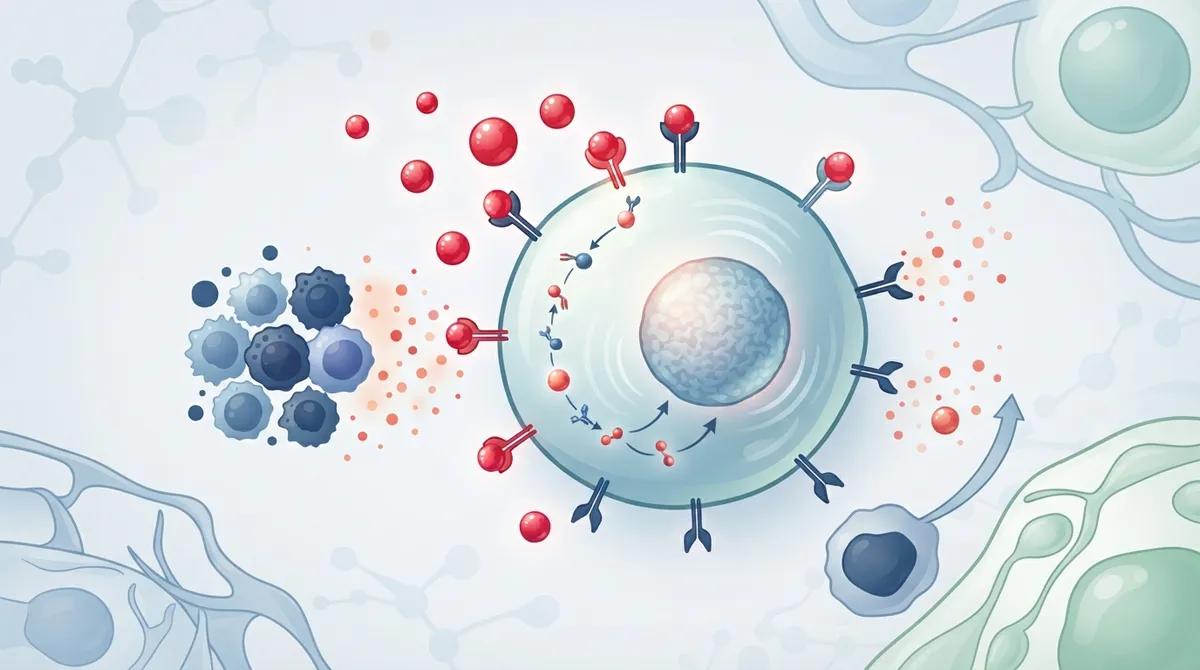
Laboratory research suggests KPV may reduce signals that drive inflammation in the body. Scientists have looked at its effects on a pathway called NF-κB, which acts like a switch that turns inflammation on and off.
Studies also point to changes in specific inflammatory messengers, including TNF-α, IL-1, IL-6, IL-8, and interferon-γ. These are chemical signals the immune system uses to communicate during a flare-up or infection.
It's important to understand these findings come from cells in a dish or animals in a lab, not from people. A 2021 peer-reviewed review of alpha-MSH-related peptides described these anti-inflammatory effects in preclinical models, including studies on intestinal and skin inflammation. That review did not show proof that KPV works the same way in human patients.
3. Conditions Studied in Preclinical KPV Research
Researchers have tested KPV in several animal and lab models related to inflammation. Here is a quick look at where interest has focused so far.
|
Area of Study |
What Was Tested |
Human Evidence Available |
|---|---|---|
|
Intestinal inflammation |
Colitis models in animals |
None identified |
|
Skin inflammation |
Dermatitis models |
None identified |
|
Respiratory inflammation |
Lung inflammation models |
None identified |
|
Eye inflammation |
Ocular inflammation models |
None identified |
This table makes one thing clear: promising lab results do not equal proven human treatment. Autoimmune conditions like Crohn's disease, ulcerative colitis, rheumatoid arthritis, psoriasis, and eczema are complex. They need diagnosis and management from a qualified medical team, not an unproven peptide bought online.
4. Why Human Evidence Is Still Missing
This is the most important fact for anyone considering KPV autoimmune support. Available FDA-related research summaries report no identified human clinical trials for KPV, no matter how it is given, whether by injection, nasal spray, or oral capsule.
That means there is currently no reliable data on:
- Safe or effective dosing for humans
- How the body absorbs and processes KPV
- Real-world side effect rates
- Long-term safety over months or years
- Interactions with other medications
Without this information, no one can honestly promise KPV will help your specific autoimmune symptoms. Any claims you see online about guaranteed results are not backed by solid clinical proof.
5. FDA Status and Legal Concerns
KPV is not an FDA-approved drug for autoimmune disease, inflammation, gut health, or general wellness. Some manufacturers label their products "for research use only," which means they are not meant to be given to people at all.
Here is a simple breakdown of what that labeling actually means for consumers.
- "Research use only" products are intended for laboratory testing, not human use
- These products are not tested for purity or safety at pharmaceutical standards
- Buying and injecting these products carries legal and health risks
- No government agency currently verifies the ingredients in these products
- Manufacturing quality can vary widely between suppliers
This uncertainty extends to contamination risk, peptide breakdown, and inconsistent potency. If you're exploring peptide options for wellness goals, working with a licensed provider matters. You can learn more about how physician-supervised peptide programs work by visiting our peptide therapy resources for Tampa patients.
6. Who Should Be Cautious About KPV
Certain groups face extra risk when considering unapproved peptides like KPV. Being aware of these categories helps you make an informed decision with your doctor.
- People who are pregnant or breastfeeding, since safety data does not exist
- Anyone currently on biologics, corticosteroids, or immunosuppressive medications
- Patients with a diagnosed autoimmune disease who need consistent, evidence-based treatment
- People with known allergies to peptide compounds
- Anyone unsure about the purity or source of a peptide product
Combining unapproved peptides with prescribed immune medications is especially risky. Interactions are not well studied, and the results could interfere with treatments that are actually proven to work.
7. What Primary Care Can Offer Instead
If you're dealing with joint pain, rashes, fatigue, digestive issues, or other signs of possible autoimmune activity, a primary care visit is the smartest first step. A thorough evaluation can identify what's actually happening in your body.
|
Symptom |
Possible Next Step in Primary Care |
|---|---|
|
Persistent joint pain |
Bloodwork, referral to rheumatology |
|
Chronic bowel symptoms |
Lab testing, referral to gastroenterology |
|
Unexplained skin rash |
Exam, referral to dermatology |
|
Ongoing fatigue |
Thyroid and inflammation panels |
|
Neurologic symptoms |
Detailed evaluation, specialist referral |
At InCare, our primary care team in Tampa and Riverview focuses on catching problems early through proper diagnostics, not guesswork. Our providers, including Naveen Paddu, MD and Pramjeet Ahluwalia, MD, take time to listen and build a real plan for your health.
8. Evidence-Based Ways to Support Autoimmune Health
While KPV remains unproven, there are well-studied strategies that can genuinely help manage autoimmune symptoms and inflammation. Consider these steps as your foundation.
- Get a proper diagnosis through bloodwork and specialist evaluation
- Stay consistent with prescribed medications, even during symptom-free periods
- Prioritize sleep, since poor rest worsens inflammation
- Follow an anti-inflammatory eating pattern with whole foods
- Manage stress through activities like walking, stretching, or therapy
- Stay current on vaccinations recommended for your condition
- Track symptoms and share patterns with your care team
- Schedule regular cancer screenings and wellness visits to catch issues early
- Consider supportive therapies like IV hydration and vitamin drips under medical guidance
These approaches are backed by decades of research, unlike KPV, which still lacks basic human safety data. Combining consistent primary care with healthy lifestyle habits gives you the best shot at managing symptoms long term.
9. How to Talk to Your Doctor About Peptides Like KPV
If you're curious about KPV or similar compounds, bring it up directly during your next appointment. A good primary care provider will walk through the evidence with you honestly.
- Ask what human research actually exists for the peptide
- Ask about interactions with your current medications
- Ask if there are proven alternatives that address the same concern
- Ask how the product would be sourced and verified for safety
Being upfront about supplements or peptides you're considering helps your doctor keep you safe. It also opens the door to discussing options that do have solid clinical backing, including newer peptide therapies that are more established in medical practice.
Why Choose InCare for Your Primary Care and Wellness Needs
InCare combines modern diagnostics with a personal touch across our Tampa and Riverview locations. Our team offers everything from routine primary care to advanced testing like DNA gene testing and body composition analysis, so you get a full picture of your health.
Patients consistently mention our friendly staff and attentive providers, which has helped InCare maintain a strong reputation among families and wellness seekers in the Tampa Bay area. You can read more patient experiences and visit us on Google — InCare to see what current patients are saying. We also share health tips and updates on Facebook, Instagram, and TikTok.
Take the Next Step Toward Real Answers
Unproven peptides like KPV may sound appealing, but your health deserves more than lab studies and online claims. A proper evaluation from a trusted primary care team can identify what's really driving your symptoms and guide you toward treatment options with real evidence behind them.
If you're ready to get answers instead of guesswork, schedule your visit with InCare today and take the first step toward whole-body wellness backed by science.
FAQs
Q: What is KPV peptide and how is it related to autoimmune support?
A: KPV is a three-amino-acid fragment derived from alpha-MSH, a hormone involved in regulating inflammation. Laboratory and animal studies suggest it may reduce inflammatory signaling, but no human clinical trials confirm it supports autoimmune health in people.
Q: Does KPV have human clinical evidence for autoimmune diseases?
A: No. Available research summaries report no identified human clinical studies or exposure data for KPV through any delivery method. All current evidence comes from cell cultures and animal models.
Q: Can KPV treat Crohn's disease, ulcerative colitis, rheumatoid arthritis, psoriasis, or eczema?
A: There is no proof KPV treats these conditions in humans. These autoimmune diseases require diagnosis and management through evidence-based medical care, often involving specialist referral.
Q: Is KPV FDA approved or legal to use in the United States?
A: KPV is not FDA-approved for any medical use, including autoimmune support, inflammation, or wellness. Products labeled 'research use only' are not authorized for human administration.
Q: Can KPV be safely combined with biologics, corticosteroids, or other immunosuppressive medicines?
A: This has not been studied in humans, so safety cannot be confirmed. Anyone on immune-modulating medications should speak with their primary care provider before considering any unapproved peptide.