
Key Takeaways
- Ozempic is FDA-approved for adults with type 2 diabetes, not for weight loss alone; using it for weight is off-label, and a good doctor will say so plainly.
- Avoid Ozempic if you or your family have a history of medullary thyroid carcinoma or MEN 2, and disclose any pancreatitis, gallbladder, kidney, or diabetic eye problems.
- Be cautious with compounded semaglutide, which is not FDA-approved or reviewed for safety, effectiveness, or quality; ask whether your prescription is for an FDA-approved product.
- Choose a clinic with real follow-up: scheduled check-ins during dose changes, lab work, side-effect review, and a plan for what happens if you stop the medicine.
Searching for an Ozempic doctor in Tampa can feel overwhelming. Ads promise fast results, and online clinics make it sound simple. But the right clinician does far more than write a prescription.
Ozempic is the brand name for injectable semaglutide, a GLP-1 receptor agonist. It is FDA-approved for adults with type 2 diabetes. A good doctor will first ask whether it fits your diagnosis, your history, and your goals. This matters whether you are a busy parent, a tech-savvy professional, or someone who simply wants a smarter plan for your health in 2026.
This guide explains eight things to look for when choosing an Ozempic doctor in Tampa. You will also learn how Ozempic differs from other semaglutide products, which safety issues to raise, and why follow-up care matters. At InCare, we believe the best results come from medical supervision, clear information, and a plan built around you.
1. A Clear Explanation of What Ozempic Is Approved For
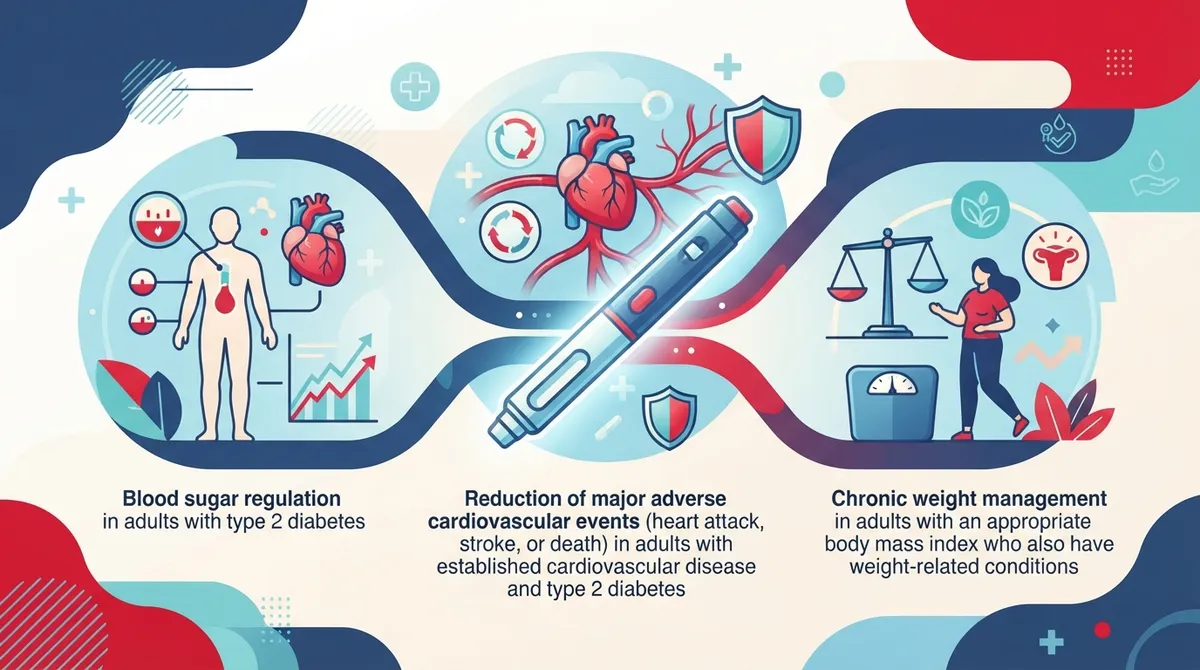
Start with the facts. Per FDA labeling, Ozempic is used with diet and exercise to improve blood sugar control in adults with type 2 diabetes. It also has certain cardiovascular and kidney risk-reduction uses for eligible adults with type 2 diabetes.
Ozempic is not FDA-approved specifically for weight loss. Wegovy is a separate semaglutide product with an approved chronic weight-management indication. A trustworthy Ozempic doctor in Tampa will explain this difference up front. If your goal is weight loss without diabetes, using Ozempic may be off-label, and your clinician should say so plainly.
|
Feature |
Ozempic |
Wegovy |
|---|---|---|
|
Active ingredient |
Semaglutide |
Semaglutide |
|
Primary FDA-approved use |
Type 2 diabetes blood sugar control, plus select risk-reduction uses |
Chronic weight management for eligible patients |
|
Weight loss use |
Off-label when prescribed for weight alone |
On-label for eligible patients |
|
Delivery |
Weekly injection |
Weekly injection |
Our guide on how semaglutide works in the body goes deeper on the science.

2. A Thorough Medical History Review
A responsible evaluation is never just an online questionnaire. Your doctor should review your full health picture before recommending semaglutide.
Expect questions like these:
- Do you have type 2 diabetes, prediabetes, or another metabolic condition?
- Is there any personal or family history of medullary thyroid carcinoma?
- Have you had pancreatitis, gallbladder disease, or kidney problems?
- Do you have diabetic eye disease?
- Which medications and supplements do you take now?
This is where primary care shines. A primary care doctor sees your whole record, not just one symptom. That context helps catch risks early and avoid medicines that do not fit. If you are still choosing a clinician, read how to choose the best primary care doctor in Tampa.
3. Honest Talk About Safety and Warnings
Every good Ozempic doctor in Tampa should walk you through the risks, not only the benefits. FDA labeling includes a boxed warning about thyroid C-cell tumors seen in rodents. Whether this risk applies to humans is unknown.
Ozempic is contraindicated for people with a personal or family history of medullary thyroid carcinoma or multiple endocrine neoplasia syndrome type 2 (MEN 2). Other labeled precautions include:
- Pancreatitis
- Gallbladder problems
- Kidney injury linked to dehydration
- Possible worsening of diabetic retinopathy
Common side effects are mostly digestive. They include nausea, vomiting, diarrhea, abdominal pain, and constipation. Your doctor should tell you which symptoms are manageable and which need a call right away. For more detail, see our article on semaglutide side effects patients must know.
4. Use of FDA-Approved Products
Be careful with compounded semaglutide. It is not FDA-approved, and the FDA does not review compounded drugs for safety, effectiveness, or quality before they reach the market.
Ask your clinician directly:
- Is this prescription for an FDA-approved product?
- If it is compounded, why is it being recommended for me?
- Which pharmacy prepares it, and how is it licensed?
- What happens if I have a reaction?
Clear, calm answers are a good sign. Vague answers are a warning. Our post on compounded semaglutide mistakes to avoid covers this topic in depth.
5. A Plan for Monitoring and Follow-Up
Semaglutide is not a one-and-done prescription. Dosing usually starts low and rises over time. Your body needs to be watched as it adjusts.
A strong follow-up plan includes:
- Scheduled check-ins during dose changes
- Lab work when your condition calls for it
- Review of side effects and hydration
- Guidance on nutrition and protein intake
- A plan for what happens if you stop the medicine
That last point matters. Many patients are surprised by what happens after treatment ends. Learn more in does weight come back after semaglutide stops.
6. Access to the Right Specialists When Needed
Depending on your needs, care may involve more than one clinician. A primary care doctor can lead your plan and refer you to an endocrinologist or obesity-medicine specialist if your case is complex.
This team approach is especially useful for people with diabetes, heart disease, or kidney concerns. It also helps busy families, since one trusted office can coordinate everything. You can learn how this works in primary care vs specialist: 10 things to know.
7. Smart Use of Technology and Telehealth
Many Tampa patients want convenience. Florida telehealth prescribing requires a clinician who is authorized to treat patients in Florida. The research cites Florida Statute 456.47, but you should verify current requirements with the Florida licensing board or legal counsel.
Telehealth can work well for check-ins, refills, and questions. But a good visit still includes a real medical review, not a rushed form. Beyond the visit, look for practices that offer tools such as:
- Metabolic breath analysis to assess how your body uses energy
- Body composition scans that track fat and muscle, not just weight
- DNA gene testing for personalized health insights
These tools show you more than the scale ever could. They help your doctor tailor care and track progress in a meaningful way.
8. A Focus on Whole-Body Health, Not Just Weight
The best Ozempic doctor in Tampa treats the person, not just the number on the scale. Medication works best alongside nutrition, movement, sleep, and stress care. Your doctor should also screen for related issues such as blood pressure, cholesterol, and cancer risk.
This is the approach we take at InCare. Our Tampa and Riverview clinics combine primary care, urgent care, and advanced wellness services under one roof. Our team supports weight management programs, preventive screenings, and long-term health planning. Patients regularly praise our friendly staff and the quality of care. We hold a 4.8 out of 5 rating on Google across 359 reviews, and you can visit us on Google — InCare to read what patients say.
If you want a deeper look at how primary care supports weight goals, read 14 ways a primary care doctor aids weight loss.
Red Flags to Avoid When Choosing a Clinic
Some warning signs should make you pause. Walk away if you see any of these:
- Promises of fast or guaranteed weight loss
- No review of your medical history
- No mention of risks or side effects
- Pressure to buy a package before you see a clinician
- No clear plan for follow-up visits
- Unclear answers about where the medicine comes from
Good care feels calm, clear, and personal. If a clinic cannot explain its process, keep looking. Our article on mistakes to avoid at a premium weight loss center offers more guidance.
Questions to Bring to Your First Visit
Come prepared. A short list helps you get the most from your appointment.
- Is Ozempic right for my diagnosis, or is another option a better fit?
- What results are realistic for me?
- What side effects should I expect, and when should I call you?
- How will you monitor my progress?
- What is the cost, and what does it include?
- What is the plan if I need to stop?
Bring a list of your current medicines and any past lab results. Your doctor can then give advice that fits you. You can also compare options in retatrutide vs semaglutide if you want to understand where newer treatments stand.
Why Local, Personalized Care Matters in Tampa
Tampa is a busy city, and your care should fit your schedule. Local access means faster visits, easier follow-ups, and a doctor who knows you over time. That relationship is hard to build with a distant online service.
Many of our patients are young professionals, families juggling school and work, and wellness seekers who want to prevent problems before they start. A local clinic can offer same-day access, in-house testing, and one place to manage it all. For help finding the right fit, see how to find the best doctor in Tampa for your needs. You can also follow our team on Instagram and Facebook, or watch health tips on TikTok.
Conclusion
Finding the right Ozempic doctor in Tampa comes down to trust, transparency, and follow-through. Look for a clinician who explains what Ozempic is approved for, reviews your full history, discusses risks honestly, and uses FDA-approved products. Look for a plan with real monitoring, specialist access when needed, and a focus on whole-body health.
InCare offers all of this in one place. Our Tampa and Riverview teams provide personalized primary care, advanced testing, and medically supervised weight management built around your goals. Ready to take the next step? Book Now to meet our team, or contact us with any questions. Your health deserves a plan, not a gimmick.
FAQs
Q: How do I find a qualified Ozempic doctor in Tampa?
A: Look for a licensed clinician who reviews your full medical history, explains FDA-approved uses, discusses risks, and offers ongoing follow-up. A primary care practice is often a strong starting point because it can coordinate your overall care and refer you to specialists if needed.
Q: Is Ozempic FDA-approved for weight loss?
A: No. Ozempic is FDA-approved to improve blood sugar control in adults with type 2 diabetes, along with certain risk-reduction uses. Wegovy, a separate semaglutide product, is approved for chronic weight management, so prescribing Ozempic for weight alone may be off-label.
Q: Who may not be a good candidate for Ozempic?
A: People with a personal or family history of medullary thyroid carcinoma or multiple endocrine neoplasia syndrome type 2 should not use it. Your doctor will also review any history of pancreatitis, gallbladder disease, kidney problems, or diabetic retinopathy before deciding.
Q: Is compounded semaglutide the same as Ozempic?
A: No. Compounded semaglutide is not FDA-approved, and the FDA does not review compounded drugs for safety, effectiveness, or quality before marketing. Always ask your clinician whether a prescription is for an FDA-approved product and discuss any compounded option carefully.
Q: Can a Florida clinician prescribe semaglutide through telehealth?
A: Yes, if the clinician is authorized to treat patients in Florida. Florida Statute 456.47 is cited for telehealth prescribing, but patients and practices should confirm current requirements with the relevant Florida licensing board or legal counsel.