
Key Takeaways
- Loud, nightly snoring, witnessed breathing pauses, or gasping awake can signal obstructive sleep apnea and warrant a clinical evaluation rather than being dismissed as normal.
- A primary care clinician is often the easiest first step: they review symptoms, medications, and related conditions, then decide whether sleep testing or a sleep medicine referral is needed.
- Home sleep apnea tests suit selected patients, but a negative or inconclusive result may still require in-lab testing if concern remains, so follow-up matters.
- Keep a steady sleep and wake time even on weekends, limit afternoon caffeine, and put screens away 30 minutes before bed; confirm referral and insurance details before booking.
Many adults in the Tampa Bay area lie awake at night or wake up tired. They often blame stress, work, or a busy home. Sometimes the cause is more serious. Poor sleep can point to a medical condition that needs a proper evaluation.
The numbers show how common the problem is. In 2024, 30.5% of U.S. adults reported sleeping fewer than 7 hours on average, according to the CDC. Only 54.8% said they woke up well-rested most days. If you are searching for a sleep quality clinic in Riverview, FL, this guide explains what to look for and when to act.
You will learn eight signs that your sleep needs medical attention, how evaluation works, and how primary care can guide the next step. This article is for general education. It does not replace advice from your own clinician.
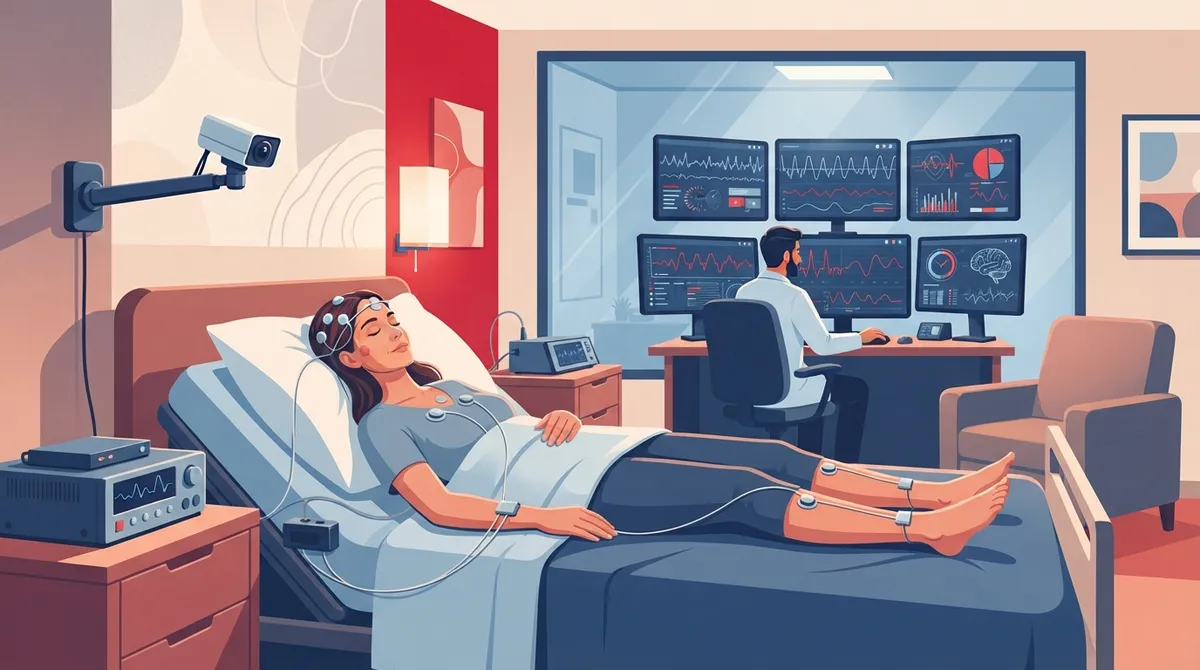
What a Sleep Quality Clinic Actually Does
A sleep quality clinic looks at why you sleep poorly. It does not just hand out sleep tips. The goal is to find the cause, whether it is a breathing problem, a habit, a medication effect, or another health issue.
In Riverview, many patients start with a primary care clinician. That clinician reviews your symptoms, medical history, medications, and related conditions. Then they decide if you need sleep testing or a referral to sleep medicine.
Local programs may also offer outpatient sleep studies and care from board-certified sleep physicians. Always confirm current referral rules, scheduling, and insurance details directly with the provider before you book.
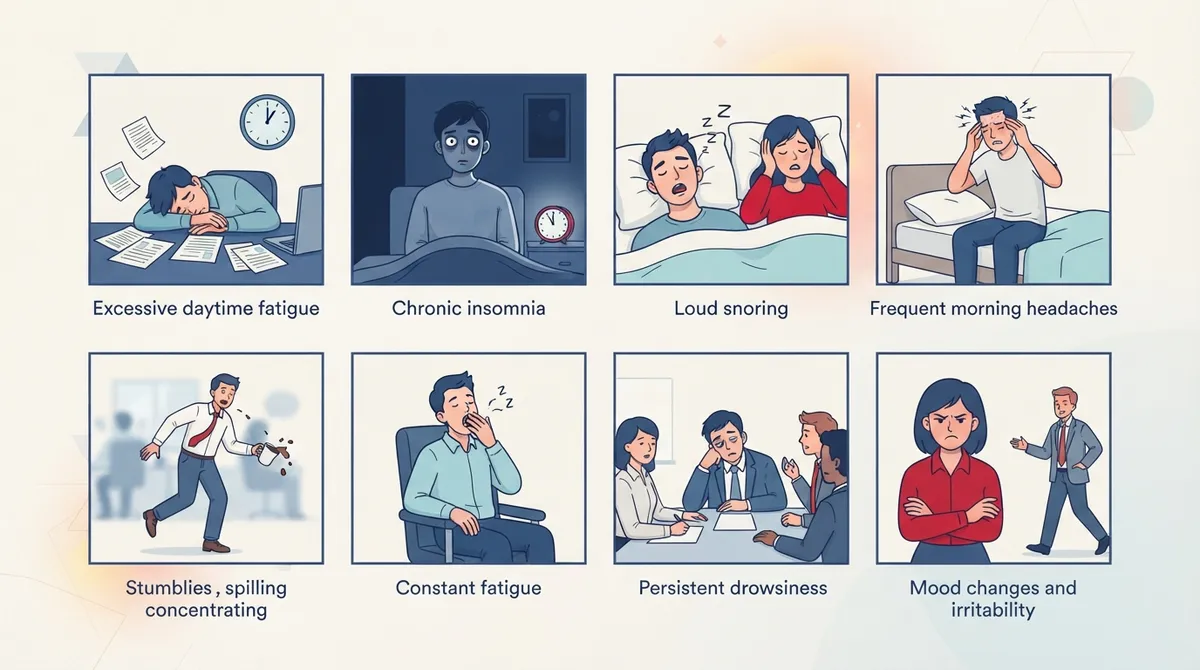
8 Signs You Should Get Your Sleep Evaluated
These signs do not prove a diagnosis. They do signal that a clinical assessment is worthwhile.
1. Loud, Frequent Snoring
Occasional snoring is common. Loud, nightly snoring is different. It can be linked to obstructive sleep apnea, a condition where the airway narrows during sleep.
2. Pauses in Breathing or Gasping at Night
A partner may notice that you stop breathing for a moment. You may wake up gasping or choking. These events deserve prompt attention from a clinician.
3. Daytime Sleepiness That Does Not Go Away
Feeling drowsy after a bad night is normal. Needing caffeine just to function, or nodding off at your desk or behind the wheel, is not. Persistent sleepiness is a key reason to seek care.
4. Trouble Falling Asleep
The CDC reports that 15.4% of U.S. adults had trouble falling asleep most days or every day in 2024. If this describes you for weeks at a time, insomnia may be part of the picture.
5. Trouble Staying Asleep
About 18.1% of adults reported trouble staying asleep that often. Waking at 2 a.m. and staying up for hours can have many causes, including stress, pain, hormones, or breathing problems.
6. Morning Headaches or a Dry Mouth
Waking with a headache, sore throat, or very dry mouth can sometimes go along with disordered breathing at night. It is worth mentioning to your doctor.
7. Restless Legs or Unusual Movements
An urge to move your legs at night can keep you from resting. Restless legs syndrome is one of several conditions that a sleep program may evaluate and treat.
8. Sleep Problems That Hurt Daily Life
Mood swings, poor focus, weight gain, and low energy can all link back to sleep. If your nights are affecting your days, it is time to talk to a professional.
Sleep Disorders a Clinic May Evaluate
Sleep problems come in many forms. A thorough evaluation may look at the following conditions.
|
Condition |
Common Clues |
Typical Next Step |
|---|---|---|
|
Obstructive sleep apnea |
Snoring, gasping, daytime sleepiness |
Sleep study (in-lab or home test) |
|
Insomnia |
Trouble falling or staying asleep |
Clinical review, behavioral approaches |
|
Restless legs syndrome |
Urge to move legs at night |
Clinical review, lab work |
|
Narcolepsy |
Sudden sleep attacks, extreme sleepiness |
Specialist evaluation |
|
Circadian rhythm disorders |
Sleep timing that does not match your schedule |
Sleep history, schedule planning |
|
Bruxism |
Teeth grinding, jaw soreness |
Clinical and dental review |
Why Primary Care Is a Smart First Step
Sleep rarely stands alone. It connects to blood pressure, weight, blood sugar, mood, hormones, and medications. A primary care clinician can look at the whole picture at once.
For example, certain medications can disrupt sleep. Anxiety and depression can also change how you rest. Thyroid problems, pain, and chronic illness may play a role too. When one clinician sees all of this, it is easier to find the real cause.
At InCare primary care, patients in Riverview and Tampa get a personalized review that connects sleep concerns to broader health factors. You can also learn how primary doctors help manage chronic illnesses that often affect rest.
If apnea is a concern, see our guide to sleep apnea screening in Riverview, FL for what to expect at your visit. You can also read about the best sleep apnea doctor in Tampa and Riverview.
How Sleep Testing Works
Your clinician chooses a test based on the disorder they suspect and your overall health. Here is the general path.
- Clinical visit. You discuss symptoms, sleep habits, medications, and health history.
- Screening questions. Your clinician may use a short questionnaire to estimate risk.
- Test selection. Options include an overnight or daytime in-lab study, or a home sleep apnea test in selected cases.
- Review of results. A clinician explains what the data show and what it means for you.
- Treatment plan. The plan depends on the diagnosis and may include behavioral steps, treatment of other conditions, or therapies for a specific sleep disorder.
A negative or inconclusive home test may still lead to in-lab testing if your clinician remains concerned. That is why follow-up matters.
In-Lab Study vs. Home Test
Both options have a place. The right choice depends on your symptoms and health.
|
Feature |
In-Lab Sleep Study |
Home Sleep Apnea Test |
|---|---|---|
|
Where it happens |
Sleep center, staffed by technologists |
Your own bed |
|
What it measures |
Brain waves, breathing, heart rate, movement |
Mainly breathing and oxygen |
|
Best for |
Complex or unclear cases |
Selected patients with suspected apnea |
|
Follow-up |
May confirm or rule out several disorders |
May require in-lab testing if results are unclear |
Habits That Support Better Sleep
Testing is only part of the answer. Daily habits matter too. The American Academy of Sleep Medicine recommends that adults regularly get at least 7 hours of sleep per night. That is a general guideline, not a replacement for evaluating ongoing symptoms.
- Keep a steady sleep and wake time, even on weekends.
- Limit caffeine in the afternoon and evening.
- Keep your bedroom cool, dark, and quiet.
- Avoid heavy meals and alcohol close to bedtime.
- Put screens away at least 30 minutes before bed.
- Stay active during the day, but avoid hard workouts right before sleep.
If you have tried these steps and still struggle, that is a clear signal to seek care. Our guide on sleep mistakes that quietly wreck your health covers more common pitfalls.
How Weight, Hormones, and Stress Connect to Sleep
Sleep and metabolism are closely linked. Extra weight can raise the risk of airway problems at night, and poor sleep can make weight harder to manage. If this cycle sounds familiar, a medical plan may help on both fronts. Explore weight loss support at InCare, and see what research shows about weight loss and sleep apnea.
Stress and hormone shifts can also disrupt rest. Your clinician can look at these factors during a wellness visit and decide whether lab work makes sense. For a closer look at the role of deep rest, read why deep sleep matters more than total sleep time.
What to Check Before You Book
Local service details can change. Before you schedule, confirm the following.
- Whether you need a referral from a primary care clinician.
- Whether the provider offers testing directly or refers out.
- Which insurance plans are accepted.
- How follow-up care and treatment adjustments are handled.
- Appointment wait times and virtual visit options.
InCare serves patients from its Riverview and Tampa locations, and you can review our locations to find the closest option. You can also see what our InCare patients say on Google. Our team at InCare brings state-of-the-art technology together with medical expertise, so your sleep concerns are reviewed alongside your full health picture.
Looking for follow-up resources? Our guide on when to see a doctor for poor sleep and our post on daytime fatigue and sleep apnea are helpful next reads. You can also follow InCare on Instagram and Facebook for wellness updates, or watch short health tips on TikTok.
Take the Next Step Toward Better Rest
Poor sleep is not something you have to accept. If you snore loudly, wake up gasping, or feel exhausted despite a full night in bed, a medical evaluation can help you find answers. A primary care clinician can review your symptoms, order the right tests, and connect you with the right treatment.
Ready to get started? Book your visit with InCare to talk with a clinician about your sleep. Questions first? Contact our team and we will help you choose the best path forward.
FAQs
Q: Where can I get evaluated for sleep problems in Riverview, FL?
A: You can start with a primary care clinician, who reviews your symptoms, history, and medications and decides whether sleep testing or a referral is appropriate. InCare offers primary care in Riverview and Tampa. Confirm current referral and scheduling details before you book.
Q: Do I need a referral to visit a sleep clinic in Riverview?
A: Many sleep programs accept patients referred by a family physician or specialist, but requirements vary by provider and insurance plan. Call ahead to confirm whether a referral is needed. A primary care visit is often the easiest way to get one.
Q: What symptoms suggest I should be evaluated for sleep apnea?
A: Common signs include loud snoring, witnessed pauses in breathing, gasping during sleep, and persistent daytime sleepiness. These symptoms warrant a clinical assessment but do not confirm a diagnosis on their own.
Q: Can I take a home sleep apnea test instead of going to a sleep lab?
A: In selected cases, yes. A clinician chooses the test based on the suspected disorder and your overall health. If a home test is negative or inconclusive and suspicion remains, in-lab testing may still be needed.
Q: Does primary care evaluate insomnia and daytime fatigue?
A: Yes. Primary care can review medications, mental health, chronic conditions, and sleep habits that may contribute to insomnia or fatigue. Treatment depends on the diagnosis and may include behavioral approaches or treatment of underlying conditions.