
Key Takeaways
- A reputable peptide clinic starts with a licensed clinician reviewing your medical history and medications before any product is discussed; a preset package or same-day sales pressure is a warning sign.
- Ask whether each peptide is FDA-approved, compounded, or labeled research use only, and why an approved option cannot meet your needs if compounding is recommended.
- Ask which pharmacy or facility prepares the medication and confirm it is licensed in your state; a 503B outsourcing facility should also be FDA-registered.
- Be wary of guarantees like 'reverse aging' or 'heal any injury,' and of testimonials or before-and-after photos, which are not scientific evidence of safety or effectiveness.
Peptide therapy is everywhere right now. Social media, online ads, and wellness storefronts promise more energy, faster recovery, and younger skin. But not every provider treats peptides as real medicine. So what makes a reputable peptide clinic, and how can you tell the difference before you spend money or put anything in your body?
A reputable peptide clinic treats peptide therapy as medical care, not a retail product. A licensed clinician evaluates you, explains the evidence and the unknowns, screens for risks, and follows up with monitoring. The clinic is also honest about whether a product is FDA-approved, compounded, or sold for research use only.
This guide gives you eight clear signs to look for in 2026. It is written for busy adults, parents, and wellness-minded professionals who want results without cutting corners on safety. Use it as a checklist when you compare clinics in Tampa Bay or anywhere else.

1. A Licensed Clinician Evaluates You First
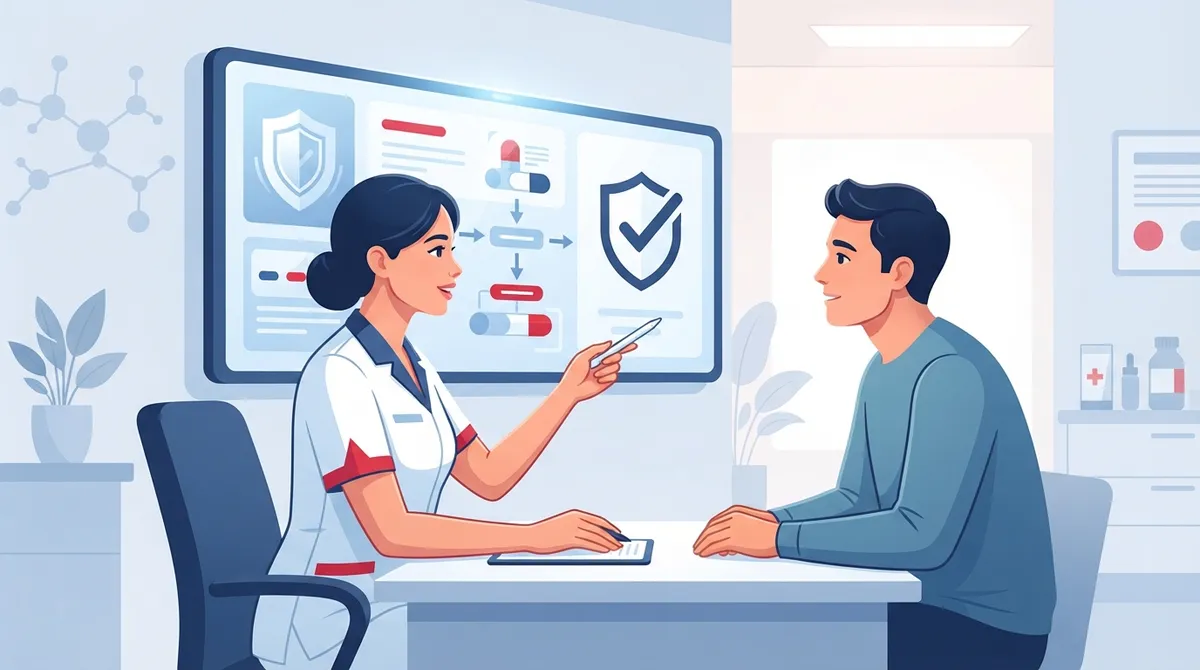
The first sign of a reputable peptide clinic is a real medical evaluation. A licensed physician or qualified provider should take your history, review your medications, and ask about your goals and risks. This should happen before any prescription is discussed.
Be cautious if the visit feels like a sales call. A preset injection package, a menu of products, or pressure to buy the same day are warning signs. Good care starts with questions, not a price list.
A strong evaluation usually includes:
- A full medical and medication history
- A review of allergies, chronic conditions, and past reactions
- Baseline labs or screenings when they are medically appropriate
- A clear discussion of alternatives, including lifestyle and FDA-approved options
This is one reason many patients prefer a clinic built on primary care. A team that sees your whole health picture can tell you when peptides make sense and when they do not.
2. The Clinic Is Honest About FDA Approval
Peptides fall into very different legal categories. A reputable clinic explains which category your treatment belongs to. It should never blur the lines.
|
Category |
What It Means |
What a Good Clinic Tells You |
|---|---|---|
|
FDA-approved drug |
Reviewed for a specific product and a specific use |
The approved indication and known risks |
|
Compounded drug |
Made by a pharmacy for an individual patient; not FDA-approved |
Why a compounded version is medically needed |
|
"Research use only" |
Sold for lab study, not for human use |
That it is not appropriate for patient treatment |
FDA approval applies to one product and one indication. It does not prove that every peptide a clinic promotes is safe or effective. Likewise, a clinic's marketing is not proof of anything.
The FDA also states that compounded drugs are not reviewed for safety, effectiveness, or quality before they are marketed. It says compounding should generally be reserved for cases where an approved drug cannot meet a patient's needs. A trustworthy clinic respects that line.
3. They Name Their Pharmacy and Explain Why
If a compounded medication is considered, the clinic should tell you three things. First, why you need it. Second, which pharmacy makes it. Third, how that pharmacy is licensed and regulated.
Federal rules separate two types of compounders. A 503A pharmacy generally fills patient-specific prescriptions. A 503B outsourcing facility registers with the FDA, is subject to FDA inspection, and must follow current good manufacturing practice. Registration is a good sign. It still does not make each compounded drug FDA-approved.
Ask these questions directly:
- Which pharmacy or facility will prepare my medication?
- Is it licensed in my state and in good standing?
- Why can an FDA-approved product not meet my needs?
- How is the product stored, shipped, and labeled?
A reputable clinic answers without hesitation. If the staff cannot name the source, walk away.
4. Claims Are Measured, Not Miraculous
Be wary of big promises. Phrases like "reverse aging," "heal any injury," or "guaranteed muscle gain" are red flags. The Federal Trade Commission requires competent and reliable scientific evidence for health claims. It has sent warning letters to marketers who made unsupported claims about peptide therapies.
Testimonials and before-and-after photos are not evidence. They show one person's story, not controlled results. A reputable clinic talks about what research shows, where the data is thin, and what outcomes are realistic.
Healthy skepticism is a good habit. If a claim sounds too good to be true, ask for the evidence behind it. A good provider will welcome that question.
5. They Discuss Risks and Unknowns Openly
Every medical treatment has risks. Peptides are no exception. The FDA has flagged safety concerns for certain bulk peptide substances proposed for compounding. These include impurities, aggregation, and possible immune reactions. Some substances sit in the FDA's Category 2 list as presenting potential significant safety risks.
A clinic that respects you will not hide this. It should explain known side effects, uncertain long-term effects, and who should avoid treatment. It should also never imply that a peptide is proven simply because a supplier sells it online.
For injectable products, safety details matter even more. The FDA has received adverse event reports, including some hospitalizations, linked to dosing errors with compounded injectable semaglutide. These spontaneous reports do not prove cause or show how often problems occur. They do show why dosing, sterile handling, and patient training are essential.
6. Informed Consent and Transparent Pricing
You should never have to guess what you are agreeing to or what it will cost. A reputable clinic provides a written treatment plan and obtains informed consent before starting therapy.
Look for these basics in writing:
- The specific product, dose, and schedule
- The medical reason for the recommendation
- Known and uncertain risks
- Total cost, including visits, labs, and refills
- What happens if you want to stop
Hidden fees and vague "membership" terms are a problem. So is any pressure to prepay for months of treatment before you understand the plan. Clear pricing is a sign of confidence and respect.
7. Monitoring and Follow-Up Are Built In
Peptide therapy is not a one-time purchase. It needs ongoing oversight. A reputable clinic schedules follow-up visits, tracks your response, and adjusts the plan as needed.
Good follow-up can include repeat labs, symptom check-ins, and progress tools. Many modern clinics use objective measures such as body composition analysis and metabolic breath analysis to see what is actually changing. Data beats guesswork.
The clinic should also give you a clear process for reporting side effects. You should know whom to call, how quickly they respond, and what to do in an emergency. If there is no plan for problems, there is no real safety net.
8. The Clinic Is Part of a Broader Care Team
The last sign is context. The best peptide care sits inside a full medical practice. When your clinician also manages preventive screenings, chronic conditions, and urgent needs, they can spot interactions and risks that a standalone shop would miss.
That whole-body view matters for people who want to optimize health proactively. It helps when your provider can also order DNA gene testing, coordinate cancer screening, and support medical weight loss. Peptides become one tool among many, not the whole plan.
InCare was built on this model. With locations in Tampa and Riverview, the team combines primary care, urgent care, and advanced wellness services under one roof. You can learn more about our approach in our guide to peptide therapy in Tampa, or read how to choose the best peptide therapy provider near you.
Quick Checklist: Reputable vs. Risky
|
Reputable Clinic |
Red Flag |
|---|---|
|
Licensed clinician reviews your history |
Sales pitch before any medical questions |
|
Explains FDA-approved vs. compounded |
Vague about product source or status |
|
Names the dispensing pharmacy |
Cannot say who makes the product |
|
Uses measured, evidence-based language |
Guarantees and miracle claims |
|
Written plan, consent, and clear pricing |
Hidden fees and prepaid bundles |
|
Scheduled monitoring and follow-up |
No plan after the first injection |
Questions to Ask Before You Commit
Bring a short list to your first visit. These questions help you see quickly how a clinic operates.
- Who will evaluate me, and what are their credentials?
- Is this product FDA-approved, compounded, or something else?
- What evidence supports this treatment for my goal?
- What are the risks, and what do we still not know?
- How will you monitor me, and how often?
- What is the full cost over three months?
You can also check what other patients say. See what our InCare patients share when you visit our InCare location on Google, and follow us on Instagram, Facebook, and TikTok for wellness updates and clinic news.
Conclusion: Choose Medicine, Not Marketing
A reputable peptide clinic puts medicine first. It evaluates you, tells the truth about regulation and evidence, names its pharmacy, avoids hype, and follows up after treatment. If a clinic cannot meet these eight standards, keep looking.
If you are in the Tampa Bay area and want honest guidance, our team is ready to help. Book your visit with InCare today, or contact our team with questions. We will help you decide whether peptide therapy is right for you, and build a safe, personalized plan if it is.
FAQs
Q: How can I tell whether a peptide clinic is legitimate?
A: A legitimate clinic starts with a licensed clinician who reviews your history and medications before recommending anything. It explains whether a product is FDA-approved or compounded, names its dispensing pharmacy, and provides written consent, transparent pricing, and follow-up monitoring.
Q: What is the difference between an FDA-approved peptide drug and a compounded peptide?
A: An FDA-approved drug has been reviewed for a specific product and a specific use. A compounded peptide is prepared by a pharmacy for an individual patient and is not reviewed by the FDA for safety, effectiveness, or quality before marketing.
Q: What claims about peptide therapy should be considered a red flag?
A: Be cautious of guarantees or broad promises to reverse aging, heal any injury, build muscle, or treat disease. The FTC requires competent and reliable scientific evidence for health claims, and testimonials or before-and-after photos do not replace that evidence.
Q: What questions should I ask a peptide clinic before starting treatment?
A: Ask who will evaluate you, whether the product is FDA-approved or compounded, which pharmacy prepares it, and what evidence supports it for your goal. Also ask about risks, monitoring, total cost, and how to report side effects.
Q: Are compounded peptides safe, and how can I check the pharmacy that makes them?
A: Safety varies by product and source, and compounded drugs are not FDA-approved. Ask the clinic to name the pharmacy, then confirm it is licensed in your state and, if it is a 503B outsourcing facility, registered with the FDA.