Key Takeaways
- GHK-Cu requires 8-12 weeks of consistent daily use to show measurable improvements in fine lines, skin firmness, and texture; results are gradual and modest rather than dramatic transformations.
- GHK-Cu is a naturally occurring copper peptide that decreases with age and works by supporting collagen activity and reducing oxidative stress, making it gentler than retinol for sensitive skin types.
- Clinical evidence supports visible cosmetic improvements in a 12-week study of 71 women, but marketing claims of complete skin regeneration or reversal of aging are not supported by current research.
- Topical GHK-Cu is generally well tolerated with mild irritation as the main concern; introduce gradually with patch testing, and consult a provider if you have copper allergies, active infections, or are pregnant.
Skin aging is one of the most common concerns patients bring up during wellness visits. Fine lines, sagging skin, and loss of firmness affect how people feel about themselves every day. GHK-Cu facial rejuvenation has become a popular topic among patients looking for evidence-based options beyond typical drugstore creams. This copper peptide has real clinical research behind it, unlike many trendy skincare ingredients.
At InCare, our approach to skin health fits into a bigger picture of whole-body wellness. We believe patients deserve clear, honest information before trying any treatment. This guide breaks down what GHK-Cu actually does, what the research shows, and how it fits into a smart skincare routine. Whether you are a busy parent squeezing in self-care or someone who tracks every wellness trend, this article gives you the facts you need.
1. GHK-Cu Is a Natural Copper Peptide Found in Your Body
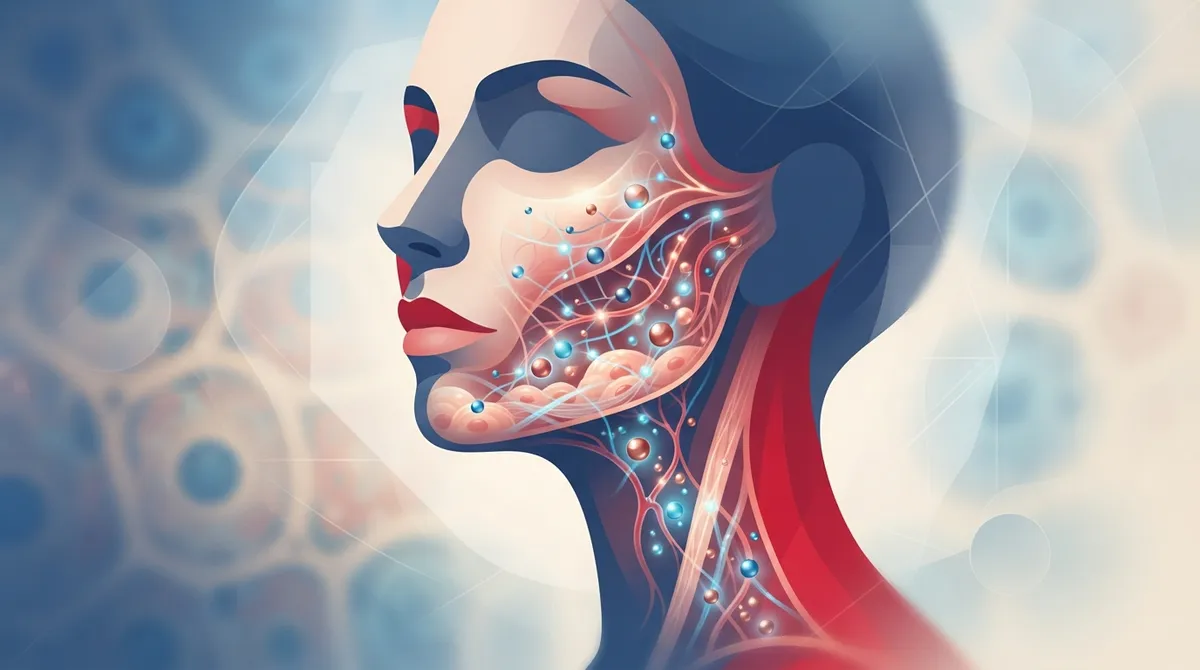
GHK-Cu stands for glycyl-L-histidyl-L-lysine copper. It is a small peptide that binds to copper and occurs naturally in human plasma. Researchers first noticed it decades ago while studying blood plasma from younger versus older adults.
Levels of this peptide are higher in younger people and drop as we age. This decline lines up with visible signs of aging like thinner skin and slower healing. That connection is what sparked interest in using GHK-Cu topically for skin support.
- Naturally present in human blood plasma
- Copper-binding structure gives it unique biological activity
- Levels decrease with age
- Used in skincare formulas as creams and serums
- Studied for skin repair and antioxidant support
2. The Science Behind How GHK-Cu Works on Skin
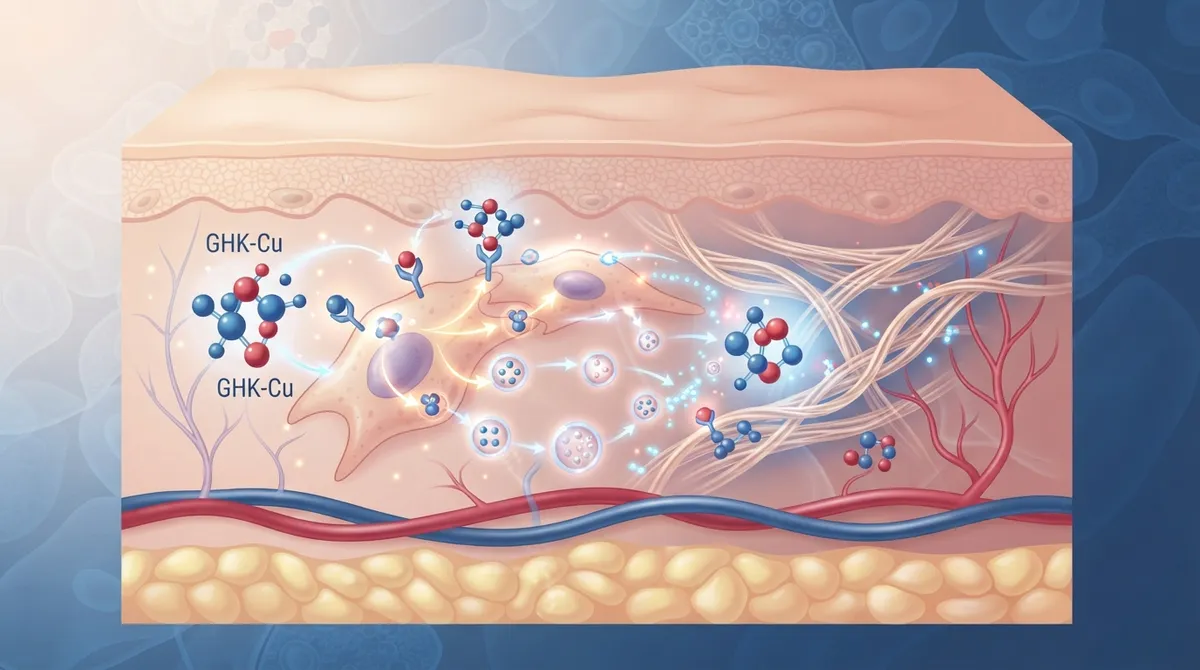
GHK-Cu interacts with skin cells in several ways. It has been studied for its role in supporting the skin's natural repair processes and helping maintain healthy collagen levels. Research published through the National Institutes of Health has explored its regenerative and protective actions on tissue.
The peptide is thought to help calm oxidative stress in skin cells. It may also support the skin's structural proteins, which affect firmness and texture over time. This is different from ingredients that simply sit on the surface without any deeper interaction.
Key Actions Studied in Research
- Supporting collagen and elastin activity in skin tissue
- Reducing oxidative stress markers in skin cells
- Assisting the skin's natural repair signaling
- Potentially improving skin density and thickness over time
3. What the 12-Week Clinical Study Actually Found
The most frequently cited human study involved 71 women with mild to advanced photoaging. Researchers applied a facial GHK-Cu cream for 12 weeks and tracked several measurements.
Results showed improvements in skin density, thickness, laxity, and clarity. Fine lines and wrinkle depth also improved during the study period. These results are meaningful, but they describe visible cosmetic improvement rather than dramatic skin transformation.
|
Measured Outcome |
Reported Change |
|---|---|
|
Skin Density |
Improved |
|
Skin Thickness |
Improved |
|
Skin Laxity (Firmness) |
Improved |
|
Fine Lines |
Reduced |
|
Wrinkle Depth |
Reduced |
|
Study Duration |
12 Weeks |
4. How Long It Takes to See Results
Patience matters with GHK-Cu. Most research points to noticeable changes appearing gradually between 8 and 12 weeks of consistent daily use. This is not an overnight fix like a filler or a laser treatment.
Skin renewal happens on a biological timeline. Cells need time to respond to the peptide signal and rebuild supportive structures. Patients who stop too early often miss the benefits entirely.
- Weeks 1 to 4: Skin may feel smoother, but visible change is minimal
- Weeks 4 to 8: Early improvements in texture and hydration often appear
- Weeks 8 to 12: Most clinical improvements in fine lines and firmness show up
- Beyond 12 weeks: Continued use may maintain or extend results
5. GHK-Cu Versus Retinol: Which One Fits Your Skin
Retinol is the most established anti-aging ingredient in dermatology. GHK-Cu offers a different mechanism and may suit patients who find retinol too irritating for their skin type.
|
Feature |
GHK-Cu |
Retinol |
|---|---|---|
|
Mechanism |
Copper peptide signaling, antioxidant support |
Vitamin A derivative, cell turnover stimulation |
|
Tolerability |
Generally well tolerated |
Can cause redness, peeling, sensitivity |
|
Time to Results |
8 to 12 weeks |
4 to 12 weeks, varies by strength |
|
Best For |
Sensitive skin, gradual firming |
Fine lines, acne, faster cell turnover |
|
Sun Sensitivity Risk |
Low |
Higher, requires daily sunscreen |
Some patients combine both ingredients under medical guidance to target different aspects of aging. A conversation with a wellness provider can help determine the right combination for your skin goals.
6. Safety and Tolerability of Topical GHK-Cu
Available clinical data on topical GHK-Cu describes it as generally well tolerated. Mild irritation is the main concern reported in sensitive users. Serious adverse events have not been highlighted in accessible clinical summaries.
Still, every skin is different. A new product should be introduced carefully and monitored for any reaction.
Steps for Safe Introduction
- Patch test on a small area of skin for 24 to 48 hours
- Start with every-other-day application for the first two weeks
- Move to daily use if no irritation occurs
- Apply sunscreen during the day since new skincare routines can increase sun sensitivity
- Discontinue use and consult a provider if redness or itching develops
7. Who Should Avoid or Use Caution With GHK-Cu
Most healthy adults can try topical GHK-Cu without issue. However, certain groups should speak with a healthcare provider first.
- Individuals with known copper allergies or sensitivities
- Those with active skin infections or open wounds on the treatment area
- Pregnant or breastfeeding individuals, due to limited safety data
- Patients using other active skincare ingredients who want to avoid interactions
- Anyone with a history of severe skin reactions to new products
This is why a personalized primary care visit matters before starting any new regimen. A provider can review your health history and help you avoid unnecessary risks.
8. Marketing Claims Versus What the Evidence Actually Supports
Skincare marketing often stretches beyond what studies actually prove. GHK-Cu is frequently advertised as a way to reverse aging or regenerate skin completely. The evidence supports something more modest but still valuable.
Current research shows measurable cosmetic improvement in skin appearance. It does not prove permanent structural regeneration or a true reversal of the aging process. Understanding this distinction helps set realistic expectations.
|
Claim Type |
What Evidence Supports |
|---|---|
|
Improved skin texture and firmness |
Supported by clinical studies |
|
Reduced appearance of fine lines |
Supported by clinical studies |
|
Complete reversal of skin aging |
Not supported by current evidence |
|
Permanent structural skin regeneration |
Not supported by current evidence |
This is why working with a trusted wellness clinic matters. Providers who understand both the science and the marketing hype can guide you toward realistic, evidence-based choices for your skin.
Bringing GHK-Cu Into a Complete Wellness Routine
Facial skin health does not exist in isolation. Sleep, hydration, nutrition, and hormone balance all affect how skin looks and ages. Many patients find that combining topical treatments like GHK-Cu with broader wellness support gives better long-term results.
InCare offers services that support skin and overall health together, including IV hydration and vitamin drips for cellular support, and DNA gene testing to understand your body's unique needs. Our providers, including those featured on our providers page, can help you build a plan that fits your goals.
For patients also exploring peptide-based options more broadly, our article on peptide therapy for anti-aging offers additional context. Those curious about copper peptides specifically may also want to read our guide on how to use GHK-Cu safely for skin and wellness.
Why a Medical Wellness Team Makes a Difference
Choosing the right skincare approach can feel overwhelming with so much conflicting information online. A medically grounded team can cut through the noise and personalize recommendations based on your skin type, health history, and goals.
Patients in Tampa and Riverview trust InCare for exactly this kind of guidance. Our team combines clinical expertise with a genuine interest in helping people feel confident in their skin. You can learn more about our approach on our about us page or explore our locations to find the clinic nearest you.
- Personalized skin and wellness assessments
- Guidance on safe, evidence-based skincare ingredients
- Integration with broader health services like weight loss and hormone support
- Providers who stay current on emerging research
Many patients also follow our updates on Facebook and Instagram for wellness tips and clinic news. You can also see quick videos and patient education content on Tik Tok.
Frequently Considered Questions Before Starting Treatment
Before adding any new peptide to your routine, it helps to review your current skincare products with a provider. This avoids unwanted interactions and helps set a realistic timeline for results. It also gives you a chance to ask about combining GHK-Cu with other services like hair restoration or body composition analysis as part of a fuller wellness plan.
Patients often appreciate seeing real feedback from others before committing to a new treatment. You can visit us on Google — InCare to read reviews from patients across our Tampa and Riverview locations.
Final Thoughts on GHK-Cu Facial Rejuvenation
GHK-Cu offers a scientifically grounded option for patients who want gradual, realistic improvement in skin appearance. It will not erase decades of aging overnight, but consistent use over 8 to 12 weeks has shown measurable benefits in clinical research. Pairing it with sound medical guidance gives you the best chance at safe, satisfying results.
If you want to explore whether GHK-Cu facial rejuvenation fits your wellness goals, our team is ready to help. Reach out to our team today to schedule a consultation, or book your appointment now and take the next step toward healthier, more confident skin.
FAQs
Q: What is GHK-Cu and how does it work for facial rejuvenation?
A: GHK-Cu is a naturally occurring copper peptide found in human plasma that supports skin repair and antioxidant activity. In topical skincare, it is applied to support collagen activity and reduce visible signs of photoaging over time.
Q: Does GHK-Cu really help with wrinkles and fine lines?
A: Clinical research, including a 12-week study on 71 women with photoaged skin, showed improvements in fine lines, wrinkle depth, and skin firmness. Results are generally modest and gradual rather than dramatic.
Q: How long does it take for GHK-Cu to work on the face?
A: Most studies show measurable improvements emerging between 8 and 12 weeks of consistent daily use. Early changes in texture may appear sooner, but full results require patience.
Q: Is topical GHK-Cu safe for daily use?
A: Topical GHK-Cu is generally reported as well tolerated in clinical studies, with mild irritation being the main concern for sensitive users. A patch test and gradual introduction are recommended before daily use.
Q: What is the difference between GHK-Cu and retinol for anti-aging?
A: GHK-Cu works through copper peptide signaling and antioxidant support, while retinol stimulates faster skin cell turnover. GHK-Cu tends to be gentler, making it a good option for those who find retinol too irritating.