
Key Takeaways
- No peptide has FDA approval to treat hair loss as of 2026; most peptide hair products are cosmetics, not regulated medications, making their safety and effectiveness unapproven.
- Copper peptides (GHK-Cu) have the strongest proposed biological mechanisms, but human studies are small (30-150 participants, 3-6 months), lacking the decades of research supporting minoxidil and finasteride.
- A few small studies show modest results like 52.6-71.5 additional hairs after six months with GHK-containing sprays, but these findings cannot be generalized to all products labeled with similar peptides.
- Injectable peptides sold online (TB-500, BPC-157, KPV) carry significant risks including uncertain purity, unverified dosing, sterility concerns, and sparse human data for hair growth specifically.
- Before choosing any peptide product, get a medical diagnosis of your hair loss cause—whether androgenetic alopecia, telogen effluvium, thyroid disease, or iron deficiency—as treatment depends on the underlying condition.
- A smart approach combines proven treatments like topical minoxidil with realistic expectations; patients should avoid replacing evidence-based options with unproven peptide products and seek professional guidance before using injectable peptides.
Hair loss affects millions of people, and many are searching for new answers beyond the usual shampoos and pills. Peptides for hair growth have become one of the most talked-about wellness trends this year. Ads promise fuller hair through copper peptide serums, growth peptide injections, and specialty complexes. But how much of this is backed by real science, and how much is marketing hype?
If you are dealing with thinning hair, patchy loss, or sudden shedding, it helps to understand what peptides actually do before you spend money on them. This guide breaks down eight key facts about peptides for hair growth, using the latest available research. We will also cover when it makes sense to see a primary care provider instead of trying an unproven product on your own. At InCare, our team in Tampa and Riverview helps patients sort fact from fiction so they can make smart, safe choices about their hair and overall health.
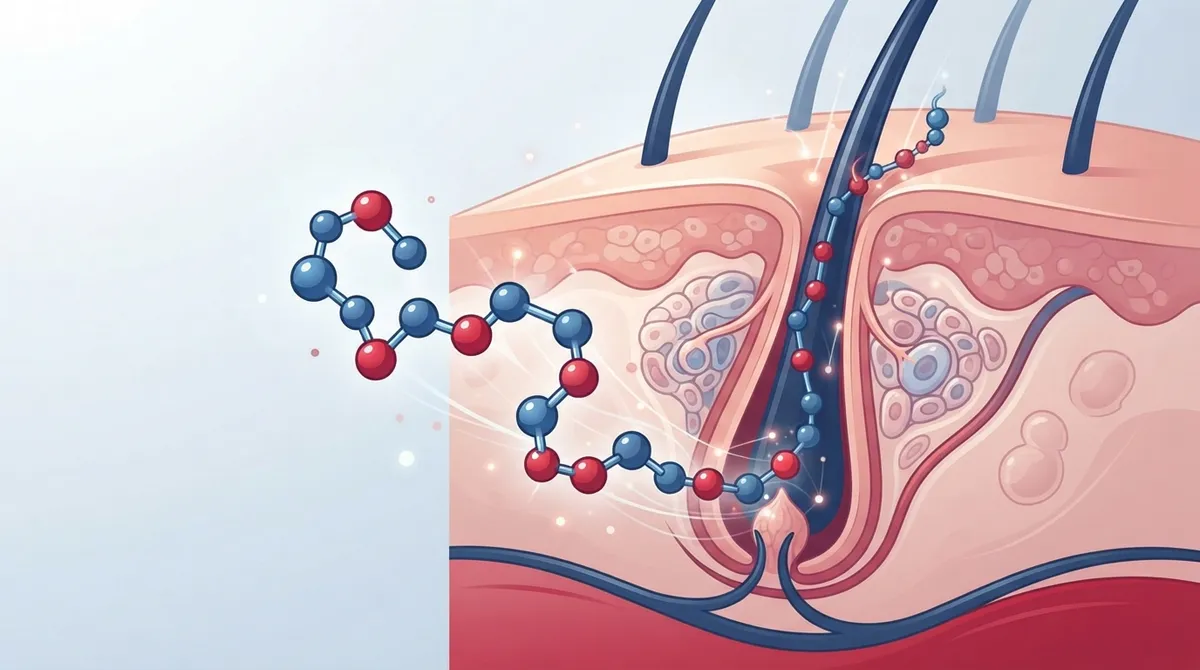
1. Peptides for Hair Growth Are Short Chains of Amino Acids
Peptides are small chains of amino acids, the building blocks of proteins. In hair care, they are marketed to support follicle signaling, reduce inflammation, and help with the natural hair growth cycle. Common examples include GHK-Cu (a copper peptide), acetyl tetrapeptide-3, biotinoyl tripeptide-1, and various copper-peptide blends.
These ingredients show up in serums, shampoos, and sometimes in injectable or compounded forms. The idea behind them is biologically reasonable. Peptides can influence cell activity and tissue repair. But having a plausible mechanism is not the same as proven results in real patients.

2. No Peptide Is FDA-Approved to Treat Hair Loss
This is one of the most important facts to understand. As of 2026, no peptide has received FDA approval specifically as a drug to treat hair loss. Most peptide hair products sold today are cosmetic formulations, not regulated medications.
Injectable or compounded peptide products fall into a different category. These may be investigational, used off-label, or simply unapproved. The FDA has been clear that compounded drugs are not FDA-approved, and the agency does not evaluate their safety or effectiveness before they reach the market. This matters if you are considering an injectable peptide sold online or through a specialty clinic.
3. Copper Peptides Have the Most Studied Mechanism
Among the many peptides marketed for hair, GHK-Cu (copper peptide) has the strongest proposed science. Researchers believe it may support:
- Remodeling of the extracellular matrix around hair follicles
- Dermal papilla cell activity, which plays a role in hair growth
- Blood vessel signaling near the scalp
- Follicle cell proliferation
These mechanisms sound promising in lab settings. However, plausible biology does not automatically mean a product works well in everyday use. Larger, independent studies are still needed to confirm real-world benefits.
4. Human Evidence Remains Limited Compared to Established Treatments
Topical minoxidil and oral finasteride have decades of research behind them. Peptides do not have that same level of support yet. Most peptide studies are small, short in length, and use different formulations, which makes it hard to compare results.
Here is a quick look at how peptide research compares to established hair loss treatments:
|
Treatment Type |
Regulatory Status |
Typical Study Size |
Guideline Support |
|---|---|---|---|
|
Topical Minoxidil |
FDA-approved |
Large, long-term trials |
Recommended by American Academy of Dermatology |
|
Oral Finasteride |
FDA-approved (for specific uses) |
Large, long-term trials |
Established clinical guidance |
|
Peptide Serums (e.g., GHK-Cu) |
Cosmetic, not FDA-approved for hair loss |
Often 30–150 participants, 3–6 months |
No comparable guideline support |
|
Injectable Research Peptides |
Investigational or unapproved |
Sparse or absent human data |
Not recommended by major guidelines |
A review of the available literature found that peptide hair-growth studies commonly enrolled roughly 30 to 150 participants and followed them for about three to six months. These sample sizes and timeframes are simply too small to prove long-term safety or effectiveness.
5. Some Small Studies Show Modest Promise
It is worth noting that a few small trials have reported interesting numbers. One placebo-controlled study of a GHK-containing combination spray found about 52.6 to 71.5 additional hairs in treated groups after six months, compared to roughly 9.6 in the placebo group. Another small study on acetyl tetrapeptide-3 reported a 13% change in the proportion of hairs in the active growth phase, along with a 29% drop in resting-phase hair density over four months.
These results sound encouraging, but they apply only to those specific formulations. They should not be generalized to every product labeled as containing GHK-Cu or similar peptides. A newer investigational compound called PP405 also drew attention after a phase 2A study of 78 participants found that 31% achieved more than a 20% increase in hair density at eight weeks. This is still early-stage research and needs confirmation in larger, peer-reviewed trials.
6. Injectable Peptides Carry Extra Risk and Uncertainty
Some peptides marketed online, including TB-500, thymosin-beta-4 fragments, BPC-157, and KPV, are sometimes promoted for hair growth. These products should not be treated as proven hair loss treatments. Human data on hair growth for many of these compounds is sparse or missing entirely.
There are added concerns with injectable or internet-sold peptides, including:
- Uncertain product identity and purity
- Inconsistent or unverified dosing
- Sterility concerns with unregulated products
- Unknown long-term safety data
If you are considering any injectable peptide, it is worth discussing this with a licensed provider first. Our team offers guidance on peptide therapy in Tampa so patients understand what is medically supported and what carries more risk.
7. Diagnosing the Cause of Hair Loss Matters More Than Picking a Peptide
Before trying any hair growth product, it helps to understand why hair is falling out. Primary care evaluation should always start with the type and cause of hair loss, not the choice of peptide or serum. Common causes include:
- Androgenetic alopecia (pattern hair loss)
- Telogen effluvium (stress-related shedding)
- Alopecia areata (patchy autoimmune hair loss)
- Scarring alopecia
- Thyroid disease
- Iron deficiency or other nutritional gaps
- Medication side effects
Sudden, patchy, painful, or scarring hair loss deserves medical attention right away. These patterns can point to conditions that need more than a topical peptide serum. A visit for a primary care evaluation can help identify the real cause before you spend money on unproven products.
When to See a Dermatologist
Your primary care provider may refer you to a dermatologist if your hair loss is sudden, widespread, or accompanied by scalp pain, redness, or scarring. Blood work can also help rule out thyroid problems, iron deficiency, or hormonal issues that mimic pattern baldness.
8. A Smart Plan Combines Proven Treatments With Realistic Expectations
Peptides may have a future role in hair care, but they should not replace treatments with stronger evidence. Topical minoxidil remains a well-supported option recommended by dermatology guidelines. Finasteride may be appropriate for some patients, depending on their health history and goals.
A thoughtful approach includes:
- Getting an accurate diagnosis for your hair loss pattern
- Reviewing your health history, including thyroid function and iron levels
- Discussing proven options like minoxidil or finasteride when appropriate
- Being cautious with unregulated injectable peptides
- Following up regularly to track your progress
Our providers, including those featured on our providers page, can walk you through these steps and help you build a plan based on your specific needs. We also offer services like hair restoration and DNA gene testing that may help identify factors contributing to hair thinning.
How InCare Approaches Hair Loss and Wellness
At InCare, we believe in combining medical expertise with honest information. Our Tampa and Riverview clinics offer comprehensive wellness services, from body composition analysis to IV hydration therapy, all designed around prevention and whole-body health. When it comes to hair loss, we focus on real diagnosis and evidence-based options rather than one-size-fits-all peptide promises.
Many patients also appreciate our approach because it fits into a busy schedule. Whether you are a young professional exploring wellness optimization or a parent trying to balance family health needs, our team can meet you where you are. You can also follow our updates and patient stories on Facebook and Instagram for more wellness tips.
What to Expect at Your Visit
During a visit focused on hair loss, your provider will likely ask about your medical history, family history, medications, and recent stress or illness. They may order blood tests to check thyroid function, iron levels, and hormone levels. This information helps guide a treatment plan that fits your actual condition, not just a general product recommendation.
If you want to learn more about how our team evaluates and treats hair concerns, our page on hair restoration near you offers additional detail on options beyond peptides, including PRP therapy for patients who may benefit from it.
Making an Informed Decision About Peptides for Hair Growth
Peptides for hair growth are an interesting area of research, but the science is still developing. Copper peptides like GHK-Cu show the most promise so far, though even that evidence comes from small studies. Injectable and internet-sold peptides carry more uncertainty and should be approached with caution.
The smartest first step is not choosing a peptide product. It is getting a clear diagnosis of what is causing your hair loss. From there, you and your provider can decide whether proven treatments, lifestyle changes, or careful peptide use make sense for your situation.
Many patients trust our clinic for these conversations. You can read what others say by visiting our Visit us on Google — InCare page, where our Tampa and Riverview locations maintain strong patient satisfaction ratings. We also share educational content on Tik Tok for those who want quick, reliable wellness information.
If you are noticing hair thinning or unexplained shedding, do not wait to get answers. Reach out to our team to schedule an evaluation, or go ahead and book your appointment now at one of our Tampa or Riverview locations. Our providers are ready to help you find a path forward based on real evidence, not just trending hashtags.
FAQs
Q: Do peptides actually regrow hair or just reduce shedding?
A: The evidence is mixed and formulation-specific. Some small studies suggest certain peptide serums may reduce shedding and modestly increase hair count, but results vary widely by product and are not consistent across all peptides marketed for hair growth.
Q: Is GHK-Cu effective for androgenetic alopecia?
A: GHK-Cu has plausible biological mechanisms and some small positive studies, but it does not have the same level of clinical evidence as minoxidil or finasteride for treating androgenetic alopecia. More independent research is needed before it can be considered a proven treatment.
Q: Are peptide hair-growth products FDA-approved?
A: No peptide is currently FDA-approved specifically to treat hair loss. Most peptide hair products are sold as cosmetics, and compounded or injectable peptide products are not evaluated by the FDA for safety or effectiveness before they reach the market.
Q: Are injectable peptides such as TB-500 or BPC-157 safe for hair loss?
A: These injectable peptides lack sufficient human data specifically for hair growth, and product purity, dosing, and sterility can be uncertain when sourced outside a medical setting. Patients considering these options should speak with a licensed provider first.
Q: When should someone with hair loss see a dermatologist?
A: Sudden, patchy, painful, or scarring hair loss warrants prompt medical evaluation and possible dermatology referral. A primary care visit can help determine whether specialist care or further testing is needed.