
Key Takeaways
- Ipamorelin is not FDA-approved for any human use as of 2024, and lacks sufficient clinical evidence for growth hormone deficiency, anti-aging, fat loss, or muscle building despite marketing claims.
- Ipamorelin stimulates the body's own growth hormone release rather than supplying it directly, but this plausible mechanism has not translated into proven clinical benefits for wellness goals.
- Original research focused on postoperative ileus (post-surgery bowel dysfunction), not anti-aging or fitness—most current wellness applications lack robust human clinical trial data.
- Long-term safety data is insufficient, with theoretical concerns about IGF-1 levels, glucose regulation, and fluid balance that require discussion with a licensed clinician before considering use.
Wellness trends move fast, and peptides like ipamorelin have become a hot topic among people searching for anti-aging solutions, muscle gains, or better sleep. If you have seen this compound mentioned on social media or in wellness clinics, you may be wondering what it actually does and whether it is safe. This guide breaks down what is ipamorelin, what science actually shows, and why a conversation with a licensed clinician matters more than online hype.
At InCare, our approach to primary care in Tampa and Riverview centers on evidence-based decisions. Whether you are exploring peptide therapy, weight management, or general wellness optimization, understanding the facts helps you make informed choices about your health. Below are eight key facts about ipamorelin that every patient should know before considering it.
1. Ipamorelin Is a Growth Hormone Secretagogue, Not Growth Hormone Itself
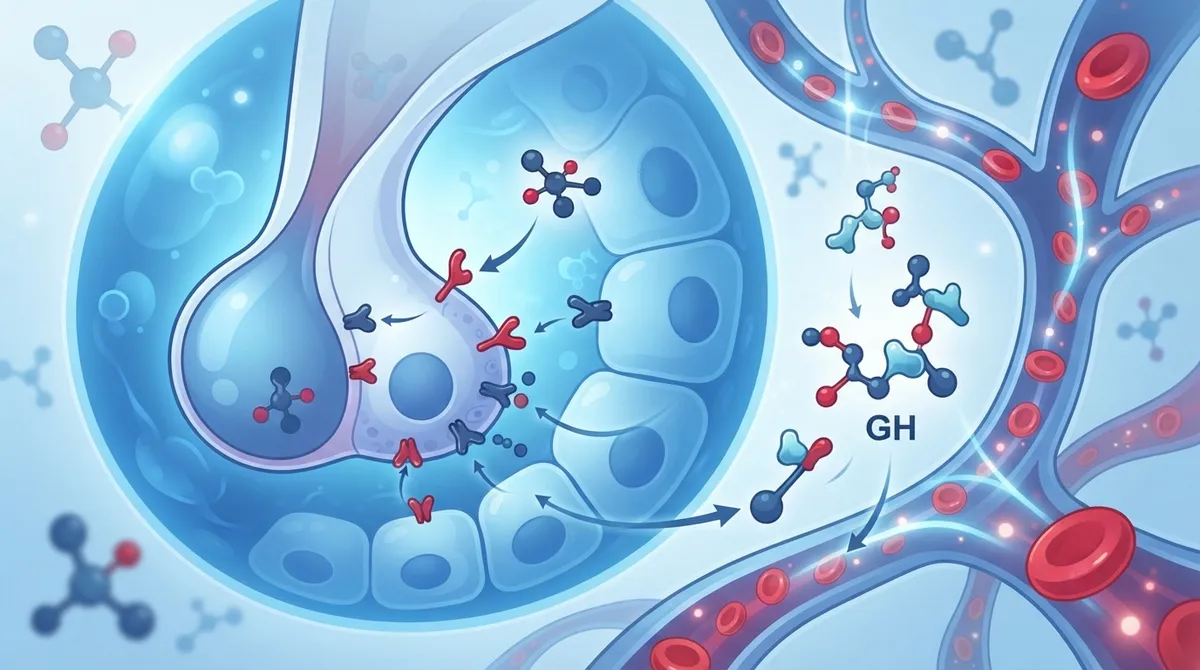
Ipamorelin is a synthetic peptide. It works by activating a receptor called the ghrelin receptor, known as GHS-R1a. This action can signal the pituitary gland to release the body's own growth hormone.
This is an important distinction. Ipamorelin does not add growth hormone directly to your body. Instead, it tries to stimulate your body to make more of its own. This mechanism sounds promising, but a plausible mechanism does not always translate into a proven clinical benefit.
2. Its Original Research Focus Was Postoperative Ileus, Not Wellness
Many people assume ipamorelin was studied for muscle building or anti-aging. In reality, early research explored its use for postoperative ileus. This is a temporary slowdown of bowel function that can happen after surgery.
A 2014 randomized clinical study tested ipamorelin for this specific condition. The study did not examine anti-aging, fat loss, or wellness outcomes at all. This research history is often left out when ipamorelin is marketed for broader use.
3. Human Evidence Remains Limited
Despite growing interest, the amount of solid human research on ipamorelin is small. Most available studies focused on short-term pharmacology or the postoperative ileus program mentioned above.
There is currently no strong evidence that ipamorelin works for growth hormone deficiency or common wellness goals like:
- Anti-aging or longevity support
- Fat loss or body composition changes
- Muscle building or athletic performance
- Sleep quality improvement
- Faster recovery from exercise or injury
If you are considering peptide therapy for any of these goals, it helps to ask your provider what the actual research shows rather than relying on anecdotal claims.
4. Ipamorelin Is Not FDA-Approved for Any Human Use
This is one of the most important facts to understand. According to FDA materials from an October 29, 2024 meeting of the Pharmacy Compounding Advisory Committee, the agency has not identified data supporting ipamorelin's effectiveness for growth hormone deficiency in adults or children, or for postoperative ileus.
This means that no matter how ipamorelin is marketed, it does not carry FDA approval for any indication. Products sold as ipamorelin are not subject to the same manufacturing and safety oversight as approved medications.
5. Regulatory Concerns Extend to Compounded Products
The FDA has also raised concerns about using ipamorelin-related bulk substances in compounded medications. A compounded product is not the same as an FDA-approved drug, even if a pharmacy or clinic offers it.
Before considering any compounded peptide, ask your provider about its regulatory status. Reviewing current FDA materials can help you understand what oversight, if any, applies to a specific product.
6. Long-Term Safety Data Is Not Established
Because ipamorelin stimulates growth hormone release, there are theoretical concerns about its effects on:
- IGF-1 levels, which relate to cell growth signaling
- Glucose regulation and insulin sensitivity
- Fluid balance in the body
- Conditions that may be sensitive to growth hormone signaling
The FDA's 2024 review specifically noted a lack of clinical safety data for subcutaneous ipamorelin use. These are theoretical concerns based on the mechanism of action, not confirmed outcomes from large safety trials. That distinction matters when weighing any decision about your health.
7. Side Effects Have Been Reported, Even If Rare
Some sources describe possible side effects associated with ipamorelin use, including injection site reactions, headache, and changes in appetite. Because formal safety trials in humans are limited, the full range and frequency of side effects is not well documented.
This gap in safety data is one reason primary care providers emphasize caution. Without robust clinical trials, it becomes difficult to know how common these reactions may be or who is most at risk.
8. A Conversation With Your Primary Care Provider Comes First
If you are curious about ipamorelin or any other peptide, the smartest first step is a conversation with a licensed clinician who knows your health history. A good discussion should include:
- Your specific health goals and whether ipamorelin's studied uses match them
- Full disclosure of all medications, supplements, and products you currently use
- A clear review of what evidence does and does not support
- An honest look at the product's regulatory status and quality assurance
At InCare, our providers including those featured on our providers page take time to walk through these questions with patients. We believe whole-body optimization should always start with facts, not marketing claims. Learn more about how we approach peptide therapy in Tampa and how our team evaluates these options for each patient's individual situation.
|
Topic |
What the Evidence Shows |
|---|---|
|
Mechanism of action |
Activates ghrelin receptor, may stimulate natural growth hormone release |
|
Studied medical use |
Postoperative ileus (2014 clinical trial) |
|
FDA approval status |
Not approved for any human indication as of 2026 |
|
Evidence for anti-aging or fat loss |
Not established by current research |
|
Long-term safety data |
Insufficient, especially for subcutaneous use |
How InCare Approaches Peptide and Wellness Conversations
Our clinics in Tampa and Riverview focus on comprehensive, whole-body care that goes beyond trends. Whether you are interested in DNA gene testing, body composition analysis, or a medically supervised weight loss program, our providers ground every recommendation in current evidence and your unique health profile.
We also offer services like IV hydration and vitamin drips, cancer screenings, and metabolic breath analysis to support proactive, preventive health. If you want to explore what wellness optimization looks like when it is backed by real clinical judgment, our team is ready to help. You can also follow our latest updates and patient stories on Facebook, Instagram, and TikTok.
Making an Informed Decision About Peptide Therapy
Understanding what is ipamorelin means separating a biologically plausible idea from a clinically proven benefit. The compound has an interesting mechanism, but the human research is limited, and it carries no FDA approval for any use. Anyone considering it should have an honest conversation with a primary care provider who can review their full health picture.
Patients across Tampa and Riverview trust InCare for guidance rooted in real evidence, not trends. You can see what our InCare patients say by visiting our Google Business Profile for InCare. If you have questions about peptide therapy, weight loss, or any other wellness service, our Tampa and Riverview locations are ready to help you build a plan based on facts and your personal goals.
Ready to talk with a provider who prioritizes evidence-based care? Book your appointment today and start your wellness journey with a team you can trust.
FAQs
Q: What does ipamorelin do in the body?
A: Ipamorelin activates the ghrelin receptor, which can signal the pituitary gland to release the body's own growth hormone. It does not supply growth hormone directly, and current evidence does not confirm reliable wellness benefits from this mechanism.
Q: Is ipamorelin FDA-approved?
A: No. As of 2026, ipamorelin is not FDA-approved for any human use. FDA materials from October 2024 state there is insufficient evidence supporting its effectiveness for growth hormone deficiency or postoperative ileus.
Q: Does ipamorelin help with weight loss or muscle gain?
A: Current research does not establish that ipamorelin is effective for weight loss or muscle gain. The available clinical studies focused on postoperative ileus, not body composition or athletic performance outcomes.
Q: What are the possible side effects and risks of ipamorelin?
A: Reported concerns include injection site reactions and theoretical risks related to IGF-1 levels, glucose regulation, and fluid balance. Long-term safety data, especially for subcutaneous use, remains limited according to FDA reviews.
Q: How is ipamorelin different from growth hormone or sermorelin?
A: Ipamorelin stimulates the body to release its own growth hormone through the ghrelin receptor, while growth hormone itself is administered directly. Sermorelin works through a different receptor pathway, and neither compound carries FDA approval for common wellness claims.