Key Takeaways
- You need a qualifying diagnosis, a physician certification from a Florida-qualified doctor, and registry enrollment. A diagnosis alone is not enough, since the doctor must also judge that benefits outweigh risks.
- Florida's statute names specific conditions such as cancer, epilepsy, glaucoma, HIV/AIDS, PTSD, ALS, Crohn's, Parkinson's, and MS. Chronic pain, anxiety, and insomnia are not on the list but may fall under other pathways.
- An initial certification requires an in-person exam and medical history review, plus checks of the prescription drug monitoring database and the Medical Marijuana Use Registry.
- You must be entered in the registry and hold a registry ID card before buying from a licensed Medical Marijuana Treatment Center. Minors need a second physician's concurrence, and pregnant patients generally cannot be certified.
If you are wondering what qualifies you for medical marijuana in Florida, you are not alone. Florida's program is one of the largest in the country. The Office of Medical Marijuana Use (OMMU) reports 930,643 patients with active registry identification cards in its 2026 annual report. Yet many residents still feel unsure about the rules, the conditions, and the steps involved.
The short answer is simple. You need a qualifying diagnosis, an evaluation by a state-qualified physician, and enrollment in the Medical Marijuana Use Registry. A diagnosis alone is not enough. The physician must also decide that the likely benefits outweigh the risks for you.
This guide walks you through seven key factors that determine eligibility. It is written for busy adults, young families, and wellness-minded patients across Tampa Bay who want clear, practical answers. This article is for general education only. It is not medical or legal advice, so always confirm current rules with OMMU and your clinician.

1. A Qualifying Medical Condition
The first step in understanding what qualifies you for medical marijuana in Florida is the diagnosis. Florida Statute §381.986 lists specific conditions that can make a patient eligible. A physician must confirm that you have at least one of them.
The conditions named in the statute include:
- Cancer
- Epilepsy
- Glaucoma
- HIV/AIDS
- Post-traumatic stress disorder (PTSD)
- Amyotrophic lateral sclerosis (ALS)
- Crohn's disease
- Parkinson's disease
- Multiple sclerosis (MS)
Many patients ask about chronic pain, anxiety, or insomnia. These are not on the named list. However, other pathways may apply, which are covered below. A strong primary care relationship helps here, because your doctor already knows your history. You can read more about medical cannabis for chronic pain and how clinicians approach it.
2. A Terminal Condition Diagnosis
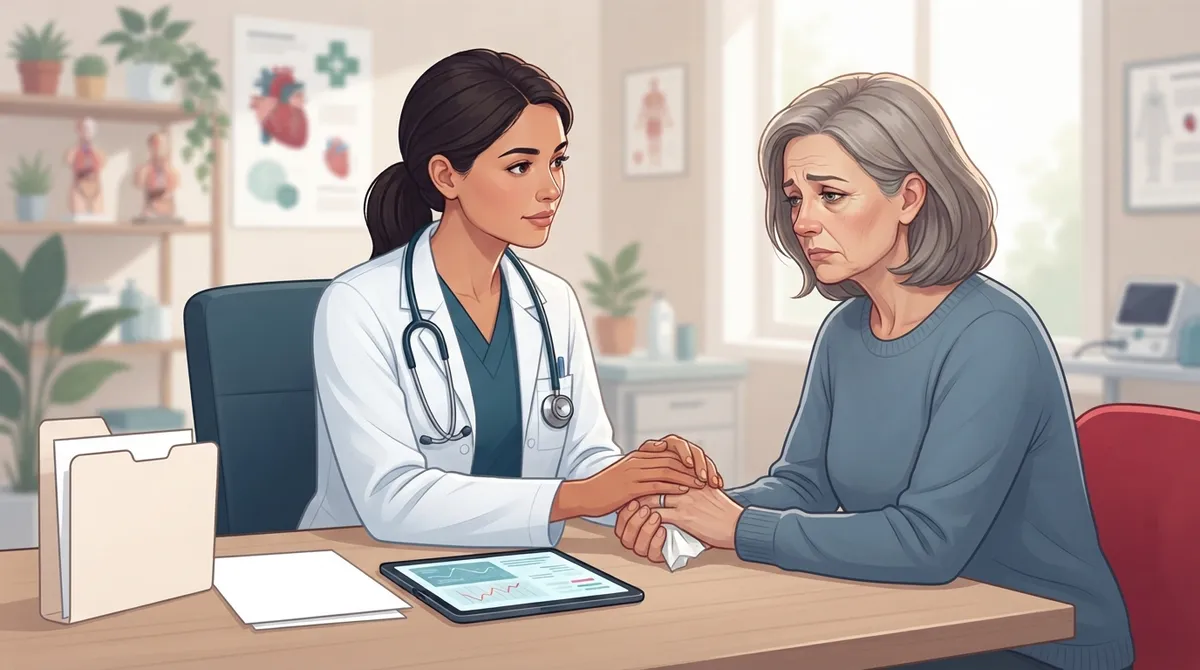
Florida law also allows certification for a terminal condition. The diagnosis must come from a physician other than the qualified physician who issues the certification. This adds a second layer of medical review.
This pathway matters for patients facing serious, life-limiting illness. It gives them access to symptom relief options when other care has limits. The certifying physician still must weigh benefits against risks for each individual.
3. A Condition Comparable to a Listed Condition
The statute also permits certification for a condition of the same kind or class as, or comparable to, the listed conditions. This is often called the comparable condition pathway. It is more involved than the standard route.
When a physician uses this pathway, they must provide supporting documentation. They must submit it to the Board of Medicine or Board of Osteopathic Medicine within 14 days. This step helps ensure that the decision is well documented and reviewed.
|
Pathway |
What You Need |
Extra Requirements |
|---|---|---|
|
Listed condition |
Diagnosis of a named condition |
Standard physician evaluation |
|
Terminal condition |
Terminal diagnosis by a different physician |
Second physician's diagnosis |
|
Comparable condition |
Condition similar to a listed one |
Documentation filed within 14 days |
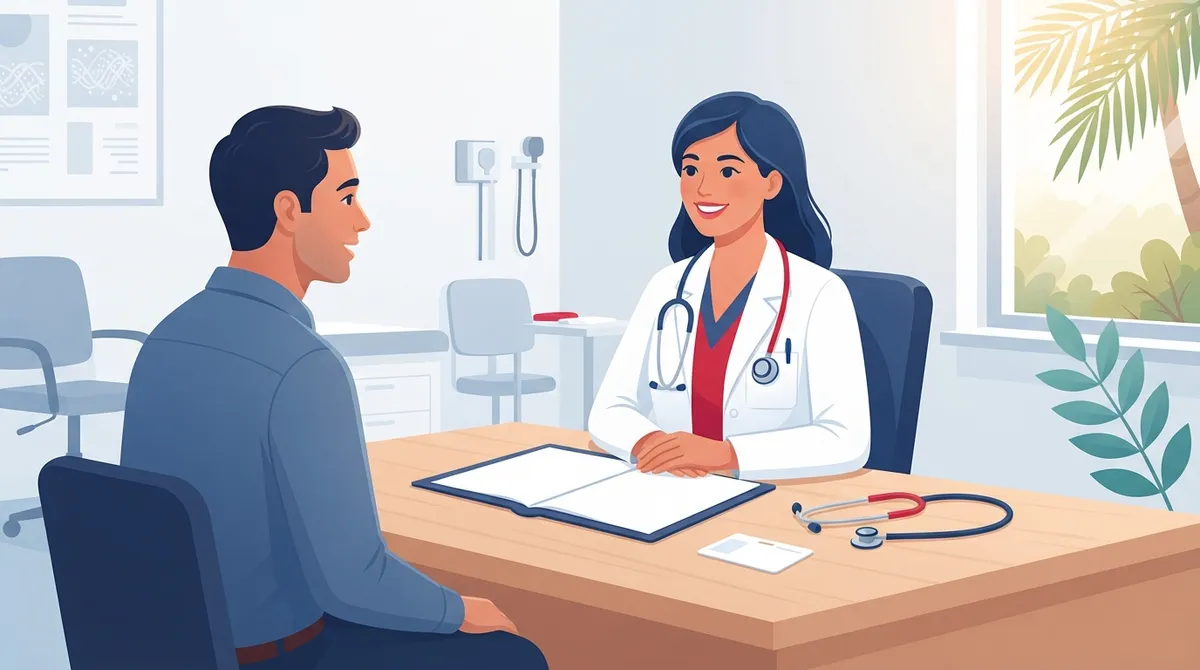
4. Evaluation by a Florida-Qualified Physician
Only a physician approved by the state can certify you. Florida requires qualified physicians to complete a two-hour course and examination. They must repeat this requirement before each license renewal.
This rule protects patients. It means the doctor reviewing your case has specific training in the program. It also means your certification follows state standards.
At InCare, patients can see experienced clinicians who understand whole-body health. You can learn more about our providers and how they approach personalized care. For local details, see our guide to a medical cannabis doctor in Tampa, FL.
5. An In-Person Exam and Medical History Review
For an initial certification, the physician must conduct an in-person physical examination. They must also review your medical history. This is not a quick form or a simple online quiz.
The physician must also complete several safety checks:
- Review the state prescription drug monitoring database.
- Check the Medical Marijuana Use Registry for any other active certification.
- Determine and document your pregnancy status, if applicable.
- Decide and document that the expected benefits outweigh the health risks.
These steps keep care safe and consistent. They also show why a trusted primary care clinic is a smart place to start. Your doctor can look at your full health picture, not just one symptom. If you want to prepare, our article on how to prepare for a medical marijuana evaluation in Tampa offers helpful tips.
6. Special Rules for Minors, Pregnancy, and Residency
Some patients face extra requirements. Knowing them early saves time and stress.
Patients Under 18
Minors need a second physician's concurrence. That second doctor must agree that the benefits outweigh the risks. This protects younger patients and gives parents added confidence.
Pregnancy
The physician must document pregnancy status. A pregnant patient may not receive a certification for medical marijuana. The exception is low-THC cannabis.
Residency
Florida's definition of a qualified patient includes Florida residents. The statute also provides a process for seasonal residents, with documentation requirements. Visitors and part-time residents should confirm current residency and card rules with OMMU before booking a visit.
7. Registry Enrollment and an Identification Card
Qualifying is not the final step. After certification, the physician enters your information into Florida's Medical Marijuana Use Registry. You must then be registered and receive a registry identification card.
Only then can you purchase medical marijuana from a licensed Medical Marijuana Treatment Center (MMTC). Keep your card current, since certifications and cards need renewal. Your clinic can help you track those dates.
Here is the full path in order:
- Confirm you have a qualifying condition.
- Book an evaluation with a Florida-qualified physician.
- Complete the in-person exam and history review.
- Receive certification entered into the registry.
- Apply for and receive your registry identification card.
- Purchase from a licensed MMTC.
Why Start With a Primary Care Clinic
Medical marijuana is one piece of a larger health plan. A primary care team can review your medications, screen for risks, and coordinate other treatments. That is especially valuable if you take several prescriptions or manage a chronic illness.
InCare combines technology with medical expertise to support prevention and whole-body wellness. Our services range from primary care and cancer screening to DNA gene testing. You can also explore our overview of medical marijuana licensing in Tampa and our broader guide on what medical cannabis is. For the latest updates, you can follow us on Instagram, Facebook, and TikTok.
Patients across Tampa and Riverview trust our team, and you can see what our InCare patients say on Google. Our office is also easy to reach if you want to talk through your options first. Learn more about our locations to find the most convenient clinic.
Key Takeaways
- You need a qualifying diagnosis, not just a wish for treatment.
- A Florida-qualified physician must examine you in person for an initial certification.
- The doctor must decide that benefits outweigh risks.
- Minors, pregnant patients, and seasonal residents have extra rules.
- You must be in the registry and hold an identification card to buy from a licensed MMTC.
Take the Next Step
Understanding what qualifies you for medical marijuana in Florida is the first step toward informed care. The rules are clear once you break them down. A qualifying condition, a proper evaluation, and registry enrollment all work together to keep the process safe.
If you want guidance from a team that looks at your whole health, we are here to help. Book your appointment with InCare today, or contact our team with questions about eligibility. We will help you understand your options and choose a path that fits your goals.
FAQs
Q: What medical conditions qualify for medical marijuana in Florida?
A: Florida Statute §381.986 names cancer, epilepsy, glaucoma, HIV/AIDS, PTSD, ALS, Crohn's disease, Parkinson's disease, and multiple sclerosis. The law also allows certification for terminal conditions and for conditions comparable to those listed. A physician must still decide that the benefits outweigh the risks.
Q: Do you need an in-person visit for a first medical marijuana certification in Florida?
A: Yes. For an initial certification, the qualified physician must conduct an in-person physical examination and review your medical history. The physician must also check the prescription drug monitoring database and the Medical Marijuana Use Registry.
Q: Can minors or pregnant patients qualify for medical marijuana in Florida?
A: Patients under 18 need a second physician's concurrence that the benefits outweigh the risks. A pregnant patient may not receive a certification for medical marijuana, except for low-THC cannabis. Physicians must document pregnancy status as part of the evaluation.
Q: Can a seasonal resident qualify for medical marijuana in Florida?
A: The statute includes Florida residents and provides a process for seasonal residents with documentation requirements. Rules can change, so confirm current residency and card requirements with the Florida Department of Health's Office of Medical Marijuana Use before booking.
Q: What happens after a doctor certifies you for medical marijuana?
A: The physician enters your certification into the Medical Marijuana Use Registry. You must then be registered and receive a registry identification card. With that card, you can purchase from a licensed Medical Marijuana Treatment Center.