Key Takeaways
- Request refills 3-5 business days before running out; your provider needs time to review your chart, labs, and dosage before approving each refill, and waiting until the last pill causes dangerous treatment gaps.
- Understand that Schedule II controlled substances cannot be refilled and require a new prescription each visit, while Schedule III-IV allow up to 5 refills within 6 months; federal law strictly enforces these limits.
- Gather medication name, dosage, pharmacy location, and any health changes before calling your clinic; incomplete requests delay approval and using one consistent pharmacy prevents dangerous drug interactions.
- Telehealth visits work for most routine non-controlled medications and are now allowed for some controlled substances through December 2026; confirm your provider's current policy before assuming virtual appointments are available.
Running out of medication is stressful. It gets worse when a refill request sits unanswered for days. Many patients make small mistakes that slow down the process without even realizing it. Understanding how a primary care doctor prescription refills process actually works can save you time, protect your health, and prevent gaps in treatment.
Whether you take a daily blood pressure pill or manage a chronic condition, refills are not automatic. Your clinician reviews your health before approving each one. This article breaks down the most common mistakes patients make and shows you how to avoid them. It also explains the current rules for controlled substances, telehealth prescribing, and what to do if you run low on medicine before your next fill.
Mistake 1: Waiting Until the Last Pill to Request a Refill
One of the biggest errors patients make is waiting too long to ask for more medicine. A refill request is not always approved instantly. Your provider may need to check your chart, review recent lab work, or confirm your dosage is still correct.
Research shows that out of every 100 prescriptions written, only 15% to 20% are refilled exactly as directed (PMC, 2025). This gap often happens because people wait too long or forget to plan ahead.
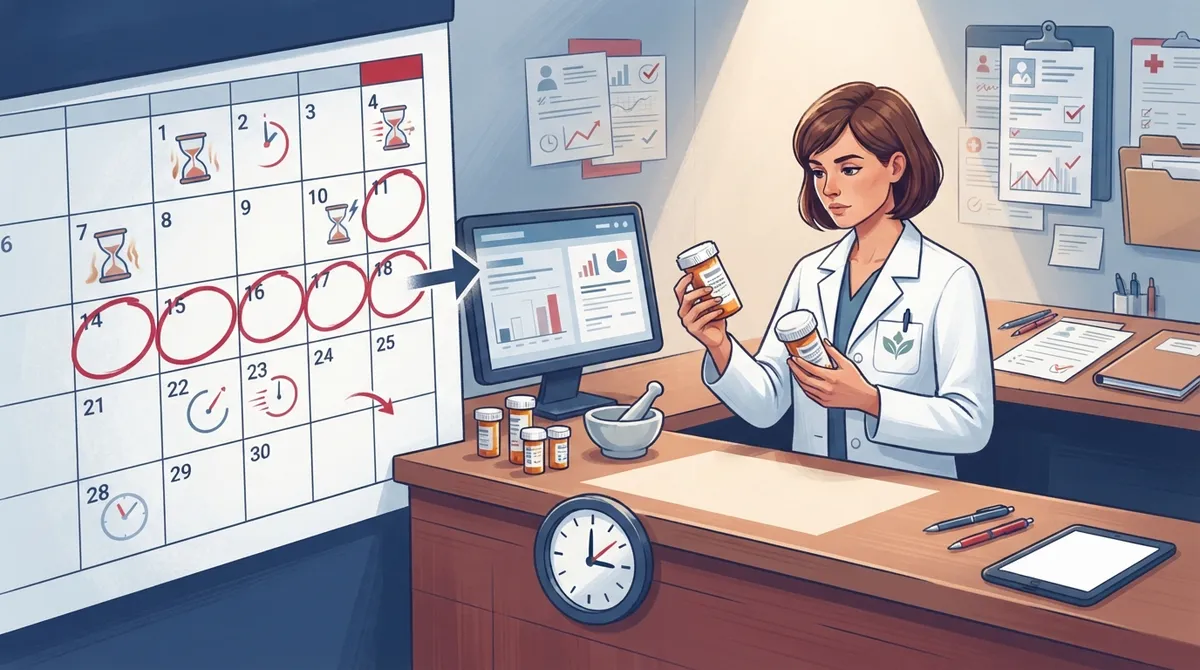
- Request refills at least 3 to 5 business days before you run out
- Call your pharmacy first to confirm how many refills remain
- Contact your clinic early if you're traveling or if your pharmacy is closed for a holiday
- Set a phone reminder a week before your supply runs low
Planning ahead gives your care team time to review your chart properly. It also avoids the panic of running out with no backup plan.
Mistake 2: Assuming Every Refill Gets Automatic Approval
A refill request does not guarantee approval. Your primary care provider reviews several factors before signing off, including:
- Your current diagnosis and whether the medicine still fits your needs
- How well the medication has worked for your symptoms
- Any new side effects or allergic reactions
- Interactions with other medicines you are taking
- Kidney or liver function, especially for long-term prescriptions
- Recent blood pressure readings or lab results
- Whether you have kept up with follow-up visits
If your condition seems unstable, or if it has been a while since your last visit, your doctor may ask you to come in first. This is not a delay tactic. It is a safety check to make sure your treatment plan is still right for you.
Mistake 3: Not Knowing the Difference Between a Refill and a Renewal
These two terms sound similar, but they mean different things. A pharmacy refill uses fills that are already authorized on your prescription. A prescription renewal happens when your prescription has expired or has zero refills left, requiring a brand new authorization from your doctor.
Knowing which one you need helps you contact the right place first. If you still have refills listed on your bottle, your pharmacy may be able to help directly. If not, you will need to reach out to your clinic for a new prescription.
Mistake 4: Misunderstanding Controlled Substance Rules
Controlled substances follow much stricter rules than routine medications. These rules exist to protect patients and prevent misuse. Here is a simple breakdown of what the law allows:
|
Drug Schedule |
Refill Rules |
Example Medications |
|---|---|---|
|
Schedule II |
No refills allowed. A new prescription is required every time. |
Certain ADHD medications, strong pain relievers |
|
Schedule III & IV |
Up to 5 refills within 6 months of the original prescription date |
Some anti-anxiety medications, certain cough medicines |
|
Schedule V |
Refill rules vary by state and pharmacy policy |
Low-dose codeine products |
These limits come from federal law (21 CFR 1306.22 and 21 CFR 1306.12) and cannot be adjusted by request. If you take a Schedule II medicine, plan to see your provider regularly since no refills are permitted.
Mistake 5: Ignoring Prescription Monitoring for Controlled Medications
Primary care practices are required to check more than just your symptoms before refilling controlled substances. Your provider may review:
- State prescription-monitoring program data
- Timing of your last visit and dose history
- Other sedatives or medications you may be taking
- Whether your request seems early or unusual
- Toxicology results, when clinically appropriate
Practices often limit bridge supplies to about one month, especially when a covering provider is involved (Health Plan of San Mateo, 2026). This is standard practice, not a sign of distrust. It is meant to keep you safe and catch potential problems early.
Mistake 6: Overlooking Telehealth Options for Refills
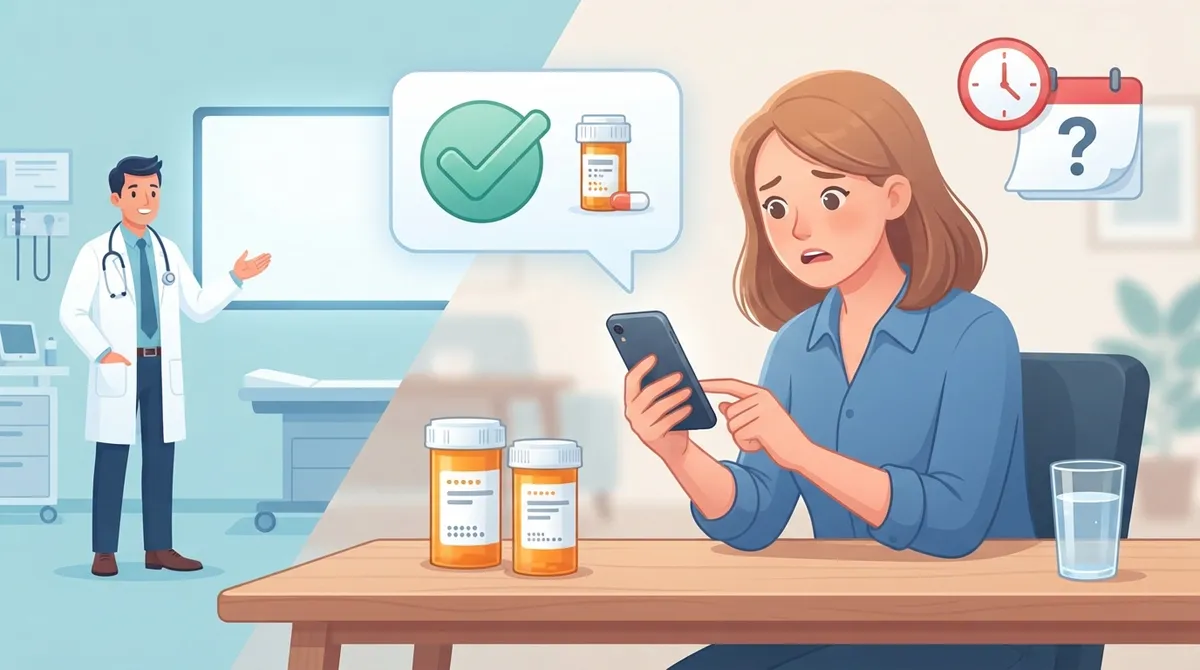
Many patients still assume every refill requires an in-person visit. That is no longer true for most routine medications. Telehealth visits often work well for renewing blood pressure medicine, cholesterol drugs, and other stable, non-controlled prescriptions.
Even controlled substances have some flexibility right now. Federal rules currently allow qualified, DEA-registered providers to prescribe Schedule II through V medications through telemedicine without a prior in-person visit, as long as state and federal requirements are met. This flexibility is extended through December 31, 2026 (HHS, 2026). Rules can change, so always confirm current policy with your provider before assuming a virtual visit will work for your situation.
Tech-savvy patients who prefer convenience often find that telemedicine appointments save time without sacrificing quality of care. This is especially helpful for busy parents, working professionals, and anyone juggling a packed schedule.
Mistake 7: Not Preparing the Right Information Before You Call
A rushed or incomplete refill request can slow things down. Before you contact your clinic or pharmacy, gather the following details:
- The exact medication name and dosage
- Your prescription number, if available
- The name and location of your pharmacy
- Any changes in your health since your last visit
- A list of any new medications or supplements you have started
Using one pharmacy whenever possible also helps. It allows your pharmacist to catch potential drug interactions and keep your records organized (MedlinePlus, 2026). This small habit can prevent bigger problems down the road.
What to Do If You Run Out Before Your Refill Is Approved
Never stop taking an essential medication without medical advice, even if you are waiting on approval. Instead:
- Call your pharmacy to ask about an emergency supply
- Contact your clinic directly and explain the situation
- Ask about a short bridge supply while your full refill is reviewed
- Avoid skipping doses or doubling up without guidance
Stopping certain medications suddenly, like blood pressure drugs or antidepressants, can cause serious health risks. If you are ever unsure, reach out to your care team right away instead of guessing.
Why a Strong Primary Care Relationship Makes Refills Easier
Patients who have an established relationship with their doctor often experience smoother refill processes. Your provider already knows your history, your medications, and your health goals. This makes it easier to approve routine refills quickly while still catching any warning signs.
At InCare, patients across Tampa and Riverview benefit from providers who take time to understand each person's full health picture. Whether you need a routine refill, a wellness check, or management for a chronic condition like diabetes or high blood pressure, having one trusted care team simplifies everything. Learn more about how primary doctors help manage chronic illnesses and why consistent care matters for long-term health.
Preventive care and medication management go hand in hand. Practices that focus on whole-person wellness, like weight loss programs and cancer screening services, often build stronger patient relationships that make everyday needs, like refills, far less stressful.
Quick Checklist for Faster Refills
Use this simple checklist before your next refill request:
- Check your pill bottle for remaining refills
- Request refills 3 to 5 business days early
- Have your medication name, dose, and pharmacy ready
- Mention any new symptoms or side effects
- Confirm if a visit or lab work is needed first
- Ask about telehealth options if an in-person visit isn't required
- Keep your pharmacy consistent for better tracking
Following these steps can help you avoid delays and stay on track with your treatment plan.
Many patients also turn to social platforms to learn more about clinic services and updates. You can follow InCare on Facebook or check out patient tips and wellness content on Instagram and TikTok for more health guidance throughout the year.
Choosing a Primary Care Partner You Can Rely On
Prescription refills are just one part of a bigger picture. The real value comes from having a primary care team that knows your history and responds quickly when you need them. InCare's locations in Tampa and Riverview offer urgent care, wellness services, and same-day support designed around real patient needs.
Patients consistently rate InCare highly for its responsive staff and thorough care. You can visit us on Google — InCare to see what current patients say about their experience with refills, appointments, and overall care quality.
If you are searching for a primary care team that makes prescription management simple and stress-free, now is the time to make the switch. Schedule your appointment today and experience a smoother, more personalized approach to your healthcare needs.
FAQs
Q: How do I request a prescription refill from my primary care doctor?
A: Contact your clinic or use the patient portal several days before your medication runs out. Provide the medication name, dosage, and your pharmacy's information. Your provider will review your chart before approving the refill.
Q: Can my primary care doctor refill a prescription without an appointment?
A: Many routine, non-controlled medications can be refilled without an office visit if your condition is stable. However, your doctor may require an appointment or updated labs if it has been a while since your last check-up.
Q: Can a primary care doctor refill controlled substances or ADHD medication?
A: Yes, but with added safeguards. Schedule II medications cannot be refilled and require a new prescription each time, while Schedule III and IV medications allow up to five refills within six months under federal law.
Q: Can I get a prescription refill through a telehealth appointment?
A: Yes. Many routine medications can be renewed through telehealth. Current federal flexibilities also allow certain controlled substance prescriptions through telemedicine, though state and provider-specific rules still apply.
Q: What should I do if I run out of medication before my refill is approved?
A: Contact your pharmacy and clinic right away to explain the situation. Do not stop essential medications without medical guidance. Your provider may authorize a short bridge supply while your full refill is reviewed.