Key Takeaways
- Botox and GHK-Cu work differently: Botox blocks muscle contractions to reduce dynamic wrinkles in 3-4 months, while topical GHK-Cu gradually supports collagen production over 8-12 weeks and works best for fine lines and skin quality.
- Match your wrinkle type to the right treatment: Botox is proven for movement-related lines (frown lines, crow's feet), while GHK-Cu topical products are better for static fine lines and general skin dullness from collagen loss.
- Injectable GHK-Cu lacks sufficient safety data and FDA approval for cosmetic use, unlike Botox; always consult a licensed provider before trying injectable peptides, as most reliable evidence supports only topical GHK-Cu formulations.
- Factor in cost and commitment before choosing: Botox requires quarterly visits with predictable upfront costs, while topical GHK-Cu demands daily application and ongoing purchases that accumulate over months, requiring realistic budget planning.
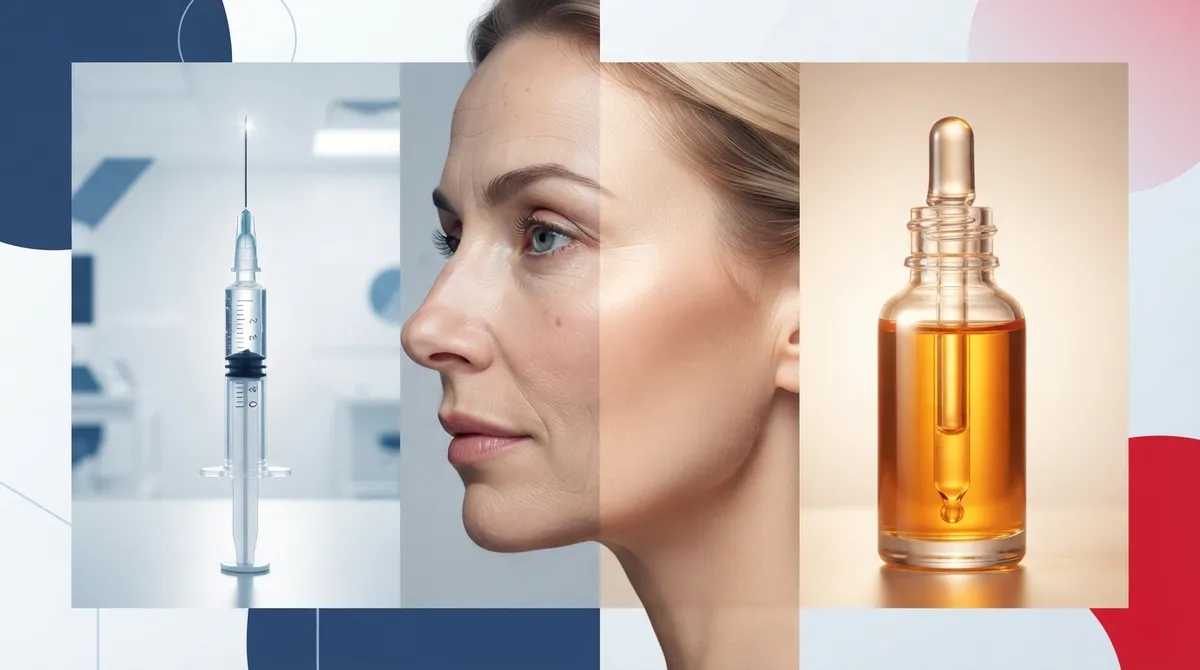
Choosing between GHK-Cu and Botox can feel confusing. Both promise smoother, younger-looking skin. But they work in very different ways, and mixing up their roles can waste your money and time. If you are searching for wrinkle solutions in Tampa or Riverview, understanding these differences first can save you from disappointment later.
At InCare, our providers help patients sort through wellness trends with clear, honest guidance. This article breaks down seven common mistakes people make when comparing GHK-Cu and Botox, so you can make a smart, informed choice for your skin and your budget.
Mistake 1: Assuming GHK-Cu and Botox Do the Same Job
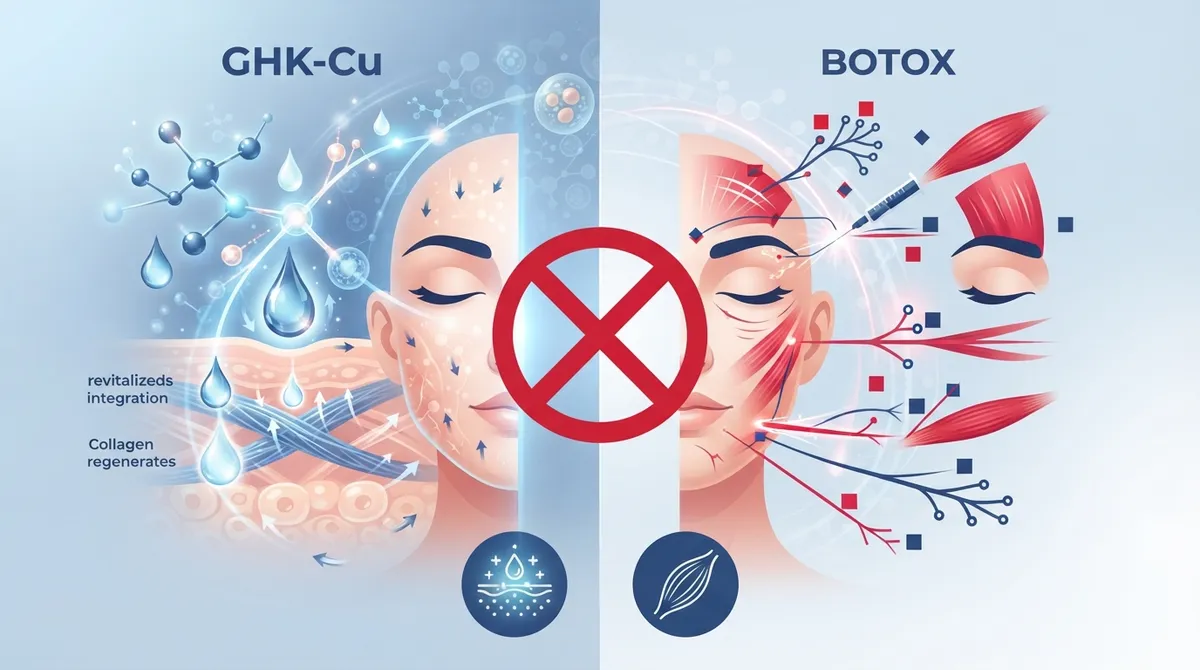
Many people think these two treatments are interchangeable. They are not. Botox Cosmetic contains onabotulinumtoxinA, a prescription medicine that temporarily blocks nerve signals to muscles. This stops muscles from contracting, which softens lines caused by movement, like frown lines or crow's feet.
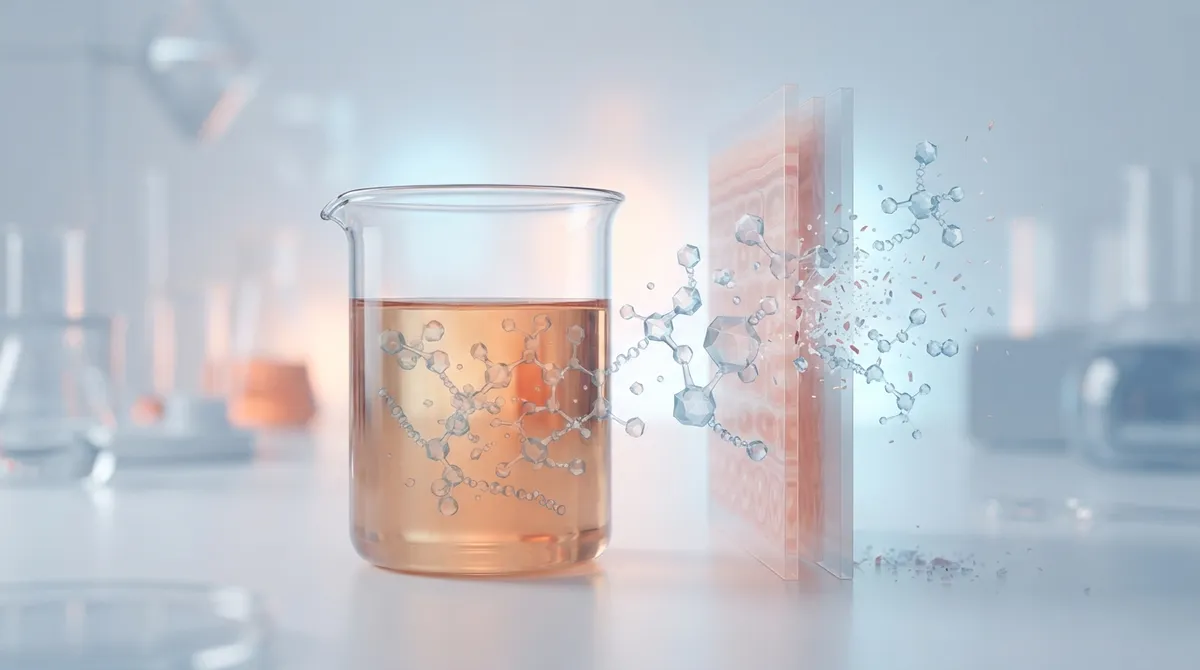
GHK-Cu, also called copper tripeptide-1, works completely differently. It is a naturally occurring peptide that may support collagen production and skin repair when applied topically. Most of the evidence for GHK-Cu comes from cosmetic skin-care studies, not injections.
- Botox targets muscle activity beneath the skin
- GHK-Cu targets skin cells and collagen structure
- Botox is a prescription drug with FDA-approved cosmetic uses
- GHK-Cu is mostly sold as a topical skincare ingredient
Understanding this difference is the first step. If you want muscle-related lines gone fast, Botox is the proven option. If you want to support overall skin quality over time, GHK-Cu may help as part of a broader routine.

Mistake 2: Expecting the Same Results Timeline
Botox and GHK-Cu do not work on the same schedule. Botox typically shows visible results within a few days. Most patients see full effects by day 10 to 14, and results usually last three to four months.
GHK-Cu is much slower. Topical studies show improvements in skin texture and fine lines after about 8 to 12 weeks of regular use. Some formulations may take even longer, and results vary based on the product quality and how well it penetrates the skin.
- Botox: visible change in days, lasts 3-4 months
- GHK-Cu: gradual change over 8-12+ weeks with consistent use
- Botox: single in-office procedure per treatment cycle
- GHK-Cu: daily or twice-daily topical application required
If you need dramatic results before a big event, Botox is the faster path. If you are building a long-term skincare plan, GHK-Cu can be part of that strategy, but patience is required.
Mistake 3: Ignoring Which Wrinkle Type You Actually Have
Not all wrinkles are the same, and this matters when picking a treatment. Dynamic wrinkles form from repeated muscle movement, like smiling or squinting. Static wrinkles remain visible even when your face is relaxed, often from loss of collagen and elasticity.
Dynamic Lines vs Static Lines
|
Wrinkle Type |
Best Suited Treatment |
Why |
|---|---|---|
|
Glabellar lines (frown lines) |
Botox |
Caused by muscle contraction |
|
Forehead lines |
Botox |
Movement-related creasing |
|
Crow's feet |
Botox |
Result of repeated squinting |
|
Fine lines from dryness |
Topical GHK-Cu |
May support hydration and firmness |
|
General skin dullness |
Topical GHK-Cu |
May support collagen remodeling |
A qualified provider can examine your skin and recommend the right approach. Guessing on your own often leads to spending money on the wrong solution.
Mistake 4: Overlooking Safety and Regulatory Differences
This is one of the biggest mistakes people make. Botox is a well-studied, FDA-approved prescription medicine. It carries known risks such as bruising, headache, and temporary asymmetry. It also has a boxed warning about the rare possibility of toxin spreading beyond the injection site, according to FDA prescribing information.
GHK-Cu, especially in injectable form, is a different story. There is limited long-term human research on injectable GHK-Cu for cosmetic use, and it lacks the same clear regulatory approval as Botox for this purpose. Topical GHK-Cu products are generally considered low-risk for irritation, but quality varies widely between brands.
- Botox requires a licensed clinician and medical screening beforehand
- Injectable GHK-Cu lacks robust safety data for cosmetic use
- Topical GHK-Cu may cause redness or sensitivity in some users
- Product concentration and formulation stability affect GHK-Cu results
Never assume a product is safe just because it is sold online. Always discuss new treatments with a primary care provider before starting, especially if you have existing health conditions or take other medications.
Mistake 5: Trying Injectable GHK-Cu Without Medical Guidance
Some wellness trends promote injectable GHK-Cu as a Botox alternative. This deserves extra caution. According to research reviewed in publications like the National Institutes of Health archive, most reliable evidence on GHK-Cu concerns topical formulations, not injections.
Skin penetration studies suggest that intact skin limits how much GHK-Cu actually absorbs. Some methods, like microneedling, may increase penetration, but this does not automatically make at-home or unsupervised injectable use safe or effective.
Questions to Ask Before Trying Injectable GHK-Cu
- Is this product manufactured under medical-grade standards?
- Has a licensed clinician reviewed my health history first?
- What does the current research say about long-term safety?
- Is there an FDA-approved alternative that fits my goals better?
If you are curious about peptide therapies in general, our peptide therapy team in Tampa can walk you through what is currently supported by evidence and what is still experimental.
Mistake 6: Forgetting to Factor In Cost and Maintenance
Cost is often overlooked until the bills start adding up. Botox requires repeat visits every three to four months to maintain results. Each session has an upfront cost, but the process is quick and predictable.
GHK-Cu topical products require ongoing daily purchases. While a single tube or bottle may seem affordable, the cumulative cost over months adds up. Quality formulations also tend to cost more than budget drugstore versions.
|
Factor |
Botox |
Topical GHK-Cu |
|---|---|---|
|
Treatment frequency |
Every 3-4 months |
Daily or twice daily |
|
Time to results |
Several days |
8-12+ weeks |
|
Best for |
Dynamic wrinkles |
Fine lines, skin quality |
|
Administration |
In-office injection |
At-home application |
|
Regulatory status |
FDA-approved for cosmetic use |
Cosmetic ingredient, not a drug |
Think about your budget and lifestyle before committing to either option. A conversation with your primary care team can help you plan realistic, sustainable wellness spending.
Mistake 7: Skipping a Professional Consultation Altogether
The biggest mistake is trying to self-diagnose your skin needs without any medical input. Everyone's skin, medical history, and goals are different. A provider can consider your age, skin condition, medications, and even pregnancy status before recommending a plan.
At InCare, our providers including Dr. Pramjeet Ahluwalia and Dr. Teshy John take a whole-body approach to wellness. This means looking beyond just wrinkles to your overall health, since skin quality often reflects nutrition, hydration, and hormone balance.
- Get a proper skin assessment before choosing a treatment
- Ask about combining approaches safely, if appropriate
- Confirm any product's safety profile with a licensed provider
- Review your full medical history, including allergies and medications
Many patients in Tampa and Riverview also explore related wellness services alongside skin care, such as IV hydration and vitamin drips or DNA gene testing to understand how their body ages and repairs itself. These insights can shape a smarter, more personalized approach to anti-aging care.
Can You Use Both GHK-Cu and Botox Together?
For many patients, the answer is yes. Since these treatments work through different mechanisms, some providers use them together as part of a layered skincare approach. Botox addresses movement-related wrinkles, while a topical GHK-Cu product may support overall skin texture and hydration in the background.
However, always confirm this plan with a licensed clinician first. Your provider can check for interactions, skin sensitivities, or timing issues before combining treatments.
Why Local Guidance Matters
Wellness trends move fast, and not every product marketed online has solid science behind it. Working with a local, trusted clinic means you get advice based on your actual health, not just marketing claims. InCare has built a strong reputation across Tampa and Riverview, holding a 4.8 out of 5 rating from patients who value clear, honest care.
You can also see what real patients say by visiting InCare on Google, where reviews highlight friendly staff and attentive providers. For more everyday health tips and updates, follow InCare on Facebook, Instagram, and TikTok.
Making the Right Choice for Your Skin and Budget
Both GHK-Cu and Botox have a place in modern wellness care, but they are not substitutes for each other. Botox remains the stronger, faster option for movement-related wrinkles with decades of clinical backing. GHK-Cu may offer gentle, gradual support for skin quality, but it works best as a topical addition rather than a Botox replacement, especially in injectable form where evidence is still limited.
Avoiding these seven mistakes can save you money, protect your health, and help you get results that actually match your goals. Whether you are curious about wrinkle treatments, weight loss programs, or full-body wellness testing, a knowledgeable team makes all the difference.
Ready to talk through your options with a provider who listens? Reach out to our team today or schedule your appointment online to start building a skincare and wellness plan that actually works for you.
FAQs
Q: Is GHK-Cu better than Botox for wrinkles?
A: Neither is universally better; they treat different problems. Botox is more effective for movement-related lines like frown lines and crow's feet, while topical GHK-Cu may support overall skin quality and fine lines over time. Your choice should depend on your specific wrinkle type and goals.
Q: Can GHK-Cu replace Botox for forehead lines or crow's feet?
A: No, GHK-Cu is not a proven substitute for Botox on movement-related wrinkles. Botox has strong clinical evidence for these dynamic lines, while GHK-Cu's evidence is mostly limited to topical skin quality improvements, not muscle-related wrinkle reduction.
Q: How long does GHK-Cu take to improve skin?
A: Topical GHK-Cu typically requires about 8 to 12 weeks of consistent use before noticeable improvements in texture or fine lines appear. Results vary based on formulation quality and individual skin response.
Q: Is injectable GHK-Cu safe and FDA approved?
A: Injectable GHK-Cu lacks the same robust safety data and regulatory approval that Botox has for cosmetic use. Patients should approach injectable GHK-Cu with caution and always consult a licensed medical provider first.
Q: Can you use GHK-Cu serum and Botox together?
A: Many patients safely combine topical GHK-Cu with Botox since they work through different mechanisms. Always confirm this approach with a qualified clinician to ensure it fits your skin type and health history.