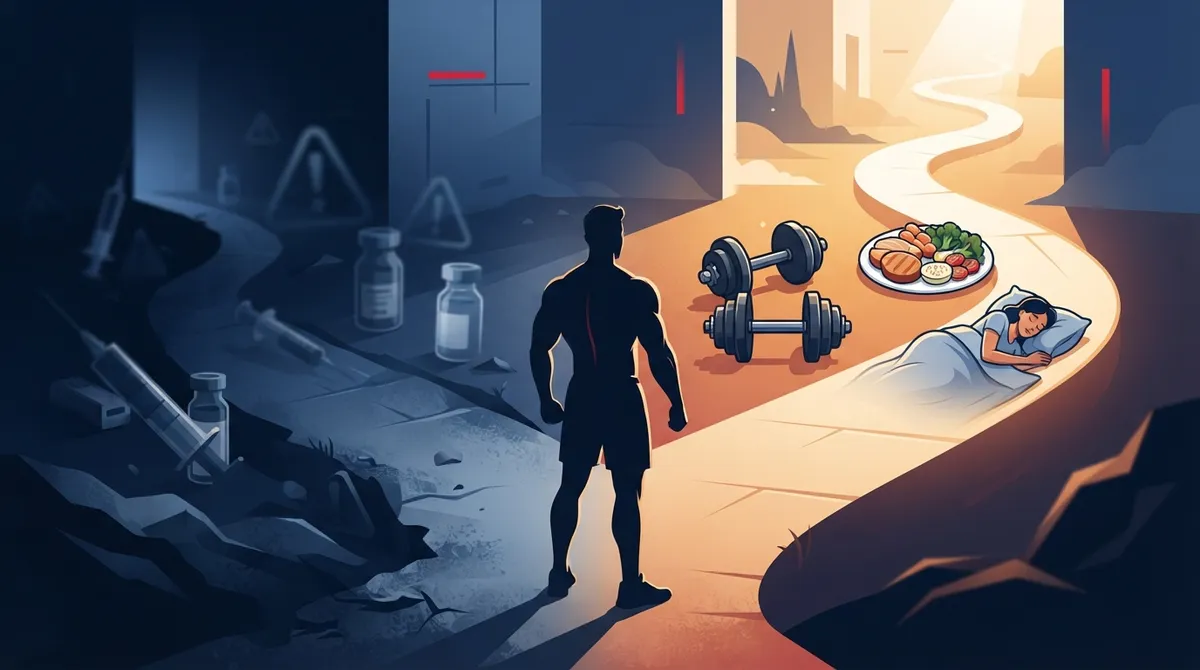
Key Takeaways
- No randomized controlled human trials confirm that popular bodybuilding peptides like ipamorelin, CJC-1295, or BPC-157 actually improve muscle mass, strength, or recovery in lifters—most claims rely on animal studies, not human evidence.
- Unregulated peptide injections carry documented risks including fluid retention, joint pain, insulin resistance, carpal tunnel symptoms, and infection at injection sites, with inconsistent quality control and unknown potency.
- Growth hormone-releasing peptides including CJC-1295, ipamorelin, and MK-677 are banned by WADA for competitive athletes under section S2 of the 2026 Prohibited List and could end athletic careers regardless of effectiveness.
- Proven alternatives like structured resistance training with progressive overload, adequate protein intake, quality sleep, and medically supervised treatment are safer and more effective for muscle building and recovery than unverified peptides.
Scroll through any fitness forum and you will see ads for peptides that promise bigger muscles, faster recovery, and quicker fat loss. Names like CJC-1295, ipamorelin, and BPC-157 show up constantly. But before you inject anything into your body, you deserve real facts, not marketing hype.
At InCare, we talk with patients across Tampa and Riverview who have questions about these products. Some have already tried them. Others are just curious. This guide breaks down what peptides for bodybuilding actually are, what the science really shows, and why a conversation with a primary care provider matters more than any online ad. If you want personalized guidance, our providers are ready to help you make informed choices about your health.
1. What Are Peptides for Bodybuilding, Really?
The phrase "peptides for bodybuilding" usually points to unapproved compounds sold online to boost growth hormone, build muscle, burn fat, or speed up injury recovery. Common examples include:
- CJC-1295 and ipamorelin, often sold together as a growth hormone booster
- GHRP-2 and GHRP-6, other growth hormone releasing peptides
- Sermorelin, marketed for anti-aging and muscle support
- MK-677 (ibutamoren), a growth hormone secretagogue taken orally
- BPC-157 and TB-500, promoted for tendon and muscle healing
These products are frequently labeled "research chemicals." That label matters. It means they are not approved for human use, and their labeling, purity, and dosing are not verified by any regulatory body. You genuinely do not know what you are injecting.
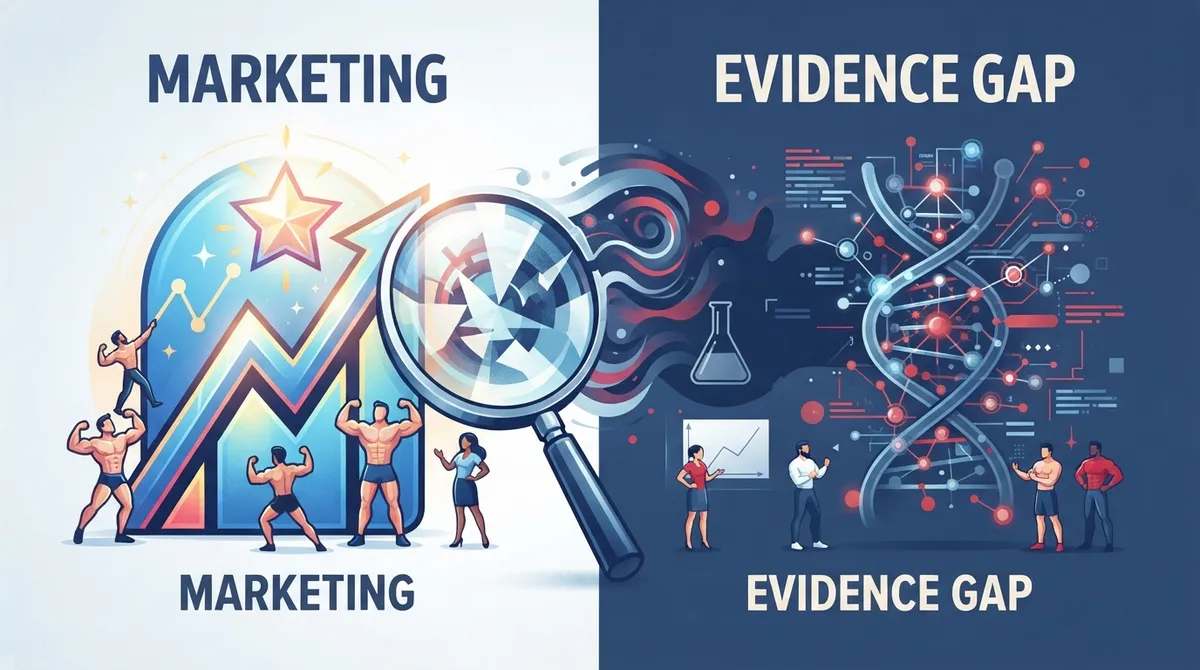
2. The Evidence Gap Is Bigger Than Marketing Suggests
Some peptide medicines do have strong human evidence. Insulin and GLP-1 receptor agonists are approved for specific medical conditions. But approval for one use does not mean a peptide is safe or effective for muscle building. This is a critical distinction lost in most sales pitches.
As of the latest evidence reviews, no randomized controlled human trials have confirmed BPC-157 works for any indication, including bodybuilding recovery. Likewise, no published human trials show ipamorelin improves muscle mass, strength, or recovery in lifters. Even the popular CJC-1295 and ipamorelin combination has never been tested in a proper human trial for performance outcomes.
Most of what gets shared online comes from animal studies, lab research, or small pharmacokinetic trials. None of these adequately measure hypertrophy, strength gains, or long-term safety in resistance-trained adults. That gap between hype and hard proof should give any serious lifter pause.
3. Does Increasing Growth Hormone Actually Build Muscle?
Many bodybuilding peptides work by raising growth hormone or IGF-1 levels. But higher growth hormone does not automatically mean more muscle or strength. The body's response is more complicated than that simple equation suggests.
Excess growth hormone signaling can actually cause problems, including:
- Fluid retention and swelling (edema)
- Joint and muscle pain
- Carpal tunnel symptoms
- Insulin resistance and glucose intolerance
- Worsening of sleep apnea in people already at risk
These are not rare side effects buried in fine print. They are documented risks tied to excessive growth hormone activity, whether from unapproved peptides or other sources.
4. BPC-157 and TB-500: Healing Hype vs. Human Data
BPC-157 and TB-500 get heavy promotion for tendon, ligament, and muscle recovery. Athletes with nagging injuries are especially drawn to these claims. Unfortunately, the human clinical evidence simply is not there yet.
Most support for these peptides comes from animal studies. Rodent research showing tissue repair does not prove the same effect happens in a human athlete's shoulder or knee. It is a common mistake to treat animal data as if it settles the question for people. Learn more in our detailed breakdown of BPC-157 facts every wellness patient should know before considering any peptide for recovery.
5. Real Risks of Injecting Unregulated Peptides
Beyond questions of effectiveness, injecting unverified products carries genuine physical risk. Because these peptides are not regulated for human use, quality control is inconsistent at best.
|
Risk Category |
Possible Complications |
|---|---|
|
Injection Site |
Infection, abscess, allergic reaction |
|
Dosing Errors |
Incorrect concentration, contamination, unknown potency |
|
Metabolic |
Changes in blood glucose and insulin sensitivity |
|
Cardiovascular |
Blood pressure and heart rate fluctuations |
|
Systemic |
Fluid retention, mood changes, sleep disruption |
If you experience chest pain, severe headache, neurologic symptoms, fever, or signs of an infected injection site, seek medical care right away. Our urgent care team in Tampa and Riverview can evaluate complications quickly and safely.
6. Are These Peptides Legal and Are They Banned in Sports?
Legality is often misunderstood. Many bodybuilding peptides exist in a gray area. They are sold as "not for human consumption" research chemicals, which technically sidesteps some regulations, but using them on yourself still carries real medical and legal risk.
For competitive athletes, the rules are much clearer. The World Anti-Doping Agency's 2026 Prohibited List places growth-hormone-releasing hormones and secretagogues under banned peptide-hormone categories at all times, both in and out of competition. This includes:
- CJC-1295
- Sermorelin
- Tesamorelin
- Ipamorelin
- Ibutamoren (MK-677)
These substances fall under section S2 of the WADA list. If you compete in any sanctioned sport, using these peptides could end your career, regardless of whether you notice any physical benefit. Always check your governing organization's current rules before using any hormone-active product.
7. What to Tell Your Primary Care Doctor
Many people feel embarrassed to mention peptide use to their doctor. That hesitation can be dangerous. Your primary care provider needs the full picture to keep you safe, especially if you develop symptoms or unusual lab results.
Here is how a confidential conversation with your provider typically works:
- You disclose which product you used, including brand and source
- Your provider reviews the dose, frequency, and duration of use
- You discuss any symptoms, including pain, swelling, or mood changes
- Your provider screens for glucose and blood pressure effects when appropriate
- Together, you create a plan to monitor or stop the product safely
At InCare, our providers, including Dr. Naveen Paddu, Dr. Pramjeet Ahluwalia, and Dr. Teshy John, take a judgment-free approach to these conversations. Our goal is harm reduction and honest guidance, not lectures.
Safer Alternatives Backed by Real Evidence
If your goal is more muscle, better recovery, and improved body composition, there are proven paths that do not carry the same risks as unregulated peptides.
- Structured resistance training with progressive overload
- Adequate protein intake tailored to your body and goals
- Consistent, quality sleep to support hormone balance
- Medically supervised treatment for diagnosed hormone or metabolic conditions
- Evidence-based recovery tools like proper hydration and mobility work
InCare also offers advanced tools to track your progress the right way. Our body composition analysis uses 3D imaging to show real changes in muscle and fat over time. For those managing weight alongside muscle goals, our medically supervised weight loss programs use proven, physician-guided methods instead of unverified shortcuts. We also offer IV hydration and vitamin drips to support recovery and energy through nutrients your body can actually use safely.
Why Choose InCare for Honest, Evidence-Based Guidance
Making decisions about peptides, muscle building, or recovery should not happen in isolation or based on an online forum post. InCare combines medical expertise with modern technology to help patients in Tampa and Riverview make smart, safe choices about their health.
Our team also offers DNA gene testing to help you understand your body's unique response to exercise, metabolism, and recovery. This kind of personalized insight is far more useful than guessing with unregulated compounds. You can also read what our patients say by visiting our InCare location on Google, where our clinic holds a strong reputation for attentive, judgment-free care.
Stay connected with health tips and updates by following InCare on Facebook, Instagram, and TikTok. For broader context on how anti-doping rules apply to these compounds, resources like university sports medicine departments and government health agencies offer additional independent research.
Take the Safe Path Toward Your Fitness Goals
Peptides for bodybuilding may sound like a shortcut, but the evidence simply does not support most of the claims behind them. Real muscle gain, recovery, and long-term health come from proven strategies and honest medical guidance, not unregulated injections with uncertain contents.
If you have questions about peptide use, want to discuss safer options for muscle building and recovery, or need a full health evaluation before starting any new regimen, our team is here for you. Reach out to InCare today to schedule a conversation, or go ahead and book your appointment now with one of our experienced providers in Tampa or Riverview.
FAQs
Q: Do peptides actually build muscle or increase strength?
A: Current human evidence does not support this claim for most bodybuilding peptides. No published human trials show ipamorelin or the CJC-1295 and ipamorelin combination improves muscle mass or strength in lifters. Most supporting data comes from animal studies or small pharmacokinetic trials rather than well-designed human research.
Q: Are CJC-1295 and ipamorelin safe for bodybuilding?
A: These peptides are not FDA-approved for bodybuilding, and their safety profile in healthy adults using them for muscle building has not been established. Potential risks include fluid retention, joint pain, insulin resistance, and worsening sleep apnea. They are also banned under WADA's 2026 Prohibited List for competitive athletes.
Q: Is BPC-157 FDA-approved or proven to heal injuries in humans?
A: BPC-157 is not FDA-approved for any use, including injury recovery. As of the latest evidence review, no randomized controlled human trials have confirmed its effectiveness. Most claims rely on animal research, which does not reliably predict outcomes in humans.
Q: Are bodybuilding peptides banned by WADA or other sports organizations?
A: Yes, many are banned. WADA's 2026 Prohibited List places growth-hormone-releasing hormones and secretagogues, including CJC-1295, sermorelin, tesamorelin, ipamorelin, and MK-677, under prohibited categories at all times, both in and out of competition. Athletes should verify current rules with their governing organization before use.
Q: What should I tell my primary care doctor if I am using peptides?
A: Share the specific product, dose, frequency, and how long you have used it. Mention any symptoms like joint pain, swelling, mood changes, or injection site issues. This information helps your provider screen for complications and guide you toward safer alternatives without judgment.