
Key Takeaways
- Retatrutide activates three hormone pathways simultaneously (GLP-1, GIP, glucagon) versus single-pathway drugs, producing approximately 24-28% weight loss in trials compared to 14% more than controls, though long-term safety data remains incomplete.
- Retatrutide is not FDA-approved and cannot be legally prescribed outside clinical trials; patients should avoid unregulated online or compounding pharmacy sources that lack quality control and proper oversight.
- Early trials show retatrutide may reduce nausea compared to single-pathway GLP-1 drugs and boost calorie burning through glucagon receptor activation, but cardiovascular outcomes and durability beyond 80 weeks still require study.
- Common side effects include nausea, diarrhea, vomiting, and dose-related increased heart rate; approved GLP-1 and GIP/GLP-1 medications currently offer proven, doctor-supervised alternatives for weight management.
Weight loss science is moving fast, and a new drug is turning heads across social media and doctor's offices alike. It's called retatrutide, and early trial numbers have surprised even experienced researchers. If you've heard whispers about this treatment and want the real story, you're in the right place.
At InCare, our Tampa and Riverview teams stay current on emerging metabolic treatments so patients get honest, accurate guidance. This article breaks down what retatrutide is, how the retatrutide triple hormone receptor agonist mechanism works, and what the science actually shows. We'll also cover why it's not yet available for regular prescribing and what options exist right now.
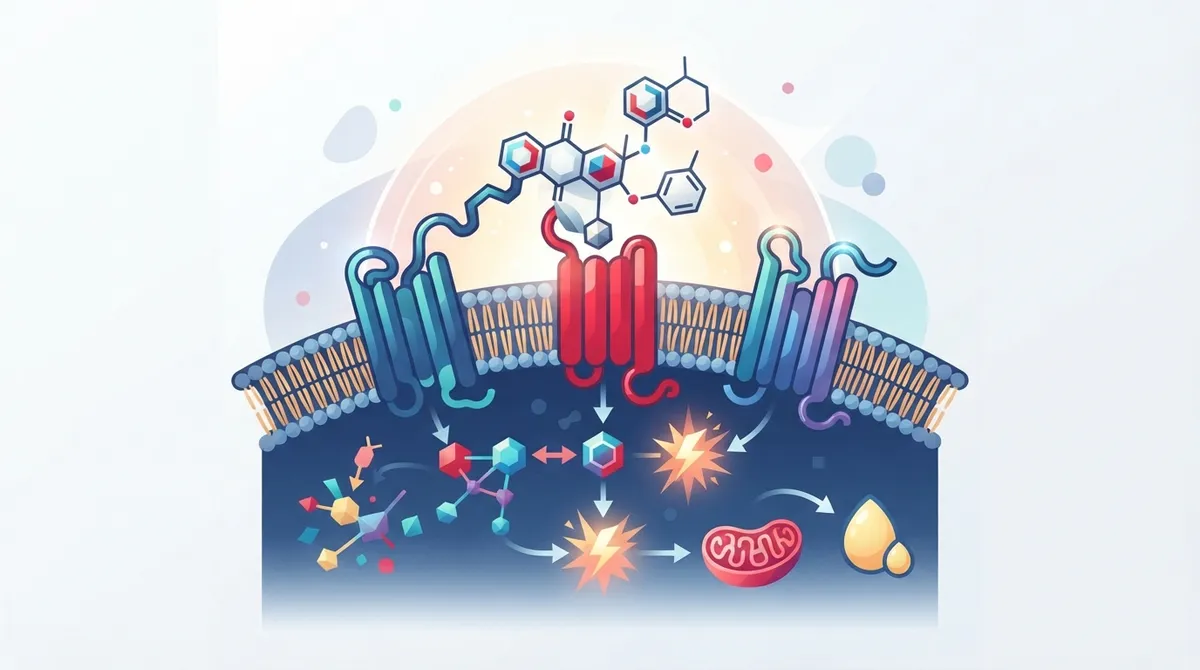
1. What Is Retatrutide and Why Is It Called a Triple Agonist
Retatrutide is an experimental, once-weekly injectable peptide made by Eli Lilly. It hasn't received approval yet for public use. What makes it different from older weight-loss drugs is its unique design.
Most current GLP-1 medications work on a single hormone pathway. Retatrutide works on three at once. This is why it's called a triple hormone receptor agonist.
The three receptors it activates are:
- GLP-1 (glucagon-like peptide-1): Reduces appetite and slows digestion
- GIP (glucose-dependent insulinotropic polypeptide): Helps regulate blood sugar and insulin release
- Glucagon receptor: Boosts calorie burning and fat breakdown
By hitting all three targets, researchers believe retatrutide may produce stronger results than drugs that only target one or two pathways. Our weight loss team keeps a close eye on this research because it could shape future treatment options for patients struggling with obesity.
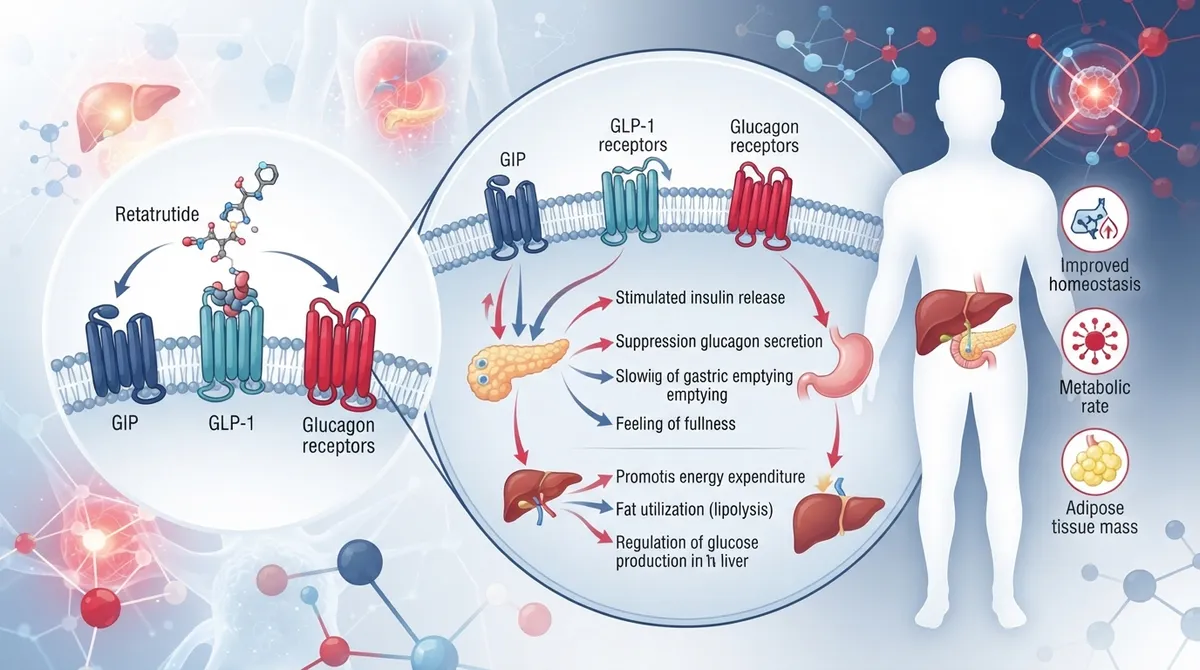
2. How the Triple Hormone Mechanism Works in the Body
Understanding the science helps explain why retatrutide has generated so much interest. Each hormone pathway plays a different role in weight and metabolism.
The GLP-1 effect slows how fast food leaves your stomach. This makes you feel full longer and reduces how much you want to eat. It also helps your body release insulin only when blood sugar is high, which lowers the risk of dangerous blood sugar drops.
The GIP pathway works alongside GLP-1 to improve how your body handles insulin and sugar. Some researchers believe this combination may reduce nausea compared to single-pathway drugs, though more study is needed to confirm this.
The glucagon receptor activity is what sets retatrutide apart. Glucagon typically raises blood sugar, but in this combination, it appears to increase energy expenditure. That means your body may burn more calories at rest. This effect on fat oxidation and liver metabolism is part of why weight loss numbers in trials have been so notable.
3. What the Clinical Trial Numbers Actually Show
Numbers matter more than hype. Here's a look at documented results from published and reported trials.
|
Trial or Study |
Population |
Duration |
Average Weight Loss |
|---|---|---|---|
|
Phase 2 Obesity Trial (NEJM, 2023) |
Adults with obesity, 12 mg dose |
48 weeks |
Approximately 24% |
|
Phase 2 Obesity Trial, Completers Only |
Highest dose group |
48 weeks |
Approximately 28.7% |
|
TRIUMPH-1 Topline Report (2026) |
Adults with obesity or overweight, no diabetes |
80 weeks |
Approximately 28.3% |
|
TRIUMPH-2 Topline Report (2026) |
Adults with obesity and type 2 diabetes |
80 weeks |
Approximately 20.8% |
A 2025 systematic review of three randomized trials involving 878 adults found retatrutide produced about 14.33% greater weight loss compared to control groups. It also reduced waist circumference by roughly 10.51 cm and lowered HbA1c by about 0.91 percentage points. These are meaningful numbers, but they come from company reports and early studies. Full peer-reviewed data and long-term safety results are still pending.
4. Why Retatrutide Is Not Yet Approved for Prescribing
This is the most important fact for patients to understand. Retatrutide is not approved by the FDA. It cannot legally be prescribed for weight loss or diabetes management outside of clinical trials.
Several key pieces of evidence are still missing before approval can happen:
- Completed cardiovascular outcomes trials to confirm heart safety
- Long-term data on weight loss durability beyond 80 weeks
- Broader safety data across diverse patient populations
- Full peer-reviewed publication of Phase 3 results, not just company press releases
- Regulatory review and formal FDA decision
Until these steps happen, any product marketed as "retatrutide" from online sellers or compounding sources should raise concern. Our primary care providers can explain why unregulated peptides carry real risks, including unknown purity, incorrect dosing, and no oversight of side effects.
5. Side Effects Reported in Clinical Studies
Like other incretin-based medications, retatrutide comes with a side effect profile that patients should understand before considering any future treatment.
The most common issues reported in trials include:
- Nausea
- Diarrhea
- Vomiting
- Constipation
- Increased heart rate at higher doses
These effects tend to be dose-related, meaning they show up more often at higher doses and often ease as the body adjusts. This is one reason our team stresses proper medical supervision, hydration support, and gradual dose titration for any GLP-1 based therapy. Our IV hydration and vitamin drips services can help support patients managing gastrointestinal side effects from approved weight-loss medications.
6. How Retatrutide Compares to Semaglutide and Tirzepatide
Patients often ask how this new compound stacks up against medications already available. Here's a simple comparison based on their hormone targets.
|
Medication |
Hormone Targets |
FDA Status |
|---|---|---|
|
Semaglutide |
GLP-1 only |
Approved |
|
Tirzepatide |
GLP-1 and GIP |
Approved |
|
Retatrutide |
GLP-1, GIP, and glucagon |
Investigational, not approved |
Because tirzepatide already combines two hormone pathways and has shown strong results, some researchers view retatrutide as the next logical step. Adding the glucagon receptor may explain the higher average weight loss percentages seen in early trials compared to dual-agonist drugs. Still, without completed long-term studies, direct comparisons remain preliminary.
7. Additional Conditions Being Studied and What Patients Should Do Now
Beyond obesity and type 2 diabetes, retatrutide is being studied for several other conditions. Current Phase 3 programs are exploring its use for:
- Obstructive sleep apnea
- Knee osteoarthritis
- Chronic low back pain
- Cardiovascular and kidney outcomes
- Metabolic dysfunction-associated steatotic liver disease
This broad research program shows how seriously the medical community is investigating this triple-hormone approach. But until approval arrives, patients shouldn't wait on the sidelines. There are already effective, doctor-supervised options for weight management and metabolic health.
Our body composition analysis and metabolic breath analysis services give patients real data about their metabolism today. Combined with approved GLP-1 or GIP/GLP-1 medications, nutrition counseling, and behavioral support, many patients see significant results without waiting for future drugs. Our providers, including those featured on our providers page, can walk you through which current options fit your health goals.
Why Working With a Primary Care Team Matters for Emerging Treatments
New weight-loss science moves quickly, and it's easy to get swept up in headlines. A trusted primary care relationship helps you separate real progress from marketing hype. Your provider can track your metabolic health over time, order proper lab work, and help you understand which treatments have real evidence behind them.
At InCare, we combine advanced tools like DNA gene testing with hands-on medical guidance. This gives patients in Tampa and Riverview a clearer picture of their personal health risks and opportunities. We also follow updates from organizations like the U.S. Food and Drug Administration and peer-reviewed sources such as the New England Journal of Medicine to make sure our recommendations stay current and accurate.
You can also see how our patients describe their experience by checking Visit us on Google — InCare, where our Tampa and Riverview locations have built a strong reputation for personalized, evidence-based care.
Take the Next Step Toward Real Weight Loss Results
Retatrutide represents an exciting direction for future obesity and diabetes care, but it isn't ready for everyday use yet. The good news is that proven, doctor-supervised treatments already exist, and our team can help you find the right one for your body and goals.
Follow our clinic on Facebook and Instagram for ongoing updates on emerging treatments and wellness tips, or check out patient stories on Tik Tok. When you're ready to explore medically supervised weight loss options available today, reach out to our care team or schedule your appointment now at our Tampa or Riverview location.
FAQs
Q: What is retatrutide and how does the triple agonist work?
A: Retatrutide is an investigational injectable medication that activates three hormone receptors at once: GLP-1, GIP, and glucagon. This combination targets appetite, blood sugar regulation, and calorie burning simultaneously, which may explain the larger weight loss seen in early trials compared to single-pathway drugs.
Q: Is retatrutide FDA approved for weight loss or type 2 diabetes?
A: No, retatrutide is not currently approved by the FDA. It remains investigational, and patients should not seek it as an available treatment outside of controlled clinical trials until regulatory approval is granted.
Q: How is retatrutide different from semaglutide and tirzepatide?
A: Semaglutide targets only the GLP-1 receptor, while tirzepatide targets both GLP-1 and GIP receptors. Retatrutide adds a third target, the glucagon receptor, which researchers believe contributes to its higher reported weight loss percentages in trials.
Q: What are the side effects and safety concerns of retatrutide?
A: The most common side effects reported in trials include nausea, diarrhea, vomiting, and constipation, along with increased heart rate at higher doses. Long-term safety, including cardiovascular outcomes, has not yet been fully established through completed trials.
Q: Can patients obtain retatrutide from a compounding pharmacy or online peptide seller?
A: Patients should avoid unregulated retatrutide products sold online or through unauthorized compounding sources. Since the drug remains investigational, these products lack proper oversight, quality control, and safety verification.