Key Takeaways
- BPC-157 and TB-500 lack human clinical evidence: a 2025 systematic review found 35 of 36 studies were preclinical, with only one weak human study on knee pain, meaning tendon healing in humans remains unproven.
- Neither peptide is FDA-approved and 'research use only' labels indicate products lack human safety testing, dosing standards, and quality control, creating risks of contamination and unknown side effects.
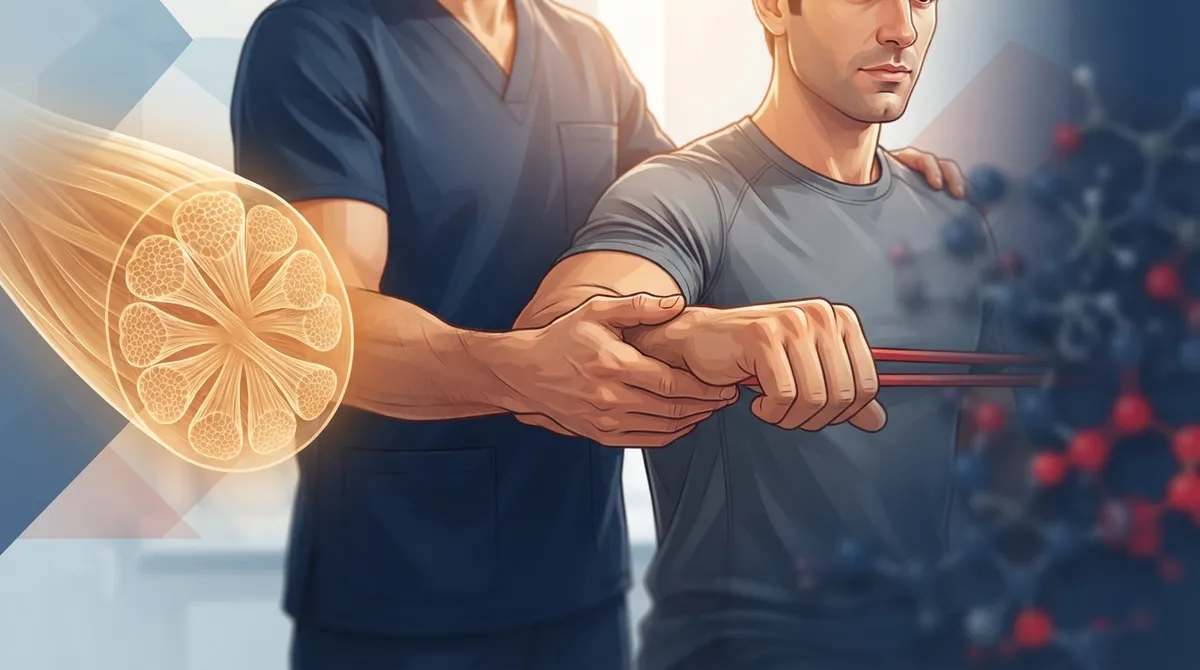
- Evidence-based tendon care—accurate diagnosis, activity modification, progressive rehabilitation, and specialist referral when needed—remains the most reliable recovery path and should never be replaced by unproven peptides.
- Collagen peptides (nutritional supplements) are entirely different from injectable BPC-157 and TB-500 research compounds; discuss any peptide interest with a primary care provider before use.
Tendon injuries are frustrating. They heal slowly, limit movement, and often come back if you rush the recovery. It makes sense that patients search for faster options like peptides for tendon repair. Names like BPC-157 and TB-500 show up often on social media and fitness forums, promising quicker healing and less downtime.
But before you consider any injectable peptide, it helps to know what the science actually says. This guide breaks down the real evidence behind peptides for tendon repair, explains the difference between these compounds and nutritional collagen peptides, and outlines what evidence-based tendon care looks like today. At InCare, our primary care team in Tampa and Riverview believes in giving patients clear, honest information so they can make safe choices about their health.
1. Peptides for Tendon Repair Usually Mean BPC-157 and TB-500
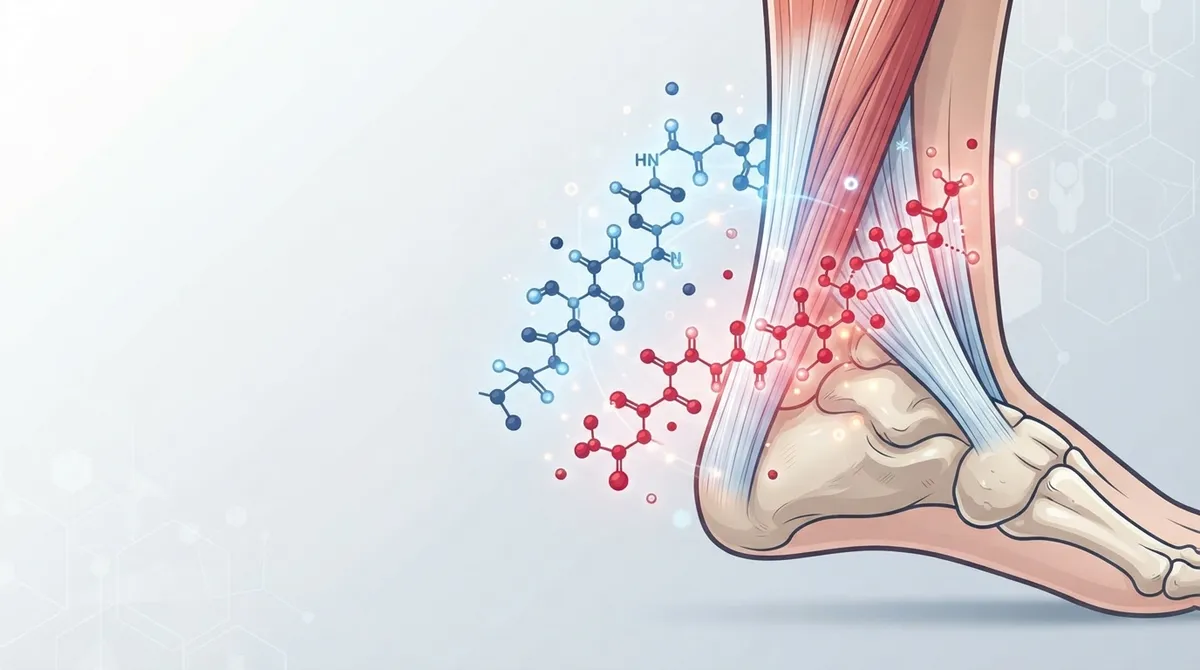
When people search for peptides for tendon repair, they are typically referring to BPC-157 and TB-500. These are experimental compounds, not approved medications. They should not be confused with collagen peptides, which are nutritional supplements sold in powders and drinks.
Collagen peptides support skin and joint health as part of a normal diet. BPC-157 and TB-500 are injectable research compounds studied mostly in labs and animals. Mixing up these two categories can lead to confusion about safety and effectiveness. If you are exploring options for joint or tendon support, ask your provider about the DNA gene testing and body composition tools available at InCare to better understand your baseline health first.
2. BPC-157 Research Is Mostly Animal-Based, Not Human-Proven
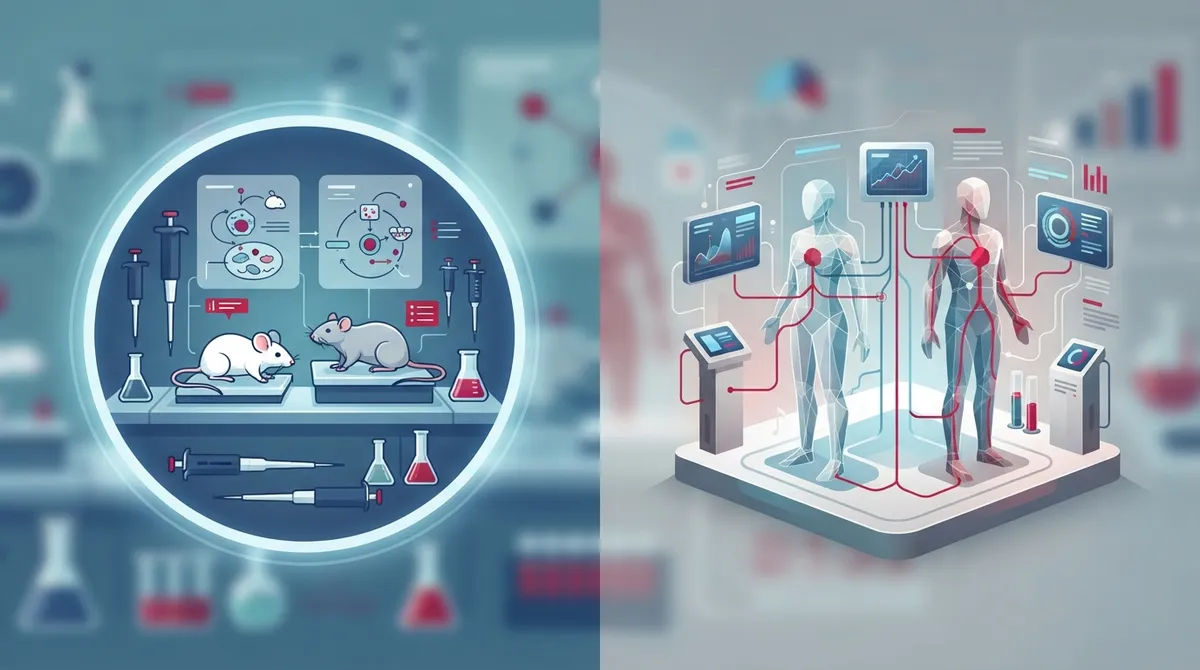
BPC-157 is a synthetic peptide studied mainly in laboratory and animal models. Researchers have looked at its possible effects on blood vessel growth, fibroblast activity, and tissue organization. These mechanisms sound promising, but they have not been proven in human tendon repair.
A 2025 systematic review of BPC-157 orthopedic research looked at 36 total studies. Of those, 35 were preclinical (lab or animal) and only one was a human clinical study. That single human study involved a small group of patients with chronic knee pain. It lacked a strong control group and had real design limitations, so it cannot confirm that BPC-157 heals tendons in people.
3. TB-500 Has Even Less Human Evidence
TB-500 is often marketed as related to a natural protein called thymosin beta-4. Some animal studies have shown improved tissue organization and biomechanical strength during Achilles tendon healing. But there are no published, controlled human trials proving TB-500 repairs tendons or ligaments in people.
Marketing materials sometimes blur the line between TB-500 and full thymosin beta-4 research, or between animal results and human outcomes. This can create a false sense of proven safety and effectiveness. Always ask direct questions before trying any unregulated product, and consider discussing your goals with a trusted primary care provider first.
What One Animal Study Actually Found
A frequently cited rat Achilles tendon study reported improved tissue organization with both BPC-157 and TB-500. TB-500 also showed a biomechanical advantage at four weeks. This sounds encouraging, but rats are not people.
Young, healthy lab animals do not reflect the full picture of human injuries. Age, medications, other health conditions, and the type of injury all affect healing in ways that animal models cannot predict. This is one of the biggest challenges in translating peptide research into real clinical use.
4. Neither Compound Is FDA-Approved for Tendon Injuries
The U.S. Food and Drug Administration has not approved BPC-157 or TB-500 for tendon repair, pain relief, or general wellness use. Many products sold online carry a "research use only" label. That label is a signal, not a technicality.
It means the product was never tested for human safety, dosing, or quality control. Compounded or gray-market versions may vary widely in purity and strength. Some may even contain contaminants. Before considering any peptide product, it is worth asking your provider what FDA-approved and evidence-based options already exist for your specific injury.
5. Unknown Risks Deserve Serious Attention
Because BPC-157 and TB-500 lack strong human safety data, many risks remain incompletely understood. Some concerns clinicians raise include:
- Unknown correct dosing and injection routes for human use
- Possible drug interactions with medications you already take
- Risk of allergic reactions or injection site infections
- Product contamination from unregulated suppliers
- Theoretical concerns about abnormal tissue or blood vessel growth
These are not reasons to panic, but they are reasons to be cautious. If you have already used a peptide product and experienced side effects, tell your primary care provider. Reporting suspected reactions helps protect other patients too.
6. Evidence-Based Tendon Care Still Works Best
Standard tendon care remains the most reliable path to recovery for injuries like Achilles tendinitis, rotator cuff strain, or tennis elbow. This approach usually follows a clear sequence:
- Get an accurate diagnosis through physical exam or imaging
- Modify activity without unnecessary prolonged immobilization
- Begin progressive rehabilitation and controlled loading exercises
- Treat any underlying conditions affecting healing, like diabetes
- See a specialist for severe rupture, nerve symptoms, or infection signs
Peptides should never replace physical therapy or delay imaging when it is medically needed. If pain persists past a few weeks, or you notice swelling, numbness, or loss of function, it is time to get checked. Our team offers primary care services designed to catch these issues early and guide you toward the right treatment plan.
Comparing Peptide Claims to Standard Tendon Care
|
Factor |
BPC-157 / TB-500 |
Standard Tendon Care |
|---|---|---|
|
FDA Approval |
Not approved |
Approved therapies and PT protocols |
|
Human Trial Evidence |
Very limited, low quality |
Extensive research base |
|
Product Quality Control |
Often unregulated |
Regulated and standardized |
|
Risk of Contamination |
Possible with online sources |
Minimal in clinical settings |
|
Role of Physical Therapy |
Not a replacement |
Core part of recovery |
7. Talk to a Primary Care Provider Before Trying Any Peptide
If you are curious about peptides for tendon repair, the safest first step is an honest conversation with your doctor. A qualified provider can review your injury, your medications, and your overall health before making any recommendation.
At InCare, our providers including Dr. Naveen Paddu, Dr. Pramjeet Ahluwalia, and Dr. Teshy John take time to listen to your concerns and explain your options clearly. We also offer resources on peptide therapy in Tampa so patients can make informed decisions based on current research, not internet hype.
Disclosing any peptide use, including products bought online, matters more than you might think. Your provider needs the full picture to check for drug interactions, watch for side effects, and guide you toward safer recovery options. Our clinics in Tampa and Riverview also offer IV hydration and vitamin drips that support recovery through proven, well-tolerated methods.
Why Working With a Trusted Clinic Matters
Tendon injuries deserve careful evaluation, not guesswork. A trusted primary care team can help you avoid wasted money, unnecessary risk, and delayed healing. Whether you are dealing with a nagging shoulder injury or chronic elbow pain, getting the right diagnosis early makes a real difference.
InCare has built a strong reputation across Tampa and Riverview for combining modern technology with genuine patient care. You can follow our latest health tips and clinic updates on Facebook, see patient stories on Instagram, or catch quick wellness tips on TikTok. You can also read what our patients say by visiting us on Google — InCare, where we maintain a strong rating built on years of trusted care.
Ready to talk to someone about your tendon injury or explore safe recovery options? You can get in touch with our team today, or go ahead and schedule your visit now to start your recovery the right way.
FAQs
Q: Do BPC-157 or TB-500 actually heal tendons in humans?
A: Current evidence does not confirm this. Most research is limited to animal studies, and the single existing human study on BPC-157 had major design weaknesses. No adequately powered human trial has proven either peptide repairs tendons.
Q: Is BPC-157 FDA approved for tendon repair or pain?
A: No. The FDA has not approved BPC-157 for tendon repair, pain relief, or wellness use. Products sold online are often labeled research use only, meaning they have not been tested for human safety or effectiveness.
Q: What is the difference between BPC-157, TB-500, and thymosin beta-4?
A: BPC-157 is a synthetic peptide studied mostly in animals. TB-500 is marketed as related to thymosin beta-4, a naturally occurring protein, but human tendon trial data is lacking for TB-500 specifically. These are distinct compounds with separate research histories.
Q: Can peptide injections replace physical therapy after a tendon injury?
A: No. Physical therapy and progressive loading remain the standard of care for tendon injuries. Peptides should never replace rehabilitation or delay imaging and specialist referral when needed.
Q: Are collagen peptides the same as BPC-157 or TB-500?
A: No. Collagen peptides are nutritional supplements that support general joint and skin health. BPC-157 and TB-500 are injectable research compounds with a completely different safety and regulatory profile.