
Key Takeaways
- Most peptides marketed for 'cellular repair' like BPC-157 and TB-500 lack FDA approval and completed human trials proving effectiveness, so consult your primary care provider to identify underlying causes before spending money on unproven products.
- Compounded and online peptides labeled 'research use only' carry serious risks including inaccurate dosing, contamination, unknown impurities, and no medical monitoring—these are warning signs, not safety guarantees.
- Topical cosmetic peptides differ significantly from injectable peptides; skincare products may support skin appearance but should never be stretched to claim systemic anti-aging or organ repair benefits.
- Before considering any peptide therapy, ask providers whether it's FDA-approved for your condition, what human trial data exists, where it's sourced, and whether they'll monitor your health markers—honest answers indicate trustworthy medical expertise.
Search online for "peptides for cellular repair" and you will find bold claims about faster healing, younger skin, and reversed aging. Many of these claims come from marketing, not medicine. Millennials researching new wellness options, busy parents looking for real answers, and women without a regular doctor all deserve facts before they spend money on unproven products.
This guide breaks down what peptides actually are, what current research really shows, and where the risks hide. You will also learn how a primary care team can help you separate solid science from wishful thinking. Whether you are exploring wellness options in Tampa or Riverview, understanding these facts can protect your health and your wallet.

1. Peptides for Cellular Repair Is a Marketing Term, Not a Medical Diagnosis
The phrase "peptides for cellular repair" sounds scientific. But it is mostly a wellness-marketing label. It is not a recognized medical treatment category with clear rules or standards.
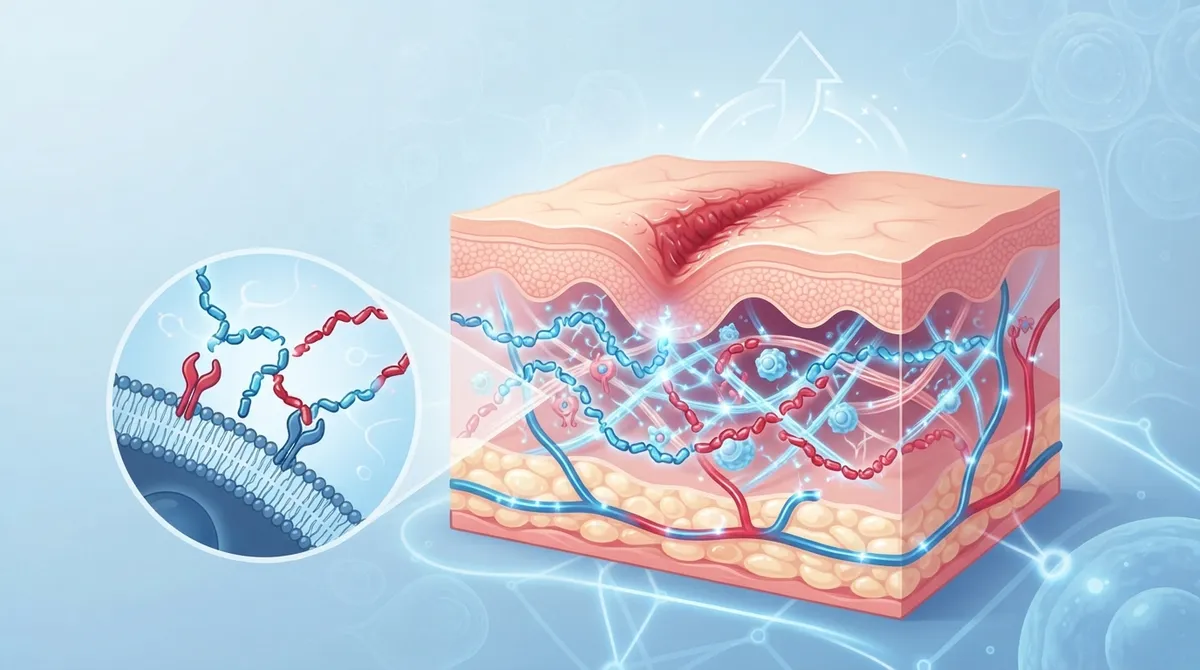
Peptides are short chains of amino acids, the building blocks of proteins. Researchers believe some peptides may influence inflammation, collagen production, blood vessel growth, and how cells signal each other. That sounds promising. But promising lab findings are very different from proven human treatments.
Before you consider any peptide product, ask your provider what condition you are actually trying to treat. A visit for a wellness visit is a better starting point than jumping straight to an unproven injectable.
2. Some Research Shows Promise for Wound and Skin Repair
Scientists have studied bioactive peptides for their role in wound healing. A 2024 review in the Yale Journal of Biology and Medicine looked at how certain peptides may affect skin repair.
The review found possible benefits, including:
- Supporting cell growth and movement to close wounds faster
- Helping rebuild the tissue structure around a wound
- Increasing collagen production in some lab models
- Reducing inflammation in certain settings
- Offering mild antimicrobial effects in some studies
These are meaningful findings. But the same review stressed that more human safety and effectiveness research is still needed. Lab results do not always translate into results you can expect from an injection or cream.
3. BPC-157 and TB-500 Are Popular but Unapproved
Two names come up constantly in online peptide discussions: BPC-157 and TB-500. Both are marketed heavily for injury recovery, joint pain, and tissue repair.
Here is the reality. Neither BPC-157 nor TB-500 is approved by the FDA for human therapeutic use. As of 2025 data, there is no completed Phase II or Phase III human trial with published results proving BPC-157 works for any specific condition. One inflammatory bowel disease study was registered, but results were not yet posted.
TB-500 is a synthetic fragment linked to a naturally occurring protein called thymosin beta-4. Research on the natural compound does not automatically apply to TB-500 itself. The synthetic version has only been tested in limited human tolerance studies, not in trials proving it heals tissue or speeds recovery.
|
Peptide |
FDA Approval Status |
Human Trial Evidence |
|---|---|---|
|
BPC-157 |
Not approved for human use |
No completed Phase II/III trials with published results |
|
TB-500 |
Not approved for human use |
Limited tolerance studies only, no efficacy trials |
|
Topical copper peptides |
Cosmetic use only, not a drug claim |
Some cosmetic skin studies, not systemic repair evidence |
|
FDA-approved peptide medicines |
Approved for specific indications (insulin, GLP-1 drugs, some hormone therapies) |
Backed by full clinical trial programs |
4. Compounded and Online Peptides Carry Real Risks
Many people buy peptides online, often labeled "research use only." This label does not mean the product is safe, pure, or legal to use in your body. It is a loophole, not a safety guarantee.
Compounded peptide products are not the same as FDA-approved medications. Concerns with these products include:
- Inaccurate dosing, which can lead to too little or too much of the active ingredient
- Contamination or sterility failures during manufacturing
- Unknown impurities that have never been tested for safety
- Uncertain stability, meaning the product may break down before use
- Possible immune reactions or unexpected drug interactions
- No medical monitoring to catch problems early
If a product ships from an unregulated source and skips a real prescription process, treat that as a warning sign. Your safety is worth more than a quick fix.
5. Topical Cosmetic Peptides Are Different From Injectables
Not all peptides carry the same risk. Topical cosmetic peptides, including copper-containing formulas, are commonly found in skincare products. These are different from prescription injectable peptides.
Some topical peptides may support skin appearance or help the skin barrier function better. But this cosmetic-level evidence should never be stretched to claim that a cream can repair internal organs or reverse systemic aging. Skin care and disease treatment are two very different categories.
If your goal is healthier-looking skin, ask about options during a routine visit rather than trusting unverified online claims. Our team can also discuss hair restoration options that use evidence-based approaches.
6. Primary Care Should Come Before Experimental Peptide Therapy
Before chasing a trendy peptide, it helps to find out what is actually causing your symptoms. Slow healing, chronic fatigue, or joint pain often point to an underlying issue that deserves real attention.
Common causes your primary care provider may check for include:
- Diabetes or blood sugar problems that slow healing
- Vascular disease affecting blood flow to tissue
- Hidden infections
- Nutritional deficiencies
- Medication side effects
- An injury that was never properly diagnosed
Standard, evidence-based care remains the foundation of good health. This includes proper wound care, physical therapy, better sleep habits, balanced nutrition, and quitting smoking when needed. A team at InCare can walk you through how to make preventive care work for your specific situation, whether you live near our Tampa clinic or our Riverview office.
7. Ask the Right Questions Before Trying Any Peptide Product
If you are still curious about peptide therapy after learning the facts, come prepared with smart questions. This protects you from wasted money and unnecessary risk.
Questions worth asking include:
- Is this specific peptide FDA-approved for the condition I have?
- What human clinical trial data exists for this product?
- Where is this peptide sourced, and is it pharmacy-grade?
- What side effects or interactions should I watch for?
- Will my provider monitor my results and health markers over time?
A trustworthy provider will answer these questions honestly, even if the honest answer is "we don't have enough evidence yet." That honesty is a sign of real medical expertise, not a lack of options. You can learn more about how our physicians approach these conversations, including peptide therapy discussions in Tampa, before making any decisions.
Why Whole-Body Wellness Beats Quick Fixes
Cellular repair is not a single injection away. Real, lasting results come from a combination of prevention, accurate diagnosis, and treatments backed by solid research. This is true whether you are managing a chronic condition, recovering from an injury, or simply trying to feel your best.
InCare providers, including Dr. Naveen Paddu and Dr. Pramjeet Ahluwalia, focus on whole-body health using tools like DNA gene testing and body composition analysis to build a plan around your actual biology. This approach is far more reliable than guessing with unregulated products bought online.
Many patients also explore IV hydration and vitamin drips as part of a supervised wellness plan, since these services are offered under medical guidance rather than shipped to your door with no oversight. You can see how other patients feel about their experience by checking our community updates on Facebook or following wellness tips on Instagram.
Take the Next Step Toward Safe, Informed Wellness Care
Peptides for cellular repair remain an exciting but unproven area of wellness research. Instead of gambling on unregulated products, work with a team that prioritizes your safety and long-term health. InCare combines primary care expertise with advanced wellness tools to help you make informed decisions, not guesses.
Ready to talk through your options with a knowledgeable provider? Schedule your appointment today and get answers based on real medical guidance. You can also check out patient experiences and visit us on Google — InCare to see why families across Tampa and Riverview trust our team. For more general questions or to plan your first visit, feel free to reach out to our staff anytime. You can also follow our latest wellness updates on TikTok for quick, science-based health tips.
FAQs
Q: What are peptides for cellular repair?
A: Peptides for cellular repair is a wellness-marketing term for short chains of amino acids proposed to influence inflammation, collagen production, and tissue healing. It is not a formal medical treatment category, and evidence varies widely depending on the specific peptide in question.
Q: Do BPC-157 or TB-500 actually help wounds, tendons, or muscle injuries?
A: Current evidence does not support these claims for humans. Neither compound has completed Phase II or Phase III human trials proving effectiveness, and both remain unapproved by the FDA for therapeutic use.
Q: Are cellular-repair peptides FDA approved?
A: Most peptides marketed for cellular repair, including BPC-157 and TB-500, are not FDA-approved. Some peptide medicines are approved, but only for specific indications like diabetes or certain hormone conditions, not general anti-aging or tissue repair claims.
Q: What is the difference between topical copper peptides and injectable peptides?
A: Topical copper peptides are used in cosmetic skincare products and may support skin appearance or barrier function. Injectable peptides marketed for systemic repair carry far more risk and lack the same level of safety testing or regulatory oversight.
Q: What evidence-based treatments should be tried before considering experimental peptide therapy?
A: Primary care providers typically recommend evaluating underlying issues first, such as diabetes, poor circulation, infection, or nutritional deficiencies. Standard treatments including proper wound care, physical therapy, better sleep, and chronic disease management remain the proven foundation of recovery.