Key Takeaways
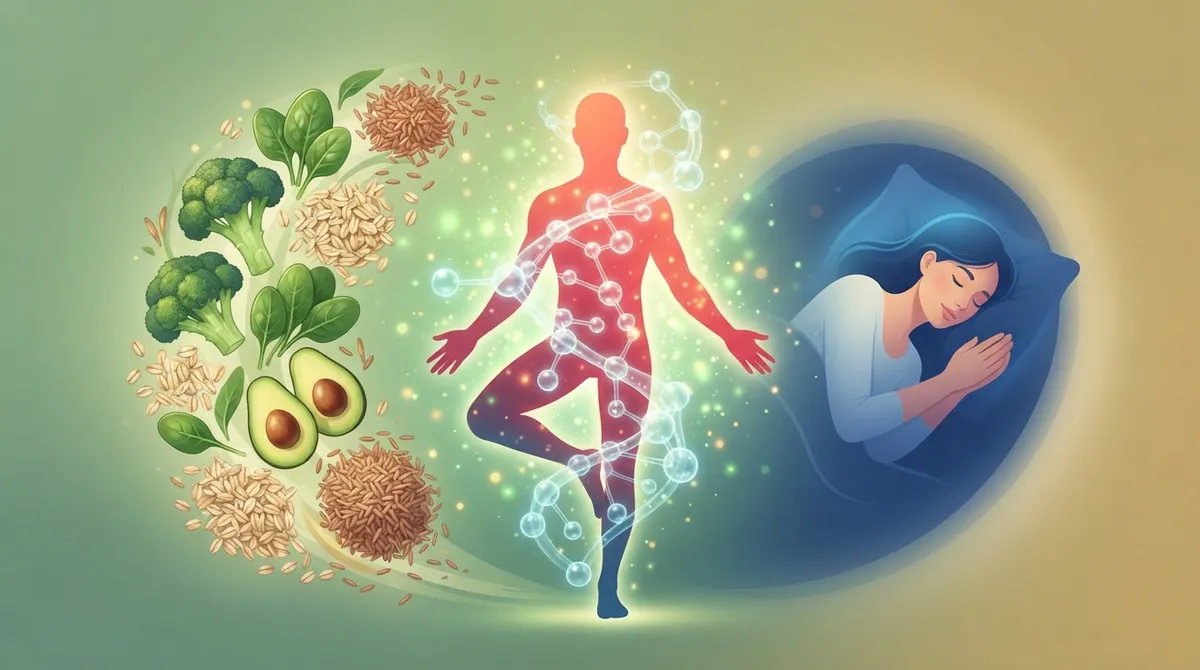
- Glutathione is your body's natural antioxidant made from three amino acids that protects cells, supports liver detoxification, and regenerates vitamins C and E—cysteine availability is the limiting factor in production.
- Oral glutathione supplements show mixed evidence with absorption concerns, and IV glutathione lacks established safety data for wellness use; a balanced diet with protein and sulfur-rich vegetables supports natural levels better.
- Current research does not support glutathione as a broad detox treatment or anti-aging solution despite marketing claims; consult your healthcare provider before supplementing, especially if you have liver disease or autoimmune conditions.
- Your body continuously recycles glutathione through an enzyme-driven cycle, meaning good nutrition, sleep, and regular exercise typically maintain healthy levels without supplementation for most people.
Your body makes its own antioxidant, and most people have never heard of it. Glutathione in the body works quietly behind the scenes, protecting cells and supporting your liver every single day. If you are curious about how this molecule fits into your health, or you have seen glutathione supplements marketed online, this guide breaks down the facts. We will explain what glutathione actually does, how your body makes it, and what current research really shows about supplements and IV therapy.
At InCare, we believe patients deserve clear, honest information about wellness trends. Our Tampa and Riverview clinics focus on prevention and whole-body health, not quick fixes. This article will walk you through six key facts about glutathione so you can make informed decisions with your care team.
1. What Glutathione Actually Does Inside Your Cells
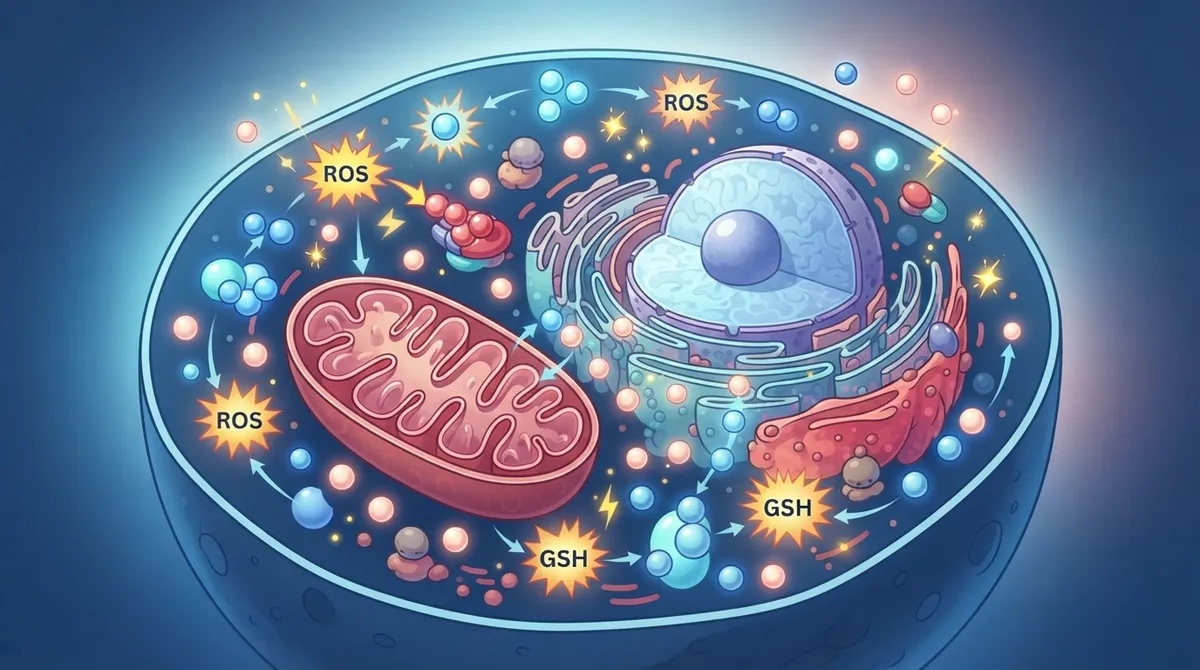
Glutathione, often shortened to GSH, is a small molecule made from three amino acids: glutamate, cysteine, and glycine. It is one of the most important antioxidants your body produces on its own. A 2024 review in Current Medicinal Chemistry describes glutathione as a central player in redox balance, detox pathways, immune regulation, and cell protection.
Here is what glutathione helps with inside your body:
- Neutralizing harmful molecules called reactive oxygen and nitrogen species
- Protecting proteins from damage caused by oxidative stress
- Supporting healthy mitochondria, the energy centers of your cells
- Helping regenerate vitamin C and vitamin E so they can keep working
- Assisting immune cells in doing their job properly
Most of the glutathione in your body exists in its active, reduced form called GSH. When it neutralizes harmful molecules, it becomes oxidized, known as GSSG. Your body then uses an enzyme called glutathione reductase, along with a molecule called NADPH, to convert it back to its active form. This cycle repeats constantly to keep your cells protected.
2. How Your Body Makes Glutathione Naturally
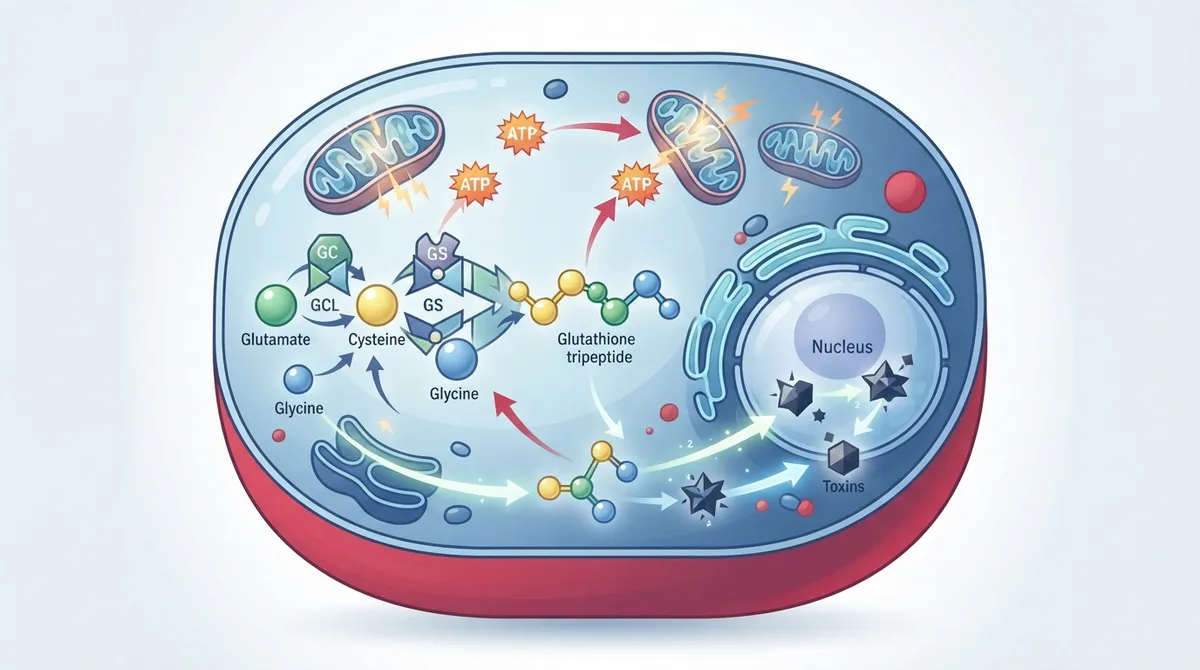
Your body builds glutathione through two enzyme-driven steps inside your cells. The first step uses an enzyme called glutamate-cysteine ligase. The second step relies on glutathione synthetase. Both steps require energy from ATP, your body's main energy currency.
The amino acid cysteine is usually the limiting factor in this process. Your body needs enough cysteine to keep glutathione production running smoothly. This is one reason why diet plays such an important role in supporting your natural antioxidant defenses.
Steps Your Body Follows to Build Glutathione
- Your cells gather glutamate, cysteine, and glycine from your diet and internal stores
- Glutamate-cysteine ligase combines glutamate and cysteine into a two-part molecule
- Glutathione synthetase adds glycine to complete the tripeptide
- The finished glutathione molecule is stored inside your cells, especially the liver
- Glutathione gets used up during antioxidant reactions and becomes oxidized
- Glutathione reductase recycles the oxidized form back into active glutathione
This entire cycle happens continuously, day and night, without you noticing. A well-functioning body can typically keep this system balanced through good nutrition, sleep, and regular movement.
3. The Liver Connection You Should Understand
Your liver relies heavily on glutathione for what is called phase II detoxification. This process helps your liver attach glutathione to certain drugs, pollutants, and other compounds so they can be safely removed from your body.
It is important to understand that this specific liver process does not mean glutathione supplements can broadly detox your entire body. This is a common myth in wellness marketing. Glutathione supports one part of a much larger, complex detox system that your liver, kidneys, and digestive system all share.
If you are concerned about liver health or want to understand your metabolic function better, our team offers primary care services that include comprehensive lab testing and personalized guidance. You can also learn more about what your liver tests really mean during a routine visit.
4. Foods and Habits That Support Natural Glutathione Levels
Since cysteine availability drives glutathione production, eating enough quality protein matters. Your body also benefits from specific nutrients that support the entire antioxidant system.
Consider these habits that support healthy glutathione levels:
- Eating protein-rich foods like eggs, poultry, fish, and legumes
- Including sulfur-rich vegetables such as broccoli, cauliflower, and Brussels sprouts
- Getting regular physical activity, which supports antioxidant defenses
- Prioritizing consistent, quality sleep
- Managing chronic conditions with help from your primary care provider
- Limiting excessive alcohol intake, which can strain liver function
There is not enough evidence to say that healthy people need routine glutathione supplements. A balanced diet and healthy lifestyle generally support your body's natural production well. If you want a deeper look at your nutritional needs, our DNA gene testing service can offer personalized insights into how your body processes nutrients.
5. What Research Says About Glutathione Supplements
Oral glutathione supplements have been studied in several small clinical trials. Some research suggests they can raise glutathione levels in the body. However, questions remain about how well oral glutathione is absorbed, the best dose to use, and how long benefits actually last.
Reported doses in clinical studies commonly range between 250 and 1,000 milligrams per day. There is no universally agreed-upon wellness dose, and study designs vary quite a bit from one trial to another.
Oral Glutathione vs. IV Glutathione: A Quick Comparison
|
Factor |
Oral Glutathione |
IV Glutathione |
|---|---|---|
|
Absorption |
Variable; still being studied |
Direct into bloodstream |
|
Clinical Evidence |
Some small trials show increased levels |
Limited, not established for routine wellness use |
|
Common Dose Studied |
250–1,000 mg per day |
No standardized wellness dose |
|
Regulatory Status |
Available as dietary supplement |
Greater safety and regulatory concerns |
|
Typical Marketing Claims |
Antioxidant support |
Detox, skin lightening, anti-aging |
A 2025 systematic review looked at glutathione for melasma and skin lightening. It included five randomized controlled trials plus one open-arm study. Researchers found possible reductions in melanin measures with oral or topical glutathione, but they concluded that long-term safety evidence remains limited. The review specifically noted that intravenous use was not well supported for this purpose.
In a pediatric cystic fibrosis trial, children received oral glutathione for 24 weeks. It was reported as safe and well tolerated. However, it did not produce clear improvements in growth or inflammation markers. This shows why more research is still needed across many conditions.
6. Safety Considerations Before Trying Glutathione Products
Across available oral supplementation studies, most reported side effects have been mild and related to digestion. Long-term safety data is still limited, especially for high-dose or IV formulations.
IV glutathione is not established as a routine wellness treatment. This is especially true when it is marketed for cosmetic skin lightening. The efficacy and long-term safety of this approach have not been firmly established by strong clinical evidence.
Before starting any glutathione product, consider these questions:
- Have you discussed this with a licensed healthcare provider?
- Do you have any underlying health conditions that could be affected?
- Are you currently pregnant, breastfeeding, or planning pregnancy?
- Are you taking medications that could interact with high-dose antioxidants?
- Is the product coming from a reputable, tested source?
People with certain medical conditions should always discuss glutathione supplementation with a clinician first. This includes anyone managing liver disease, autoimmune conditions, or those on multiple medications. Our providers, including Dr. Pramjeet Ahluwalia and Dr. Teshy John, can help you weigh the evidence and decide what fits your health goals safely.
Why Whole-Body Wellness Matters More Than Any Single Molecule
Glutathione plays an important role in your body, but it is just one piece of a much bigger picture. True wellness comes from combining good nutrition, movement, sleep, and regular checkups with your primary care team. Chasing a single supplement rarely replaces the value of a comprehensive health strategy.
At InCare, we take a whole-body approach. Our body composition analysis and metabolic breath analysis services help patients understand how their bodies are actually functioning, beyond what a single antioxidant marker can show. We also offer IV hydration and vitamin drips for patients seeking supervised wellness support, always guided by a licensed provider who understands your full health history.
If you are in the Tampa or Riverview area and want to talk through your wellness goals with a real medical team, our providers are ready to help. You can browse patient experiences and visit us on Google — InCare to see what our community says about their care. We also share wellness updates on Facebook, Instagram, and TikTok for patients who want to stay informed.
Making Informed Choices About Your Antioxidant Health
Understanding glutathione in the body helps you separate real science from wellness marketing hype. It is a genuinely important molecule for redox balance, immune support, and liver function. However, current evidence does not support using it as a broad detox miracle or unsupervised anti-aging treatment.
The smartest path forward is working with a trusted primary care team who can review your full health picture. Whether you are curious about supplements, want lab work to check your baseline health, or are managing a chronic condition, personalized guidance matters more than trends. Learn more about how primary doctors help manage chronic illnesses and how routine visits support long-term wellness.
Ready to talk with a provider about your wellness goals, including antioxidant support and whole-body health? Schedule your appointment today and take the next step toward informed, personalized care at InCare in Tampa or Riverview.
FAQs
Q: What does glutathione do in the body?
A: Glutathione is a natural antioxidant that protects cells from damage, supports mitochondrial function, and helps regenerate vitamins C and E. It also plays a key role in immune function and liver detoxification pathways.
Q: How is glutathione made naturally in the body?
A: Your body produces glutathione through two ATP-dependent enzyme steps using the amino acids glutamate, cysteine, and glycine. Cysteine availability is generally the limiting factor in how much glutathione your cells can produce.
Q: Can glutathione supplements actually increase glutathione levels?
A: Some small clinical trials suggest oral glutathione supplements can raise glutathione stores in the body. However, questions about absorption, optimal dosing, and long-term benefits remain unresolved in current research.
Q: Is oral glutathione safer than IV glutathione?
A: Oral glutathione has been studied with generally mild, gastrointestinal side effects reported in trials. IV glutathione carries greater safety and regulatory concerns and is not established as a routine wellness treatment, particularly for cosmetic use.
Q: Who should talk to a doctor before trying glutathione supplements?
A: Anyone with liver disease, autoimmune conditions, or those taking multiple medications should discuss glutathione supplementation with a clinician first. Pregnant or breastfeeding individuals should also seek medical guidance before starting any new supplement.