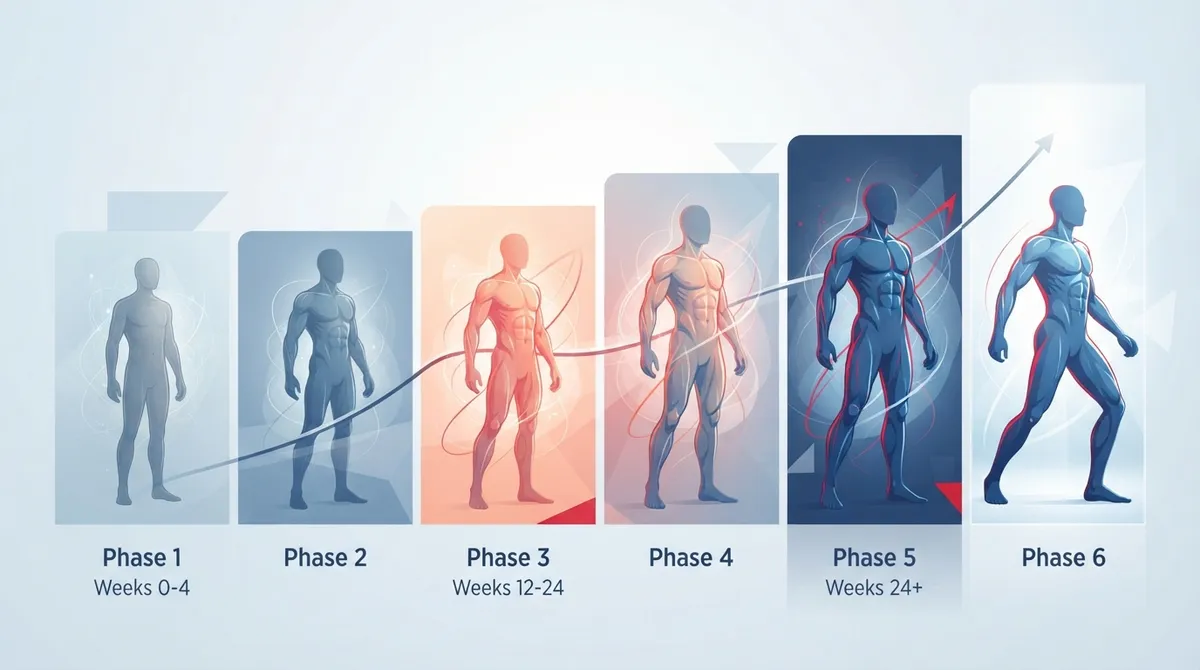
Key Takeaways
- Meaningful peptide therapy results typically appear between weeks 12-24, with full treatment response taking 4-6 months; early appetite changes in weeks 0-4 should not be judged as final outcomes.
- Dose escalation timing significantly affects results—participants in the STEP 1 trial didn't reach full 2.4-mg maintenance dose until week 16, making early comparisons between patients at different dose levels unfair.
- Long-term clinical data shows semaglutide produces average weight loss of 14.9-17.4% in non-diabetic patients over 68 weeks, with 86.4% achieving at least 5% weight loss compared to 31.5% on placebo.
- Individual results vary widely based on dosing consistency, nutrition quality, physical activity, sleep, medications, and underlying endocrine conditions; lack of progress after 3 months warrants provider review rather than treatment abandonment.
- Weight regain occurs after stopping peptide therapy, indicating obesity management requires long-term or chronic treatment approach; the SELECT trial showed sustained benefits over 4 years of continuous use.
- FDA-approved GLP-1 medications like semaglutide carry significantly more safety and quality evidence than compounded or unapproved peptide products, which had 990+ adverse reports linked to compounded semaglutide as of May 2026.
Starting a weight loss or wellness peptide program brings one question to almost every patient's mind: when will I actually see results? If you are researching GLP-1 medications like semaglutide or tirzepatide, or exploring other peptide-based treatments, understanding the real timeline matters more than chasing quick fixes. Patience, adherence, and medical supervision all play a role in outcomes that last.
At InCare, patients in Tampa and Riverview often ask how soon they should expect to notice changes after beginning peptide therapy. The honest answer is that timelines vary by medication, dose, and individual health factors. This guide breaks down what the clinical evidence shows, week by week, so you can set realistic expectations and track your progress with confidence.

1. Weeks 0-4: Early Tolerance and Appetite Changes
The first month of peptide therapy is mostly about your body adjusting to the medication. Many patients on GLP-1 treatments notice reduced appetite or feeling full faster within the first few weeks. This does not always mean rapid weight loss yet, since doses are usually kept low at the start.
Clinical trial data on semaglutide showed measurable weight changes appearing as early as week four. However, these early numbers are modest compared to what happens after several more months of consistent treatment. Side effects like mild nausea or stomach upset are also more common during this early phase as your body adapts.
- Appetite suppression may begin within the first 1-2 weeks
- Mild gastrointestinal symptoms are common and often improve over time
- Doses typically start low and increase gradually to reduce side effects
- Weight changes at this stage are usually small and should not be judged as final results
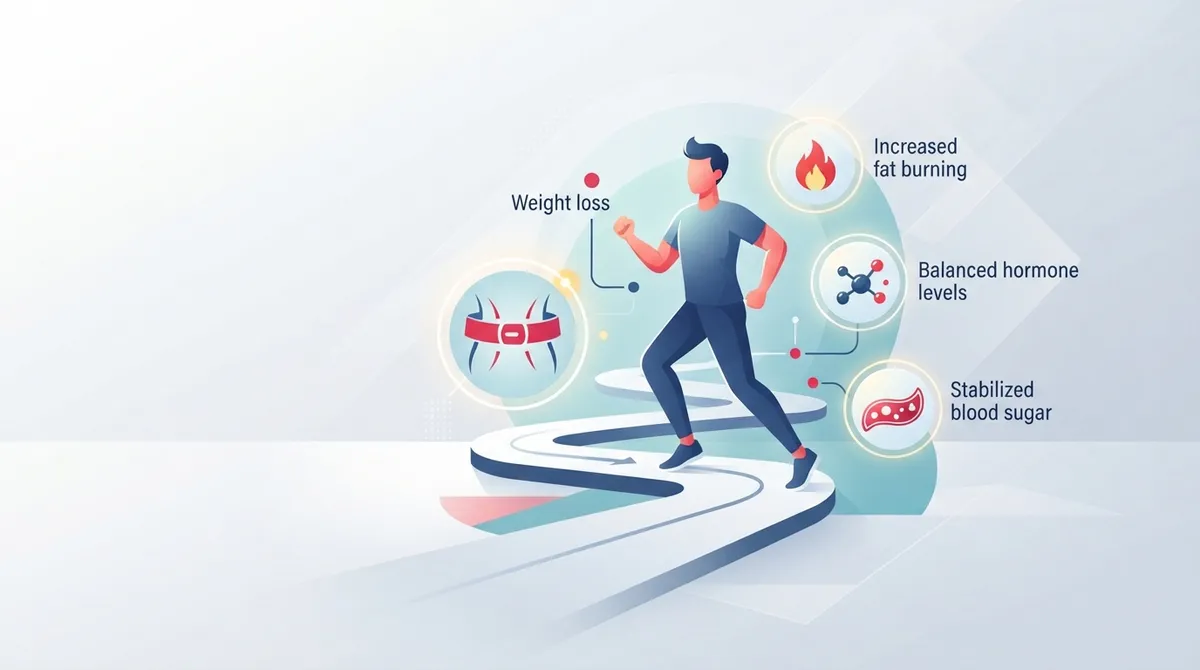
2. Weeks 5-12: Noticeable Shifts in Weight and Metabolic Markers
This is often when patients start feeling encouraged. Hunger control tends to improve, and many people see visible changes in weight, waist circumference, or blood sugar levels. A practical rule in primary care is to judge meaningful progress only after at least 8 to 12 weeks of consistent use.
During this window, your InCare provider may recommend follow-up labs to check glucose, lipid panels, or other metabolic markers. This helps confirm the treatment is working the way it should for your specific health goals.
What to Track During This Phase
- Weekly or biweekly weight measurements, not daily fluctuations
- Waist circumference changes, which often reflect fat loss better than scale weight alone
- Blood pressure trends, especially if you started with elevated readings
- Blood sugar or A1C levels if you have prediabetes or type 2 diabetes
- Any gastrointestinal symptoms that persist beyond the adjustment period
3. Dose Escalation Timing Matters
One of the biggest mistakes patients make is comparing their results at week 6 to someone else's results at week 20, without accounting for dose differences. In the landmark STEP 1 semaglutide trial, participants did not reach the full 2.4-mg maintenance dose until around week 16. That means outcomes before this point simply cannot be compared fairly to outcomes after months on the full dose.
Gradual dose escalation exists to improve tolerability and reduce side effects. Rushing this process is not safer or faster, it typically just increases discomfort. If you are unsure where you stand in your dosing schedule, ask your provider directly during your next visit.
|
Timeframe |
Typical Milestone |
What to Expect |
|---|---|---|
|
Weeks 0-4 |
Initial dose, tolerance building |
Mild appetite changes, possible GI symptoms |
|
Weeks 5-12 |
Continued titration |
More noticeable hunger control, early weight loss |
|
Months 4-6 |
Near or at maintenance dose |
Clearer treatment response, steady progress |
|
Months 12-18 |
Long-term maintenance |
Results approaching pivotal-trial averages |
4. Months 4-18: Where the Real Data Lives
The most reliable outcomes come from studies that followed patients for many months, not weeks. In the STEP 1 trial, 1,961 adults without diabetes were tracked for 68 weeks on semaglutide 2.4 mg. The average weight change was a 14.9% reduction, compared to just 2.4% in the placebo group.
Even more compelling, 86.4% of semaglutide patients lost at least 5% of their body weight by week 68, compared to only 31.5% of those on placebo. Across several similar trials, average weight loss ranged from about 14.9% to 17.4% in people without diabetes, though results were somewhat lower, around 9.6%, in patients who also had type 2 diabetes.
Longer studies tell an even bigger story. The SELECT trial followed patients for 208 weeks, roughly four years, and found that weight loss benefits held steady, with average reductions of 10.2% compared to 1.5% for placebo. This suggests that peptide therapy for weight management works best as an ongoing, long-term approach rather than a short-term fix.
5. Why Individual Results Vary So Widely
Not everyone responds to peptide therapy the same way, and that is completely normal. Some patients see dramatic changes within a few months, while others progress more slowly despite doing everything right. Several factors influence this variation, and your provider will consider all of them during follow-up visits.
- Consistency with dosing schedule and injection timing
- Nutrition quality and portion habits alongside the medication
- Physical activity levels and muscle mass preservation
- Sleep quality, which affects hormones tied to hunger and metabolism
- Other medications that may interact with treatment
- Underlying endocrine conditions such as thyroid disorders
- Side effects that limit the ability to reach or stay on the target dose
If you feel like you are not losing weight after three months, do not assume the treatment has failed. Instead, schedule a visit to review your dose, habits, and any barriers that might be slowing progress. A thorough body composition analysis can also reveal changes in fat versus muscle that the scale alone might miss.
6. What Happens After You Stop Treatment
This is a critical piece of the timeline conversation that many patients overlook. Peptide-based weight management is generally considered a long-term or even chronic therapy, not a short course like antibiotics. In the STEP 1 extension study, participants who stopped semaglutide and lifestyle support regained a substantial portion of the weight they had lost.
This does not mean the treatment failed. It means that obesity and weight regulation are ongoing physiological processes, much like blood pressure or cholesterol management. Stopping treatment without a plan for maintenance often leads to reversal of progress. Discuss a long-term strategy with your provider before making any changes to your regimen.
Monitoring Throughout Your Treatment
Primary care monitoring should be a regular part of your peptide therapy journey. Your care team should track weight and waist trends, blood pressure, glucose markers when relevant, and any gastrointestinal symptoms. Nutritional intake and muscle mass should also be part of the conversation, especially during rapid weight loss phases.
Seek urgent care immediately if you experience severe or persistent abdominal pain, repeated vomiting, signs of dehydration, allergic reactions, or symptoms that suggest gallbladder disease. These are not typical side effects and require prompt evaluation.
Approved Versus Unapproved Peptide Products
It is worth noting that not all peptides marketed for wellness or anti-aging purposes carry the same level of evidence as FDA-approved GLP-1 medications. Compounded or unapproved products do not go through the same premarket review for safety, effectiveness, and quality. According to FDA safety data, there were 990 adverse-event reports linked to compounded semaglutide and more than 730 linked to compounded tirzepatide as of May 2026.
These numbers do not mean every compounded product is unsafe, but they highlight why sourcing and clinical supervision matter so much. Marketing claims about cosmetic or recovery peptides should always be weighed separately from treatments backed by large clinical trials. When exploring any medical weight loss program, ask your provider about the specific product, its approval status, and where it comes from.
Choosing a clinic with proper oversight makes a real difference. Physicians like those at InCare follow evidence-based protocols and monitor patients closely throughout treatment, which helps reduce risks tied to dosing errors or unreliable supply sources.
Building a Realistic Expectations Timeline
To summarize what the research and clinical experience show, here is a simple framework primary care providers often use with patients starting peptide therapy:
- Weeks 0-4: Focus on tolerance, hydration, and adjusting to early appetite changes
- Weeks 5-12: Watch for early but meaningful shifts in hunger, weight, or glucose
- Months 4-6: Expect a clearer picture of how your body responds at or near maintenance dose
- Months 12-18: Results should begin resembling the averages seen in major clinical trials
Every patient's path looks slightly different, and that is why ongoing check-ins with your care team matter so much. Regular visits allow adjustments based on your progress, side effects, and evolving health goals.
Patients researching options often turn to community reviews and social platforms to learn more before booking a consultation. You can follow along with patient stories and wellness tips on Facebook, see visual updates on Instagram, or catch quick wellness explainers on Tik Tok. These channels are a great way to see how other patients approach their own health journeys.
For those in the Tampa Bay area, InCare's Tampa and Riverview locations offer supervised peptide therapy programs paired with lab monitoring, body composition tracking, and personalized coaching. You can also Visit us on Google — InCare to read what current patients say about their experience with the clinic's weight loss and wellness services.
Conclusion
Peptide therapy results do not happen overnight, and that is by design. The strongest, most sustainable outcomes come from a gradual process: early tolerance building, dose escalation, and months of consistent treatment paired with lifestyle support. Trials like STEP 1 and SELECT show that patience pays off, with meaningful weight loss and metabolic improvements continuing for well over a year in many patients.
If you are ready to start your own personalized peptide therapy plan with medical supervision every step of the way, our team can help you set realistic goals and track real progress. Book your consultation today and take the next step toward lasting results.
FAQs
Q: How soon does peptide therapy start working?
A: Some appetite and satiety changes may appear within the first few weeks of treatment. However, measurable weight loss and metabolic improvements are generally assessed over at least 8 to 12 weeks, since doses are increased gradually during this time.
Q: When will I notice weight loss from semaglutide or tirzepatide?
A: Clinical trial data shows early weight changes as soon as week 4, but more significant results typically appear between weeks 12 and 24. Full treatment response often takes 4 to 6 months, with continued progress through 12 to 18 months of consistent use.
Q: What should I do if I am not losing weight after three months?
A: Schedule a follow-up visit with your provider to review your dose, adherence, nutrition, activity levels, and sleep habits. Underlying conditions or medication interactions may also affect your response and should be evaluated before considering the treatment ineffective.
Q: Do peptide therapy results continue after stopping treatment?
A: Research shows that weight often returns after discontinuing GLP-1 medications and lifestyle support. This is why many clinicians view obesity treatment as a long-term or chronic therapy rather than a short-term course.
Q: Are compounded or wellness peptides as safe and effective as FDA-approved medicines?
A: Compounded and unapproved peptide products do not undergo the same premarket safety and quality review as FDA-approved medications. Patients should discuss sourcing, dosing accuracy, and clinical supervision with their provider before starting any non-approved peptide product.