
Key Takeaways
- KPV has no completed human clinical trials as of 2026—all research is limited to cell cultures and animal models, meaning safe dosing, long-term effects, and drug interactions remain completely unknown.
- Animal studies show KPV reduced gut inflammation and inflammatory markers in mice with colitis, but these results cannot be assumed to translate to human digestive conditions without human trials.
- KPV may work through unique biological pathways distinct from its parent hormone α-MSH, showing dose-dependent reductions in airway inflammation markers like NF-κB and IL-8 in lab settings.
- KPV should never replace doctor-prescribed treatments for inflammatory bowel disease, asthma, or skin disorders until human clinical evidence establishes its safety and efficacy in patients.
KPV keeps popping up in wellness conversations, social media, and peptide forums. People want to know if this tiny molecule can calm inflammation, heal gut issues, or soothe skin problems. But what does the actual science say? At InCare, we believe patients deserve clear, honest answers grounded in research, not hype. This article breaks down the six most important KPV research findings so you can make informed decisions about your health.
Before diving in, it helps to understand what KPV actually is. It's a small peptide made of three amino acids, studied mostly in labs and animal models. It has not been tested in large human clinical trials. That distinction matters a lot when deciding whether to try it. Let's look at what the evidence really shows.

1. KPV Is a Tiny Fragment of a Larger Hormone
KPV stands for lysine, proline, and valine. These three amino acids form a small peptide known scientifically as alpha-MSH(11–13). It's the tail end of a bigger hormone called alpha-melanocyte-stimulating hormone, or α-MSH.
Researchers became interested in this small piece because it seemed to carry some of the parent hormone's anti-inflammatory power. But KPV appears to work in its own unique way. Some studies suggest it does not rely on the same receptors that α-MSH normally uses, especially a receptor called MC1R. This makes KPV a distinct research subject, not just a smaller version of an existing hormone.
For patients curious about peptide science in general, our tripeptide facts guide offers helpful background on how these small molecules are studied.
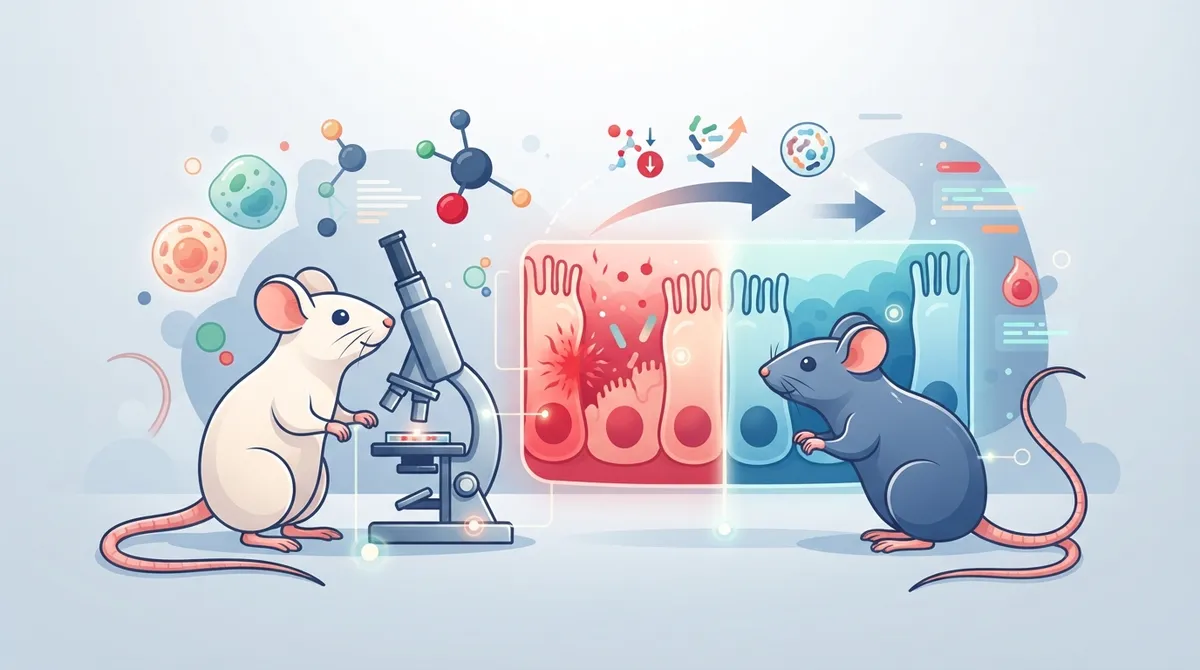
2. Animal Studies Show Reduced Gut Inflammation
The most detailed KPV research comes from mouse studies focused on intestinal inflammation. A well-known 2008 study by Dalmasso and colleagues tested KPV in two different colitis models in mice.
Here is what the researchers found:
- Mice treated with KPV maintained better body weight than untreated mice.
- Inflammatory cell buildup in the colon was reduced.
- Myeloperoxidase activity, a marker of inflammation, dropped significantly.
- In one experiment involving mice with a non-functional MC1R receptor, KPV treatment rescued all treated animals from death during severe colitis.
These results are compelling from a laboratory science standpoint. However, mouse colitis models do not always predict how a compound will behave in the human digestive tract. Human trials for conditions like ulcerative colitis or Crohn's disease have not been completed. If you're managing digestive symptoms, working with a primary care provider remains the safest path forward.
3. KPV May Calm Airway and Immune Cell Activity
Beyond the gut, scientists have also studied KPV's effects on airway tissue and immune signaling. Laboratory research published and indexed through PMC found that KPV produced dose-dependent inhibition of several inflammatory markers in airway epithelial cells.
Specifically, the research noted reductions in:
- NF-κB activity, a key driver of inflammation throughout the body
- Matrix metalloproteinase-9 (MMP-9), an enzyme linked to tissue breakdown
- IL-8, a signaling protein that recruits immune cells
- Eotaxin, a chemical involved in allergic and asthma-related inflammation
A separate 2003 study also found that KPV reduced the buildup of certain white blood cells in a mouse model of crystal-induced peritonitis. Interestingly, this study noted that KPV did not raise cAMP levels in macrophages, which sets it apart from other melanocortin-based compounds. This suggests KPV may work through a different biological pathway than researchers initially expected.
4. No Completed Human Clinical Trials Exist Yet
This is perhaps the most important finding for patients to understand. Despite years of laboratory interest, KPV has not completed formal human clinical trials as of early 2026. Every study referenced above involved cell cultures or animal models, not people.
This means several things remain unknown:
|
Unknown Factor |
Why It Matters |
|---|---|
|
Human dosing |
No established safe or effective dose exists for people |
|
Long-term safety |
Extended use effects in humans are not documented |
|
Drug interactions |
Interactions with common medications are unstudied |
|
Administration route |
Injection, oral, or topical delivery in humans is not standardized |
|
Quality control |
No regulatory oversight of manufacturing exists |
A 2008 review published in Endocrine Reviews summarized KPV's anti-inflammatory effects in lab and animal settings but was careful to note that its precise mechanism remained poorly understood even then. Nearly two decades later, that caution still applies.
5. Skin and Wound Healing Research Is Still Early
Some laboratory studies have examined KPV's potential role in skin inflammation and wound healing. These experiments looked at how KPV might influence epithelial cells, which make up the outer layer of skin and internal tissue linings.
The findings are mechanistically interesting. Researchers observed reduced inflammatory signaling in some skin-related cell models. But just like the gut and airway research, these studies stayed in the lab. No peer-reviewed human trials have confirmed that KPV treats eczema, psoriasis, or speeds up wound recovery in real patients.
If you're dealing with a skin condition or slow-healing wound, it's worth exploring proven options first. Our team can walk you through evidence-based approaches during a primary care visit, where we assess your specific situation before recommending any treatment path.
6. Antimicrobial Potential Is Being Explored
A smaller but growing area of KPV research looks at its possible antimicrobial properties. Some lab studies suggest KPV may help limit certain bacterial activity in experimental settings. This has led to speculation about KPV's future role in infection-related research.
However, this application is even earlier in development than the gut and airway research. No human data supports using KPV as an antimicrobial treatment. Patients dealing with infections should rely on established, physician-guided care rather than unproven peptides.
What This Means for Your Health Decisions
So where does this leave patients who hear about KPV online and wonder if it's worth trying? Here's a simple way to think about it:
- KPV research is genuinely interesting from a scientific perspective.
- The evidence is preclinical, meaning it comes from cells and animals, not people.
- No approved human dosing, safety data, or quality standards currently exist.
- KPV should not replace treatments prescribed by your doctor for conditions like inflammatory bowel disease, asthma, or skin disorders.
This doesn't mean KPV research isn't valuable. It simply means the science needs more time before it becomes a clinical option. Anyone considering a peptide protocol should first have an honest conversation with a qualified provider. At InCare, our providers stay current on peptide research so they can offer informed, careful guidance rather than empty promises.
How InCare Approaches Emerging Wellness Research
At our Tampa and Riverview locations, we take a balanced approach to new wellness trends. We don't dismiss promising research, but we also won't recommend unproven treatments over established medical care. If you're curious about peptide therapy in general, our peptide therapy clinic guide explains which options are currently supported by stronger clinical evidence.
We also offer thorough evaluations that go beyond a single peptide conversation. Our DNA gene testing and body composition analysis services give you a fuller picture of your health, so any wellness decision you make is based on real data about your body, not just online trends.
Patients often ask us how to separate solid science from social media hype. Following credible research organizations helps. You can also see how we share updates and patient education on our Facebook page and Instagram account, where we try to keep information simple and accurate.
Questions to Ask Before Trying Any New Peptide
If you're still interested in KPV or similar compounds, bring these questions to your next appointment:
- What does the current human research actually show, not just animal studies?
- Are there FDA-approved alternatives that treat my specific condition?
- What are the known risks of trying an unregulated peptide?
- How will we monitor my progress and safety if I do proceed?
- Are there drug interactions with my current medications?
A good provider will answer these honestly, even if the answer is "we don't know yet." That honesty protects your health far more than a confident sales pitch.
Moving Forward With Evidence-Based Care
KPV research findings are promising in a lab setting, but promising is not the same as proven. Chronic inflammation, gut issues, and skin concerns deserve treatment backed by solid human evidence. Our clinic combines the latest wellness science with time-tested medical practice, so you never have to choose between innovation and safety.
If you want to explore what evidence-based options are available for inflammation, gut health, or overall wellness optimization, our team is ready to help. You can get in touch with our team to ask questions, or go ahead and schedule your visit today at one of our Tampa or Riverview locations. Many patients also check out what real visitors say by reading InCare reviews on Google before booking their first appointment. We're here to help you separate real science from wellness trends, one honest conversation at a time.
FAQs
Q: What is KPV peptide and how does it relate to alpha-MSH?
A: KPV is a three-amino-acid peptide made of lysine, proline, and valine. It represents the tail end of alpha-melanocyte-stimulating hormone, but research suggests it may act through different pathways than the full hormone.
Q: Can KPV help inflammatory bowel disease or ulcerative colitis?
A: Animal studies show KPV reduced inflammation and improved outcomes in mouse colitis models. However, no completed human clinical trials confirm it treats inflammatory bowel disease or ulcerative colitis in people.
Q: Is KPV supported by human clinical trials?
A: No. As of early 2026, KPV research remains limited to cell cultures and animal models. No peer-reviewed human clinical trials have established its safety or effectiveness in patients.
Q: Is KPV safe to use, and what side effects are known?
A: Human safety data for KPV does not currently exist. Without established dosing or clinical trials, potential side effects, interactions, and long-term risks remain unknown.
Q: Should people use KPV instead of prescribed anti-inflammatory treatment?
A: No. KPV is an investigational research compound, not an approved replacement for prescribed treatments. Patients should discuss any interest in peptide research with their primary care provider first.