
Key Takeaways
- Oral glutathione can raise blood glutathione levels by 30-35% at high doses, but this biomarker change does not prove health benefits like fewer illnesses or more energy—biological activity differs from clinical proof of disease prevention.
- IV glutathione carries significant safety risks including anaphylaxis, liver damage, and kidney injury, especially for cosmetic skin lightening, while oral forms are generally well-tolerated but lack long-term safety data.
- Small studies show promising results for insulin sensitivity and oxidative stress markers, particularly liposomal and sublingual formulations, but larger trials are needed before claiming superiority of any glutathione form or delivery method.
- Before starting glutathione, consult your primary care provider about liver function tests, current medications, and realistic expectations; avoid IV glutathione for cosmetic purposes unless medically supervised.
Glutathione supplements sit on shelves at nearly every pharmacy and wellness clinic. Ads promise brighter skin, more energy, and better immunity. But what does actual science say? If you are a busy professional considering a new supplement, or a parent researching wellness options for your family, you deserve facts, not marketing hype.
This article reviews six key glutathione research studies and explains what they really show. We will separate proven biochemical changes from unproven health claims. Whether you are exploring wellness options at InCare or researching on your own, this guide gives you the clear, honest information you need to make a smart choice.

What Is Glutathione and Why Does It Matter?
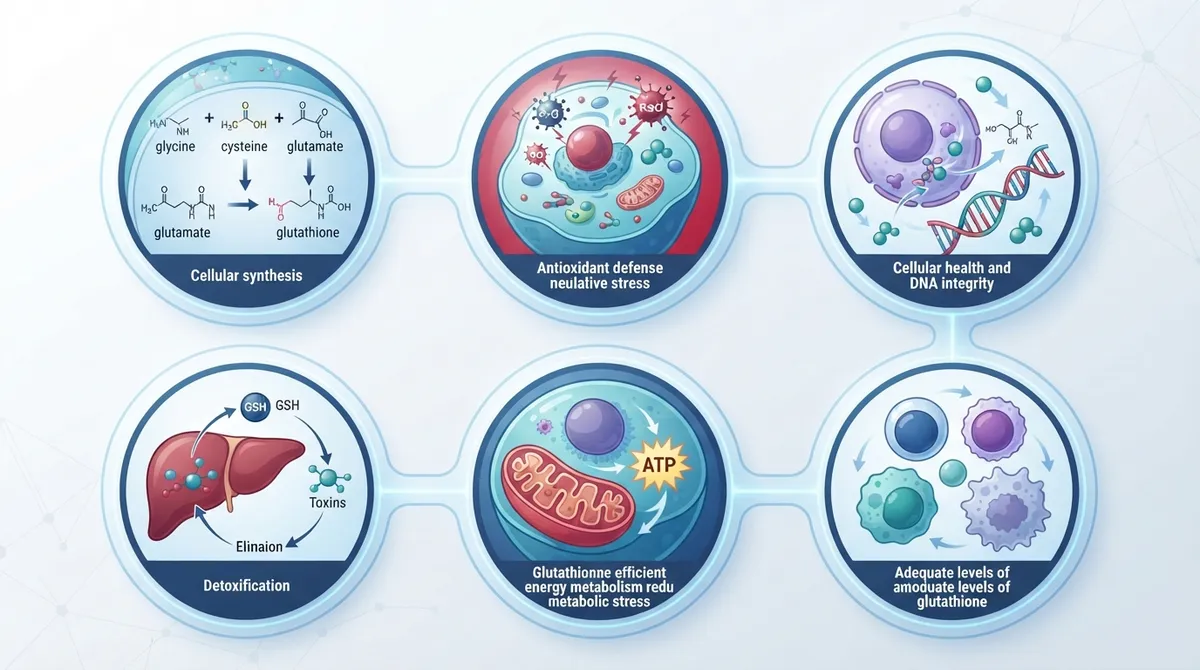
Glutathione (GSH) is a natural antioxidant your body makes on its own. It is built from three building blocks: glutamate, cysteine, and glycine. This molecule helps balance oxidative stress inside your cells and supports your body's natural detox pathways.
Glutathione also plays a role in immune function and metabolism. But here is the key point: just because something sounds biologically important does not mean supplements will prevent or cure disease. Biological plausibility is not the same as clinical proof. This distinction matters a lot when you are deciding whether a supplement is worth your money and effort.
6 Key Glutathione Research Studies to Know
Below are six studies that shape what we currently know about oral and IV glutathione. Each one offers useful information, but none proves that glutathione treats or prevents disease.
1. The Six-Month Dose-Response Trial (Richie et al., 2015)
This randomized, double-blind, placebo-controlled trial included 54 healthy, nonsmoking adults. Researchers tested two doses: 250 mg per day and 1,000 mg per day.
- The high-dose group saw blood glutathione rise about 30 to 35 percent after six months.
- Buccal cell glutathione levels jumped roughly 260 percent in the high-dose group.
- The low-dose group saw smaller increases, around 17 to 29 percent in different tissues.
- Many benefits faded back toward baseline levels after a one-month break from the supplement.
This study proves oral glutathione can raise biomarkers. It does not prove better health outcomes like fewer illnesses or more energy.
2. The Four-Week Oxidative Stress Study (Ribas et al., 2014)
This trial tested glutathione's effect on oxidative stress markers over four weeks in healthy adults. Researchers measured urinary markers linked to cell damage.
The results were less exciting. Among the 39 participants who completed the study, there were no significant differences between the placebo group and the glutathione group. This tells us that short-term supplementation may not always change oxidative stress markers, even if blood glutathione levels shift slightly.
3. The Sublingual vs. Oral Comparison (Schmitt et al., 2015)
This three-week crossover study compared sublingual glutathione, standard oral glutathione, and N-acetylcysteine in 20 people with metabolic syndrome.
Sublingual glutathione appeared to raise plasma glutathione levels more than the other two options. It also improved the ratio of active to inactive glutathione in the blood. However, with only 20 participants and a short study window, these findings need confirmation before anyone claims one form is clearly superior.
4. The Insulin Sensitivity Study (Dallakyan et al., 2021)
This study is especially relevant for people managing weight or blood sugar concerns. Researchers gave 1,000 mg per day of oral glutathione to 20 people with obesity, including 10 with type 2 diabetes, over three weeks.
Whole-body insulin sensitivity improved in the treatment group. That is a meaningful finding worth watching. But mitochondrial function and several markers of oxidative DNA damage did not show consistent improvement. This mixed result is common in early-stage research and shows why larger trials are needed.
5. The Liposomal Glutathione Pilot Study (Sinha et al., 2018)
Liposomal formulations are designed to improve absorption. This small pilot study found that liposomal glutathione lowered plasma 8-isoprostane levels by about 35 percent and improved the oxidized-to-reduced glutathione ratio by about 20 percent in some groups.
These numbers sound promising, but the study was small and preliminary. Bigger, longer trials are needed before liposomal glutathione can be called a proven superior option.
6. Long-Term Use in Type 2 Diabetes (2022 Randomized Clinical Trial)
This 2022 trial looked at long-term oral glutathione supplementation in elderly adults with type 2 diabetes. Researchers found increased glutathione stores, reduced oxidative DNA damage, and stable or improved HbA1c levels.
This is one of the more encouraging studies on the list. Still, because the study population and design were limited, glutathione should never replace diabetes medication, a healthy diet, exercise, or regular primary care visits.
Comparing the Six Studies at a Glance
|
Study |
Sample Size |
Duration |
Key Finding |
|---|---|---|---|
|
Richie et al., 2015 |
54 adults |
6 months |
30–35% rise in blood glutathione |
|
Ribas et al., 2014 |
39 adults |
4 weeks |
No change in oxidative stress markers |
|
Schmitt et al., 2015 |
20 adults |
3 weeks |
Sublingual form raised glutathione more |
|
Dallakyan et al., 2021 |
20 adults |
3 weeks |
Improved insulin sensitivity |
|
Sinha et al., 2018 |
Small pilot |
Short-term |
Lower oxidative stress markers |
|
2022 RCT |
Elderly diabetics |
Long-term |
Reduced DNA damage, stable HbA1c |
Oral vs. IV Glutathione: What Research Shows
Many wellness clinics offer both oral supplements and IV glutathione infusions. These are not the same, and the safety data looks very different for each.
Oral and Topical Glutathione
- Generally well tolerated in short-term studies
- Mild side effects reported, including gas and loose stools
- Limited data on long-term safety, drug interactions, and use during pregnancy
- Bioavailability varies by formulation, with liposomal and sublingual products showing promise in small trials
IV Glutathione
IV glutathione, especially when used for cosmetic skin lightening, carries much bigger risks. A 2025 narrative review found that IV use has been linked to anaphylaxis, liver damage, kidney injury, and severe skin reactions. There is currently no standardized, evidence-based protocol for IV glutathione as a general wellness therapy.
This is why any glutathione treatment plan should involve a licensed provider who can assess your medical history and current medications. A knowledgeable member of our provider team can help you weigh the real risks and benefits before starting any supplement or infusion.
Steps to Take Before Trying Glutathione Supplements
If you are considering glutathione after reading this research, follow these steps first:
- Schedule a visit with your primary care provider to review your health history and current medications.
- Ask about relevant lab work, such as liver function tests, before starting any new supplement.
- Research the product's formulation (oral, sublingual, liposomal, or IV) and its safety data.
- Set realistic expectations. Glutathione may support cellular antioxidant activity but is not a cure for chronic disease.
- Avoid IV glutathione for cosmetic purposes unless supervised by a qualified medical professional.
- Monitor for side effects like digestive upset and report them to your provider right away.
Who Should Be Cautious With Glutathione?
Certain groups should talk to a doctor before trying any glutathione product:
- Pregnant or breastfeeding women, due to limited safety data
- People with liver or kidney conditions
- Anyone taking multiple prescription medications
- Patients considering IV infusions for skin lightening
- Individuals with known allergies to sulfur-containing compounds
Your safest path forward is a conversation with a trusted provider. The team behind our about us page includes physicians who specialize in whole-body wellness and can guide you through supplement decisions with real medical context, not just marketing claims.
How InCare Approaches Glutathione and Wellness
At InCare, with locations in Tampa and Riverview, Florida, we believe in evidence-based wellness. That means we look at the research, not just the hype. Our providers, including Dr. Pramjeet Ahluwalia and Dr. Naveen Paddu, take time to understand your health goals before recommending any supplement or therapy.
We also offer complementary services that support overall wellness, including IV hydration and vitamin drips, DNA gene testing, and body composition analysis. These tools help us build a personalized plan instead of a one-size-fits-all approach. If weight management is part of your wellness journey, our weight loss programs are backed by science and tailored to your body's needs.
Many patients also come to us for routine cancer screenings or general urgent care needs, and we treat every visit as a chance to talk honestly about supplements like glutathione. You can follow our latest wellness updates on Facebook or see daily health tips on Instagram. We also share quick wellness facts on TikTok for those who prefer bite-sized content.
Why Research-Backed Care Matters
The wellness industry moves fast, and new supplements pop up constantly. But real trust comes from providers willing to say "the research is still developing" instead of overpromising results. This is especially true for glutathione, where small trials show promise but larger studies are still needed.
Patients in Tampa and Riverview trust InCare because we combine cutting-edge tools with honest, personalized guidance. Our 4.8-star rating on Google reflects years of patients feeling heard and respected. You can visit us on Google — InCare to read real patient experiences before your first visit.
Making an Informed Decision
Glutathione research shows real promise in specific areas, like biomarker changes and possible insulin sensitivity benefits. But it is not a proven cure-all. Responsible use means working with a provider, choosing reputable products, and avoiding unsupported claims about curing chronic disease or reversing aging.
If you are ready to discuss glutathione or other wellness options with a knowledgeable provider, our team is here to help you make a decision based on facts, not fads. You can reach out to our care team today to schedule a consultation, or go ahead and book your appointment online at a time that works for your schedule. Your health deserves science-backed answers, and we are ready to provide them.
FAQs
Q: Do glutathione research studies prove it treats disease?
A: No. Current research shows glutathione supplements can raise blood and cellular glutathione levels, but this does not prove they treat or prevent disease. Larger, longer trials are needed before making such claims.
Q: Is oral glutathione absorbed well by the body?
A: Studies show mixed results. Conventional oral glutathione may have limited absorption, while liposomal and sublingual forms have shown better biomarker changes in small studies. More comparative research is needed to confirm which form works best.
Q: Are IV glutathione infusions safe?
A: IV glutathione carries more safety concerns than oral forms, especially when used for cosmetic skin lightening. Reported risks include allergic reactions, liver damage, and kidney injury. Always consult a licensed provider before considering IV treatment.
Q: Can glutathione help with diabetes or insulin resistance?
A: Some small studies suggest glutathione may improve insulin sensitivity and reduce oxidative DNA damage in people with type 2 diabetes. However, it should never replace prescribed medication, diet, or exercise as part of diabetes management.
Q: Who should avoid glutathione supplements?
A: Pregnant or breastfeeding women, people with liver or kidney conditions, and those on multiple medications should talk to a doctor first. Long-term safety and drug interaction data remain limited for these groups.