
Key Takeaways
- Retatrutide is not FDA-approved and remains unavailable by prescription; patients should avoid unregulated online vendors and stick with proven options like Wegovy, Zepbound, and Saxenda.
- Retatrutide activates three hormone receptors (GIP, GLP-1, glucagon) versus one or two in current drugs, showing 24.2% average weight loss in trials, but lacks direct head-to-head comparison with approved medications.
- FDA-approved GLP-1 drugs have established safety profiles and clear dosing backed by large clinical studies, while retatrutide's side effects mirror other incretin drugs and require careful medical supervision.
- Patients qualifying for weight loss treatment (BMI 30+ or 27+ with weight-related conditions) should consult providers about current approved options rather than waiting for retatrutide's future regulatory decision.
Weight loss medications have changed how doctors treat obesity and diabetes. If you follow health news, you may have heard about retatrutide. This new drug is making headlines for its weight loss results in clinical trials. But how does it really compare to approved options like Wegovy, Zepbound, and Saxenda? This guide breaks down the facts so you can make sense of the hype and understand what is actually available to you today.
At InCare, our providers in Tampa and Riverview help patients understand every weight loss option, from proven treatments to promising research. This article explains what retatrutide is, how it works, and why the approved GLP-1 medications remain the safest choice for most patients right now.
1. Retatrutide Targets Three Hormones, Not Just One
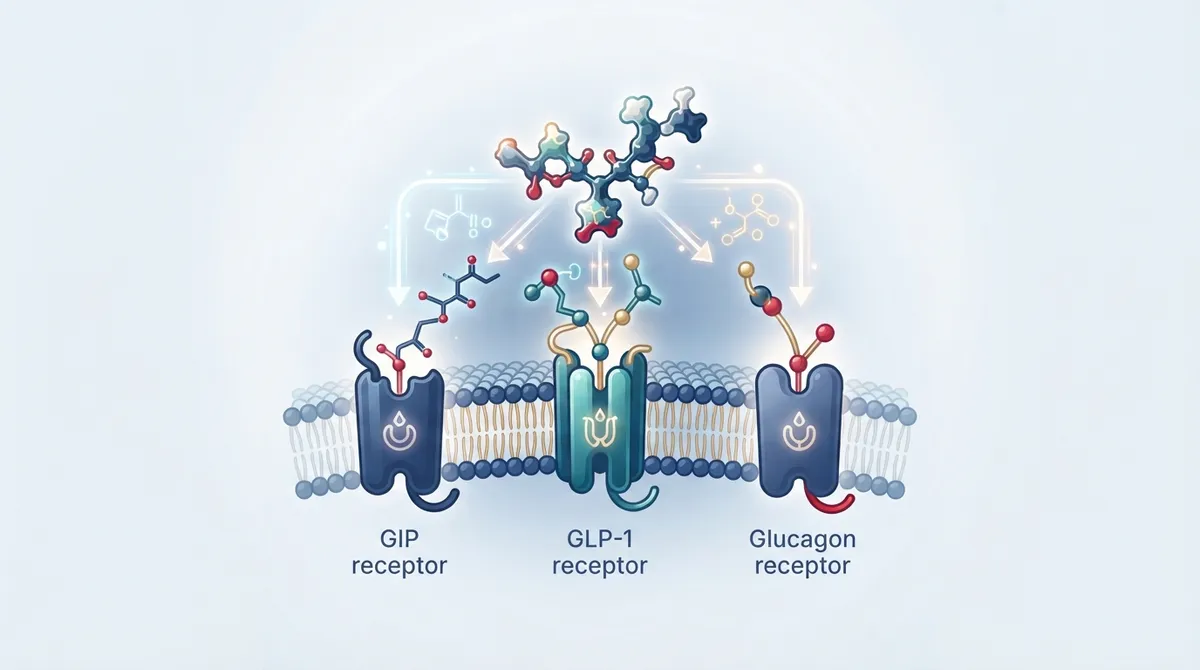
Retatrutide, also called LY3437943, is a new injectable drug made by Eli Lilly. It is different from other weight loss drugs because it activates three separate receptors in your body: GIP, GLP-1, and glucagon. Most current drugs only target one or two of these pathways.
Semaglutide and liraglutide mainly activate the GLP-1 receptor. Tirzepatide goes a step further by activating both GIP and GLP-1 receptors. Retatrutide adds a third target, the glucagon receptor, which may explain why early trial results show such strong weight loss numbers.
This triple-action approach is exciting for researchers. But activating more pathways also means more chances for side effects. That is why careful medical supervision matters no matter which drug a patient uses. Our weight loss team at InCare stays current on this research so we can guide you accurately.

2. Retatrutide Is Not FDA-Approved Yet
This is the most important fact to understand. Retatrutide is still an investigational drug. It has not received approval from the U.S. Food and Drug Administration. This means no licensed doctor can legally prescribe it for weight loss or diabetes outside of a clinical trial.
You may see retatrutide advertised online through peptide vendors or compounding pharmacies. This is risky. These products are not regulated, tested for purity, or proven safe. Buying medication this way puts your health in danger.
Patients who want a safe path to weight loss today should talk to their primary care provider about FDA-approved options. These medications have gone through years of testing and have known safety profiles. You can learn more about current guidelines from the U.S. Food and Drug Administration, which oversees drug approval and safety monitoring.
Why This Distinction Matters for Your Health
Choosing an unapproved drug means you lose access to verified dosing, quality control, and side effect data. Approved drugs like Wegovy and Zepbound come with clear instructions backed by large clinical studies. This protects you as a patient.
3. The Clinical Trial Numbers Are Impressive, But Not Proven Superior
In a phase 2 trial published in the New England Journal of Medicine in 2023, patients taking the 12-mg dose of retatrutide lost an average of 24.2% of their body weight over 48 weeks. The placebo group lost only about 1.6%. These numbers are higher than results seen in trials for other GLP-1 drugs.
Here is how the numbers compare across different trials:
|
Medication |
Trial Name |
Average Weight Loss |
Trial Duration |
|---|---|---|---|
|
Retatrutide (12mg) |
Phase 2 Obesity Trial |
~24.2% |
48 weeks |
|
Tirzepatide (15mg) |
SURMOUNT-1 |
~20.9% |
72 weeks |
|
Semaglutide (2.4mg) |
STEP 1 |
~14.9% |
68 weeks |
|
Liraglutide (3.0mg) |
SCALE Obesity |
~8.0% |
56 weeks |
These numbers look exciting for retatrutide. But there is a catch. These trials were not run against each other directly. Each study had different patients, different lengths, and different methods. This makes it hard to say for certain that retatrutide beats other drugs. Doctors call this an indirect comparison, and it is not the same as solid proof.
4. Approved GLP-1 and GIP/GLP-1 Drugs Remain the Practical Choice
While retatrutide continues through testing, patients today have three main FDA-approved options for chronic weight management:
- Wegovy (semaglutide 2.4mg) - A weekly injection for adults with obesity or overweight plus a weight-related health condition.
- Zepbound (tirzepatide) - A dual-action GIP/GLP-1 drug approved for chronic weight management.
- Saxenda (liraglutide 3mg) - A daily injection option that was one of the earlier approved weight loss drugs.
Most patients qualify for these treatments if their BMI is 30 or higher, or 27 or higher with a weight-related condition like high blood pressure or type 2 diabetes. These guidelines come from FDA product labeling and are used by clinics across the country, including our Tampa and Riverview locations.
What to Consider Before Starting Any GLP-1 Medication
Choosing the right medication is not just about weight loss numbers. Here are key factors your provider will review with you:
- Your current health conditions and any contraindications
- Insurance coverage and out-of-pocket cost
- Comfort level with weekly or daily injections
- Your personal weight loss goals and timeline
- Risk factors like thyroid disease or pancreatitis history
- Whether you need additional support for diabetes management
Our providers, including Dr. Naveen Paddu and Dr. Pramjeet Ahluwalia, walk patients through each of these factors during a consultation. This helps you pick the safest and most effective path for your body.
5. Side Effects Are Similar Across These Drug Types
All incretin-based weight loss drugs share some common side effects. These happen most often when starting the medication or increasing the dose. Common issues include:
- Nausea and vomiting
- Diarrhea or constipation
- Stomach discomfort
- Reduced appetite
More serious risks can include gallbladder problems, dehydration, and in rare cases, pancreatitis. Patients with a personal or family history of certain thyroid cancers should also discuss this with their doctor, since some GLP-1 drugs carry a specific warning about thyroid C-cell tumors.
In retatrutide's phase 2 trial, gastrointestinal side effects were also common, especially at higher doses. This tells us that even with a new triple-action mechanism, the body still reacts in similar ways to these types of drugs. Working with a trusted provider helps you manage these side effects safely, whether through dose adjustments or supportive care like IV hydration therapy.
6. Retatrutide's Future Depends on Ongoing Phase 3 Trials
Retatrutide is currently being tested in phase 3 trials for several conditions beyond simple weight loss. These include type 2 diabetes, knee osteoarthritis, obstructive sleep apnea, and cardiovascular disease. Company announcements have shared some positive early results, including weight loss of up to an average of 71.2 pounds in one trial.
However, it is important to separate company press releases from peer-reviewed, published science. A topline announcement is not the same as full data reviewed by independent experts. Regulatory approval also takes time, often years, after trials finish. Patients should treat retatrutide as a future option, not something ready for prescription today.
If you want to stay informed as this research develops, following trusted health sources and your own care team is the best approach. You can also connect with our clinic on social media, including our Facebook page and Instagram, where we share updates on weight loss science and wellness tips. We also post educational content on Tik Tok to help patients understand new treatments in simple terms.
How InCare Supports Your Weight Loss Journey Today
Whether you are curious about GLP-1 drugs or ready to start a proven treatment plan, InCare offers personalized care backed by real science. Our team reviews your health history, discusses your goals, and builds a plan around FDA-approved medications that fit your needs.
We also offer supporting services like body composition analysis and metabolic breath analysis to track your progress with real data, not guesswork. Combined with DNA gene testing, we can help you understand how your body responds to different treatments over time.
Patients across Tampa and Riverview trust InCare for honest, science-based guidance. You can read what our patients say and visit us on Google — InCare to see real reviews from people who have used our weight loss programs.
Making the Right Choice for Your Health
Retatrutide represents an exciting step forward in weight loss science. Its triple-hormone approach may offer stronger results than current drugs, but it is not yet proven safe or approved for regular use. Until more data is published and the FDA makes a decision, approved options like Wegovy, Zepbound, and Saxenda remain the smart, tested choice.
If you are ready to explore your weight loss options with a trusted medical team, our providers are here to help. Book your appointment today and take the first step toward a personalized, medically guided weight loss plan. You can also get in touch with our team if you have questions about which treatment fits your health goals.
FAQs
Q: Is retatrutide more effective for weight loss than Wegovy or Zepbound?
A: Early trial data shows retatrutide produced greater average weight loss than semaglutide or tirzepatide in separate studies. However, no head-to-head trial has directly compared these drugs, so we cannot say for certain that retatrutide is superior.
Q: Is retatrutide FDA-approved or available by prescription?
A: No, retatrutide is not FDA-approved. It remains an investigational drug available only through authorized clinical trials, and it should not be purchased from online vendors or compounded products.
Q: What is the difference between retatrutide, semaglutide, and tirzepatide?
A: Semaglutide activates only the GLP-1 receptor, tirzepatide activates both GIP and GLP-1 receptors, and retatrutide activates all three: GIP, GLP-1, and glucagon receptors. This triple-action approach is what sets retatrutide apart in current research.
Q: Can patients switch from semaglutide or tirzepatide to retatrutide?
A: Not currently. Since retatrutide is not FDA-approved, patients cannot legally switch to it outside of a clinical trial setting. Approved options remain the only prescribable choice for now.
Q: Who qualifies for FDA-approved GLP-1 or incretin-based weight-loss treatment?
A: Adults with a BMI of 30 or higher, or a BMI of 27 or higher with a weight-related condition like high blood pressure or type 2 diabetes, typically qualify. A consultation with a primary care provider helps confirm eligibility based on your full health history.