Key Takeaways
- KPV lacks human clinical trial evidence for acne treatment; current research is limited to lab studies with skin cells, not proven real-world results in patients with breakouts.
- KPV is not FDA-approved for any medical use, meaning product quality, purity, and sterility cannot be guaranteed when purchased from sellers online.
- Proven acne treatments like benzoyl peroxide, topical retinoids (adapalene, tretinoin), azelaic acid, and oral antibiotics have decades of strong clinical evidence and should be tried first before investigational peptides.
- KPV's antibacterial claims do not apply to Cutibacterium acnes, the bacteria linked to acne; published antimicrobial testing only covers other organisms like Staphylococcus aureus and Candida.
Scrolling through wellness forums, you may have seen KPV peptide mentioned as a new fix for acne breakouts. It sounds promising: a small peptide that calms inflammation and clears skin. But before you spend money on an unverified product, it helps to know what science actually says. At InCare, we believe patients deserve honest, evidence-based answers about trending treatments like this one.
This article breaks down what KPV is, what the research shows, and what proven acne treatments already work. Whether you are a busy parent trying to help a teenager, or an adult still dealing with breakouts, this guide gives you the facts you need before trying anything new on your skin.
1. KPV Is a Peptide, Not a Proven Acne Treatment
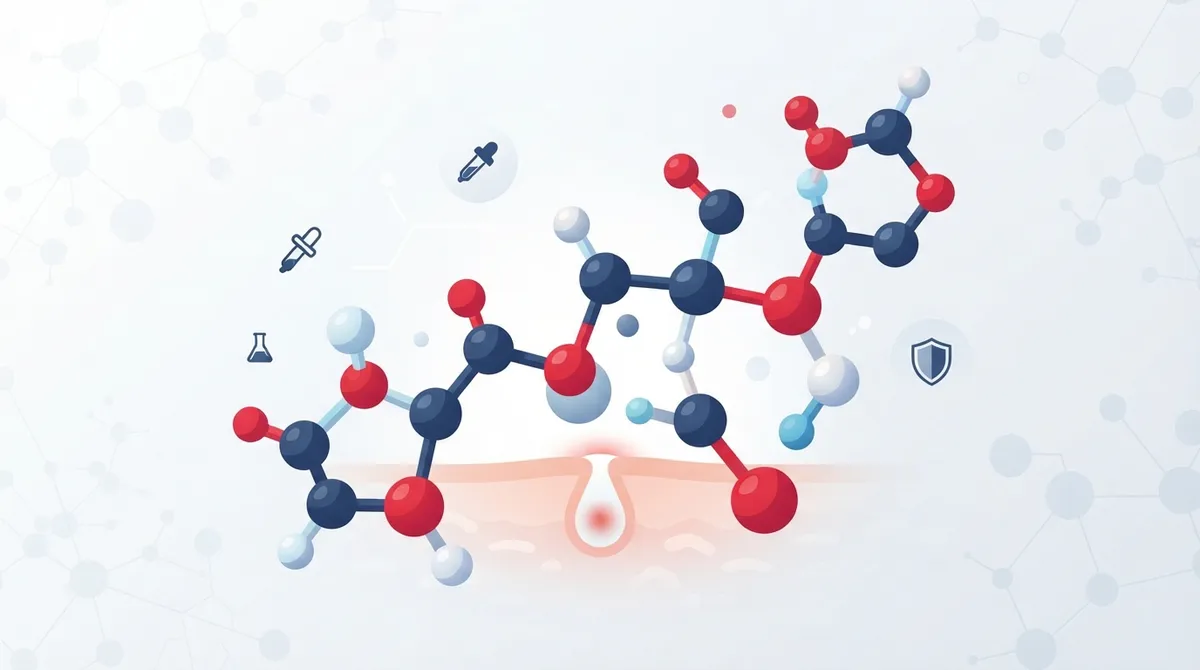
KPV stands for lysine-proline-valine. It is a tiny peptide made of just three amino acids. It comes from a larger hormone called alpha-melanocyte-stimulating hormone, or α-MSH, which naturally occurs in the body.
Some wellness and skincare sellers market KPV as an anti-inflammatory ingredient for acne and other skin issues. The idea is based on lab studies, not human clinical trials. This is an important difference, and one every patient should understand.
Right now, there is no strong published evidence from a randomized, controlled human study proving KPV reduces acne lesions or prevents new breakouts. Marketing claims often move faster than actual science, and acne treatment is no exception.

2. The Science Behind KPV Is Mostly Lab-Based
The reasoning behind KPV for acne comes from cell studies, not real patient results. Researchers have looked at how KPV behaves in lab settings using skin cells called keratinocytes.
These lab studies suggest KPV might lower certain inflammatory signals, including something called NF-κB activity. It may also reduce a substance called interleukin-8, which plays a role in inflammation. This sounds encouraging, but it stops far short of proving real-world results.
- Lab dish studies do not always translate to real skin
- No large controlled trials on humans have tested KPV specifically for acne
- Most available research is in vitro, ex vivo, or animal-based
A 2025 study looked at human keratinocytes exposed to fine particulate matter, like pollution particles. Researchers found that KPV reduced inflammatory signaling and cell injury in this specific lab model. This is interesting for skin inflammation research, but it was not an acne study. It does not tell us whether KPV clears breakouts or prevents new ones.
3. KPV's Antibacterial Claims Do Not Cover Acne Bacteria
Acne is often linked to a bacteria called Cutibacterium acnes. Some sellers imply KPV fights this bacteria too. However, that claim is not well supported.
Published lab testing on KPV's antimicrobial effects has focused on other organisms, including Staphylococcus aureus and Candida albicans. Neither of these is the primary bacteria linked to acne breakouts. This is a key detail that many marketing pages leave out.
If a product claims it fights acne bacteria specifically, ask for the actual published research behind that claim. A trustworthy primary care provider can help you sort marketing claims from real medical evidence.
4. KPV Is Not FDA-Approved for Acne or Any Other Use
This is one of the most important facts to understand. KPV has no FDA approval for acne treatment. It also has no FDA approval for any other medical condition.
Products sold as injectable, oral, or compounded KPV are typically research-grade or off-label items. This means:
- Product quality can vary a lot between sellers
- Concentration and purity are not always verified
- Sterility cannot be guaranteed for injectable forms
- Labeling may be inaccurate or incomplete
Because there is no regulatory oversight, you are largely trusting the seller's word. This is risky, especially for something you put on or inject into your body. If you are curious about peptide-based wellness options, it helps to talk with a provider familiar with the current research, such as those featured in our overview of peptide therapy options in Tampa.
5. Safety Data on KPV Is Very Limited
Human safety studies on KPV are sparse, especially for injectable or oral forms. Long-term use has not been well studied at all.
Potential risks include:
- Local irritation or injection-site reactions
- Allergic reactions to the peptide or added ingredients
- Unknown effects on the immune system over time
- Uncertain safety during pregnancy or breastfeeding
- Unclear risks for people with cancer history or autoimmune disease
One often-cited internal cohort from 2024 involved 47 people with atopic dermatitis, a skin condition different from acne. This was not an independent randomized trial, so it does not prove KPV is safe or effective for acne specifically. Small, informal reports like this should not replace real clinical evidence.
Topical KPV products may also include preservatives, fragrances, or other active ingredients. These extras can irritate acne-prone skin or even cause new breakouts. Anyone considering a trial of KPV should get a full ingredient review and patch test first, ideally with clinician supervision rather than self-treatment at home.
6. Proven Acne Treatments Have Much Stronger Evidence
While KPV remains investigational, several acne treatments already have solid clinical support. These options have been tested in real patients over many years.
|
Treatment |
How It Works |
Evidence Level |
|---|---|---|
|
Benzoyl Peroxide |
Kills acne-causing bacteria, reduces oil |
Strong, well established |
|
Topical Retinoids (Adapalene, Tretinoin) |
Unclogs pores, reduces inflammation |
Strong, guideline supported |
|
Azelaic Acid |
Reduces bacteria and inflammation |
Strong, widely used |
|
Oral Doxycycline-Class Antibiotics |
Reduces inflammatory acne lesions |
Strong, for appropriate cases |
|
Hormonal Therapy |
Balances hormone-driven breakouts |
Strong, for certain patients |
|
Isotretinoin |
Targets severe, resistant acne |
Strong, clinically proven |
|
KPV Peptide |
Theoretical anti-inflammatory effect |
Weak, lab-based only |
If you have been struggling with acne, the smartest first step is a real evaluation. A provider can look at your acne severity, scarring risk, medication history, and hormonal factors. From there, they can recommend an option backed by actual results, not just theory.
Why Talk to a Primary Care Provider Before Trying KPV
Acne can feel personal and frustrating, especially when nothing seems to work. It is tempting to try the newest peptide trend you saw online. But skipping a real medical evaluation can waste time, money, and sometimes even cause harm.
A visit to a trusted clinic gives you access to:
- An accurate diagnosis, since some skin issues look like acne but are not
- A treatment plan based on your specific skin, hormones, and history
- Guidance on drug interactions if you take other medications
- Honest answers about newer treatments like KPV, including their limits
Our team at InCare, including Dr. Naveen Paddu, Dr. Pramjeet Ahluwalia, and Dr. Teshy John, works with patients across Tampa and Riverview to build treatment plans that fit their goals. We combine standard, proven acne care with a broader look at your overall health, including hormone balance and metabolic factors that can affect your skin.
What to Ask Before Trying Any New Peptide
If you are still curious about KPV or other emerging peptides, bring these questions to your next appointment:
- Is there any human clinical trial data for this specific use?
- What is the source and purity of the product?
- Could this interact with medications I already take?
- Are there safer, proven alternatives I should try first?
- What side effects have been reported, even anecdotally?
A good provider will answer honestly, even if the answer is "we don't know yet." That honesty matters more than a flashy marketing claim. You can also read what real patients say about our approach by checking our Facebook page or following along on Instagram for wellness tips and updates.
Bringing It All Together
KPV peptide is an interesting research topic, but it is not a proven acne cure. The lab studies are promising in a narrow sense, yet they do not replace real human trials. Claims about fighting acne bacteria or clearing breakouts go beyond what current evidence supports.
If you want real results, start with treatments backed by strong clinical research. Options like topical retinoids, benzoyl peroxide, and, for more severe cases, isotretinoin have helped patients for decades. Our providers can also screen for other issues, from hormonal imbalances to nutrition gaps, that may be feeding your breakouts. You can learn more in our guide on what happens during an annual wellness visit.
Acne treatment works best when it is personal, safe, and based on real evidence. Our Tampa and Riverview locations offer full evaluations that go beyond a quick prescription. You can also see firsthand feedback from other patients when you visit us on Google — InCare to read reviews before your visit.
Ready to get real answers about your skin? Book your appointment today and let our team build a treatment plan based on proven science, not just trends. You can also follow our latest wellness updates on TikTok for more health tips throughout the year.
FAQs
Q: What is KPV peptide, and how might it affect acne inflammation?
A: KPV is a three-amino-acid peptide derived from alpha-melanocyte-stimulating hormone. Lab studies suggest it may reduce inflammatory signals in skin cells, but this has not been proven to translate into real acne improvement in humans.
Q: Does KPV actually clear acne or reduce acne lesions?
A: There is no strong published evidence from a randomized human trial showing KPV clears acne or reduces lesion counts. Current support comes mainly from laboratory and cell-based studies, not real patient outcomes.
Q: Is KPV FDA-approved for acne, and is it legal to buy or use?
A: KPV is not FDA-approved for acne or any other medical condition. Products sold online are generally research or off-label items, so quality, purity, and labeling can vary significantly between sellers.
Q: Does KPV kill Cutibacterium acnes or other acne-causing bacteria?
A: No strong evidence supports this claim. Published antimicrobial testing on KPV has focused on organisms like Staphylococcus aureus and Candida albicans, not Cutibacterium acnes, the bacteria commonly linked to acne.
Q: What evidence-based acne treatments should be tried before considering an investigational peptide?
A: Proven options include topical benzoyl peroxide, retinoids like adapalene or tretinoin, azelaic acid, oral antibiotics for inflammatory acne, hormonal therapy, and isotretinoin for severe cases. These treatments have much stronger clinical support than KPV.