Key Takeaways
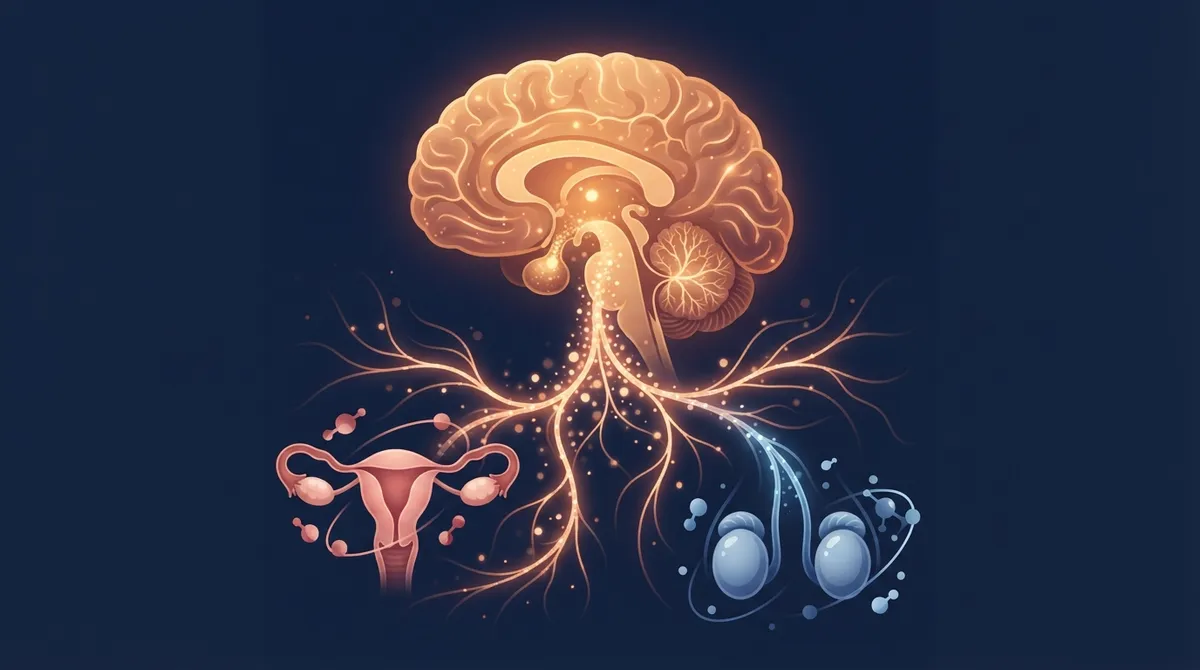
- Kisspeptin is a master regulatory hormone produced in the brain that triggers GnRH release, which controls LH and FSH—hormones essential for puberty, menstrual cycles, ovulation, and testosterone production throughout the reproductive system.
- Genetic mutations affecting kisspeptin or its receptor can cause delayed or absent puberty and infertility; parents should consult pediatric providers if children show no breast development by age 13, no testicular enlargement by age 14, or absent periods by age 15.
- Kisspeptin signaling is disrupted by low energy availability, excessive exercise, chronic stress, and eating disorders, leading to irregular or absent menstrual cycles; comprehensive primary care evaluation can identify these nutritional and lifestyle factors before they worsen.
- Kisspeptin-based treatments like kisspeptin-54 and receptor agonists show promise in early trials for hypothalamic amenorrhea and infertility, with studies showing dramatically elevated LH and FSH levels, but these remain investigational and not yet approved for routine clinical use.
- In men, kisspeptin indirectly supports testosterone production and sperm health through GnRH-LH-FSH signaling; symptoms like fatigue, reduced libido, or difficulty building muscle should prompt testosterone testing rather than being dismissed as normal aging.
- Lifestyle factors including balanced nutrition, moderate exercise, adequate sleep, and stress management directly influence kisspeptin activity and reproductive hormone stability, making everyday habits crucial for maintaining menstrual regularity and fertility.
Struggling with unexplained fertility problems or irregular cycles can feel isolating. Many people search for answers online long before they see a doctor. One term that keeps appearing in fertility research is kisspeptin, a hormone that plays a central role in the kisspeptin reproductive system. Understanding how this pathway works can help you have better conversations with your primary care provider about hormone health, fertility, and puberty concerns.
At InCare, we believe informed patients make better health decisions. This guide breaks down the science behind kisspeptin in simple terms, so you can understand its role in reproductive health and know when it is time to seek professional evaluation. Whether you are a busy parent watching your child's development, a woman trying to understand irregular periods, or someone exploring fertility options, this article gives you a clear, medically grounded overview.
1. Kisspeptin Acts as the Master Switch for Reproductive Hormones
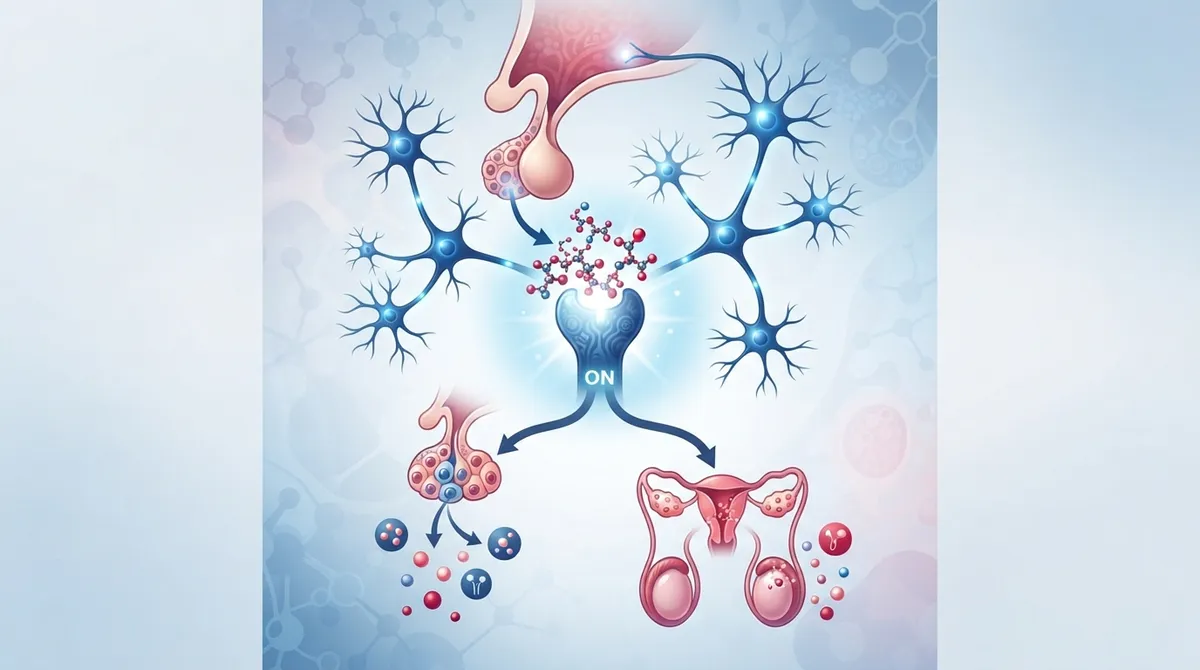
Kisspeptin is a hormone made in the brain. It is produced by a gene called KISS1 and works by attaching to a receptor called KISS1R, also known as GPR54. This receptor sits on special brain cells called GnRH neurons.
Think of kisspeptin as a key that unlocks the next step in a chain reaction. Once it binds to its receptor, it tells the brain to release GnRH, or gonadotropin-releasing hormone. GnRH then signals the pituitary gland to release two more hormones: luteinizing hormone (LH) and follicle-stimulating hormone (FSH). These two hormones control ovulation, sperm production, and testosterone levels.
Without kisspeptin, this entire chain breaks down. That is why researchers now view it as a master regulator of the reproductive system, sitting upstream of nearly every other reproductive hormone in the body.
How the Signal Travels
- Kisspeptin is released by neurons in the hypothalamus
- It binds to KISS1R receptors on GnRH neurons
- GnRH is released into the bloodstream in pulses
- The pituitary gland responds by releasing LH and FSH
- LH and FSH act on the ovaries or testes to regulate reproduction
A 2025 review published in Physiological Reviews described kisspeptin and a related molecule called neurokinin B as key regulators of puberty, the menstrual cycle, and menopause-related changes. This research confirms what scientists have suspected for years: kisspeptin is not a minor player. It is a foundational part of how your body manages reproductive timing.
2. Kisspeptin Controls Puberty Onset and Timing
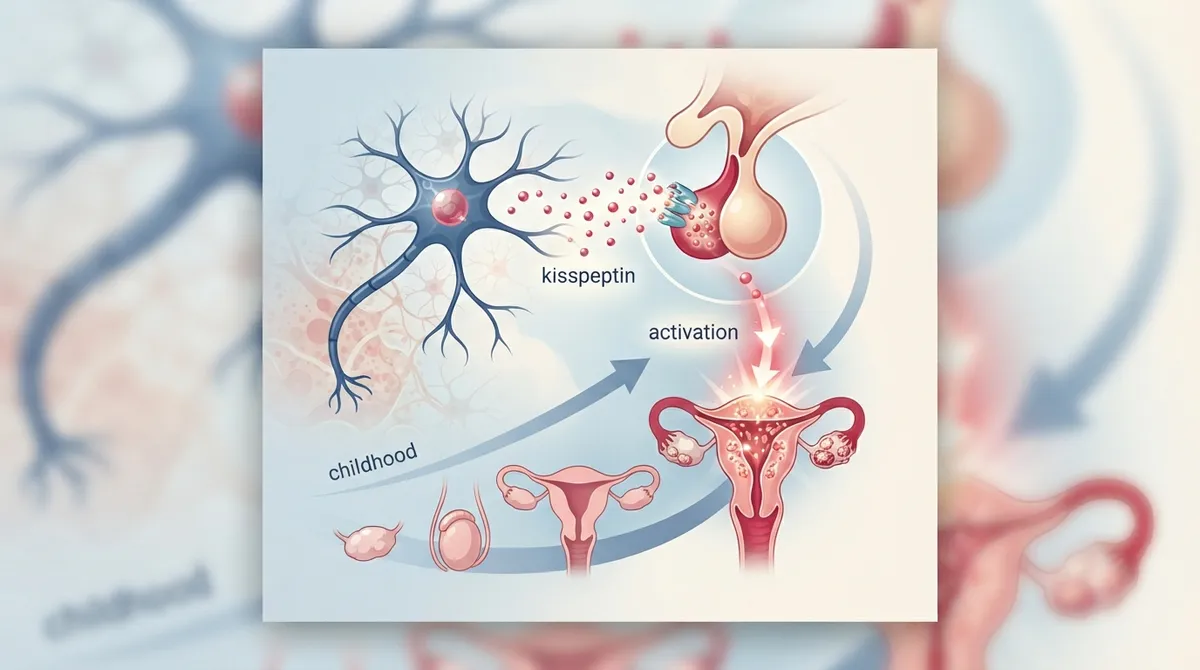
One of the clearest examples of kisspeptin's power is its role in puberty. Before puberty begins, kisspeptin signaling is relatively quiet. As a child approaches puberty age, kisspeptin activity increases and triggers the hormonal cascade that leads to physical development.
Genetic mutations that block kisspeptin or its receptor can cause a condition called hypogonadotropic hypogonadism. This condition leads to delayed or absent puberty and can affect fertility later in life. Parents who notice a child is not developing typically for their age should discuss this with a pediatric or family medicine provider rather than waiting to see if things change on their own.
Signs That May Warrant a Conversation With Your Doctor
- No breast development by age 13 in girls
- No testicular enlargement by age 14 in boys
- Absence of menstrual periods by age 15
- Very early puberty signs before age 8 in girls or 9 in boys
- Family history of delayed or absent puberty
If you have concerns about your child's development, our pediatric primary care team can help guide you through the right next steps, including referrals to specialists when needed.
3. Kisspeptin Regulates Menstrual Cycles and Ovulation
For women, kisspeptin plays a major role in regulating the menstrual cycle. It helps trigger the LH surge that leads to ovulation each month. Kisspeptin neurons work together with two other signaling molecules, neurokinin B and dynorphin, in a network researchers call the KNDy system. This network creates the pulsing pattern of GnRH release needed for a normal cycle.
When kisspeptin signaling is disrupted, cycles can become irregular or stop altogether. This is sometimes seen in a condition called hypothalamic amenorrhea, where periods stop due to low energy availability, excessive exercise, or high stress. In this case, the body may be conserving energy at the expense of reproductive function.
Common Causes of Menstrual Cycle Disruption Linked to Kisspeptin Signaling
- Very low body weight or rapid weight loss
- Intense exercise without enough calorie intake
- Chronic stress and elevated cortisol levels
- Eating disorders or disordered eating patterns
- Underlying hormonal conditions like PCOS
Women without an established primary care relationship often assume irregular periods are only an OB/GYN issue. In reality, a comprehensive primary care evaluation can catch nutritional, metabolic, or lifestyle factors that affect hormone balance long before they become bigger problems. Our providers, including Dr. Pramjeet Ahluwalia, take a whole-body approach to hormone health.
4. Kisspeptin Supports Testosterone Production and Sperm Health
Kisspeptin's role is not limited to female reproductive health. In men, this same signaling pathway supports testosterone production and sperm-related function. By stimulating GnRH release, kisspeptin indirectly drives LH and FSH secretion, which then act on the testes.
LH stimulates testosterone production, while FSH supports the process of making sperm. When kisspeptin signaling is impaired, men can experience low testosterone, reduced sperm counts, or infertility. This connection has made kisspeptin an area of growing interest in men's reproductive health research.
|
Hormone |
Where It Is Made |
Main Reproductive Role |
|---|---|---|
|
Kisspeptin |
Hypothalamus |
Triggers GnRH release |
|
GnRH |
Hypothalamus |
Signals pituitary gland |
|
LH |
Pituitary gland |
Stimulates testosterone and ovulation |
|
FSH |
Pituitary gland |
Supports sperm and egg development |
Men experiencing symptoms of low testosterone, such as fatigue, reduced libido, or difficulty building muscle, should not assume these are simply signs of aging. A proper evaluation through testosterone testing and therapy consultation can identify whether hormonal imbalance is at the root of these symptoms.
5. Kisspeptin Research Points to Future Fertility Treatments
Scientists have studied several kisspeptin-based compounds for their potential to treat infertility. These include kisspeptin-54 (KP54), kisspeptin-10 (KP10), and receptor agonists called TAK-683 and TAK-448. Early results are promising but still investigational.
In one small early study on hypothalamic amenorrhea, subcutaneous kisspeptin-54 raised average LH levels roughly 48-fold and FSH levels about 16-fold compared to a saline placebo. While these numbers sound dramatic, researchers caution that this was a small preliminary trial. It should not be interpreted as proof that kisspeptin treatment works reliably for most patients.
What Current Research Shows
- Kisspeptin tends to raise LH more strongly than FSH in human trials
- A 2022 review found no major increase in side effects like nausea or blood pressure changes compared to placebo
- No serious adverse events had been reported in trials reviewed at that time
- Long-term safety and safety during pregnancy remain unclear
- Kisspeptin's effects depend entirely on a working GnRH system, since blocking GnRH prevents its downstream effects
A 2025 review titled Potential Future Therapeutic Approach in Infertility Treatment described kisspeptin-based approaches as promising avenues for ovarian stimulation and infertility care. However, these treatments remain part of active research rather than routine clinical practice. Anyone hoping to explore fertility treatment today should work with a reproductive endocrinologist or a trusted primary care provider who can refer them appropriately.
When to Talk to a Primary Care Provider About Kisspeptin-Related Concerns
Kisspeptin is not something you can currently request as a treatment during a routine visit. Instead, think of it as a helpful concept for understanding why certain reproductive symptoms occur. If you experience any of the following, a wellness visit is a smart first step.
- Irregular or absent periods without a clear cause
- Signs of delayed puberty in a child or teenager
- Unexplained infertility after trying to conceive for a year
- Low libido combined with fatigue or mood changes
- Concerns about hormone levels linked to extreme dieting or exercise
Our team at InCare offers thorough annual wellness visits that assess your full hormonal and metabolic picture, not just isolated symptoms. We also offer DNA gene testing for patients who want deeper insight into inherited health risks, including those that may affect reproductive hormone pathways.
Lifestyle Factors That Influence Kisspeptin Activity
Since kisspeptin signaling responds to energy availability and stress, everyday habits matter more than many people realize. According to the American Society for Reproductive Medicine, energy balance plays a documented role in reproductive hormone regulation, which aligns with what kisspeptin research has shown in clinical studies.
|
Lifestyle Factor |
Possible Effect on Kisspeptin Signaling |
|---|---|
|
Very low calorie intake |
May suppress kisspeptin and disrupt cycles |
|
Excessive high-intensity exercise |
Can lower energy availability and blunt signaling |
|
Chronic sleep deprivation |
Linked to hormonal imbalance and stress response |
|
High chronic stress |
May interfere with normal pulsatile GnRH release |
|
Balanced nutrition and moderate exercise |
Supports stable reproductive hormone patterns |
If you are unsure whether your lifestyle habits are affecting your hormone health, our weight loss and metabolic wellness programs take a medically supervised approach rather than a one-size-fits-all diet plan. We also offer body composition analysis to give you a clearer picture of how your body is functioning at a metabolic level.
Why Choose InCare for Reproductive and Hormone Health Concerns
Navigating fertility questions, puberty concerns, or hormone imbalances can feel overwhelming. InCare's providers in Tampa and Riverview combine advanced diagnostic technology with a personal, whole-body approach to care. Our team, including Dr. Teshy John and Dr. Naveen Paddu, works with patients to identify the root cause of symptoms rather than just treating them in isolation.
We also understand that some patients prefer flexible, tech-forward care options. That is why we offer both in-person visits and telemedicine appointments, so you can get expert guidance without disrupting your busy schedule. You can follow our latest wellness updates and patient education content on Facebook, Instagram, and TikTok for more tips on hormone health and preventive wellness.
Patients across Tampa and Riverview consistently share positive experiences with our team, and you can see what our InCare community says by visiting our page to read InCare reviews on Google. With a 4.8 out of 5 rating from hundreds of reviews, our commitment to patient-centered care speaks for itself.
Take the Next Step Toward Understanding Your Hormone Health
Kisspeptin plays a powerful role in the reproductive system, influencing everything from puberty to fertility to menstrual regularity. While kisspeptin-based treatments remain investigational, understanding this pathway can help you recognize symptoms worth discussing with a doctor. Whether you are managing irregular cycles, exploring fertility concerns, or supporting a child through puberty, professional guidance makes all the difference.
Ready to get answers about your hormone health? Book your appointment today and let our experienced team create a personalized plan built around your unique health needs.
FAQs
Q: What is kisspeptin and what does it do in the reproductive system?
A: Kisspeptin is a hormone made in the brain that triggers the release of GnRH, which then signals the pituitary gland to release LH and FSH. These hormones control puberty, menstrual cycles, ovulation, and testosterone production, making kisspeptin a central regulator of the entire reproductive system.
Q: Can kisspeptin improve fertility or help with ovulation?
A: Research suggests kisspeptin may support ovulation and fertility in certain cases, particularly in hypothalamic amenorrhea, but these applications remain investigational. Kisspeptin treatments are not yet a standard or approved therapy for infertility, so anyone seeking fertility help should consult a reproductive specialist.
Q: Is kisspeptin treatment approved for infertility or hypothalamic amenorrhea?
A: No, kisspeptin-based treatments are still in the research phase and have not been approved for routine clinical use. Current studies show promise, but long-term safety and effectiveness data are still being gathered before these therapies become widely available.
Q: How do nutrition, exercise, body weight, and stress affect kisspeptin levels?
A: Low energy availability from restrictive eating, excessive exercise, or chronic stress can suppress kisspeptin signaling and disrupt reproductive hormone production. This is why balanced nutrition and manageable exercise levels are important for maintaining regular menstrual cycles and hormone health.
Q: Are kisspeptin injections safe, and what are their potential side effects?
A: Early clinical trials have not shown significant increases in side effects like nausea or changes in heart rate compared to placebo, and no serious adverse events have been reported so far. However, long-term safety and safety during pregnancy have not been fully established, so kisspeptin injections remain experimental rather than routine treatment.