Key Takeaways
- Persistent loud snoring, witnessed breathing pauses, and daytime sleepiness are key signs to raise with a clinician, since symptoms alone cannot confirm sleep apnea and a sleep study is needed.
- Diagnosis typically requires a sleep study chosen by a clinician: a home sleep apnea test suits some uncomplicated cases, while in-lab polysomnography is used for patients with heart or lung disease or unclear results.
- PAP therapy is a central, strongly recommended treatment for OSA with excessive sleepiness, and mask comfort problems are best addressed with clinician follow-up rather than stopping therapy.
- Follow-up after starting treatment matters because many patients stop PAP use, so device data review, symptom checks, and repeat testing help confirm the therapy is actually working.
Loud snoring, restless nights, and foggy afternoons are easy to dismiss as normal stress. For many adults, they point to something more specific. Obstructive sleep apnea (OSA) happens when the upper airway repeatedly narrows or collapses during sleep, interrupting breathing and fragmenting rest. A 2025 conference abstract estimated that 24% to 33% of U.S. adults may have OSA, and roughly 80% of those cases may be undiagnosed. These are modeled estimates, but they show how many people are living with symptoms they have never had evaluated.
If you are searching for obstructive sleep apnea treatment in Tampa, the good news is that the path is clear and well established. It begins with an honest symptom review, moves to the right sleep test, and ends with a treatment plan matched to you and followed over time. Primary care is a practical place to start, because your doctor can see the whole picture, including weight, blood pressure, medications, and other conditions. This guide walks through five steps so you know what to expect, what to ask, and how to stay on track.

Step 1: Recognize the Signs and Start the Conversation
The first step is noticing the pattern. Symptoms alone cannot confirm sleep apnea, but they tell your clinician where to look. Many people learn about their symptoms from a partner who hears the snoring or sees the pauses in breathing.
Common Warning Signs
- Loud, frequent snoring
- Witnessed pauses in breathing, gasping, or choking during sleep
- Excessive daytime sleepiness, even after a full night in bed
- Morning headaches or a dry mouth on waking
- Trouble concentrating, irritability, or low mood
- Waking often to urinate during the night
Awareness is still a gap nationally. Healthy People 2030 reports that only 34.2% of adults with sleep apnea symptoms sought evaluation from a health care provider in 2017 to 2020. If these signs sound familiar, bring them up at your next visit. Keep a short log of your sleep, energy, and any snoring noted by a partner. That simple record makes the conversation much more productive.

Step 2: Get a Primary Care Evaluation
A primary care visit gives your clinician a complete view of your health before any testing is ordered. This matters because sleep apnea rarely travels alone. It is closely linked with high blood pressure, excess weight, type 2 diabetes, and cardiovascular risk. A doctor who already knows your history can connect these dots.
At a primary care evaluation, you can expect your clinician to review the following:
- Your symptoms, sleep habits, and daytime energy
- Your medical history and current medications
- Weight, neck size, blood pressure, and an airway exam
- Related conditions that may be affecting your sleep
- Whether a sleep study or a sleep specialist referral makes sense
At InCare primary care, this first assessment is personalized and unhurried. The team at InCare in Tampa and Riverview combines medical expertise with modern technology to look at the whole person, not just a single complaint. If you are weighing your options, you can also read our guide to the best sleep apnea doctor in Tampa and Riverview.
Step 3: Complete the Right Sleep Study
Diagnosis generally requires a sleep study. There is no single test that fits everyone, and your clinician should choose the one that matches your risk and health profile. Avoid assuming that every patient needs the same test.
|
Test Type |
Where It Happens |
Best Suited For |
Key Consideration |
|---|---|---|---|
|
Home sleep apnea test |
Your own bed |
Some adults with an uncomplicated, likely OSA picture |
Convenient, but not right for every patient |
|
In-lab polysomnography |
Sleep center |
Patients with heart or lung disease, other sleep disorders, or unclear results |
Records more body signals and is more detailed |
Your clinician will weigh your symptoms and medical history before recommending one or the other. If a home test is negative but suspicion remains high, an in-lab study may still be appropriate. Tampa patients can find sleep testing through primary care referrals and local sleep-care services, and some hospital systems list sleep studies among their offerings. Before you schedule, confirm with your insurance plan how testing is covered and whether a referral is required.
Step 4: Choose a Treatment Plan That Fits You
Treatment for obstructive sleep apnea should be individualized. The goal is to keep the airway open during sleep, reduce symptoms, and lower related health risks. Most plans start with one main therapy and add supportive measures.
Positive Airway Pressure (PAP)
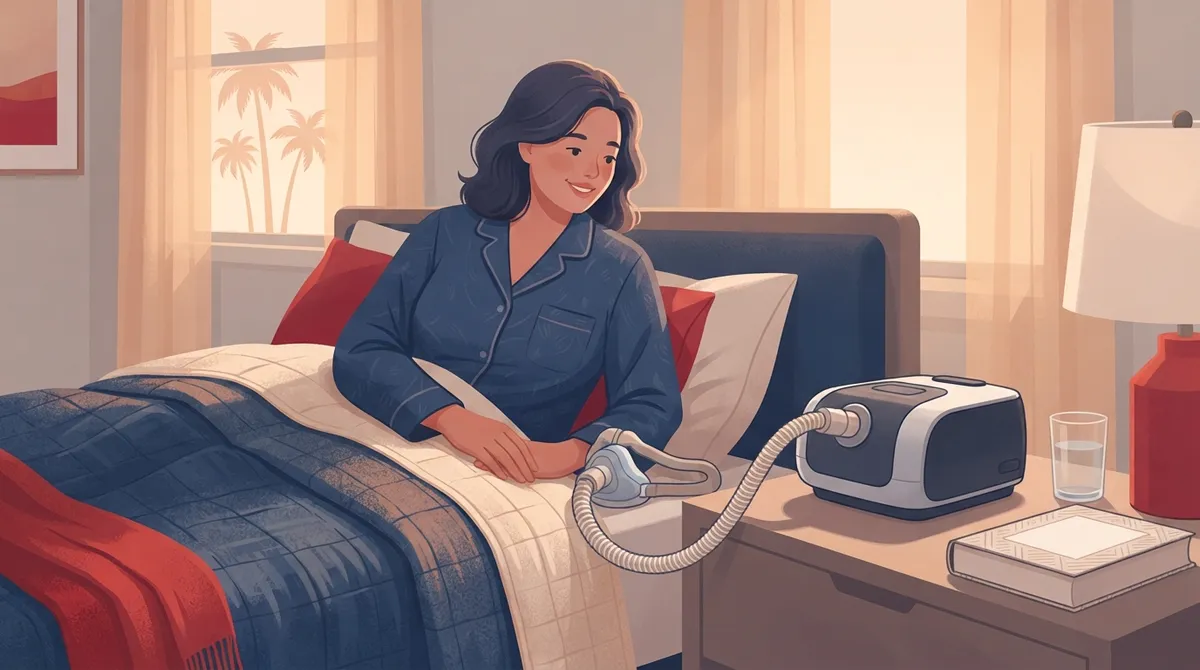
PAP, most often CPAP or auto-adjusting PAP, is a central treatment for OSA. A mask delivers gentle air pressure that keeps the airway from collapsing. American Academy of Sleep Medicine guidance strongly recommends PAP for adults with OSA and excessive sleepiness. It also supports education and follow-up to address comfort, mask fit, and consistent use, which are the most common hurdles.
Custom Oral Appliances
A dentist-fitted oral appliance repositions the jaw or tongue to keep the airway open. These devices are often considered when a patient prefers an alternative or cannot tolerate PAP. Effectiveness should be checked with follow-up sleep testing rather than assumed.
Lifestyle and Positional Measures
These steps can complement treatment, but they should not replace prescribed therapy without clinician guidance:
- Weight management, which can reduce airway collapse in many patients
- Avoiding alcohol and sedatives near bedtime when medically appropriate
- Side-sleeping for position-dependent OSA
- Treating nasal congestion that makes breathing harder
Procedures and Specialist Therapies
In selected cases, a specialist may recommend surgical or other procedures. These are typically considered when first-line options are not effective or not tolerated. Your primary care clinician can coordinate that referral.
Because excess weight is a major contributor for many people, weight management can be a meaningful part of the plan. InCare offers medical weight loss programs supported by advanced tools such as body composition analysis and metabolic breath analysis, so progress is measured rather than guessed. For a deeper look at this connection, see our article on whether weight loss can help sleep apnea.
Step 5: Follow Up to Confirm Treatment Is Working
Starting treatment is only half the work. Follow-up is where results are confirmed and problems are solved early. A 2025 abstract estimated that among roughly 17.1 million diagnosed adults, up to 4.5 million (26%) remained untreated, and it reported substantial PAP discontinuation among those who started. These are abstract-level findings and should be read cautiously, but they underline a practical point: support improves the odds of sticking with therapy.
A strong follow-up plan includes:
- An early check-in to address mask fit, pressure comfort, and dryness
- Review of device data to confirm you are using therapy consistently
- Re-evaluation of daytime sleepiness and energy
- Repeat testing when an oral appliance or other therapy is used
- Ongoing monitoring of blood pressure, weight, and cardiovascular risk
This is where continuity with a primary care team pays off. Your clinician can coordinate with a sleep specialist, adjust your plan as your health changes, and keep related conditions in view. Learn more about how a steady care relationship helps in how primary doctors help manage chronic illnesses.
What About Insurance and Coverage?
Coverage for sleep studies, CPAP equipment, and oral appliances varies by plan. Some plans require a documented sleep study, a trial period, or proof of regular device use before continuing to cover equipment. Before you begin, call your insurer and ask about referral requirements, in-network testing locations, and equipment rental or purchase rules. Your primary care clinic can help you gather the documentation your plan needs.
Why Primary Care Is a Smart Starting Point in Tampa
Sleep apnea touches many parts of health at once. A primary care clinic can screen for it, order or arrange testing, manage the conditions that travel with it, and keep you accountable for follow-up. For busy professionals, young families, and anyone who wants proactive care, that single point of coordination saves time and reduces the chance of gaps.
InCare serves patients across Tampa and Riverview with personalized primary care, urgent care, and advanced wellness services. With a 4.8 rating from patients on Google, the practice is known for friendly staff and attentive physicians. You can see what our InCare patients say on Google and learn about our team on the providers page. You can also stay connected through our Instagram and Facebook pages for wellness updates, and our TikTok for quick health tips.
Take the First Step Toward Better Sleep
Untreated sleep apnea is more than a nuisance. It can affect energy, mood, safety, and long-term heart health. The steps are straightforward: recognize the signs, see your primary care clinician, complete the right sleep test, choose a treatment that fits your life, and follow up until it works. You do not have to figure it out alone.
If you suspect sleep apnea, book your appointment with InCare today to start the conversation with a clinician who looks at your whole health. Questions first? Contact our team and we will help you find the right next step in Tampa or Riverview.
FAQs
Q: What are the signs of obstructive sleep apnea?
A: Common signs include loud snoring, witnessed pauses in breathing or gasping during sleep, and daytime sleepiness. Morning headaches and trouble concentrating are also frequent. These symptoms alone do not confirm the diagnosis, so a clinical evaluation and sleep study are needed.
Q: Can my primary care doctor order a sleep study in Tampa?
A: Yes. A primary care clinician can review your symptoms and health history, then arrange a sleep study or refer you to a sleep specialist. The clinician selects the test, either a home sleep apnea test or an in-lab study, based on your risk factors and medical conditions.
Q: Is a home sleep test accurate, or do I need an in-lab study?
A: A home sleep apnea test can be appropriate for some adults with an uncomplicated presentation of likely OSA. An in-lab polysomnography study is used when clinically indicated, such as with heart or lung disease or other sleep disorders. Your clinician will recommend the right option for you.
Q: What can I do if I cannot tolerate a CPAP mask?
A: Discuss it with your clinician rather than stopping therapy on your own. Mask fit, pressure settings, and dryness can often be adjusted, and education and follow-up improve comfort. A dentist-fitted custom oral appliance may also be an option, with follow-up testing to confirm it works.
Q: Can weight loss or sleeping on my side cure sleep apnea?
A: Weight management and side-sleeping can help some patients, especially those with position-dependent OSA, but they should not be treated as a guaranteed cure. They work best alongside prescribed therapy and clinician guidance. Follow-up testing can show whether your symptoms have improved.