Key Takeaways
- Sleep apnea treatment has no single timeline: it moves through diagnosis, therapy setup, an adjustment period of days to weeks, and long-term follow-up, with ongoing use typically required.
- Diagnosis must be confirmed by objective testing, usually a sleep study, before treatment begins, so scheduling and insurance steps often determine how fast you can start.
- Adherence benchmarks such as using CPAP at least 4 hours on 70% of nights are measurement standards, and device data often reveals less use than patients self-report.
- Feeling better does not mean the apnea is gone, so never stop or change prescribed therapy without first talking to your clinician, as symptoms may return.
If you have been told you may have sleep apnea, one question usually comes first: how long does sleep apnea treatment take? The honest answer is that there is no single timeline. Treatment is not a short course like a round of antibiotics. For most adults, it is an ongoing plan that starts after a proper diagnosis and is adjusted over time.
What you can expect is a series of stages. First comes testing, then setup of a therapy, then an adjustment period, and finally long-term follow-up. Each stage has its own pace. Some people feel better within days. Others need weeks of fine-tuning before they see real change.
This guide breaks the process into three clear timelines. You will learn how long each step may take, what affects your speed of progress, and why your primary care team matters. Whether you are a busy parent, a working professional, or someone focused on proactive health, knowing the road ahead helps you stick with treatment and get results.
Timeline 1: Getting Diagnosed and Starting Treatment
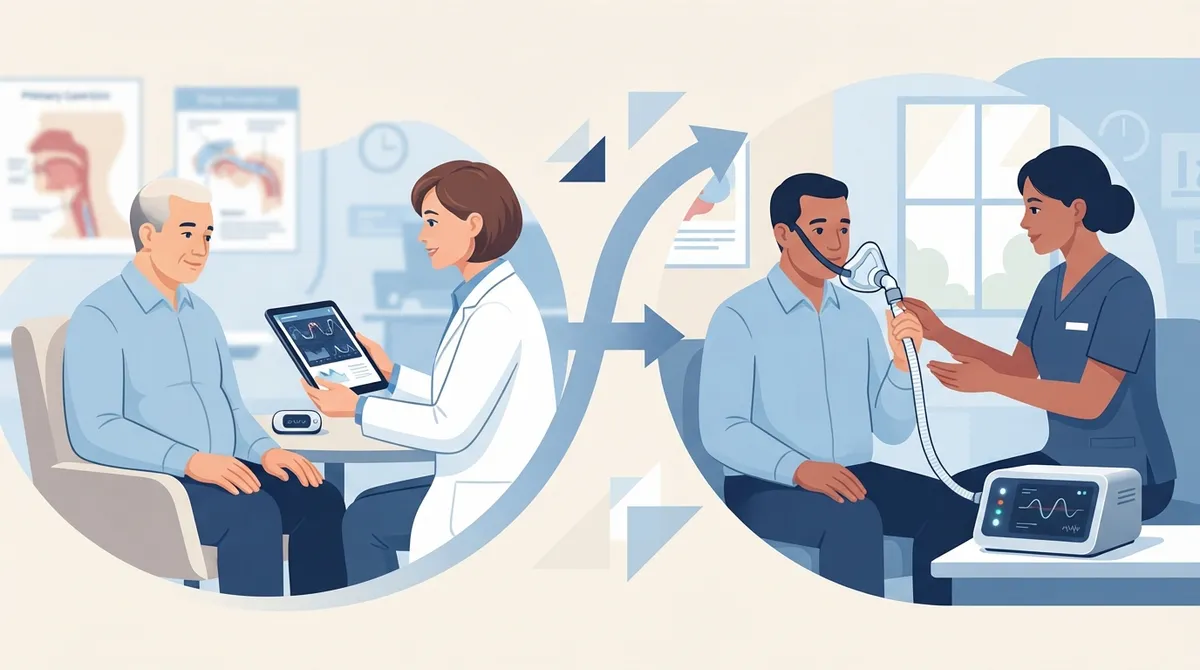
Sleep apnea treatment cannot begin until the condition is confirmed. The American Academy of Sleep Medicine (AASM) states that positive airway pressure (PAP) therapy should follow objective testing, usually a sleep study. So the first part of the answer to "how long does sleep apnea treatment take" starts with how fast you can get tested.
What happens before treatment
Most people move through these steps in order:
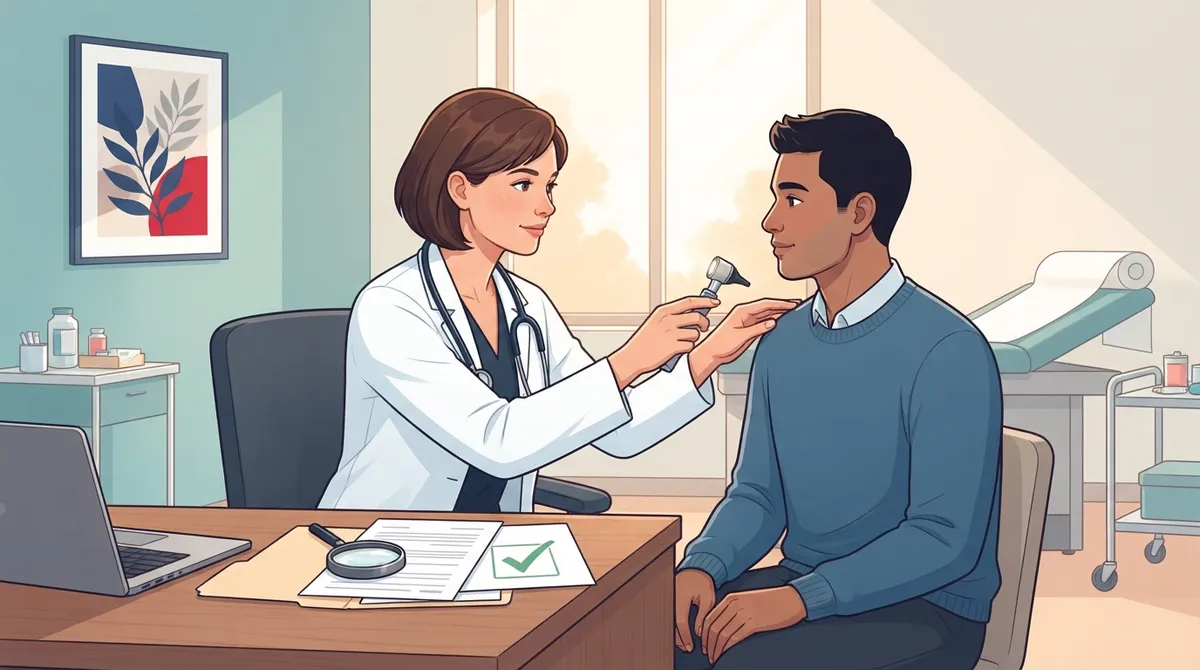
- Symptom review. Your clinician asks about snoring, gasping at night, morning headaches, and daytime sleepiness.
- Risk assessment. Weight, blood pressure, neck size, and other health conditions are reviewed.
- Sleep study. This can be done at home or in a sleep lab, depending on your health history.
- Results and diagnosis. A specialist scores the study and confirms whether you have obstructive sleep apnea (OSA) and how severe it is.
- Treatment plan. You and your clinician choose a therapy and arrange the equipment or referral.
The time from first visit to starting therapy varies. Scheduling, insurance steps, and equipment delivery all play a role. Starting with a primary care visit often speeds things up because one team can screen you, order testing, and coordinate next steps. At InCare primary care, patients in Tampa and Riverview can begin that process in a single conversation.
Why a fast start matters
Untreated sleep apnea is linked with high blood pressure, heart strain, and poor focus. The sooner you are diagnosed, the sooner you can protect your long-term health. If you have been wondering whether your snoring or fatigue is more than a nuisance, our guide on how to spot sleep apnea before it harms your health can help you decide when to act.
Timeline 2: The First Days to Weeks of Therapy
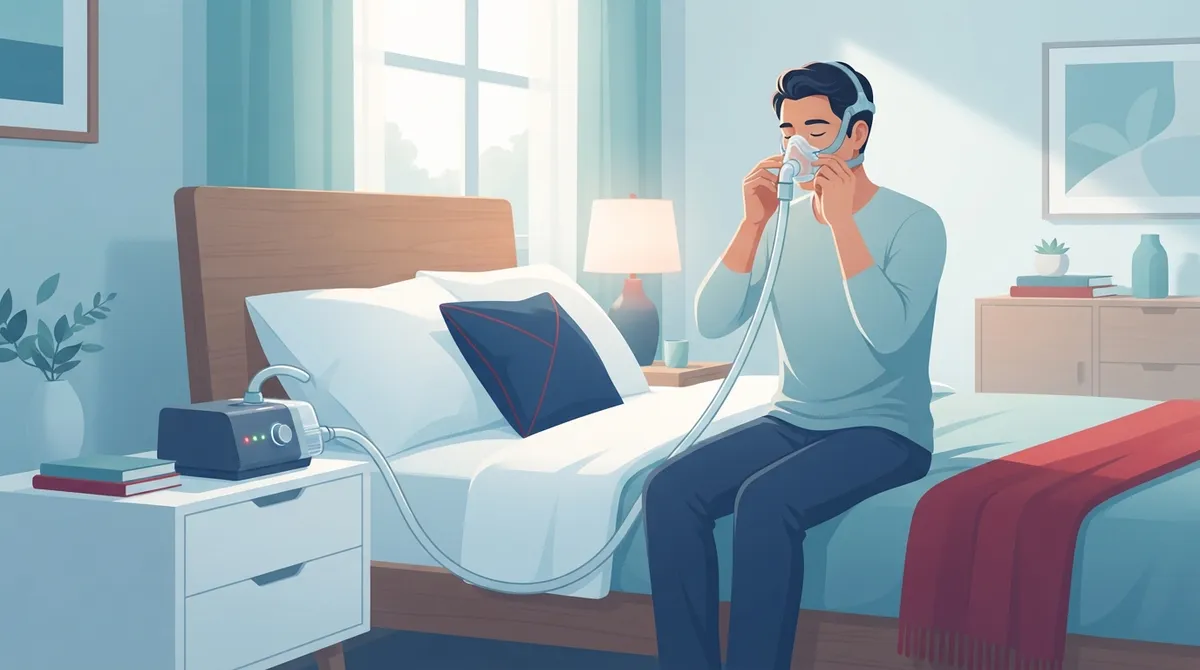
Once treatment starts, the adjustment period begins. This is where many people ask how long sleep apnea treatment takes to feel real. The answer depends heavily on the therapy you choose.
CPAP and auto-adjusting PAP
For many adults with OSA and no major complicating conditions, PAP is the first choice. It can often be started at home or after an in-lab pressure titration. You wear a mask during sleep, and a machine gently keeps your airway open.
Some people notice less snoring or less daytime sleepiness soon after they begin. But improvement varies. Mask comfort, air leaks, pressure settings, other health issues, and how consistently you use the device all affect how quickly you feel better.
The first days to weeks are a key troubleshooting window. AASM guidance stresses education at the start, early follow-up, and a review of objective device data. One published CPAP protocol used a 2-week adaptation period and a further check at 8 weeks. That is a study schedule, not a rule for everyone, but it shows how early check-ins are built into good care.
Oral appliances
A custom oral appliance is an option for some patients who cannot or prefer not to use CPAP. It requires a dental fitting and adjustments. A clinician should also verify that it works. Because of these steps, it may take longer to set up than starting PAP.
Surgery
Surgery is only considered for selected patients. It is not a quick or universal fix. Time to treatment and recovery depend on the procedure, and follow-up is needed to see whether the apnea has improved.
|
Treatment Option |
Typical Setup Steps |
Adjustment Period |
Ongoing Follow-Up |
|---|---|---|---|
|
CPAP / APAP |
Prescription, home setup or in-lab titration |
First days to weeks; early troubleshooting |
Device data and symptom review |
|
Oral appliance |
Dental fitting and adjustments |
Varies; effectiveness must be verified |
Periodic clinical checks |
|
Surgery |
Specialist evaluation and scheduling |
Recovery depends on procedure |
Testing to confirm improvement |
Timeline 3: Long-Term Treatment and Monitoring
The most important thing to understand about how long sleep apnea treatment takes is that it is usually long-term. PAP, for example, is used during sleep on an ongoing basis. It is not a short course you complete and stop.
What good adherence looks like
AASM materials often cite a benchmark of using CPAP at least 4 hours per night on at least 70% of monitored nights. This is a measurement convention. It does not mean four hours is enough for every person, or that you should stop after four hours. Many clinicians encourage using therapy for the whole night.
Objective data matters here. In one AASM-cited report of 35 patients, 16 (46%) met the benchmark, even though 60% said they used their device every night. That gap shows why device data is so useful. Self-reports can feel accurate and still miss the real picture.
Can you stop treatment if you feel better?
Feeling better does not always mean the apnea is gone. Symptoms often improve because the treatment is working. If you stop, they may return. Always talk with your clinician before changing or stopping therapy.
Lifestyle support
Weight management and other healthy habits can complement treatment. They do not replace a prescribed plan unless your clinician confirms that is safe. If excess weight is part of your sleep apnea picture, a structured weight loss program may support your overall plan. You can also read how weight loss may help sleep apnea based on current research.
- Consistency: Use your therapy every night, including naps if advised.
- Fit checks: Replace worn masks and tubing as recommended.
- Regular reviews: Keep follow-up visits even when you feel well.
- Health coordination: Share changes in weight, medications, or other conditions with your care team.
What Affects How Long Treatment Takes
Several factors shape your personal timeline. Understanding them helps you set realistic expectations.
- Severity of apnea: More severe cases may need closer monitoring and more adjustments.
- Type of therapy: PAP can start sooner than an oral appliance or surgery in many cases.
- Comfort and fit: A poor mask fit or leaks can slow progress until corrected.
- Other health conditions: Heart, lung, or metabolic issues may change the plan.
- Consistency of use: Regular nightly use leads to better and faster benefit.
- Access to follow-up: Early check-ins catch problems before you give up.
If you are not sure where to start with testing and care, our overview of how sleep apnea is diagnosed walks through the usual steps. For a broader look at options, see how sleep apnea is treated, and learn about alternatives to CPAP if the machine is not working for you.
Why Primary Care Makes the Process Smoother
Sleep apnea rarely exists alone. It can overlap with blood pressure, weight, diabetes risk, and fatigue. A primary care clinic can look at the whole picture and coordinate sleep testing, specialist referrals, and follow-up care.
InCare combines personalized primary care with advanced wellness tools, which makes it a strong choice for patients who want one trusted team. Patients in Tampa and Riverview can also review our sleep apnea care options in Tampa and Riverview to see how we support each step. Many patients also share their experiences, and you can visit us on Google — InCare to read reviews from people in our community.
Staying informed also helps. Trusted public resources such as the National Heart, Lung, and Blood Institute and the American Academy of Sleep Medicine explain sleep apnea in plain language, and the Centers for Disease Control and Prevention offers broader sleep health guidance. You can also follow InCare for health tips on Instagram.
Your Next Step
So, how long does sleep apnea treatment take? The diagnosis phase may take days to weeks, the adjustment phase often takes weeks, and the full treatment is typically ongoing with regular check-ins. The goal is not to finish quickly. The goal is to find a therapy that works for you and use it consistently.
You do not have to figure this out alone. If you are ready to talk about snoring, fatigue, or a possible sleep study, book an appointment with InCare today, or contact our team with questions. We will help you build a clear plan and support you at every stage.
FAQs
Q: How soon does CPAP start working for sleep apnea?
A: Some people notice less snoring or less daytime sleepiness soon after starting CPAP, but results vary. Mask fit, leaks, pressure settings, and consistent use all affect how quickly you feel better. If symptoms persist, your clinician should review your device data and settings.
Q: How long does it take to get used to a CPAP machine?
A: The first days to weeks are an adjustment and troubleshooting period. AASM guidance emphasizes education at the start and early follow-up. One published protocol used a 2-week adaptation period and a check at 8 weeks, though your own schedule may differ.
Q: How many hours a night should I use CPAP?
A: A common adherence benchmark is at least 4 hours per night on at least 70% of monitored nights. This is a measurement standard, not a limit. Many clinicians encourage using therapy for the entire night, so follow your clinician's advice.
Q: Can sleep apnea treatment be stopped if my symptoms improve?
A: Improved symptoms often mean the treatment is working, not that the apnea is gone. Stopping on your own may cause symptoms to return. Always talk with your clinician before changing or stopping prescribed therapy.
Q: How long does it take to get a custom oral appliance for sleep apnea?
A: A custom oral appliance requires a dental fitting, adjustments, and a clinical check to confirm it works. Because of these steps, it may take longer to establish than simply starting PAP therapy.