Key Takeaways
- Blue Shield HMO dental requires using participating dentists only; out-of-network care is typically not covered and you may owe the full bill. Always verify your dentist is in-network before booking.
- Preventive care like exams, cleanings, and X-rays are often free or $0, with no deductibles or annual benefit maximums on individual/family HMO plans, making early detection affordable.
- Monthly premiums are modest ($13.20-$27.40 for individual plans), and treatment costs are predictable with set copayments instead of percentage-based charges.
- Dental and medical plans are separate with different networks and rules; coordinate both providers and share medication lists between your dentist and primary care doctor for comprehensive health management.
Dental coverage can feel confusing, especially when you also manage medical visits, screenings, and wellness goals. If you search for blue shield hmo dental, you likely want to know what the plan covers, what it costs, and how it works with the rest of your health care. Good news: the basics are easier than they look.
A Blue Shield HMO dental plan uses a network of participating dentists and set copayments. Preventive care is often free or low cost. But the details change by plan type, county, and employer. This guide covers 14 key facts for 2026. It also shows how oral health connects to primary care and whole-body wellness. Always confirm the exact plan name and coverage documents before you book a dental visit.
Part 1: Understanding How Blue Shield HMO Dental Works
1. It is not one single plan
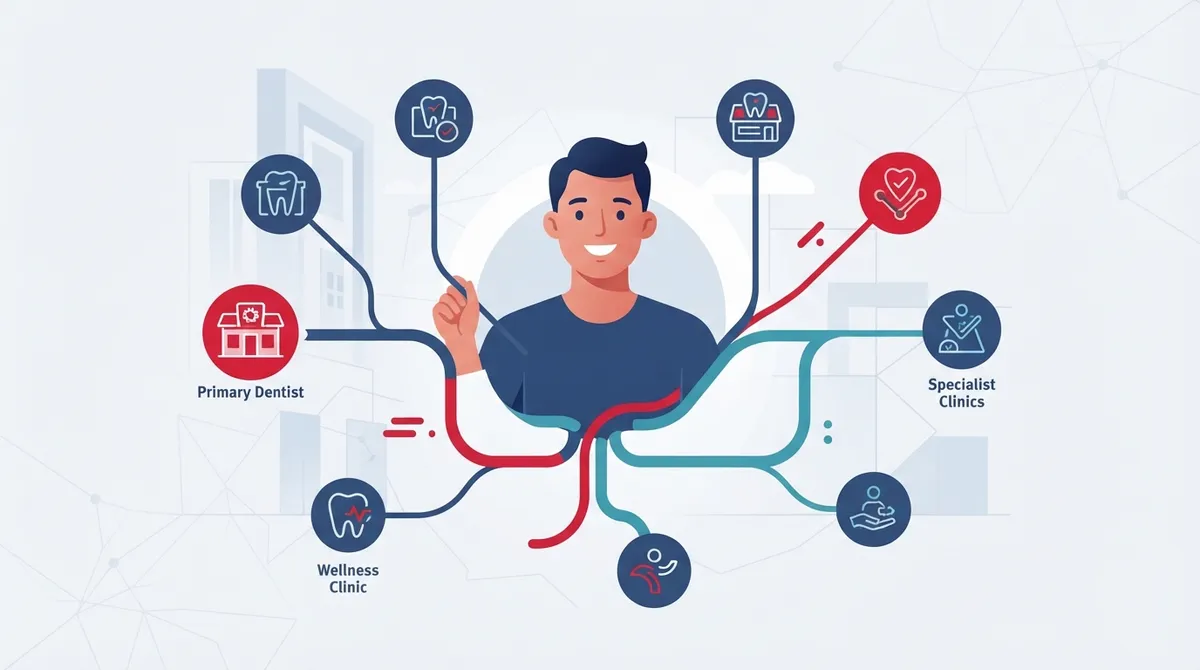
The term can point to several products. Blue Shield offers individual and family dental HMO plans, employer group plans, and optional supplemental dental HMO coverage tied to certain Medicare Advantage plans. Benefits, networks, and costs differ across all of them. Start by finding your exact plan name on your member card or enrollment papers.
2. You must use a participating dentist
An HMO is built around a network. Members generally must see participating dentists. Care from a non-network dentist is usually not covered, unless plan terms or applicable law allow it. Blue Shield warns that HMO members who see a non-network provider may owe the full billed charge.
3. The network is smaller than a PPO network
Blue Shield describes its individual and family dental HMO plans as having a more limited network than PPO plans. In return, premiums are generally lower and copayments are set. Blue Shield reports more than 22,000 access points in its California dental HMO network, per its 2026 dental plan page.
4. Copayments replace deductibles in many HMO plans
The individual and family HMO comparison lists no calendar-year deductible and no annual benefit maximum for the HMO options shown. That is a big plus for people who need more than a cleaning. Do not assume this applies to every Blue Shield dental product. Employer and Medicare plans can differ, so check your benefit summary.

Part 2: What Is Covered and What It Costs
5. Preventive care is often $0
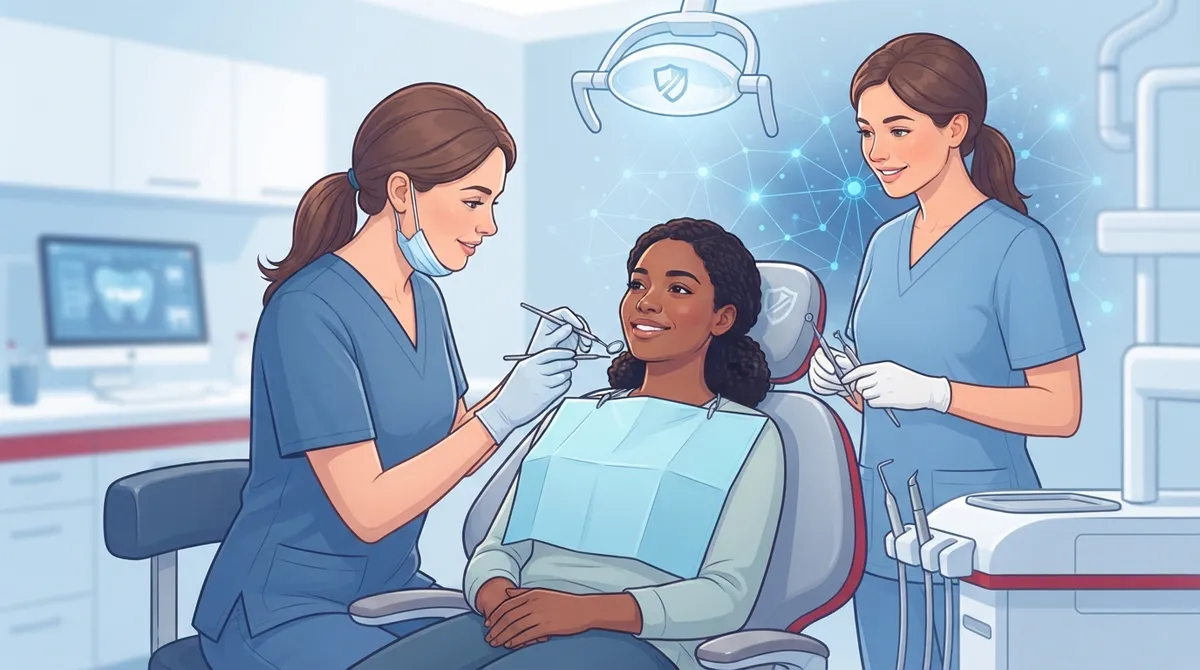
Blue Shield's individual and family dental comparison lists oral exams, routine cleanings, and X-rays at $0 with participating providers on the HMO options shown. Preventive visits are the foundation of dental health. They help catch problems early, just as annual checkups do for your body.
6. Fillings, extractions, and root canals have set copays
Treatment costs vary by plan and procedure. You pay a fixed copay instead of a percentage of the bill. This makes costs easier to predict. Ask your dentist's office for a written cost estimate before any major treatment.
7. Monthly premiums are modest on individual plans
Blue Shield's 2026 individual and family rate materials show these monthly rates for the cited region. Rates vary by region and can change.
|
Plan |
Ages 0–25 |
Age 26+ |
|---|---|---|
|
Dental HMO |
$25 (per child, first three children) |
$27.40 |
|
Dental Standard HMO |
$13.20 |
$16.40 |
8. Medicare dental HMO is a separate product
Some Blue Shield Medicare Advantage members can add an optional supplemental dental HMO, depending on plan and county. Blue Shield's Medicare page describes a $16.20 monthly premium for a 2027 optional plan in applicable areas. Do not confuse this with individual or family pricing. The Medicare plan also requires a participating dentist, and specialty care may need a referral.
Part 3: Step-by-Step Setup
9. How to find an in-network dentist
- Find your exact dental plan name on your member card.
- Open Blue Shield's Find a Doctor tool.
- Select that exact dental plan before you search.
- Filter by location, specialty, and language.
- Call the office and confirm it still accepts your plan.
- Ask about new patient availability and wait times.
Step two matters most. Searching without the right plan selected can show dentists outside your network.
10. Do you need a referral for a specialist?
For general dental care, you pick a participating dentist. For specialty care, such as oral surgery or endodontics, a referral from your primary dental care provider may be required, especially under the Medicare supplemental HMO. Ask your dentist before booking with a specialist. Without the proper referral, you could pay out of pocket.
Part 4: Dental Health and Whole-Body Wellness
11. Your dental plan and medical plan are separate
Dental HMO coverage is separate from your medical primary care benefits. Your dental plan's network and rules control dental visits and referrals. Your medical primary care doctor does not manage them. That means you may need to coordinate two sets of providers. Keep both cards handy.
12. Oral health affects the rest of your body
Gum disease and chronic inflammation are linked with other health concerns. Your dentist and your primary care team can work as partners. Tell your primary care provider about mouth pain, dry mouth, or gum bleeding. Share your medication list with your dentist too. Many medicines change oral health, and many dental procedures need a full medication history.
Good habits start with prevention. Learn how routine screenings fit your plan in How to Make Preventive Care Work for Your Health. If you are comparing medical coverage types, see What Is Medicare HMO? A Guide to Coverage and Care.
13. Where InCare fits into your care team
InCare is a personalized primary care and wellness clinic with locations in Tampa and Riverview, Florida. We focus on prevention and whole-body optimization. Our services include cancer screening, DNA gene testing, and weight loss programs. You can also use urgent care when something cannot wait. InCare does not provide dental services, so keep your dentist in your plan network. Still, we can help you connect the dots between oral health and your overall wellness goals. Patients across Tampa and Riverview share their experiences, and you can read InCare reviews on Google.
14. Verify before every major visit
Plans, rates, and networks change. Before treatment, check three things:
- Your plan name and effective date
- Your dentist's network status
- The copay for your specific procedure
Review your Evidence of Coverage or benefit summary. Call Blue Shield member services if anything looks unclear.
Quick Comparison: Blue Shield Dental Plan Types
|
Feature |
Individual/Family HMO |
Medicare Supplemental HMO |
Employer Group |
|---|---|---|---|
|
Network |
Participating dentists only |
Participating dentists only |
Varies by employer |
|
Preventive care |
Listed at $0 |
Varies by plan |
Varies by plan |
|
Deductible and annual max |
None listed for HMO options shown |
Check your plan |
Check your plan |
|
Specialist referral |
Check plan terms |
May be required |
Check plan terms |
Tips for Busy Families and Wellness Seekers
Time is tight for many people. Here are a few ways to save effort:
- Book preventive dental visits for the whole family on the same day.
- Add dental and medical checkups to your calendar each year.
- Keep digital copies of your cards and plan documents.
- Ask each office whether telehealth or online booking is available.
Young adults building healthy habits can also benefit from a regular care routine. See What Happens During an Annual Wellness Visit? to learn what a full-body checkup includes. Follow InCare on Instagram, Facebook, and TikTok for wellness tips.
Final Thoughts
A Blue Shield HMO dental plan can be a smart, low-cost way to protect your smile. It works best when you stay in network, use your free preventive visits, and understand your copays. Remember that your dental plan and medical plan are separate, so you need to manage both. Oral health is part of overall health, and prevention pays off in both areas.
Ready to pair your dental care with proactive primary care? Book your InCare appointment today or contact our Tampa and Riverview team with questions. We are here to help you build a complete, personalized health plan.
FAQs
Q: What does Blue Shield HMO dental cover?
A: Blue Shield HMO dental generally covers preventive services like exams, routine cleanings, and X-rays, plus other treatment with set copayments. Coverage for fillings, extractions, and root canals varies by plan and procedure. Check your benefit summary for the exact details.
Q: Can I see an out-of-network dentist with Blue Shield HMO dental?
A: In most cases, no. HMO members generally must use participating dentists. Care from a non-network provider is typically not covered, and you may owe the full billed charge unless plan terms or law say otherwise.
Q: Does Blue Shield HMO dental have a deductible or annual maximum?
A: The individual and family HMO options shown in Blue Shield's comparison list no calendar-year deductible and no annual benefit maximum. This may not apply to employer or Medicare dental plans, so verify your own plan documents.
Q: How do I find a dentist in the Blue Shield dental HMO network?
A: Use Blue Shield's Find a Doctor tool and select your exact dental plan before searching. Then call the dentist's office to confirm they still accept your plan and are taking new patients.
Q: Do I need a referral to see a dental specialist?
A: It depends on your plan. Some plans, including the Medicare supplemental dental HMO, may require a referral from your primary dental care provider before you see a specialist. Ask your dentist before you book.