
Key Takeaways
- MOTS-c animal studies show improved insulin sensitivity and reduced weight gain in obese mice, but these findings have not been proven in humans and cannot establish it as a treatment for diabetes or obesity.
- No human clinical trials have established MOTS-c's safety or effectiveness; it remains a research molecule with variable dosing in animal studies and no FDA-approved human guidelines for use.
- Consumer MOTS-c products lack regulatory oversight, FDA approval, and quality guarantees—purity, sterility, and actual peptide content are often uncertain despite marketing claims.
- Physical exercise naturally increases the body's own MOTS-c production and activates the same metabolic pathways (AMPK, GLUT4, PGC-1α) that MOTS-c triggers in lab studies, making proven exercise a safer alternative.
Curiosity about mitochondrial peptides has grown fast among people who follow wellness trends on social media and podcasts. MOTS-c animal research is one of the most talked-about topics in this space right now. Mice studies suggest this tiny peptide may influence metabolism, insulin sensitivity, and even exercise adaptation. But headlines can move faster than science, and it is easy to confuse promising lab results with proven human treatments.
This article breaks down what researchers have actually found in animal studies, what those findings mean, and what remains unknown. Whether you are a busy parent trying to separate fact from hype, or a wellness-focused professional exploring cutting-edge options, understanding the real science matters. At InCare, our team believes informed patients make better health decisions. Here are 14 key facts about MOTS-c animal research you should know before considering any peptide-related wellness strategy.
1. MOTS-c Is a Mitochondrial Peptide, Not a Drug
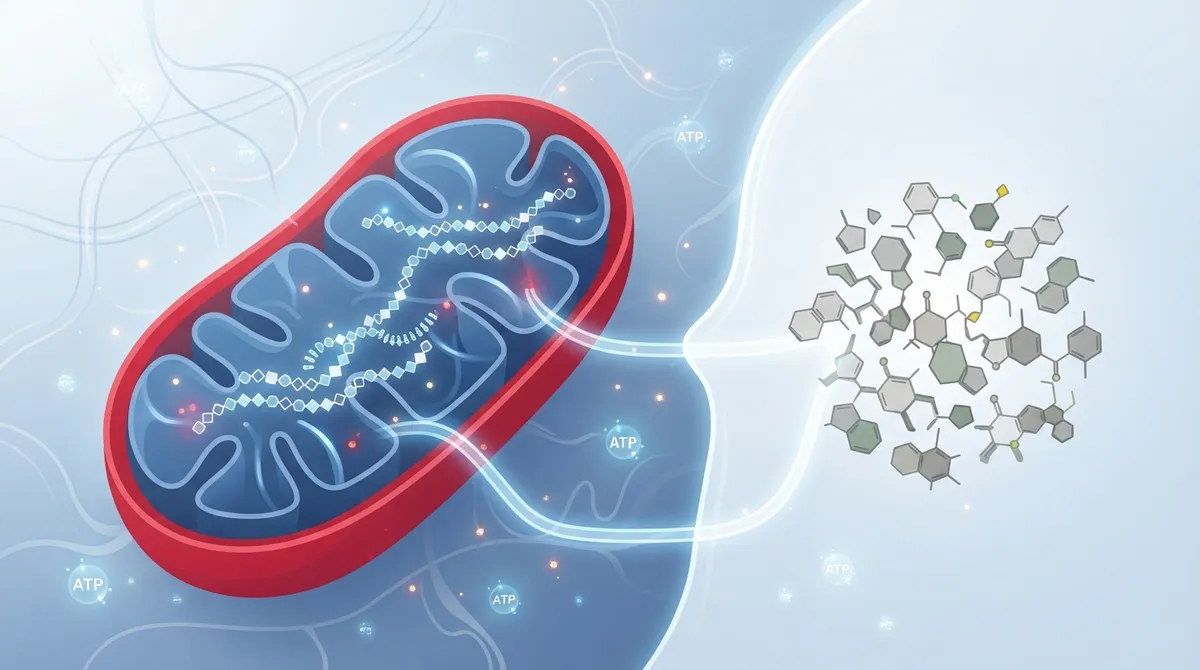
MOTS-c stands for mitochondrial open reading frame of the 12S rRNA type-c. It is a small, 16-amino-acid peptide made from DNA found inside mitochondria, the energy-producing structures in our cells. Scientists first identified and characterized it in 2015. It is not an approved medication, supplement, or clinical treatment. It is a research molecule still being studied in laboratories.

2. Most Studies Have Used Mice, Not Humans
Nearly all MOTS-c research so far comes from mouse models. Scientists have studied mice with obesity caused by high-fat diets, insulin resistance, aging, menopause-like conditions, diabetes, and general physical decline. These models help researchers understand basic biology, but mice and humans do not always respond to compounds the same way.
3. Obese Mice Showed Improved Insulin Sensitivity
In several studies using high-fat-diet-fed mice, administered MOTS-c was linked to better insulin sensitivity and improved glucose use. Researchers also observed increased energy expenditure and reduced weight gain, including less fat buildup in the liver. These results are encouraging for future research, but they remain limited to animal models.
4. MOTS-c May Interact With Key Metabolic Pathways
Animal studies suggest MOTS-c interacts with several biological pathways, including AMPK, GLUT4, PGC-1α, SIRT1, and fatty-acid oxidation. These same pathways are activated naturally during exercise. This overlap is why some researchers describe MOTS-c as an "exercise-mimetic" peptide, meaning it may trigger some of the same cellular responses that physical activity produces.
Why This Pathway Overlap Matters
Because MOTS-c appears to switch on pathways tied to exercise, some wellness circles have gotten excited about its potential. However, mimicking a few effects of exercise in a lab mouse is very different from replacing the broad benefits of regular physical activity in a human body. If you are interested in exercise mimetic myths, it is worth reviewing what science actually supports before making assumptions.
5. Aged Mice Showed Better Physical Performance
Some studies have focused on older mice, since aging affects metabolism and muscle function. In one study, aged mice treated with MOTS-c showed improved glucose handling, better skeletal-muscle metabolism, and stronger physical performance. Researchers believe this may relate to how MOTS-c helps cells adapt to metabolic stress as the body ages.
6. Exercise May Naturally Boost MOTS-c Levels
Interestingly, physical activity itself appears to raise the body's own natural MOTS-c production. A 2021 mouse study found that treadmill training increased levels of MOTS-c, PGC-1α, and GLUT4 in skeletal muscle. It also increased activity of AMPK and ACC, both linked to fat and glucose metabolism.
7. Combining Exercise and MOTS-c Had Complementary Effects
In the same 2021 study, researchers combined treadmill exercise with administered MOTS-c in mice. The combination produced complementary effects on insulin resistance and glucose metabolism through the AMPK signaling pathway. This suggests MOTS-c and exercise may work through related, overlapping mechanisms rather than replacing one another.
8. Research Doses Are Not the Same as Human Doses
Animal studies have used a wide range of doses. One early mouse experiment used 5 mg/kg twice daily for four days and reported modest reductions in body weight, food intake, and blood glucose. A separate aged-mouse study used 15 mg/kg three times weekly. Most rodent research falls between roughly 0.5 and 7.5 mg/kg, usually given by injection.
These numbers matter for scientists designing future studies, but they cannot be applied to humans. Body size, metabolism, and biology differ significantly between mice and people. There is currently no established, safe human dosing guideline for MOTS-c.
9. The 2015 Discovery Study Set the Foundation
The original 2015 research that identified MOTS-c reported that it prevented high-fat-diet-induced obesity and insulin resistance in mice. This discovery sparked significant scientific interest and led to the follow-up studies in aged and metabolically challenged rodents that we see referenced today.
Why Early Discovery Matters
Discovery studies like this one are important first steps. They tell scientists a compound is worth studying further. But being worth studying is very different from being proven safe or effective for widespread use. Many promising discoveries in mice never translate into approved human treatments.
10. Human Clinical Trials Remain Limited
Despite the interest generated by animal research, there is no established clinical statistic proving that MOTS-c improves weight, blood sugar, longevity, or physical function in humans. The evidence available today is predominantly preclinical, meaning it comes from lab and animal studies rather than well-controlled human trials.
11. MOTS-c Is Not an Established Treatment for Diabetes or Obesity
It is important to be clear: animal findings cannot establish that MOTS-c prevents or treats obesity, diabetes, frailty, or aging-related disease in people. Human dosing, long-term safety, potential drug interactions, and real clinical effectiveness remain insufficiently studied. Anyone managing diabetes or weight concerns should rely on established, evidence-based options.
For patients looking for proven approaches to weight management, InCare offers medically supervised weight loss programs built around individualized assessments rather than unproven peptides.
12. Quality and Safety of Consumer Products Are Uncertain
MOTS-c is sometimes marketed directly to consumers as an injectable wellness product. This raises real concerns. Purity, sterility, accurate dosing, and regulatory oversight of these products are often unclear. Because MOTS-c is not an approved medication, there is no guarantee that what is sold matches what was studied in labs.
- Products may not contain the labeled amount of active peptide.
- Sterility and manufacturing standards can vary widely between suppliers.
- There is no FDA approval process confirming safety or effectiveness for human use.
- Long-term side effects and interactions with medications are not well documented.
13. Talk to a Licensed Clinician Before Considering Any Peptide
Given the current state of research, patients curious about MOTS-c or similar peptides should speak with a licensed healthcare provider first. A qualified clinician can review your health history, current medications, and goals to determine whether any peptide-related option is appropriate, or whether other evidence-based strategies make more sense for you.
At InCare, our providers regularly discuss emerging wellness topics like peptide therapy in Tampa with patients who want honest, science-based guidance. We also offer tools like DNA gene testing and body composition analysis to help identify personalized, well-supported paths toward better metabolic health.
14. Comprehensive Primary Care Offers Proven Alternatives
Instead of chasing unproven peptide trends, many patients find better results through comprehensive, whole-body primary care. This includes routine screenings, personalized weight management, metabolic testing, and consistent physician oversight. These strategies are backed by extensive clinical evidence, unlike early-stage animal research on compounds like MOTS-c.
InCare's primary care services in Tampa and Riverview combine advanced technology with hands-on medical expertise. Our team also provides metabolic breath analysis and IV hydration and vitamin therapy for patients seeking proven ways to support energy and metabolic function.
What This Means for Your Health Decisions
Animal research on MOTS-c is genuinely interesting from a scientific standpoint. It opens doors for future studies on metabolism, aging, and exercise physiology. But interesting research is not the same as a ready-to-use treatment. Responsible healthcare providers distinguish between what mice studies suggest and what has actually been proven safe and effective in people.
If you want to explore metabolic health, weight management, or general wellness using approaches with stronger clinical backing, our providers at InCare are ready to help. You can also learn more about our Tampa and Riverview locations and see why patients trust our team for honest, evidence-based care. Many of our patients also follow us on Instagram and TikTok for wellness tips grounded in real science, and you can connect with our community on Facebook as well.
|
Research Area |
Animal Finding |
Human Application Status |
|---|---|---|
|
Insulin sensitivity |
Improved in high-fat-diet mice |
Not established in humans |
|
Weight and fat accumulation |
Reduced in treated mice |
Not established in humans |
|
Exercise-related pathways |
Activated AMPK, GLUT4, PGC-1α |
Mechanism studied, not clinically proven |
|
Aging and muscle function |
Improved performance in aged mice |
No confirmed human benefit yet |
|
Safety and dosing |
Variable research doses used |
No established human guidelines |
Understanding the difference between promising animal data and proven human therapy is essential for making smart health choices. If you have questions about metabolic health, weight management, or wellness strategies backed by real clinical evidence, our team is here to help you sort fact from hype.
Ready to build a wellness plan based on proven science rather than unverified trends? Book your appointment with InCare today and let our providers guide you toward safe, effective options for your health goals. You can also read what real patients say by visiting our InCare location on Google, where we maintain a strong reputation for honest, personalized care in Tampa and Riverview.
FAQs
Q: What is MOTS-c and how does it work?
A: MOTS-c is a small peptide made from mitochondrial DNA that was first identified in 2015. Animal research suggests it may influence glucose metabolism, insulin sensitivity, and pathways also activated by exercise, such as AMPK and PGC-1α.
Q: What have mouse studies shown about MOTS-c for obesity and insulin resistance?
A: Studies in high-fat-diet-fed mice found that administered MOTS-c was associated with improved insulin sensitivity, better glucose use, and reduced weight gain, including less fat in the liver. These results are limited to animal models and have not been confirmed in humans.
Q: Is MOTS-c an exercise mimetic or a replacement for exercise?
A: MOTS-c appears to activate some of the same metabolic pathways triggered by exercise, which is why it is sometimes called an exercise mimetic. However, it has not been shown to replace the full range of benefits that regular physical activity provides.
Q: Has MOTS-c been tested in human clinical trials?
A: Most available research on MOTS-c comes from animal studies, primarily in mice. There is currently no established clinical evidence confirming its safety or effectiveness for weight loss, diabetes, or aging in humans.
Q: Should primary-care patients consider MOTS-c supplements or injections?
A: Because MOTS-c is not an approved medication and consumer products may have uncertain purity and quality, patients should discuss any interest in MOTS-c with a licensed clinician before considering its use for wellness purposes.