Key Takeaways
- KPV is a three-amino-acid fragment (lysine, proline, valine) derived from alpha-MSH, which itself comes from the larger hormone POMC naturally processed in your body.
- No robust human clinical trials exist for KPV, and the FDA has not approved it for any human use despite a 2026 advisory committee vote that was informational only.
- Most KPV research involves laboratory cell cultures and animal models, not human patients, making claims about gut health, skin support, or inflammation unproven for people.
- A natural origin does not guarantee safety; manufactured or compounded KPV products sold online as 'research use only' lack guaranteed purity, sterility, and correct dosing outside regulated settings.
- Scientists believe KPV may influence inflammatory pathways like NF-κB and MAPK, but the exact mechanisms and tissue-specific effects remain incompletely understood.
- Before considering any peptide product, verify scientific evidence exists in human trials, confirm FDA status, and consult a licensed provider rather than relying on unregulated online sellers.
KPV peptide origins have become a hot topic in wellness circles across Tampa and Riverview. Patients researching gut health, skin support, and inflammation often stumble onto this tiny peptide online. But where does KPV actually come from, and what does the science really say? Understanding its biological roots helps you separate real facts from marketing hype before you make any health decisions.
At InCare, our team believes patients deserve clear, honest information about emerging wellness compounds. This guide breaks down the 13 most important facts about KPV peptide origins, its connection to hormone biology, and why professional guidance matters more than internet claims. Whether you are a curious wellness seeker or simply want to understand the science, these facts will give you a solid foundation.
1. KPV Stands for Three Simple Amino Acids
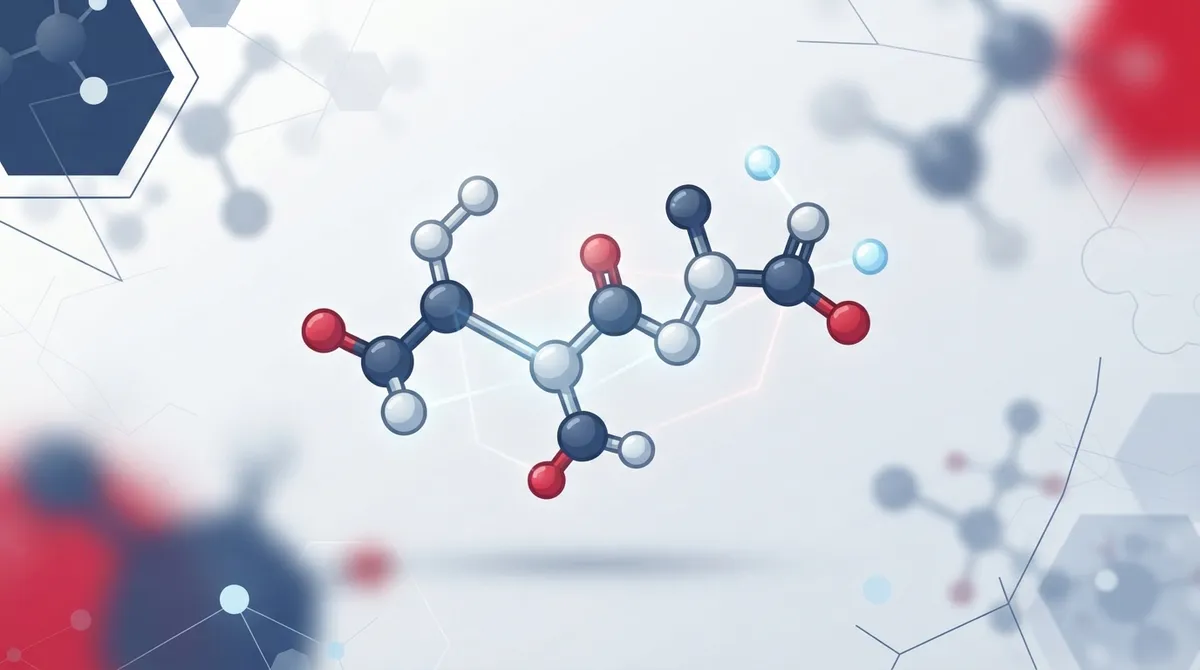
KPV is short for lysine, proline, and valine. These are three building blocks of protein linked together in a specific order: Lys-Pro-Val. This tiny structure is what scientists call a tripeptide, one of the smallest peptide fragments studied in inflammation research.
2. It Comes From a Larger Hormone Called Alpha-MSH
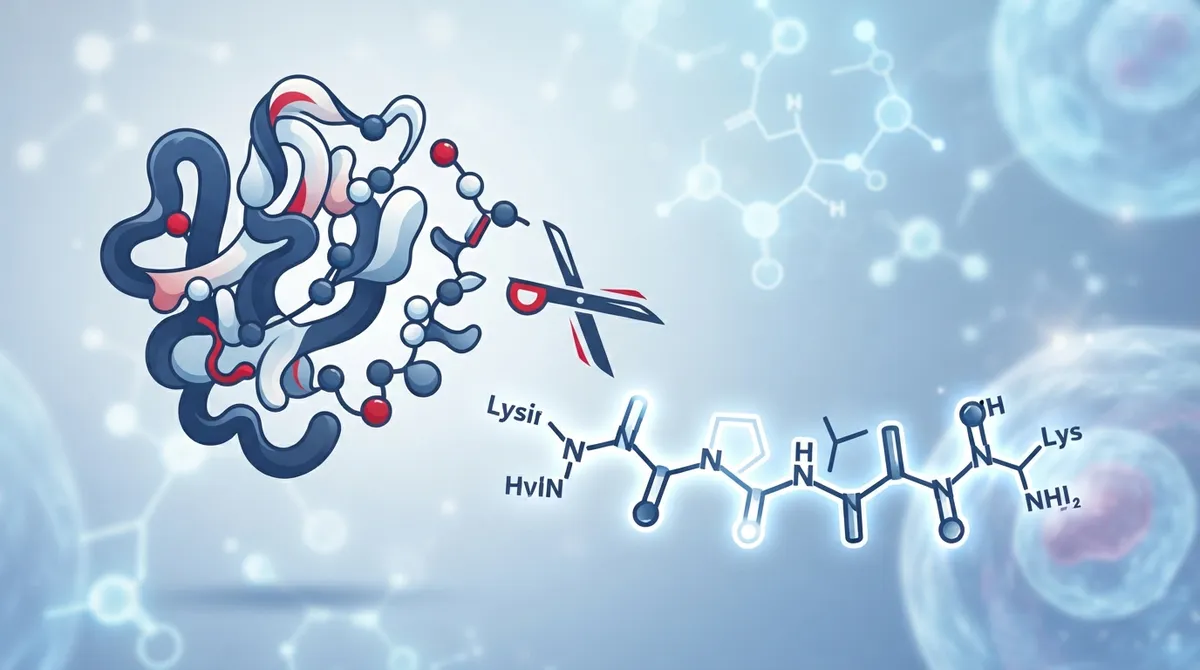
KPV is not made from scratch. It is actually a small piece cut from the end of a bigger hormone called alpha-melanocyte-stimulating hormone, or α-MSH. Specifically, KPV represents the last three amino acids, positions 11 through 13, of this 13-amino-acid hormone.
3. Alpha-MSH Comes From an Even Larger Precursor
Alpha-MSH does not appear on its own. Your body creates it by breaking down a much larger molecule called proopiomelanocortin, or POMC. This same precursor also produces other important substances, including ACTH and beta-endorphin-related peptides.
4. POMC Processing Happens Naturally in Your Body
Your pituitary gland and other tissues process POMC through natural enzyme activity. This step-by-step breakdown creates several active peptides, each with different jobs. KPV is simply one of the smaller fragments left over after this process.
5. Researchers Got Curious About Its Anti-Inflammatory Potential
Scientists noticed that full alpha-MSH seemed to calm inflammation in lab studies. They wondered if this effect lived in the whole hormone or just a small part of it. That question led them straight to the KPV fragment.
6. Early Studies Focused on Skin and Pigment Effects
Alpha-MSH is best known for controlling skin pigmentation. But researchers found that KPV alone did not cause the same pigment changes. This suggested KPV might carry anti-inflammatory properties without affecting skin color, making it interesting for further study.
7. A 2008 Review Highlighted KPV's Role
A widely cited review published in the Journal of Neuroinflammation described α-MSH as a POMC-derived hormone with 13 amino acids. The review identified the KPV fragment as a major contributor to the hormone's anti-inflammatory signals in laboratory settings.
8. Lab Studies Have Looked at Gut and Skin Cells
Much of the early research on KPV involved cultured human intestinal cells and immune cells grown in a lab. Scientists also tested KPV in animal models of colitis, skin inflammation, and wound healing. These are called preclinical studies, meaning they happen before any human trials.
9. Proposed Mechanisms Involve Inflammatory Signaling Pathways
Scientists believe KPV may work by influencing pathways like NF-κB and MAPK. These are chemical signals inside cells that control inflammation. However, researchers still do not fully understand exactly how KPV interacts with receptors in different tissues.
- NF-κB pathway: linked to inflammation control in cells
- MAPK pathway: involved in cell communication and stress response
- Receptor-level pharmacology: still not completely mapped out
- Tissue-specific effects: vary between gut, skin, and other areas
10. Human Clinical Trials Remain Limited
Despite years of lab and animal research, there are no completed, robust human randomized controlled trials proving KPV works safely or effectively. Most available evidence comes from cell cultures and mouse studies, not human patients.
11. KPV Is Not FDA Approved
This is one of the most important facts to understand. KPV has no FDA-approved drug product and no approved use in humans. FDA reviews have pointed out gaps in safety data, effectiveness proof, and human exposure research.
|
Fact |
What It Means |
|---|---|
|
Amino acid count |
3 amino acids (lysine, proline, valine) |
|
Position in α-MSH |
Residues 11 to 13 of a 13-amino-acid hormone |
|
Human trials |
No robust completed randomized controlled trials |
|
FDA status |
Not approved for any human indication |
|
2026 PCAC vote |
Advisory only, did not approve KPV for use |
12. A 2026 FDA Committee Vote Sparked Fresh Interest
In 2026, the FDA's Pharmacy Compounding Advisory Committee voted 8-6, with one abstention, on whether KPV free base and KPV acetate should be added to a bulk-list for compounding. This vote was advisory only. It did not approve KPV, authorize any product, or create a clinical indication. Patients should always check current FDA publications for the latest regulatory status.
13. Natural Origin Does Not Equal Proven Safety
Just because KPV occurs naturally in your body does not mean a manufactured or compounded version is safe or effective. Products sold online as "research use only" are not approved for human use, no matter what the seller claims. Purity, sterility, and correct dosing are not guaranteed outside a regulated clinical setting.
Why Professional Guidance Matters More Than Ever
With so much conflicting information online, patients in Tampa and Riverview need trustworthy sources. Emerging peptide science is exciting, but it also comes with real risks when handled outside professional care. This is exactly why working with a knowledgeable primary care team matters before trying any new wellness compound.
Our providers, including Naveen Paddu MD, Pramjeet Ahluwalia MD, and Teshy John MD, stay current on emerging wellness research so patients receive accurate, evidence-based guidance. If you are curious about peptide therapy in Tampa, our team can walk you through what is currently understood, what remains investigational, and what fits safely into your overall health plan.
How KPV Fits Into the Bigger Picture of Whole-Body Wellness
Interest in peptides like KPV often starts because patients want better control over inflammation, gut health, or skin concerns. At InCare, we approach these goals through proven, comprehensive care rather than unproven shortcuts. Our primary care services include thorough health assessments that look at the full picture, not just one trendy compound.
We also offer advanced diagnostic tools that give real insight into your body's needs. Services like DNA gene testing and body composition analysis provide measurable data you can act on with confidence. These tools, paired with guidance from a licensed provider, offer a far more reliable path to wellness than unregulated peptide products purchased online.
Comparing KPV Research Status to Established Wellness Treatments
It helps to see how KPV's current evidence stacks up against therapies already used safely in clinical settings. The table below offers a quick side-by-side view.
|
Treatment Type |
Human Trial Evidence |
FDA Status |
|---|---|---|
|
KPV Peptide |
No robust completed trials |
Not approved |
|
Widely used in clinical practice |
Ingredients FDA-regulated |
|
|
Extensive clinical research |
FDA-approved medications available |
|
|
Decades of validated research |
Standard of care |
Steps to Take Before Considering Any Peptide Product
If you are thinking about trying KPV or any similar peptide, take a careful, informed approach. Following these steps can protect your health and your wallet.
- Research the compound's actual scientific evidence, not just marketing claims
- Check whether human clinical trials exist and what they actually showed
- Confirm the current FDA regulatory status before assuming legality
- Talk to a licensed primary care provider about your specific health goals
- Ask about proven alternatives with stronger safety records
- Avoid products labeled "research use only" for personal use
- Request lab testing or sourcing information from any provider offering peptide therapy
Following these steps helps you avoid wasting money on unproven products. It also protects you from potential contamination or dosing errors common with unregulated online sellers.
What This Means for Tampa and Riverview Patients
Local wellness seekers deserve access to accurate information and real medical expertise. Our Tampa and Riverview locations give patients a place to ask hard questions about emerging treatments like KPV. Rather than guessing based on social media trends, you can sit down with a provider who understands both the promise and the limits of current peptide science.
Many patients also follow our team on Facebook and Instagram for wellness updates, or check our latest tips on Tik Tok. Staying connected helps you get trustworthy health information as new research develops.
You can also read what other patients say about their experience by checking InCare reviews on Google. With a 4.8 out of 5 rating from hundreds of reviews, our Tampa and Riverview clinics have built a reputation for honest, patient-first care that goes beyond trendy wellness fads.
Moving Forward With Evidence-Based Wellness Choices
Understanding KPV peptide origins gives you a clearer picture of where the science actually stands. This peptide has an interesting biological backstory tied to hormone processing and inflammation research. But interesting origins do not equal proven, safe treatments ready for everyday use.
Instead of relying on unregulated online sources, work with providers who can explain the real evidence behind any wellness product you are considering. Our team stays current on peptide research, FDA updates, and safer alternatives that fit your unique health needs.
Ready to get real answers about your wellness goals? Reach out to our team today or schedule your appointment now to start a conversation grounded in science, not speculation.
FAQs
Q: What is KPV peptide and where does it come from?
A: KPV is a three-amino-acid fragment made of lysine, proline, and valine. It comes from the tail end of alpha-melanocyte-stimulating hormone, which itself is produced from a larger precursor called proopiomelanocortin.
Q: Is KPV the same as alpha-MSH?
A: No. KPV is only the last three amino acids of the full 13-amino-acid alpha-MSH hormone. It appears to retain some anti-inflammatory activity without the pigmentation effects linked to the complete hormone.
Q: Is KPV peptide FDA approved or legal to use in humans?
A: KPV has no FDA-approved drug product and no approved human indication. A 2026 FDA advisory committee vote on compounding was informational only and did not authorize KPV for patient use.
Q: What does research say about KPV for gut inflammation?
A: Most evidence comes from cultured cells and animal models of colitis, not human trials. These preclinical findings are promising but do not confirm safety or effectiveness for people.
Q: Are there human clinical trials of KPV peptide?
A: Currently, there are no completed, robust human randomized controlled trials establishing KPV's efficacy or long-term safety. Most available data comes from laboratory and animal research only.