
Key Takeaways
- KPV shows anti-inflammatory effects in cell and mouse studies, but no human clinical trials confirm it treats leaky gut, IBS, or IBD—relying on it delays proven medical treatment.
- KPV enters intestinal cells through the PepT1 transporter and reduces inflammatory signaling (NF-κB and MAP kinase), but this mechanism is only demonstrated in laboratory models, not humans.
- Oral KPV absorption is unresolved; peptides often break down in the digestive tract, and compounded products lack FDA oversight for quality, purity, and safety standards.
- Evidence-based approaches like fiber-rich diets, stress management, and screening with physician guidance remain the most reliable strategies for intestinal barrier health.
Gut health searches have exploded online, and one peptide keeps surfacing in wellness forums: KPV. Marketed as a natural fix for a "leaky gut," this tiny compound is generating big questions from patients across Tampa and Riverview. Before adding any peptide to your wellness routine, it helps to understand what the science actually says about KPV and the intestinal barrier. This article breaks down 13 key facts, separating laboratory findings from proven human treatments, so you can make informed decisions with your primary care team.
1. KPV Is a Tiny Tripeptide With a Specific Origin
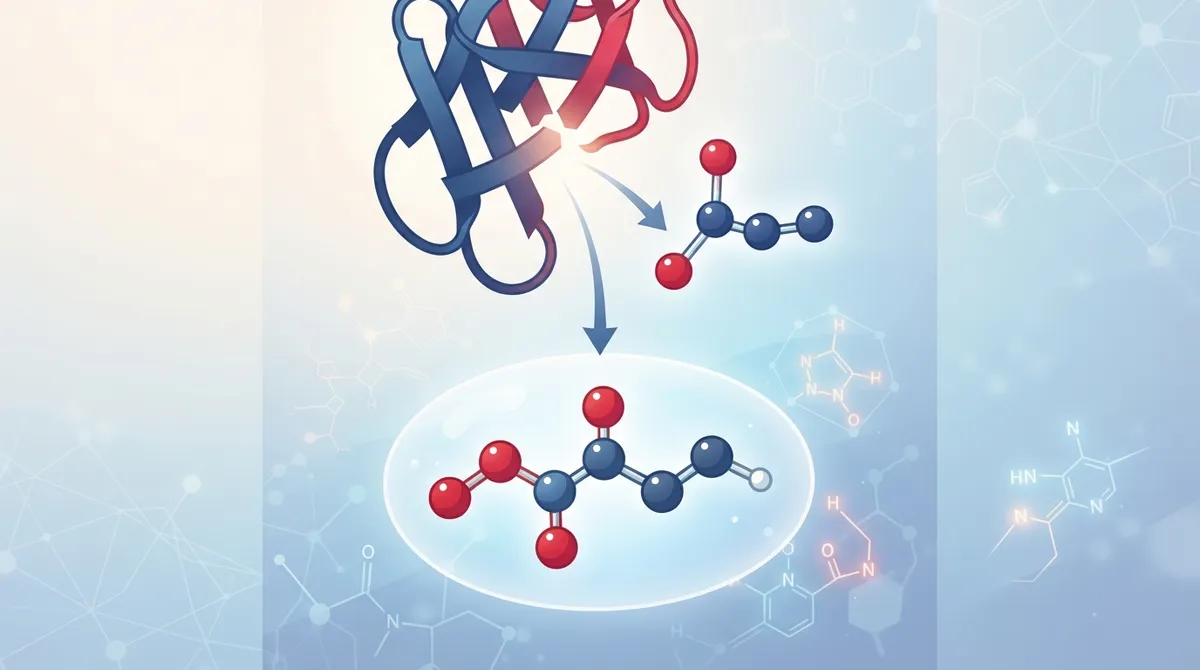
KPV stands for Lys-Pro-Val, a chain of just three amino acids: lysine, proline, and valine. It comes from a small section of alpha-melanocyte-stimulating hormone (α-MSH), a hormone your body naturally produces. Researchers became interested in KPV because it appeared to carry anti-inflammatory properties without some of the broader effects of the full hormone. This makes it a subject of laboratory study, not an approved treatment for gut conditions.

2. The Strongest Evidence Comes From Cell and Animal Studies
Most of what we know about KPV and the intestinal barrier comes from a foundational 2008 study. Researchers found that intestinal and immune cells absorb KPV through a transporter called PepT1. This transporter typically moves small protein fragments into cells and becomes more active in the colon during intestinal inflammation. That absorption pathway is interesting, but it was demonstrated in cell cultures and mice, not in human patients.
3. PepT1 Plays a Central Role in KPV Uptake
PepT1 is a transporter protein found mainly in the small intestine. During inflammatory bowel conditions, this transporter becomes more active in the colon as well. This matters because it explains how KPV enters cells in the first place. Without functional PepT1, the tripeptide would have a harder time reaching the tissues where inflammation occurs.
- PepT1 normally transports di- and tripeptides for nutrient absorption
- Its activity increases in colon tissue during inflammatory bowel disease
- KPV enters both epithelial and immune cells through this transporter
- This mechanism has only been confirmed in laboratory and animal models
4. KPV May Calm Inflammatory Signaling in Cell Models
Inside cell experiments, KPV reduced activity in two major inflammatory pathways: NF-κB and MAP kinase signaling. It also lowered the release of pro-inflammatory chemicals like IL-8. These are the same pathways that drive swelling and tissue damage during intestinal inflammation. Calming this signaling could, in theory, protect the tight junctions that hold intestinal cells together.
5. Mouse Studies Showed Reduced Colitis Severity
Researchers tested oral KPV in mice with chemically induced colitis, using two different models known as DSS and TNBS. In both cases, KPV appeared to reduce signs of inflammation. This built interest in KPV as a potential tool for inflammatory bowel disease research. However, mouse colitis models do not reliably predict how a compound will perform in people with Crohn's disease or ulcerative colitis.
6. Tight Junction Protein Evidence Remains Limited
A healthy intestinal barrier depends on proteins like occludin, claudins, and ZO-1holding cells tightly together. Some animal studies suggest KPV may support these structures indirectly by reducing inflammation. But direct evidence that KPV increases these specific proteins is limited and depends heavily on which model was used. This is an important distinction for anyone hoping KPV works like a targeted barrier repair tool.
7. A 2022 Hydrogel Study Explored Delivery, Not Human Safety
One notable study from 2022 tested a KPV-containing hydrogel delivered rectally in rats with experimental colitis. The results showed some recovery of the epithelial mucosal barrier. This is a promising drug-delivery concept, but it says nothing about whether commercially sold oral or injectable KPV products work the same way in humans. Delivery method matters enormously in peptide research.
8. No Human Trials Confirm KPV Improves Leaky Gut
Despite popular claims, there is no established, high-quality human evidence that KPV improves intestinal permeability, lowers serum zonulin, or reduces gastrointestinal symptoms. Claims of specific percentage improvements in human studies should be treated with skepticism unless backed by a registered clinical trial. If you're dealing with digestive symptoms, a thorough evaluation through primary care remains the most reliable path forward.
Why This Matters for Patients
Marketing language can make experimental compounds sound like proven cures. Understanding the difference between preclinical findings and clinical evidence protects you from wasted money and, more importantly, from delaying real treatment for conditions like IBS or IBD.
9. KPV Is Not a Substitute for IBD or IBS Treatment
Crohn's disease and ulcerative colitis require ongoing medical management, often involving prescription medications, monitoring, and sometimes procedures. KPV has not been studied in controlled human trials for these conditions. Patients experiencing chronic digestive symptoms should not delay seeing a physician in favor of unproven peptides. A conversation with your doctor can help you understand how primary doctors help manage chronic illnesses like these.
10. Oral Absorption and Delivery Method Are Unresolved Questions
Even in animal studies, how KPV is delivered — orally, by injection, or through specialized gels — changes how much reaches the target tissue. Oral peptides often face breakdown in the digestive tract before they can act. Injectable or compounded versions carry their own quality and safety questions, since manufacturing standards vary widely across suppliers.
|
Evidence Type |
What Was Shown |
Human Relevance |
|---|---|---|
|
Cell culture studies (2008) |
Reduced NF-κB signaling, lower IL-8 |
Laboratory only |
|
Mouse colitis models |
Reduced inflammation markers |
Animal only |
|
2022 rat hydrogel study |
Improved mucosal barrier recovery |
Animal, experimental delivery |
|
Human clinical trials |
None established |
Not yet demonstrated |
11. Risks, Interactions, and Quality Concerns Are Real
Because KPV is not FDA-approved for intestinal permeability or IBD, product quality, dosing, and purity are not standardized. Compounded or online peptide products may carry contamination risks or inaccurate labeling. Patients on other medications should also be cautious, since interactions with unregulated peptides are poorly studied. Anyone considering peptide therapy should discuss it openly with a licensed provider, such as those available through peptide therapy consultations in Tampa.
- Ask your provider whether any peptide has documented human safety data.
- Request third-party testing information from any supplier before use.
- Report unusual symptoms immediately to your primary care team.
- Avoid combining unregulated peptides with prescription medications without medical guidance.
12. Evidence-Based Approaches Still Lead for Gut Barrier Health
While KPV remains experimental, several well-supported strategies can genuinely support intestinal barrier function. These include:
- Following a fiber-rich, anti-inflammatory diet
- Managing stress, which affects gut permeability through the gut-brain axis
- Getting appropriate cancer and GI screenings when recommended
- Addressing underlying conditions like food intolerances or infections
- Discussing IV hydration and vitamin support for overall wellness alongside medical care
A comprehensive annual wellness visit is a great starting point to review your digestive health and screening needs with a physician who knows your history.
13. Talk to a Physician Before Trying Any Peptide for Gut Health
The bottom line: KPV shows interesting mechanisms in cell and animal research, but it is not a proven treatment for leaky gut, IBS, Crohn's disease, or ulcerative colitis in humans. Patients researching gut health online often find conflicting claims. The safest path is a direct conversation with a trusted primary care provider who can order appropriate testing and discuss realistic options. Our team, including Dr. Pramjeet Ahluwalia and Dr. Naveen Paddu, regularly helps patients across Tampa and Riverview sort fact from marketing hype when it comes to emerging wellness trends.
InCare has built a reputation across Tampa Bay for combining evidence-based medicine with advanced wellness technology. You can see what patients say about their experience by visiting our InCare location on Google, or follow ongoing health education through our Facebook and Instagram pages. We also share quick wellness tips on Tik Tok for patients who prefer bite-sized health content.
If you're dealing with digestive discomfort, bloating, or ongoing gut concerns, don't rely on unproven peptides alone. Reach out to our care team today to schedule an evaluation, or go ahead and book your appointment now at one of our Tampa or Riverview locations for a personalized, medically guided approach to gut and whole-body wellness.
FAQs
Q: What is KPV, and how is it related to the intestinal barrier?
A: KPV is a three-amino-acid tripeptide derived from alpha-melanocyte-stimulating hormone. Laboratory studies suggest it may reduce inflammatory signaling in intestinal cells, which could indirectly support barrier function, but this has only been shown in cell and animal models.
Q: Does KPV actually treat leaky gut or intestinal permeability in humans?
A: No reliable human clinical trials currently confirm that KPV improves intestinal permeability or leaky gut symptoms. The available evidence comes from cell cultures and mouse colitis models, not controlled human studies.
Q: Is KPV effective for ulcerative colitis or Crohn's disease?
A: KPV has shown reduced inflammatory markers in mouse models of colitis, but there is no established human evidence supporting its use for Crohn's disease or ulcerative colitis. These conditions require evaluation and treatment through a licensed physician.
Q: Is oral KPV absorbed, and how does it differ from injectable or compounded forms?
A: Oral peptides often face breakdown in the digestive system before reaching target tissue, while injectable or compounded versions carry their own quality and dosing concerns. No delivery method has been proven safe or effective for humans in controlled clinical trials.
Q: What evidence-based approaches support intestinal barrier health today?
A: A fiber-rich diet, stress management, appropriate screenings, and physician-guided treatment of underlying conditions remain the most reliable strategies. Speaking with a primary care provider is the best first step for anyone concerned about gut health.