Key Takeaways
- KP-10 (kisspeptin-10) is investigational with no FDA approval, standardized dose, or long-term safety data; buying it online as 'research use only' carries risks of uncertain identity, contamination, and unknown concentration.
- Before considering any hormone treatment, get baseline blood work including testosterone (two separate morning tests), thyroid, prolactin, and hormone panels to confirm diagnosis rather than guessing at solutions.
- Established FDA-approved alternatives exist for common concerns: testosterone replacement therapy for low testosterone, ovulation induction medications for fertility, and gonadotropin therapy for reproductive issues.
- Fatigue, low libido, and irregular periods often stem from treatable causes like thyroid dysfunction, high prolactin, poor sleep, stress, or metabolic issues—addressing these first may eliminate the need for peptide therapy.
- If 'KP-10' search relates to keratosis pilaris (skin bumps), topical keratolytics like lactic acid, urea, or salicylic acid are well-studied, widely available alternatives; mild cases improve with consistent moisturizing and gentle exfoliation.
- Work with a licensed clinician who can order proper diagnostics, monitor blood levels and side effects over time, and recommend treatments with proven safety records rather than self-injecting unregulated substances.
Searching for "KP-10 substitutes" often leads people down a confusing path. Some patients mean kisspeptin-10, a peptide studied for hormone and fertility support. Others are actually asking about keratosis pilaris, a common skin condition sometimes shortened to "KP." Both paths matter, but neither leads to a simple over-the-counter fix. This guide breaks down 13 real, evidence-based substitutes for KP-10, whether you're dealing with hormone concerns, fertility questions, or bumpy skin. You'll learn what the science actually shows, what a primary care evaluation looks like, and why working with a licensed clinician beats ordering an unregulated peptide online. At InCare, patients in Tampa and Riverview turn to trained providers instead of guesswork when it comes to hormone health and skin concerns.

What Is KP-10, and Why Does It Need a Substitute?
Kisspeptin-10 is a small peptide made of 10 amino acids. It comes from a larger family of proteins called kisspeptins. KP-10 activates a receptor called KISS1R, which then triggers the release of gonadotropin-releasing hormone (GnRH). This hormone chain reaction can raise luteinizing hormone (LH) and follicle-stimulating hormone (FSH), both of which affect testosterone production, ovulation, and overall reproductive health.
The problem is that KP-10 is still investigational. It has no FDA-approved formulation, no standardized dose, and limited long-term safety data. Most human studies are small, early-phase trials looking at conditions like hypothalamic amenorrhea and hypogonadotropic hypogonadism. This means KP-10 is not a ready-made treatment you can safely buy and use at home.
The Other Meaning: KP and Keratosis Pilaris
Some searches for "KP-10" actually come from confusion with keratosis pilaris, a skin condition marked by small, rough bumps, usually on the arms or thighs. This condition has its own ICD-10-CM code, L87.0. It has nothing to do with the kisspeptin peptide, but the overlapping letters cause mix-ups. If you're dealing with bumpy skin, the substitutes look completely different from hormone therapy options. You can read more about how KP-10 compares to the L87.0 skin code to clear up the confusion.
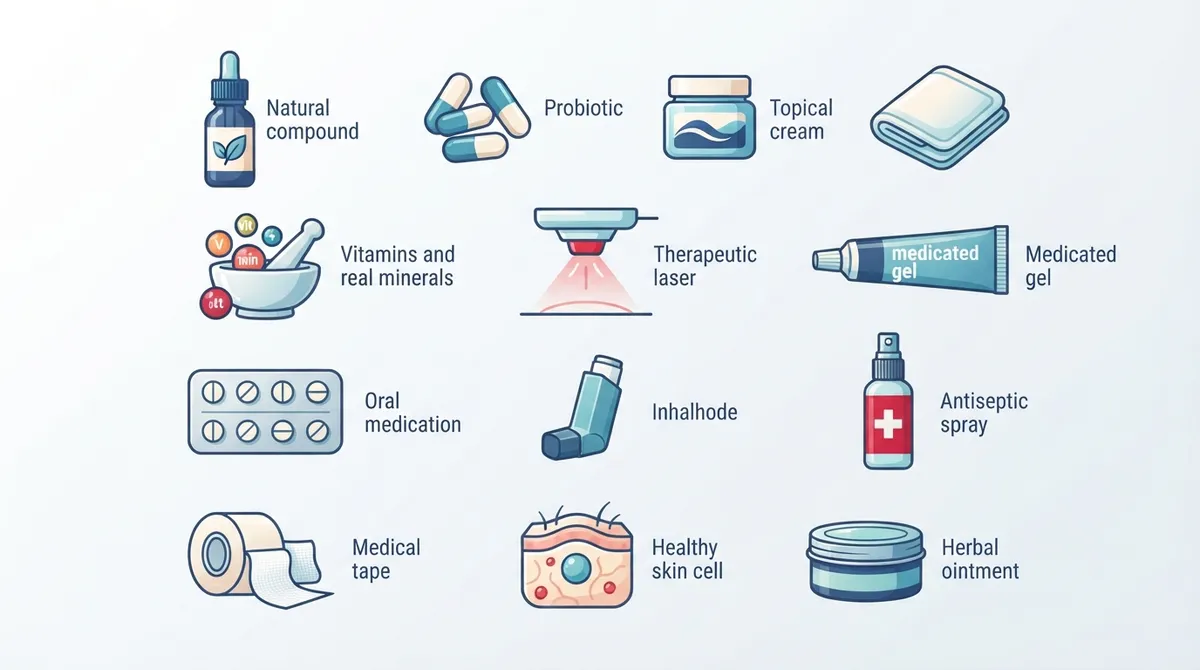
13 KP-10 Substitutes Worth Discussing With Your Doctor
Instead of chasing an unregulated peptide, consider these evidence-based paths. Each one targets the actual health concern that might have led you to search for KP-10 in the first place.
1. Confirmed Testosterone Deficiency Evaluation
If low energy, low libido, or muscle loss led you to consider KP-10, the smarter first step is testing. Clinical guidelines generally call for two separate early-morning testosterone measurements before diagnosing low testosterone. This confirms the problem before any treatment begins.
2. Clinician-Supervised Testosterone Replacement Therapy
For men with confirmed low testosterone, supervised replacement therapy is a well-studied option. Providers monitor blood levels, symptoms, and side effects over time. Learn more about testosterone replacement therapy and how it's managed safely.
3. Fertility Workup Before Any Hormone Therapy
People searching for KP-10 for fertility reasons should start with a full fertility evaluation. This includes hormone panels, ovulation tracking, and a review of reproductive history. Skipping this step means guessing at a solution instead of treating the real issue.
4. Ovulation Induction Medications
For women with irregular or absent ovulation, established fertility medications can help trigger ovulation. These treatments have decades of research behind them, unlike kisspeptin-10.
5. Gonadotropin Therapy
In certain fertility cases, gonadotropins are used to stimulate the ovaries or testes directly. This approach is FDA-approved and closely monitored by specialists, offering a safer path than experimental peptides.
6. Thyroid Function Testing
Fatigue, irregular periods, and low libido can all stem from thyroid problems, not hormone deficiency alone. A simple blood test can rule this out before jumping to peptide therapy.
7. Prolactin Level Screening
High prolactin levels can suppress reproductive hormones and cause symptoms similar to what people hope KP-10 might fix. Testing prolactin is a quick, low-cost step in any hormone workup.
8. Metabolic Health Assessment
Weight, blood sugar, and insulin resistance all affect hormone balance. A metabolic breath analysis can reveal issues that mimic hormone deficiency symptoms.
9. Sleep and Lifestyle Review
Poor sleep, high stress, and lack of exercise can lower testosterone and disrupt menstrual cycles. Addressing these factors often improves symptoms without any medication at all.
10. DNA and Gene Testing for Personalized Insight
Genetic factors can influence hormone metabolism and reproductive health. DNA gene testing gives providers a clearer picture of what's driving your symptoms.
11. Peptide Therapy Under Medical Supervision
Some peptides do have stronger safety records and clearer clinical use than KP-10. A conversation with a provider about peptide therapy options in Tampa can clarify which, if any, peptides fit your situation safely.
12. Topical Keratolytics for Keratosis Pilaris
If your search for "KP-10" was really about skin bumps, look at topical treatments instead. Lactic acid, urea, and salicylic acid creams are well-studied options that soften rough patches and improve skin texture over time.
13. Regular Moisturizing and Gentle Exfoliation
For mild keratosis pilaris, a consistent skincare routine with fragrance-free moisturizers and gentle exfoliation can reduce bumps without any prescription at all. A clinician can guide you on which products work best for your skin type.
Comparing KP-10 to Established Alternatives
The table below shows how KP-10 stacks up against more established options for common health goals.
|
Health Goal |
KP-10 Status |
Established Alternative |
Regulatory Status |
|---|---|---|---|
|
Low testosterone |
Investigational, no standard dose |
Supervised testosterone therapy |
FDA-regulated with monitoring |
|
Infertility (ovulation issues) |
Phase 1/2 research only |
Ovulation induction medications |
FDA-approved options available |
|
Infertility (male or female) |
Limited human data |
Gonadotropin therapy |
Clinically established |
|
Rough, bumpy skin (keratosis pilaris) |
Not applicable; different condition |
Topical keratolytics |
Widely available, dermatologist-recommended |
|
Fatigue or low libido |
No approved indication |
Full hormone and thyroid panel |
Standard diagnostic testing |
Why You Shouldn't Buy KP-10 Online
Many websites sell products labeled "KP-10" or "research peptides." These products often carry a "research use only" disclaimer, which means they are not approved for human treatment. This labeling is a warning sign, not a technicality.
Here are the biggest risks of buying KP-10 online:
- Uncertain identity: the vial may not contain what the label says
- Sterility concerns: improper manufacturing can introduce contamination
- Unknown concentration: dosing becomes a guessing game
- Storage issues: peptides degrade without proper handling
- No medical oversight: side effects go unmonitored
- No verified safety data: long-term effects remain unknown
Self-injecting an unregulated substance is never a substitute for a proper medical evaluation. A licensed provider can order the right tests and recommend treatments with a track record of safety.
Steps to Take Before Considering Any Hormone-Related Treatment
Follow this sequence if you're exploring hormone or fertility concerns:
- Schedule a visit with a primary care provider or specialist
- Get baseline blood work, including hormone and thyroid panels
- Repeat key tests to confirm results, especially for testosterone
- Review your sleep, diet, stress, and exercise habits
- Discuss family and reproductive history with your provider
- Ask about approved treatment options based on your diagnosis
- Set a follow-up plan to monitor progress and adjust care
This structured approach replaces guesswork with a plan built on your actual test results and symptoms.
How InCare Approaches Hormone and Wellness Concerns
InCare combines lab testing, imaging, and personalized plans to address the root cause of symptoms rather than chasing trends. Services like body composition analysis and IV hydration and vitamin drips support whole-body wellness alongside primary care. For patients exploring weight management alongside hormone health, the medical weight loss program offers a structured, supervised path.
Patients at InCare's Tampa and Riverview locations work directly with providers like those listed on the providers page, including Dr. Pramjeet Ahluwalia, to build a plan based on real diagnostics instead of trends found online. You can also follow health tips and updates through Facebook, Instagram, and TikTok.
What to Expect During a Consultation
A first visit typically includes a review of your symptoms, a physical exam, and lab orders based on your concerns. If hormone imbalance is suspected, expect blood draws for testosterone, LH, FSH, thyroid hormones, and possibly prolactin. If skin bumps are the issue, a visual exam usually settles the diagnosis quickly.
Many patients feel relieved once they understand the difference between an unregulated peptide and a proven medical plan. According to peer-reviewed research summaries, most kisspeptin studies remain in early clinical phases, reinforcing why a supervised approach makes more sense right now.
Frequently Overlooked Signs Worth Mentioning to Your Doctor
Patients often forget to mention symptoms that seem unrelated but matter a lot. Bring these up during your visit:
- Unexplained weight changes
- Changes in menstrual cycle length or flow
- New hair thinning or loss
- Persistent fatigue despite adequate sleep
- Mood changes or irritability
- Skin changes, including new bumps or rashes
Sharing the full picture helps your provider choose the most accurate substitute for whatever led you to search for KP-10 in the first place.
Final Thoughts on Choosing a Safe Path Forward
KP-10 might sound promising, but it lacks the approval, dosing standards, and safety history needed for routine use. The better move is treating the real problem behind your symptoms, whether that's low testosterone, fertility struggles, or rough skin. Evidence-based alternatives exist for nearly every concern that draws people toward this peptide.
If you're ready to get real answers instead of guessing with unregulated products, our team at InCare in Tampa and Riverview can help. See what patients are saying by visiting us on Google, and check out Visit us on Google — InCare for reviews from real patients. When you're ready to talk through your symptoms with a licensed provider, reach out to our team or schedule your appointment today to start with a plan built on real evidence, not internet trends.
FAQs
Q: What is KP-10 or kisspeptin-10?
A: KP-10 is a 10-amino-acid peptide fragment that activates the KISS1R receptor and stimulates GnRH release. This process can raise LH and FSH levels, which influence testosterone production, ovulation, and fertility.
Q: Is kisspeptin-10 FDA approved?
A: No, kisspeptin-10 is not FDA or EMA approved. It remains an investigational compound studied mainly in small, early-phase clinical trials without a standardized dose or completed Phase 3 program.
Q: What are safe alternatives to KP-10 for low testosterone?
A: Confirmed low testosterone can be treated with clinician-supervised testosterone replacement therapy after two separate morning blood tests confirm the diagnosis. This approach is well-studied and monitored for safety.
Q: Is it safe to buy KP-10 online or from a peptide clinic?
A: Buying KP-10 online is not recommended, since many products are labeled 'research use only' and lack verified purity, sterility, or accurate dosing. Self-injecting unregulated peptides carries real health risks.
Q: Does KP-10 mean keratosis pilaris, and what treatments are available?
A: KP-10 is sometimes confused with keratosis pilaris, a skin condition coded as L87.0. Effective treatments include moisturizers and clinician-guided topical keratolytics like lactic acid, urea, or salicylic acid.