Key Takeaways
- KP-10 is not an official medical term but an informal online mashup of 'KP' and 'L87.0'; the correct ICD-10-CM diagnosis code for keratosis pilaris is L87.0, used in medical records and billing.
- Keratosis pilaris has no permanent cure, but consistent daily moisturizing and using keratolytic ingredients like lactic acid (10%), salicylic acid, or urea (5-20%) can significantly reduce symptoms.
- Avoid hot water, harsh scrubbing, and rough washcloths; instead use warm water, gentle cleansers, and apply thick moisturizer 2-3 times daily while skin is still damp for best results.
- See a provider if bumps suddenly change color, show signs of infection, remain painful, or don't improve after weeks of self-care, as these may indicate a different condition.
- Keratosis pilaris is benign and not contagious, but it commonly affects people with dry skin, family history of the condition, eczema, or those in cold climates during winter months.
- A clinical study showed combining 10% lactic acid with 5% salicylic acid led to noticeable improvement; start slowly with stronger formulas to avoid irritation, especially on the face.
If you have ever searched online for those small, rough bumps on your arms or thighs, you may have come across the term "KP-10." Many people believe this is a special code or product name tied to keratosis pilaris. In reality, the story is a bit more complicated, and understanding the difference can help you get the right care faster. This article breaks down what KP-10 actually means, how it compares to the true medical code for this common skin condition, and what treatments really work.
At InCare, our providers in Tampa and Riverview see patients with keratosis pilaris regularly during routine wellness visits. Whether you are a busy parent noticing bumps on your child's cheeks or an adult frustrated by rough patches on your arms, knowing the facts can save you time and unnecessary worry.
What Is KP-10 and Where Does the Term Come From?
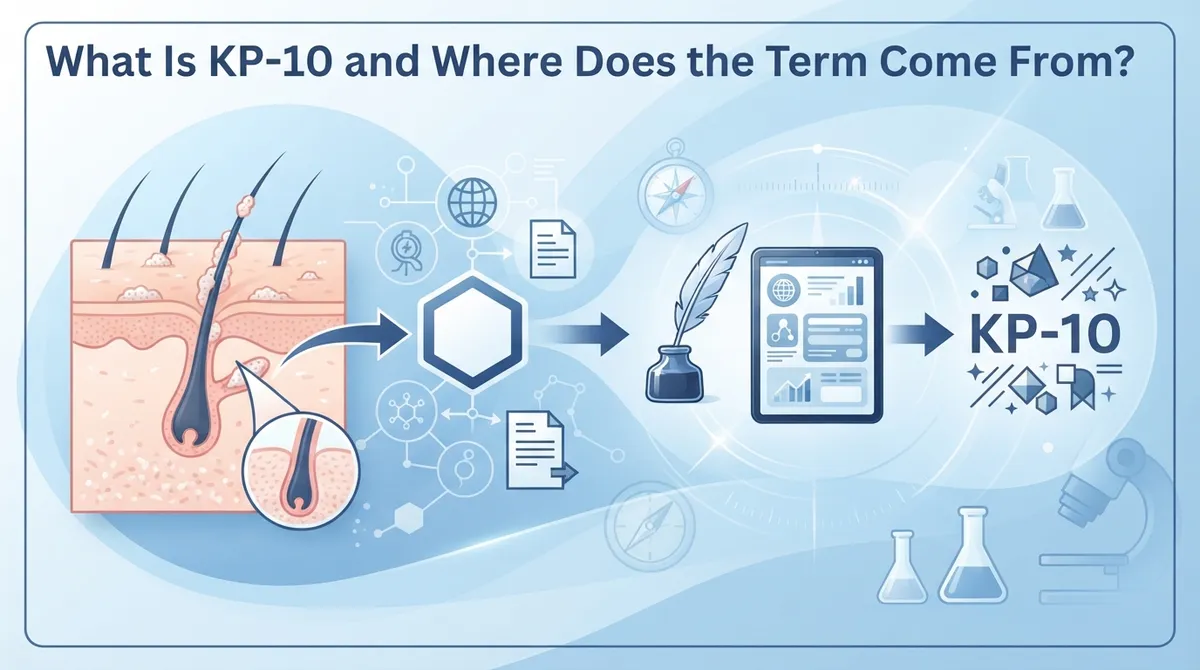
"KP-10" is not an official medical term. It is a common online shorthand that mixes up two separate ideas: "KP," which stands for keratosis pilaris, and "L87.0," the actual ICD-10-CM diagnosis code doctors use for this condition. Over time, people online blended these terms together, creating the confusing label "KP-10."
There is no medication, procedure, or product officially called KP-10. If you see this term used to sell a treatment, it is worth asking questions before buying anything. Our primary care team can help clarify what your skin actually needs based on a real examination.
KP-10 vs. L87.0: Side-by-Side Comparison
|
Term |
What It Actually Means |
Is It Official? |
|---|---|---|
|
KP-10 |
Informal online mashup of "KP" and "L87.0" |
No, not a recognized medical term |
|
L87.0 |
Official ICD-10-CM code for keratosis pilaris |
Yes, used in medical records and billing |
|
Keratosis Pilaris (KP) |
The actual skin condition with rough bumps |
Yes, a well-documented clinical diagnosis |
What Is Keratosis Pilaris, Really?
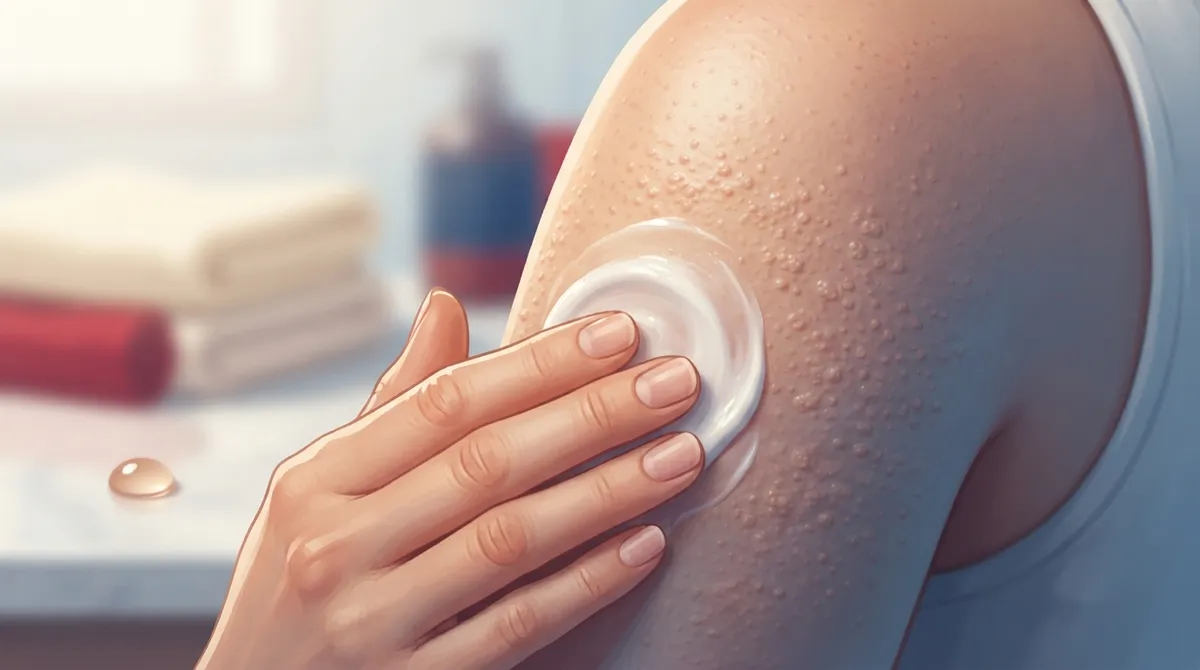
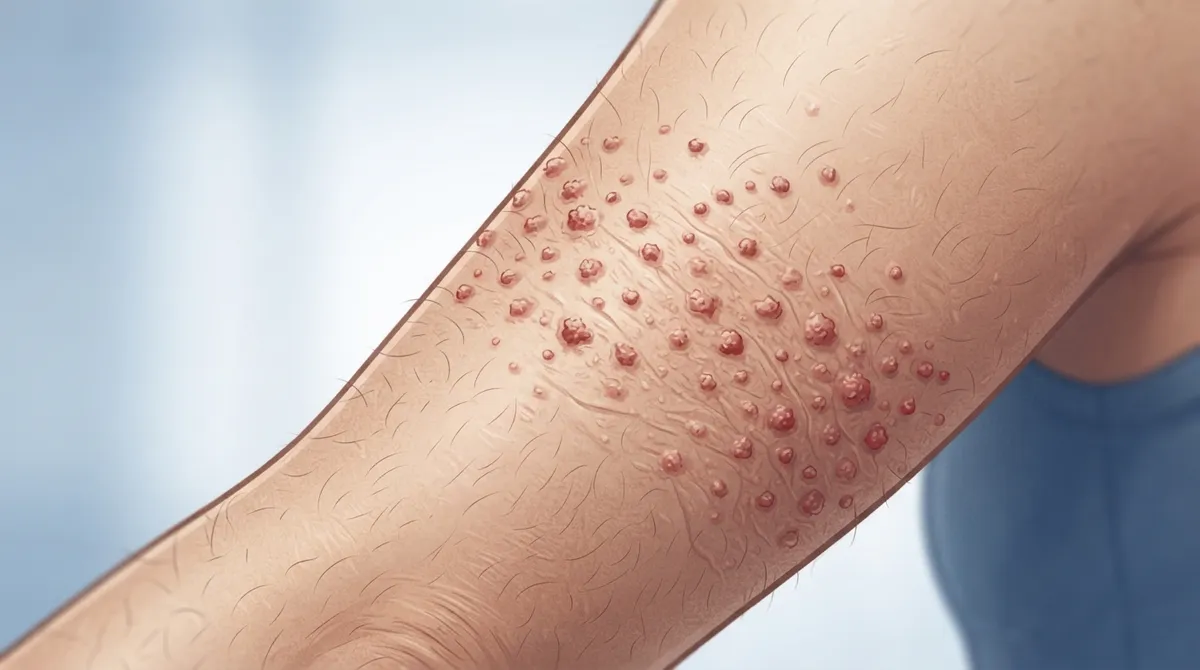
Keratosis pilaris is a common skin condition. It happens when keratin, a protein found in skin, builds up and blocks hair follicles. This blockage creates small, rough bumps that often show up on the upper arms, thighs, cheeks, or buttocks.
The bumps can look like tiny goosebumps that never go away. Some patients also notice mild redness or dry patches around the bumps. While it can be annoying, keratosis pilaris is not contagious and does not cause serious health problems.
Who Is Most Likely to Get It?
Keratosis pilaris can affect anyone, but certain groups notice it more often. Here are common patterns:
- People with naturally dry skin
- Those with a family history of the condition
- People with other skin conditions like eczema
- Children and teenagers, though it can appear at any age
- Individuals in cold, dry climates or during winter months
Many patients find their symptoms improve with age. However, flare-ups can return when skin gets dry, especially in cooler months.
How Is Keratosis Pilaris Diagnosed?
Good news: diagnosing keratosis pilaris is usually simple. Your provider can often confirm it just by looking at your skin. Lab tests are rarely needed.
During a visit at InCare, a clinician will typically:
- Examine the bumps and their location on your body
- Ask about your family history of skin conditions
- Check for signs of redness, dryness, or irritation
- Rule out other skin issues that might look similar
- Discuss your skincare routine and any triggers you've noticed
If you are unsure whether your bumps are keratosis pilaris or something else, a visit to a provider can bring clarity quickly. This is especially helpful if the bumps are painful, spreading fast, or changing color in unusual ways.
Is Keratosis Pilaris Dangerous?
Keratosis pilaris is not dangerous. It will not spread to other people, and it does not increase your risk of skin cancer or other serious diseases. That said, it can affect how someone feels about their skin, especially in visible areas like the arms or cheeks.
Some patients feel self-conscious wearing sleeveless shirts or shorts because of the bumps. This emotional impact is real, even though the physical risk is low. Getting a clear diagnosis and treatment plan can help ease this worry.
Best Treatment Options for Keratosis Pilaris
There is no permanent cure for keratosis pilaris. However, many people see real improvement with the right daily care. Treatment focuses on softening the keratin buildup and keeping skin moisturized.
Step-by-Step Self-Care Routine
The American Academy of Dermatology recommends a simple routine that many patients can start right away:
- Take short showers with warm water, not hot water
- Use a gentle, fragrance-free cleanser
- Avoid scrubbing hard or using rough washcloths
- Pat skin dry instead of rubbing it
- Apply a thick moisturizer while skin is still damp
- Reapply moisturizer two to three times a day for best results
This routine may seem simple, but consistency matters most. Skipping moisturizer for even a few days can bring bumps back.
Keratolytic Ingredients That Help
Certain ingredients help break down the keratin plugs causing the bumps. These are often found in over-the-counter creams and lotions.
|
Ingredient |
Typical Strength |
What It Does |
|---|---|---|
|
Urea |
5% to 20% |
Softens rough skin and boosts moisture |
|
Lactic Acid |
Around 10% |
Gently exfoliates and smooths bumps |
|
Salicylic Acid |
Varies by product |
Helps clear clogged follicles |
|
Glycolic Acid |
Varies by product |
Improves overall skin texture |
A clinical study found that combining 10% lactic acid with 5% salicylic acid led to noticeable improvement in keratosis pilaris. Some patients experienced mild dryness or irritation, so starting slowly is smart. A 2025 systematic review also confirmed that alpha-hydroxy acids, beta-hydroxy acids, and urea remain solid first-line choices for most patients.
When Stronger Treatment Is Needed
If self-care is not enough, your provider may suggest additional options. These include:
- Topical retinoids for stubborn follicular plugging
- Prescription-strength keratolytic creams
- Referral to dermatology for laser or light treatments
- Adjustments to your skincare routine based on skin type
Stronger formulas should be used carefully, especially on the face or in children. Talking with a clinician before trying higher-strength products helps avoid irritation.
When Should You See a Doctor for Keratosis Pilaris?
Most cases of keratosis pilaris can be managed with good skincare at home. However, some signs mean it is time to book a visit. Consider seeing a provider if you notice:
- Bumps that suddenly change color or shape
- Ongoing redness that does not improve with moisturizer
- Painful or infected-looking bumps
- Symptoms that do not improve after weeks of self-care
- Uncertainty about whether it is really keratosis pilaris
Our team at InCare offers thorough primary care visits where skin concerns like this are addressed alongside your overall health. If you are due for a broader check-up, this is also a great time to ask about cancer screening or other preventive services.
How InCare Approaches Skin and Wellness Concerns
InCare combines modern technology with a personal touch. Our providers, including Dr. Naveen Paddu, Dr. Pramjeet Ahluwalia, and Dr. Teshy John, take time to listen to your concerns and build a plan that fits your life.
Beyond skin health, InCare also offers services like IV hydration and vitamin drips, which some patients use to support overall skin hydration and wellness. For those interested in deeper insight into their skin and health patterns, our DNA gene testing can reveal helpful information about predispositions to certain skin and health conditions.
Why a Comprehensive Visit Matters
Skin issues rarely exist in isolation. A visit focused on keratosis pilaris often becomes an opportunity to check in on your broader health. During a comprehensive visit, your provider may also review:
- Your overall skin health and any other concerns
- Diet and hydration habits that affect skin
- Family history of skin or autoimmune conditions
- Whether you are due for routine screenings
- Any medications that might be affecting your skin
This whole-body approach reflects how InCare treats primary care. To learn more about what a full visit includes, read about what happens during an annual wellness visit.
Common Myths About KP-10 and Keratosis Pilaris
Because "KP-10" is not an official term, misinformation spreads easily online. Here are a few myths worth clearing up:
- Myth: KP-10 is a special medication. Fact: No such medication exists under this name.
- Myth: Keratosis pilaris means something is wrong internally. Fact: It is a benign, common skin condition.
- Myth: The bumps can be permanently removed. Fact: There is no permanent cure, though symptoms often improve with age and care.
- Myth: Scrubbing harder will clear the bumps faster. Fact: Vigorous scrubbing usually makes irritation worse.
Getting accurate information from a trusted provider, rather than relying on unverified online sources, protects your skin and your wallet. You can also follow our team on Instagram or Facebook for more wellness tips grounded in real medical guidance.
Building a Long-Term Skincare Routine
Since keratosis pilaris tends to come back if care stops, building sustainable habits matters more than quick fixes. Here is a simple long-term plan many patients follow successfully:
- Choose one gentle cleanser and stick with it
- Moisturize daily, even when skin looks clear
- Introduce keratolytic ingredients slowly to avoid irritation
- Track flare-ups by season, especially during dry winter months
- Check in with your provider once or twice a year for skin review
This kind of steady approach fits well within a broader wellness plan. Many patients combine this with other services, such as body composition analysis or weight loss programs, as part of a complete health strategy.
Find Care Near You in Tampa or Riverview
If you have been dealing with rough, bumpy skin and want real answers instead of confusing online terms like "KP-10," our team is ready to help. InCare has locations in Tampa and Riverview, plus virtual visit options for busy schedules.
Patients consistently share positive experiences with our team, and you can visit us on Google — InCare to read real reviews from people in your community. You can also check out patient stories directly on our testimonials page.
Whether your skin concern is simple or part of a bigger health picture, a visit with a knowledgeable provider makes all the difference. If you are ready to get clarity on your skin health, reach out to our team today or book your appointment now to start feeling confident in your skin again.
FAQs
Q: What does KP-10 mean in dermatology?
A: KP-10 is not an official medical term. It is a common online mix-up between "KP" (keratosis pilaris) and "L87.0," which is the actual ICD-10-CM diagnosis code doctors use for this skin condition.
Q: Is KP-10 the same as the ICD-10 code for keratosis pilaris?
A: No, KP-10 is not the official code. The correct ICD-10-CM code for keratosis pilaris is L87.0, which providers use in medical records and billing.
Q: What causes keratosis pilaris and who is most likely to develop it?
A: Keratosis pilaris happens when keratin builds up and blocks hair follicles, creating rough bumps. It is most common in people with dry skin, a family history of the condition, or other skin issues like eczema.
Q: Can keratosis pilaris be permanently cured?
A: There is no permanent cure for keratosis pilaris, though it often improves with age. Ongoing care with moisturizers and gentle skincare helps manage symptoms long term.
Q: When should someone with keratosis pilaris see a primary care clinician?
A: You should see a provider if bumps become painful, change color, show signs of infection, or do not improve after weeks of consistent self-care. A clinician can also confirm the diagnosis and rule out other conditions.