
Key Takeaways
- Semaglutide is FDA-approved and available now, while retatrutide remains investigational and unapproved—making semaglutide the only clinically available option today for patients seeking weight loss treatment.
- Retatrutide showed higher weight loss in trials (up to 28.3%) versus semaglutide (14.9%), but direct comparison is unreliable because trials differed in design, patient populations, and retatrutide data lacks peer review.
- Semaglutide has proven cardiovascular benefits (20% reduction in major heart events per SELECT trial), while retatrutide hasn't been tested long enough to demonstrate similar heart protection despite greater weight loss.
- Both medications use similar weekly injection protocols with comparable gastrointestinal side effects, but semaglutide has years of real-world safety data whereas retatrutide's long-term safety profile remains unknown.
Weight loss injections have changed how doctors treat obesity and diabetes. Two names keep coming up: retatrutide and semaglutide. Patients often ask which one works better, which is safer, and which they can actually get right now. The answers matter, especially since these are medical treatments, not quick fixes.
At InCare, our teams in Tampa and Riverview help patients understand these options with clear, honest information. This guide breaks down 13 key facts about retatrutide vs semaglutide so you can make an informed choice with your doctor. Whether you're a busy parent trying to manage your weight, a wellness-focused professional exploring new options, or someone newly researching GLP-1 medications, this article gives you the facts you need.

1. Semaglutide Is Approved. Retatrutide Is Not
This is the most important difference. Semaglutide is FDA-approved. It's sold as Wegovy for weight loss and Ozempic for type 2 diabetes. There's also an oral form called Rybelsus for diabetes.
Retatrutide is still investigational. That means it's being tested in clinical trials but hasn't received FDA approval yet. Doctors cannot prescribe it for everyday use. If you want more details on how semaglutide works as an approved GLP-1 therapy, our primary care team can walk you through it during a visit.
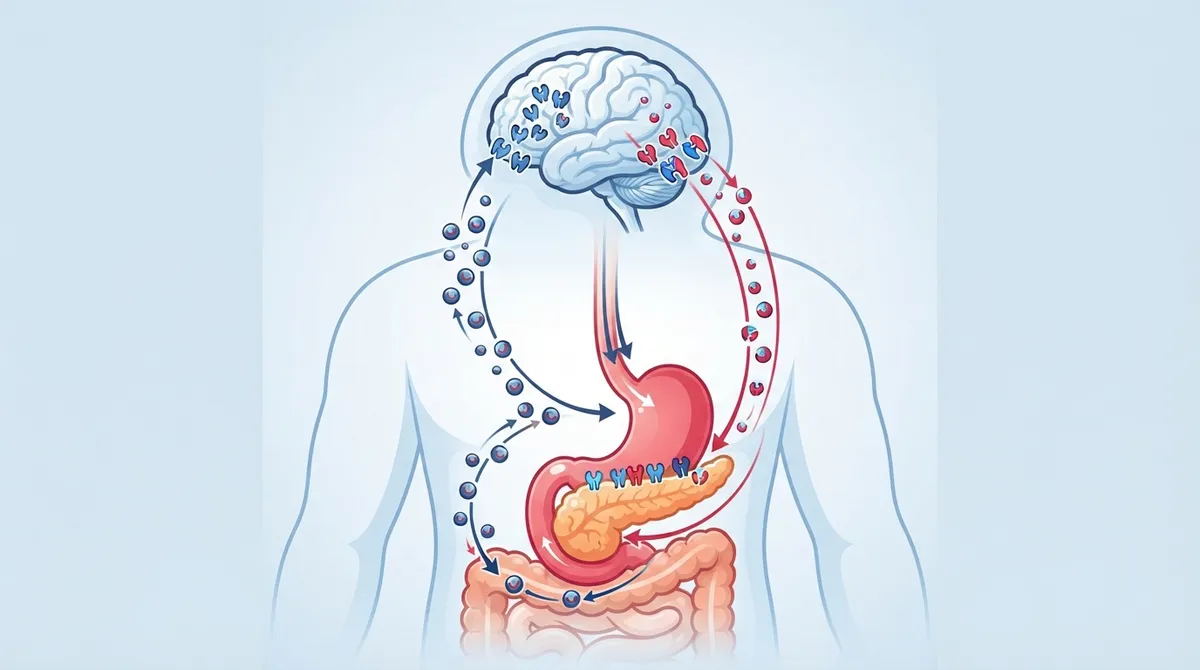
2. They Work on Different Receptors in Your Body
Semaglutide is a GLP-1 receptor agonist. It mimics a natural hormone that controls hunger and blood sugar. This is a well-studied mechanism with years of real-world data behind it.
Retatrutide is different. It's a triple agonist. That means it activates three receptors instead of one: GLP-1, GIP, and glucagon. Scientists believe hitting all three targets may boost weight loss and improve metabolic health more than GLP-1 alone.
3. Retatrutide Showed Bigger Weight Loss Numbers in Trials
In the TRIUMPH-1 trial, retatrutide produced strong results after 80 weeks:
- 4 mg dose: 19.0% average weight loss
- 9 mg dose: 25.9% average weight loss
- 12 mg dose: 28.3% average weight loss
- Placebo group: only 2.2% weight loss
These numbers come from topline company data released by Eli Lilly in 2026. They have not yet gone through full peer review, so they should be viewed carefully.
4. Semaglutide's Results Are Well-Documented and Peer-Reviewed
Semaglutide's data comes from the STEP 1 trial, published in the New England Journal of Medicine. Patients using the 2.4 mg dose lost about 14.9% of their body weight after 68 weeks. This is solid, peer-reviewed evidence that doctors trust.
Semaglutide's numbers are lower than retatrutide's topline results. But semaglutide has years of real-world use behind it. Retatrutide does not.
5. You Can't Compare Trials Directly
It's tempting to look at these percentages and assume retatrutide wins. But trials differ in many ways:
- Different patient populations were studied
- Trial lengths varied (68 weeks vs 80 weeks)
- Study designs and comparison groups were not identical
- Retatrutide's numbers are from company press releases, not full published studies
A responsible primary care approach means waiting for complete, peer-reviewed data before drawing firm conclusions. This is one reason working with an experienced weight loss program matters so much.
6. Both Are Weekly Injections With Similar Starting Steps
Both medications are given as a shot under the skin, once a week. Doctors typically start patients on a low dose. The dose is then raised slowly over weeks or months. This helps reduce stomach-related side effects.
During this process, your provider should check in regularly. They'll look at how your body responds, watch for side effects, and adjust as needed. This kind of close monitoring is part of what makes primary care so valuable during weight loss treatment.
7. Side Effects Are Similar, But Long-Term Data Differs
Both drugs share common side effects tied to how GLP-1 medications work:
- Nausea
- Vomiting
- Diarrhea
- Constipation
- Reduced appetite
Retatrutide trials have reported similar stomach issues. But because retatrutide is newer, we don't have the same long-term safety picture that semaglutide has built up over years of use.
8. Semaglutide Has Proven Heart Benefits
This is a big one. In the SELECT trial, semaglutide reduced major heart events by 20% in adults with obesity and existing heart disease, even without diabetes. This is a landmark finding published in a respected medical journal.
Retatrutide has not shown this kind of heart protection yet. It simply hasn't been tested long enough or in the right trial format. Patients should not assume retatrutide will offer the same heart benefits just because it produces more weight loss.
9. TRIUMPH-4 Showed Promise for Joint Pain Patients
A separate study, TRIUMPH-4, looked at retatrutide in people with obesity and knee osteoarthritis. Reported results from 2025 showed about 28.7% weight loss at 68 weeks with the 12 mg dose. This is encouraging, but again, this data needs full peer review before it becomes standard practice.
10. Retatrutide May Help With Diabetes Too
Early data from the TRANSCEND-T2D-1 study suggests retatrutide could help people with type 2 diabetes. Reported results showed about 16.8% weight loss at 40 weeks in this population. This is a smaller, shorter study, so more research is needed. Semaglutide already has years of proven use for diabetes management through safe diabetes treatment protocols.
11. Nearly Half of Retatrutide Patients Hit Major Weight Loss Goals
In TRIUMPH-1, about 45.3% of people on the 12 mg dose of retatrutide reportedly lost 30% or more of their body weight. That's a striking number. But remember, this is a trial result, not a promise for every individual. Weight loss varies from person to person based on many factors, including diet, activity, and metabolism.
12. Choosing Between Them Isn't a DIY Decision
Because retatrutide isn't approved yet, this isn't really a choice patients can make on their own today. Semaglutide is available now through proper medical channels. Retatrutide remains limited to clinical trials.
When it does become available, your primary care provider will need to review your health history, current medications, and goals. Factors like diabetes status, heart health, and other conditions all play a role in choosing the best injection for weight loss.
13. Talk to a Doctor Before Starting Any GLP-1 Therapy
Whether you're interested in semaglutide now or curious about retatrutide's future, the smartest first step is a conversation with a primary care provider. They can review your labs, discuss your weight loss history, and help set realistic expectations.
Our providers, including Dr. Naveen Paddu and Dr. Pramjeet Ahluwalia, work with patients across Tampa and Riverview to build safe, personalized weight loss plans. You can also explore our body composition analysis or metabolic breath analysis to get a clearer picture of your starting point before beginning any treatment.
What This Means for Your Health Journey
Semaglutide remains the proven, approved choice for most patients today. It has years of safety data, strong cardiovascular evidence, and real-world results. Retatrutide looks promising, with larger weight loss numbers in early trials. But it's still waiting for full approval and long-term safety studies.
The best path forward depends on your unique health picture. Some patients do well with semaglutide alone. Others may benefit from a broader approach that includes DNA gene testing or IV hydration therapy to support their overall wellness goals. A personalized plan, built with a trusted provider, tends to produce the best long-term results.
Many patients also share their experiences online. You can follow health updates on Facebook or check out wellness tips on Instagram and TikTok for more information on weight loss trends and treatment options.
Finding the Right Support in Tampa and Riverview
Choosing a weight loss medication is a big decision. It's not just about picking a drug. It's about finding a care team that listens, monitors your progress, and adjusts your plan as needed. InCare has built a reputation for exactly this kind of personalized care, with a 4.8-star rating from hundreds of patients across our locations.
If you're ready to explore your options, our team of providers is here to help. You can also visit our Tampa and Riverview locations to learn more about what's available near you. See what our patients are saying by visiting us on Google — InCare before your first visit.
Take the Next Step Toward Your Weight Loss Goals
Weight loss medications like semaglutide offer real, proven results when used correctly and monitored by a medical professional. Retatrutide may become another strong option once it clears FDA review. Until then, the smartest move is getting expert guidance tailored to your body and your health history.
Ready to talk with a provider about your options? Book your appointment today and take the first step toward a personalized weight management plan built around your needs.
FAQs
Q: What is the difference between retatrutide and semaglutide?
A: Semaglutide is an FDA-approved GLP-1 receptor agonist used for weight loss and diabetes. Retatrutide is an investigational triple agonist that targets GLP-1, GIP, and glucagon receptors, and it has not yet received FDA approval for clinical use.
Q: Which causes more weight loss, retatrutide or semaglutide?
A: Early trial data suggests retatrutide may produce greater weight loss, with topline results showing up to 28.3% at the highest dose compared to about 14.9% for semaglutide. However, these trials differ in design and population, so direct comparisons should be made cautiously.
Q: Is retatrutide FDA-approved for weight loss or diabetes?
A: No, retatrutide remains investigational and is still undergoing clinical trials. It is not currently approved by the FDA for weight management or diabetes treatment.
Q: What are the side effects of retatrutide compared with semaglutide?
A: Both medications share similar gastrointestinal side effects, including nausea, vomiting, diarrhea, and constipation. Semaglutide has a much longer safety track record, while retatrutide's long-term safety profile is still being studied.
Q: Which medication is better for people with type 2 diabetes, retatrutide or semaglutide?
A: Semaglutide has extensive approved use and proven benefits for type 2 diabetes management. Retatrutide has shown promising early results in diabetes trials, but it lacks the long-term approved data that semaglutide offers.