Key Takeaways
- Topical GHK-Cu concentrations typically range from 0.1% to 1% for daily use, with lower doses (0.1%) better for sensitive skin and higher concentrations carrying increased irritation risk.
- No GHK-Cu product has FDA approval, so injectable dosing (commonly 0.5-4 mg) should only occur under licensed clinician supervision to avoid serious health risks.
- Topical GHK-Cu does not significantly raise serum copper levels (changes below 2 µg/dL per 2026 research), making it safe for local skin application with minimal systemic absorption.
- Start with patch testing at lower concentrations (0.1%), wait 24-48 hours for reactions, and gradually increase only if tolerated well to minimize irritation and wasted product.
- Most reported side effects are mild and local (redness, stinging, itching, swelling), occurring in fewer than 5% of topical users, and resolve quickly after discontinuation.
- Long-term safety data for systemic use, pregnancy, breastfeeding, and children remains limited, so personalized provider consultation is essential before starting any GHK-Cu regimen.
GHK-Cu has become one of the most talked-about copper peptides in skin care and wellness circles. Patients often ask a simple question with a complicated answer: how much GHK-Cu should you actually use? The truth is, dosing depends on the form you choose, your skin goals, and whether a clinician is guiding your plan. Getting this wrong can mean wasted money or unwanted skin reactions.
At InCare, patients across Tampa and Riverview ask about copper peptides during wellness visits and skin consultations. This guide breaks down what the research actually shows about topical concentrations, injectable ranges discussed in wellness circles, and how to use GHK-Cu safely. Whether you are a busy parent looking for simple skin care or a wellness seeker exploring advanced options, these 12 facts will help you make an informed decision.
1. Topical Application Is the Most Established Option
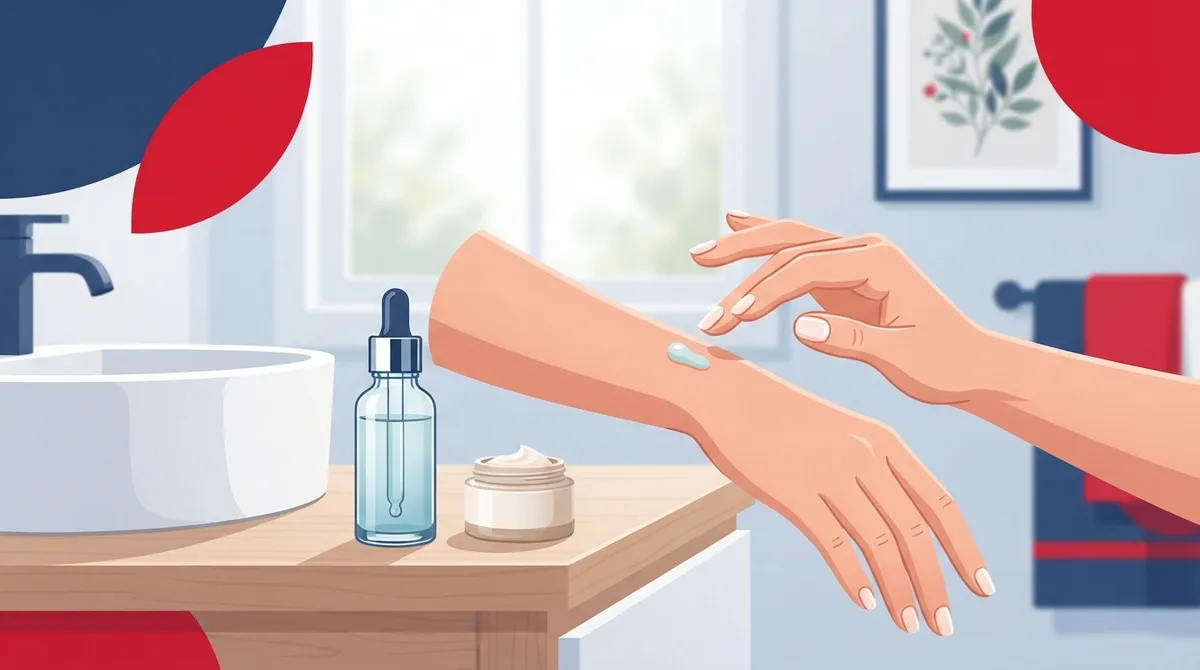
Topical GHK-Cu is the form with the strongest track record in skin and wellness use. It comes as a serum or cream, and the label tells you the concentration and how often to apply it. This makes topical use the easiest and safest entry point for most people curious about copper peptides.
Unlike injectable forms, topical products are widely sold and do not require a prescription. Still, quality varies a lot between brands, so checking ingredient lists and concentration levels matters. A trusted provider can help you choose a product suited to your skin type.
2. Common Topical Concentrations Range From 0.01% to 2%
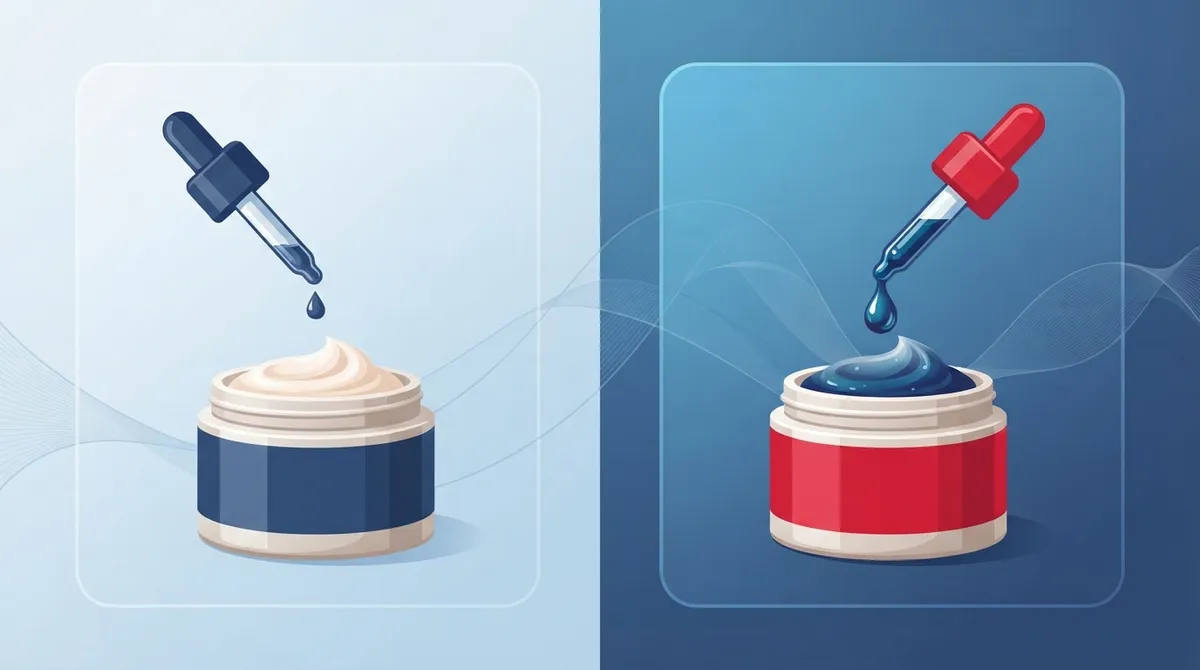
Most cosmetic and wound-care sources cite topical concentrations between 0.01% and 2%. Many products cluster around 0.1% to 1% for everyday skin use. This range appears often in safety reviews and product labels reviewed in 2025 and 2026.
Lower concentrations, closer to 0.1%, are often better for sensitive skin or first-time users. Higher concentrations near 1% or above are sometimes used for more targeted skin repair goals, but they also carry a higher chance of irritation.
3. There Is No FDA-Approved GHK-Cu Product
This is one of the most important facts to understand. No GHK-Cu product currently holds FDA approval for any medical use. This means dosing guidelines come from research summaries and industry practice, not official prescribing information.
Because of this gap, any injectable use should only happen under the direction of a licensed clinician. Self-dosing injectable peptides without medical supervision carries real risks. If you are considering this route, a conversation with a trusted provider is the safer path forward.
4. Injectable Dosing Ranges Cited in Wellness Sources
Published wellness discussions commonly reference subcutaneous doses between 0.5 mg and 4 mg per dose. Many sources point to 1 mg to 2 mg per day as a typical starting range for adults. These numbers come from dosing protocol summaries, not formal clinical guidelines.
Some sources cite a narrower general-health range of 0.5 mg to 1.5 mg, often used daily or every other day. Others mention 1 mg to 3 mg subcutaneous daily as a research-based approach. The variation across sources shows why professional guidance matters here.
Typical Dosing Ranges Reported in Wellness Sources
|
Source Type |
Reported Range |
Frequency |
|---|---|---|
|
General wellness dosing summary |
0.5 mg to 1.5 mg |
Daily or every other day |
|
Research dosing summary |
1 mg to 3 mg |
Daily (subcutaneous) |
|
Protocol summary |
0.5 mg to 4 mg |
Widely referenced adult window |
|
Common starting range |
1 mg to 2 mg |
Per day |
5. Topical Use Does Not Appear to Raise Serum Copper
One reassuring data point comes from a 2026 research review. It reported no detectable change in serum copper levels with topical-only GHK-Cu use. Values in one summary table showed changes below 2 µg/dL, suggesting minimal systemic absorption through the skin.
This finding supports the idea that topical GHK-Cu stays largely local to the skin. It does not mean injectable use carries the same safety profile, since injections bypass the skin barrier entirely.
6. Side Effects Are Usually Mild and Local
The most commonly reported side effects are mild. These include redness, stinging, itching, dryness, or swelling at an injection site. A 2026 safety summary noted that contact dermatitis occurs in fewer than 5% of topical users based on post-market surveillance data.
Here is a quick list of side effects to watch for:
- Redness or flushing at the application site
- Mild stinging or burning sensation
- Itching or dryness of the skin
- Swelling near an injection site (for injectable use)
- Rare allergic reactions in sensitive individuals
If you notice any of these symptoms, stop use and speak with a provider. Most reactions resolve quickly once the product is discontinued.
7. Long-Term Safety Data Has Gaps
Available summaries show no documented long-term toxicities for topical GHK-Cu in published literature. However, formal safety data for systemic use, pregnancy, breastfeeding, and children remains limited or missing entirely.
This is an important gap to understand. Just because no harm has been reported does not mean long-term safety is fully proven. Pregnant or breastfeeding women, and parents considering any peptide for children, should always consult a physician first through services like primary care.
8. How to Choose the Right Topical Concentration
Choosing a concentration depends on your skin goals and sensitivity level. Here is a simple step-by-step approach:
- Start with a lower concentration, around 0.1%, if you are new to copper peptides.
- Apply a small test patch on your inner arm before full facial use.
- Wait 24 to 48 hours to check for redness or irritation.
- If tolerated well, apply the product as directed, typically once or twice daily.
- Increase concentration gradually only if your skin continues to tolerate it.
- Consult a wellness provider if you have sensitive skin or existing conditions.
This gradual approach helps you avoid irritation while still working toward visible skin benefits over time.
9. GHK-Cu and Hair-Related Use
GHK-Cu is also discussed for hair-related cosmetic use, often alongside collagen support claims. Some formulations are marketed specifically for scalp application. The evidence here is less firm than the topical skin data, so expectations should stay realistic.
Patients interested in hair health may want to explore broader options through hair restoration services, which offer evidence-based treatments beyond peptide serums alone.
10. Frequency of Use Matters as Much as Concentration
How often you apply GHK-Cu matters just as much as the strength of the product. Most topical products are designed for once or twice daily use. Overusing a product, even at a low concentration, can still cause irritation over time.
Consider this comparison of common application schedules:
|
Use Case |
Typical Frequency |
Notes |
|---|---|---|
|
Daily skin maintenance |
Once daily |
Best for sensitive or first-time users |
|
Targeted skin repair |
Twice daily |
Follow product label directions closely |
|
Wellness-supervised injectable use |
Daily or every other day |
Only under clinician guidance |
11. Why Clinical Supervision Changes the Equation
Choosing a supervised approach changes everything about GHK-Cu dosing. A clinician can review your health history, current medications, and skin or wellness goals before recommending any protocol. This reduces guesswork and lowers your risk of adverse reactions.
Supervision matters even more for injectable discussions, since dosing ranges cited in wellness sources vary widely. A qualified provider, such as those found at InCare's peptide therapy program, can help you understand what is appropriate for your situation.
12. Steps to Take Before Starting GHK-Cu
Before adding GHK-Cu to your routine, take these steps to protect your health:
- Research the product's concentration and ingredient list carefully.
- Schedule a consultation with a primary care or wellness provider.
- Discuss your skin type, health history, and any current medications.
- Ask about topical versus injectable options and their respective risks.
- Start with the lowest effective dose or concentration.
- Monitor your skin or overall response over several weeks.
This structured approach helps you avoid common mistakes while giving copper peptide products a fair chance to work.
Why Personalized Guidance Makes a Difference
Wellness trends move fast, and copper peptides are no exception. But personalized guidance from a licensed provider remains the safest way to explore any new treatment. InCare combines advanced technology with medical expertise to help patients make informed choices about skin health, weight management, and whole-body wellness.
Patients at both the Tampa and Riverview locations benefit from a team that understands the science behind trending wellness treatments. This includes services like DNA gene testing, body composition analysis, and IV hydration therapy, all designed to support proactive, whole-body health.
For those researching skin and wellness peptides in general, InCare's clinical team also shares educational content on related topics, including a detailed guide on how to use GHK-Cu safely for skin and wellness. This kind of resource helps patients enter conversations with providers already informed.
Following InCare Online for More Wellness Insights
Patients who want ongoing wellness tips can follow InCare's updates on Facebook, browse visual content on Instagram, or catch quick wellness explainers on Tik Tok. These channels regularly cover trending topics like peptide therapy, weight management, and preventive screenings.
Many Tampa and Riverview patients also check reviews before booking a first visit. You can visit us on Google — InCare to read patient experiences and see current ratings before scheduling an appointment.
Making a Confident, Informed Decision
GHK-Cu dosing is not one-size-fits-all. Topical concentrations between 0.1% and 1% remain the most studied and widely used approach for skin goals. Injectable dosing, often cited between 0.5 mg and 4 mg per dose, should always involve a licensed clinician given the lack of FDA approval and limited long-term safety data.
Whether you are exploring copper peptides for skin repair, hair support, or general wellness optimization, working with a knowledgeable provider protects your health and your investment. The team at InCare serves patients throughout Tampa and Riverview with a whole-body approach to wellness, backed by advanced diagnostic tools and personalized care plans.
Ready to talk through your wellness goals with a licensed provider? Reach out to our team today or book your appointment now to start a conversation about safe, personalized peptide and wellness options.
FAQs
Q: How much GHK-Cu should I use topically?
A: Most topical products use concentrations between 0.1% and 1%, applied once or twice daily as directed on the label. Starting with a lower concentration and patch-testing first helps reduce the chance of skin irritation.
Q: What is the typical GHK-Cu dosage for injections?
A: Wellness dosing summaries commonly cite subcutaneous doses of 0.5 mg to 4 mg per dose, with 1 mg to 2 mg per day often referenced as a starting range. Since no GHK-Cu product is FDA-approved, injectable use should only occur under a licensed clinician's supervision.
Q: Is GHK-Cu safe for daily use?
A: Topical GHK-Cu appears well tolerated for daily use based on available research, with contact dermatitis reported in fewer than 5% of users. Long-term safety data for systemic or injectable use remains limited, so professional guidance is recommended.
Q: Does GHK-Cu increase copper levels in the body?
A: A 2026 research review found no detectable change in serum copper with topical-only GHK-Cu use, with reported changes below 2 µg/dL. This suggests minimal systemic absorption when used on the skin as directed.
Q: Can GHK-Cu be used for hair growth?
A: GHK-Cu is discussed in wellness circles for hair-related cosmetic use, often tied to collagen support claims. The evidence for hair growth is less established than its topical skin benefits, so realistic expectations and professional guidance are important.