
Key Takeaways
- KPV lacks any confirmed human efficacy data—no human trials prove it treats Crohn's disease, ulcerative colitis, or intestinal inflammation, and no approved dose exists despite online claims.
- Online KPV products are unregulated research chemicals without safety testing, creating risks of inconsistent purity, unknown side effects, and drug interactions that make self-treatment dangerous.
- Evidence-based alternatives already exist: proper diagnostic workup, anti-inflammatory diet changes, medication review, and regular follow-up with a primary care provider are far more reliable than experimental peptides.
- KPV shows promise only in cell and mouse studies by potentially blocking NF-κB and MAPK inflammatory pathways, but animal models do not reliably predict human outcomes or establish safe dosing.
If you have searched for ways to calm gut inflammation, you may have come across KPV. This tripeptide is getting attention online for its possible role in soothing an irritated digestive tract. But before you consider trying it, you need facts, not hype. This guide breaks down what science actually shows about KPV and intestinal inflammation, and why a proper medical evaluation still matters more than any peptide trend.
At InCare, our primary care team in Tampa and Riverview helps patients sort through wellness trends like KPV with honest, evidence-based guidance. Persistent gut symptoms deserve a real diagnosis, not guesswork. Here are 12 facts you should know before you consider KPV for intestinal inflammation.
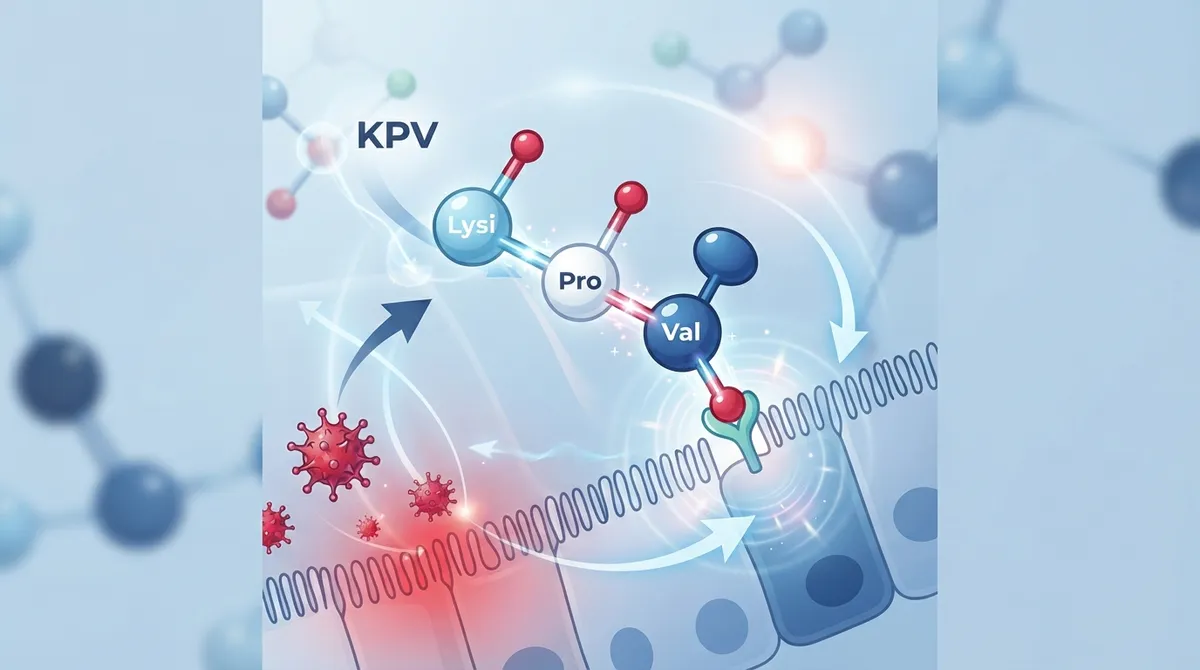
1. KPV Is a Naturally Occurring Tripeptide
KPV stands for lysine-proline-valine, three amino acids linked together. It comes from a small piece of alpha-melanocyte-stimulating hormone, often shortened to α-MSH. This hormone naturally helps regulate inflammation and immune activity throughout the body.
Because it is so small, researchers have studied whether KPV can be given as a standalone treatment. The idea is that it may keep some of the anti-inflammatory power of the larger hormone without other unwanted effects.
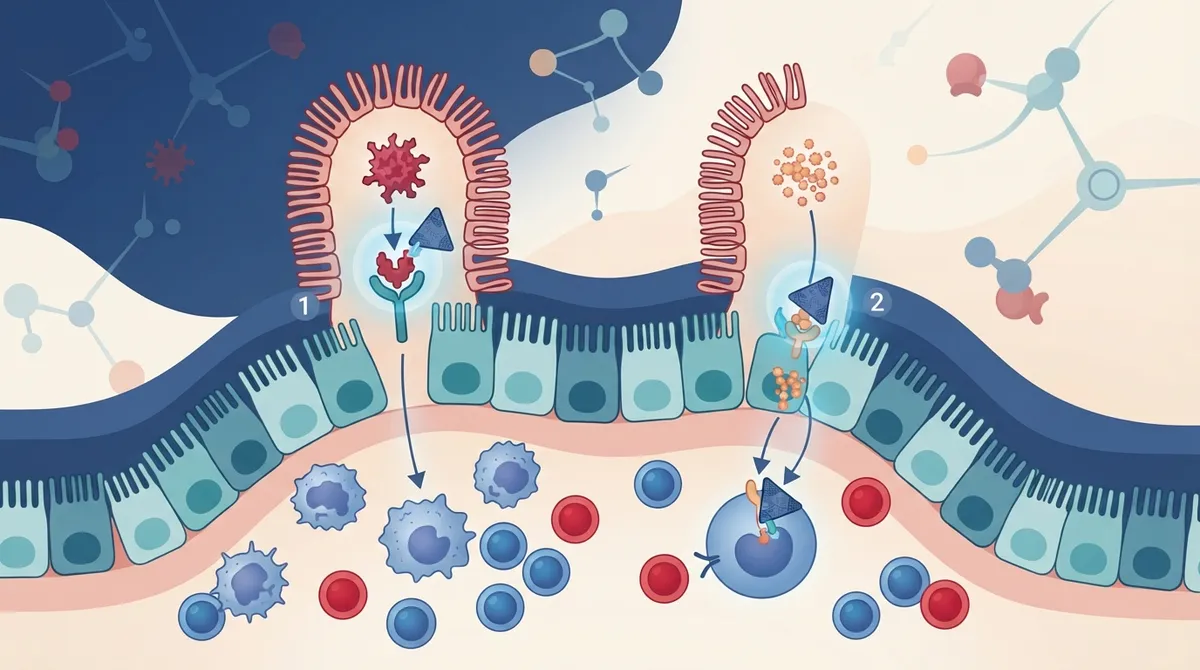
2. It May Work by Blocking Two Key Inflammation Pathways
Cell studies suggest KPV can reduce activity in two important signaling pathways: NF-κB and MAPK. These pathways control how your body produces inflammatory proteins called cytokines, including TNF-α, IL-6, and IL-8.
When these pathways are overactive, your gut lining can become inflamed and damaged. Researchers are curious whether calming this signaling could ease conditions like colitis. Still, this idea comes mostly from lab dishes, not human patients.
3. Your Gut Cells Absorb KPV Through a Specific Transporter
Intestinal cells take up KPV using a transporter called PepT1. This transporter moves small peptides across the cell membrane. Interestingly, PepT1 activity may increase during intestinal inflammation.
This means inflamed areas of the gut could theoretically absorb more KPV than healthy tissue. Researchers see this as a potential advantage, but it has not been proven to translate into a safe or effective human therapy.
4. Animal Studies Show Reduced Colitis Symptoms
Much of the excitement around KPV comes from mouse studies. In these experiments, researchers gave mice oral KPV after inducing colitis with chemicals such as dextran sulfate sodium (DSS) or trinitrobenzene sulfonic acid (TNBS).
The treated mice often showed less tissue damage and lower inflammatory markers. While promising, animal models do not always predict what happens in people. Human intestines and immune systems are far more complex.
5. The Landmark 2008 Study Remains the Core Evidence
A widely cited study published in Gastroenterology in 2008 found that oral KPV reduced the frequency and severity of experimental colitis in mice. Researchers tested it in two colitis models, including a T-cell-transfer model, and measured several inflammation markers.
The results showed lower colonic myeloperoxidase activity, reduced inflammatory infiltration, and better weight recovery in treated mice. This study helped launch interest in KPV as a research compound, but it has not been followed by confirmed human clinical trials.
6. Laboratory Concentrations Were Very Small
In cell-based experiments, KPV showed anti-inflammatory activity at nanomolar concentrations. This means very tiny amounts triggered a measurable effect on inflammatory signaling.
While this sounds impressive, nanomolar activity in a lab dish does not tell us the correct human dose. There is currently no validated dosing schedule, route of administration, or safety profile established for people.
7. Newer Delivery Methods Are Being Explored
A 2017 study looked at hyaluronic-acid-based nanoparticles designed to carry KPV directly to inflamed intestinal tissue. Researchers reported improved anti-inflammatory activity and better mucosal healing in an experimental ulcerative colitis model.
This research is interesting because it suggests scientists are trying to solve the absorption and delivery problems that plain KPV faces. However, this was not tested in humans and remains an early-stage concept.
8. No Human Efficacy Data Currently Exists
This is one of the most important facts to understand. There is no reliable human trial confirming that KPV treats Crohn's disease, ulcerative colitis, or general intestinal inflammation. No approved dose exists. No confirmed remission rate exists either.
Some online sources have claimed a 2024 Phase II human trial for KPV in Crohn's disease. These claims should be treated with caution, since the available research does not support this. A related compound, K(D)PT, is sometimes confused with KPV, but it should not be used as evidence for KPV itself.
Common Questions Patients Ask
Many patients want to know if oral KPV needs a special coating to survive digestion, or whether it can be combined with prescribed IBD medications like biologics or steroids. Right now, there is not enough human safety data to answer these questions with confidence. This is exactly the type of question worth discussing at your next visit through primary care services rather than guessing based on internet forums.
9. KPV Products Sold Online Are Not Approved Treatments
You may find KPV marketed as a peptide for gut health on wellness websites. These products are often labeled as research chemicals, not medications. This label matters because it means the product has not gone through safety testing required for approved drugs.
Buying and using an unregulated peptide can carry real risks, including inconsistent purity, unknown side effects, and drug interactions. If you are dealing with digestive symptoms, self-treating with an unapproved compound is not a safe substitute for medical care.
10. Warning Signs That Need Medical Evaluation
Certain gut symptoms should never be managed with unproven supplements alone. Instead, they call for prompt evaluation by a licensed provider.
- Persistent diarrhea lasting more than a few days
- Rectal bleeding or blood in your stool
- Unexplained weight loss
- Fever paired with abdominal pain
- Severe or worsening abdominal cramping
- Suspected inflammatory bowel disease based on family history or symptoms
If you notice any of these signs, scheduling a visit is the safest next step. Our urgent care team can help with sudden flare-ups, while ongoing gut issues are best managed through a consistent primary care relationship.
11. Evidence-Based Options Already Exist for Gut Inflammation
While KPV remains experimental, there are proven paths for managing intestinal inflammation today. A qualified provider can order lab work, imaging, or referrals to confirm a diagnosis and start real treatment.
- Get a proper diagnostic workup, including bloodwork and stool studies
- Discuss anti-inflammatory diet changes with your care team
- Review current medications for gut-related side effects
- Ask about DNA gene testing if you have a family history of digestive disease
- Consider whether IV hydration and vitamin drips may support recovery during a flare
- Follow up regularly to track symptom progress
Comprehensive testing and steady follow-up remain the strongest tools we have, far more reliable than an unregulated peptide.
12. A Trusted Primary Care Team Makes the Difference
Sorting fact from marketing hype takes time and expertise. At InCare, our providers in Tampa and Riverview combine modern diagnostic tools with straightforward, honest advice. We never present unproven compounds as guaranteed fixes.
Whether you are managing ongoing digestive symptoms or simply want a second opinion on a wellness trend, our team is here to help you make informed decisions. You can also see what patients say about their visits when you visit us on Google — InCare and read real reviews from people in our community.
Interested in learning more about gut health, peptide research, or general wellness strategies? Follow us on Facebook, check out tips on Instagram, and catch quick health facts on Tik Tok. You can also read more general background on tripeptide research through resources like the National Institutes of Health.
Gut symptoms deserve real answers, not guesswork from unregulated products. If you are dealing with digestive discomfort or want a thorough evaluation, reach out to our team today or book your appointment now to get started on a plan built around real evidence and your specific health needs.
FAQs
Q: What is KPV peptide and how might it affect intestinal inflammation?
A: KPV is a tripeptide derived from alpha-melanocyte-stimulating hormone. Preclinical research suggests it may reduce inflammatory signaling in the gut by blocking NF-κB and MAPK pathways, though this evidence comes from cell and animal studies, not human trials.
Q: Does KPV treat Crohn's disease or ulcerative colitis in humans?
A: No confirmed human evidence supports KPV as a treatment for Crohn's disease or ulcerative colitis. Current findings come from mouse models of colitis, and no validated human dose or efficacy data currently exists.
Q: Has KPV been tested in human clinical trials?
A: Available research summaries do not confirm a completed human clinical trial for KPV in inflammatory bowel disease. Claims of a 2024 Phase II trial should be treated cautiously, as they are not substantiated by verified sources.
Q: What are the potential risks of using KPV peptide products sold online?
A: KPV products marketed online are often unregulated research chemicals rather than approved medications. This means purity, dosing accuracy, and safety are not guaranteed, making self-treatment risky for anyone with digestive symptoms.
Q: What evidence-based treatments are available for intestinal inflammation?
A: A licensed provider can order proper diagnostic testing, recommend dietary changes, review medications, and coordinate ongoing monitoring. These proven approaches remain far more reliable than unapproved peptides like KPV.