
Key Takeaways
- KPV lacks completed human clinical trials and FDA approval for any condition, making it an unproven therapy despite preclinical research suggesting potential anti-inflammatory effects.
- Most KPV research comes from mouse colitis models, not human studies, so animal results cannot reliably predict safety or effectiveness in people with inflammatory or autoimmune conditions.
- The term 'immune tolerance' is misleading in KPV marketing; current evidence only hints at reduced inflammatory responses in lab settings, not restoration of immune tolerance in humans.
- KPV has no established human dosing range, validated pharmacokinetic data, or reliable side effect statistics, making it impossible to predict how your body might respond or if it interacts with medications.
- KPV may interact with gut inflammation pathways like PepT1, but this theoretical mechanism does not confirm it works safely in people with conditions like Crohn's disease or IBS.
- Before considering KPV from a wellness clinic, consult your primary care provider about proven anti-inflammatory treatments with established safety profiles and clinical evidence.
Peptide therapy has become a hot topic in wellness circles across Tampa and Riverview, and one compound generating buzz is KPV. Marketing claims often describe KPV as a way to build "immune tolerance" or calm an overactive immune system. But what does the science actually say? Before you consider any peptide for inflammation or immune support, it helps to understand what has been proven and what remains theoretical. This guide breaks down 12 essential facts about KPV and immune tolerance so you can make informed decisions with your primary care provider.
At InCare, our approach to wellness always starts with evidence. We believe patients deserve clear, honest information rather than hype, especially when it comes to experimental compounds that have not completed human clinical trials. Let's walk through what the research shows about this tripeptide and why caution matters.
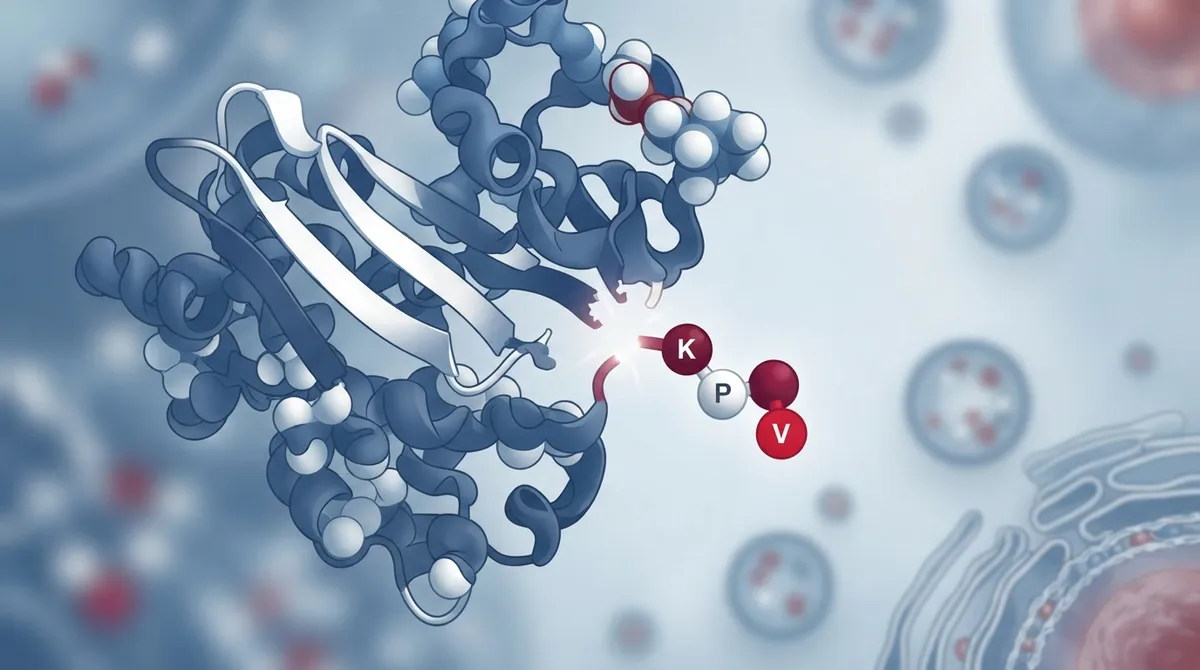
1. KPV Is a Tiny Fragment of a Natural Hormone
KPV stands for Lys-Pro-Val, three amino acids: lysine, proline, and valine. It comes from the tail end of alpha-melanocyte-stimulating hormone, often called α-MSH. This parent hormone already plays a role in skin pigmentation and inflammation control, so researchers became curious about whether just this small piece could offer similar benefits on its own.
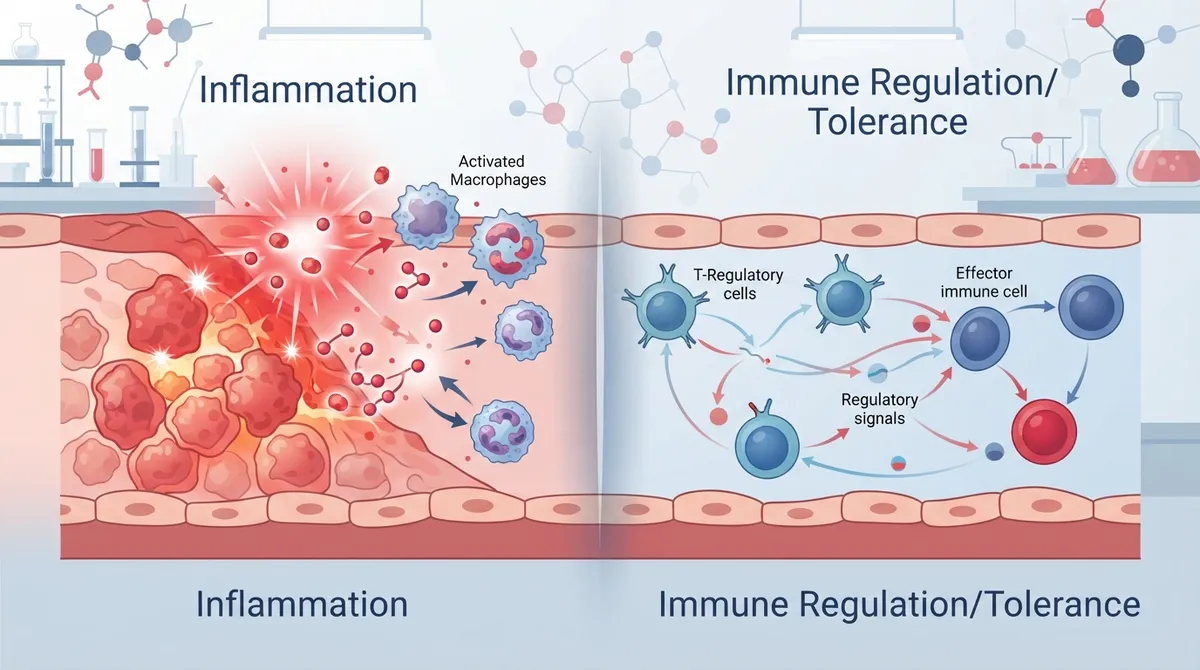
2. Its Main Research Focus Is Inflammation, Not Suppression
Despite talk of "immune tolerance," most laboratory studies actually focus on KPV's potential to reduce inflammatory signaling. This is different from suppressing your immune system entirely. Early research suggests KPV may interact with pathways like NF-κB and MAP kinases, which help control how much inflammation your body produces in response to triggers.
3. Cytokine Effects Look Promising in Lab Settings
Some mechanistic reviews report that α-MSH-related compounds, including KPV, may lower pro-inflammatory cytokines such as TNF-α, IL-1, IL-6, and IL-8. At the same time, these studies suggest a possible increase in IL-10, a cytokine known for calming inflammation. This data comes from cell and animal research published as recently as 2021, not from large-scale human trials.
4. KPV May Interact With a Gut Transporter Called PepT1
One interesting angle in KPV research involves PepT1, a transporter found in the lining of your intestines. This transporter tends to increase when the gut is inflamed. Scientists have studied whether KPV can use this pathway to reach inflamed tissue more effectively, which is part of why some researchers have looked at KPV in models of bowel disease.
Why This Matters for Digestive Health
If you have ever struggled with gut inflammation, you know how disruptive it can be to daily life. Understanding pathways like PepT1 helps explain why researchers are curious about peptides like KPV, though it does not confirm they work safely in people. If you are dealing with ongoing digestive symptoms, a conversation with your primary care provider is a safer first step than trying unproven peptides on your own.
5. Most Evidence Comes From Mouse Colitis Models
The strongest data on KPV comes from animal studies, particularly two commonly cited models: dextran sulfate sodium (DSS) and trinitrobenzene sulfonic acid (TNBS) induced colitis in mice. These studies reported less inflammatory cell buildup, reduced tissue damage, and lower pro-inflammatory markers after KPV was given. That said, mouse results do not automatically translate to human outcomes.
6. "Immune Tolerance" Is a Term That Needs Careful Use
The phrase immune tolerance usually describes your body's ability to recognize its own tissues and avoid attacking them, which is central to managing autoimmune conditions. Current KPV research does not prove that the peptide creates this kind of tolerance in humans. At best, the data hints at reduced excessive inflammatory response in specific lab models, which is a much narrower claim.
7. No Completed Human Clinical Trials Exist for KPV Itself
This is one of the most important facts to understand. As of now, there are no completed, peer-reviewed randomized clinical trials proving KPV works safely or effectively in people. Some marketing materials reference research on a related compound called K(D)PT, but that is a different molecule and should not be confused with KPV. Human-cell experiments and animal trials are not the same as clinical evidence in real patients.
Common Conditions People Ask About
Many patients wonder if KPV could help with specific conditions. Here is a quick breakdown of what current evidence actually supports:
- Crohn's disease and ulcerative colitis: Only animal model data exists; no confirmed human benefit
- IBS: No direct clinical research available
- General gut inflammation: Preclinical signals only, not proven in people
- Autoimmune disease: No evidence of restoring immune tolerance in humans
- Skin conditions: Theoretical based on α-MSH's known effects, not directly tested with KPV in trials
8. KPV Is Not FDA-Approved for Any Medical Condition
KPV does not have approval from the FDA to treat inflammatory bowel disease, autoimmune disorders, skin conditions, or anything else. This means it cannot be legally marketed as a treatment for these conditions, and any clinic making such promises should raise a red flag. Regulatory status matters because it reflects whether a product has passed rigorous safety and efficacy testing.
9. Dosing and Safety Data Remain Incomplete
There is no established human dosing range for KPV, no validated pharmacokinetic data, and no reliable statistics on side effects. This absence of information is a serious consideration if you are thinking about trying KPV through a wellness clinic. Without solid safety data, it is hard to know how your body might respond, especially if you take other medications or have existing health conditions.
|
Category |
What Is Known |
What Remains Unknown |
|---|---|---|
|
Mechanism |
May reduce inflammatory signaling via NF-κB pathway |
Exact human dose-response relationship |
|
Animal Studies |
Reduced colitis markers in mouse models |
Whether results apply to human gut disease |
|
Human Trials |
None completed and peer-reviewed for KPV itself |
Efficacy, safety, and long-term outcomes in people |
|
Regulatory Status |
Not FDA-approved for any condition |
Future approval timeline, if any |
|
Safety Profile |
No established dosing guidelines |
Drug interactions, reproductive safety, infection risk |
10. Potential Interactions With Immune Function Deserve Scrutiny
If a compound can influence inflammatory pathways, it could theoretically affect how your immune system responds to infections or vaccines. Because KPV lacks long-term human safety studies, its effect on infection risk and immune defense is simply not well understood. This is especially important for people with weakened immune systems or those managing autoimmune disease, who should be cautious about unproven peptide therapies.
Questions to Ask Before Trying Any Peptide
- Has this compound completed human clinical trials?
- Is it FDA-approved for the condition I want to address?
- What are the known side effects and interactions?
- Is the source or clinic transparent about limitations in the research?
- Would a proven, evidence-based treatment serve me better right now?
11. Comparing KPV to Established Anti-Inflammatory Treatments
Corticosteroids and biologic drugs used for autoimmune and inflammatory bowel conditions have gone through extensive human trials. These treatments carry known risks and benefits that your doctor can explain clearly. KPV simply has not reached that level of scrutiny yet. If you are managing a diagnosed condition, working with your provider on how primary doctors help manage chronic illnesses gives you access to therapies with a track record, rather than relying on a peptide still confined to lab research.
12. Whole-Body Wellness Starts With Evidence-Based Care
At InCare, we understand why patients are drawn to cutting-edge wellness options. Innovation matters, and so does safety. Our team stays current on peptide research, including KPV vs. Traditional Anti-Inflammatories: Which Wins?, so we can guide you honestly rather than overpromise results. We combine advanced diagnostics like DNA gene testing and body composition analysis with proven medical strategies to support your immune health the right way.
If you are curious about inflammation management, gut health, or general wellness optimization, our providers can walk you through options that fit your specific needs. We also offer IV hydration and vitamin drips for patients looking to support their immune system through nutrient-based therapy backed by more established research.
What This Means for Your Health Decisions
KPV remains an interesting but unproven compound. The available research is limited to lab dishes and animal models, not confirmed human outcomes. If you are dealing with chronic inflammation, gut issues, or autoimmune concerns, the safest path forward is a conversation with a licensed primary care provider who can review your full health history and recommend treatments backed by solid clinical evidence.
Our clinics in Tampa and Riverview focus on whole-body care that blends technology with real medical expertise. Whether you need help managing a chronic condition, want a wellness visit to establish baseline health data, or are exploring peptide therapy options in Tampa, our team can help you separate hype from science. You can also follow our updates and patient education content on Facebook, Instagram, and TikTok for more wellness insights grounded in real medical research.
Many patients also like to check out honest reviews before choosing a provider. You can read what our community has to say when you visit us on Google — InCare to see firsthand experiences from patients in Tampa and Riverview.
Take the Next Step Toward Evidence-Based Wellness
Understanding KPV and immune tolerance means separating marketing claims from actual science. While the research is promising in lab settings, it is far from ready for confident clinical use. Instead of guessing with unproven peptides, work with a team that prioritizes your safety and long-term health. Ready to talk through your options? Reach out to our team today or schedule your visit now to start building a wellness plan grounded in real evidence.
FAQs
Q: What is KPV and how might it affect the immune system?
A: KPV is a tripeptide made of lysine, proline, and valine, derived from alpha-melanocyte-stimulating hormone. Preclinical research suggests it may reduce inflammatory signaling, but this is not the same as proven immune system regulation in humans.
Q: Does KPV actually create immune tolerance or only reduce inflammation?
A: Current evidence only supports possible reduction of excessive inflammatory responses in lab and animal models. It does not establish that KPV creates true immune tolerance or treats autoimmune disease in people.
Q: Is KPV supported by human clinical trials?
A: No completed, peer-reviewed randomized clinical trials have confirmed KPV's safety or effectiveness in humans. Research on related compounds like K(D)PT should not be mistaken for evidence about KPV itself.
Q: Is KPV safe for people with autoimmune disease or weakened immune systems?
A: There is not enough safety data to confirm whether KPV is safe for these populations. Patients with autoimmune conditions should consult their primary care provider before considering any unproven peptide therapy.
Q: Is KPV FDA-approved, and can it legally be prescribed or compounded?
A: KPV is not FDA-approved for treating any medical condition. Its regulatory status remains unclear, and patients should be cautious of clinics marketing it as a proven treatment.