Key Takeaways
- Irregular periods, low testosterone, and fertility issues often signal kisspeptin pathway dysfunction; stress, poor nutrition, and extreme weight changes can disrupt this system, making early clinical evaluation critical.
- Kisspeptin testing is not routine in primary care—doctors instead measure LH, FSH, estradiol, testosterone, and prolactin to assess reproductive health indirectly since direct kisspeptin measurement remains primarily a research tool.
- Kisspeptin-based therapies are still experimental with small trial sizes and no confirmed results; marketed kisspeptin injections for fertility are unregulated, so stick with proven guideline-based treatments from licensed providers.
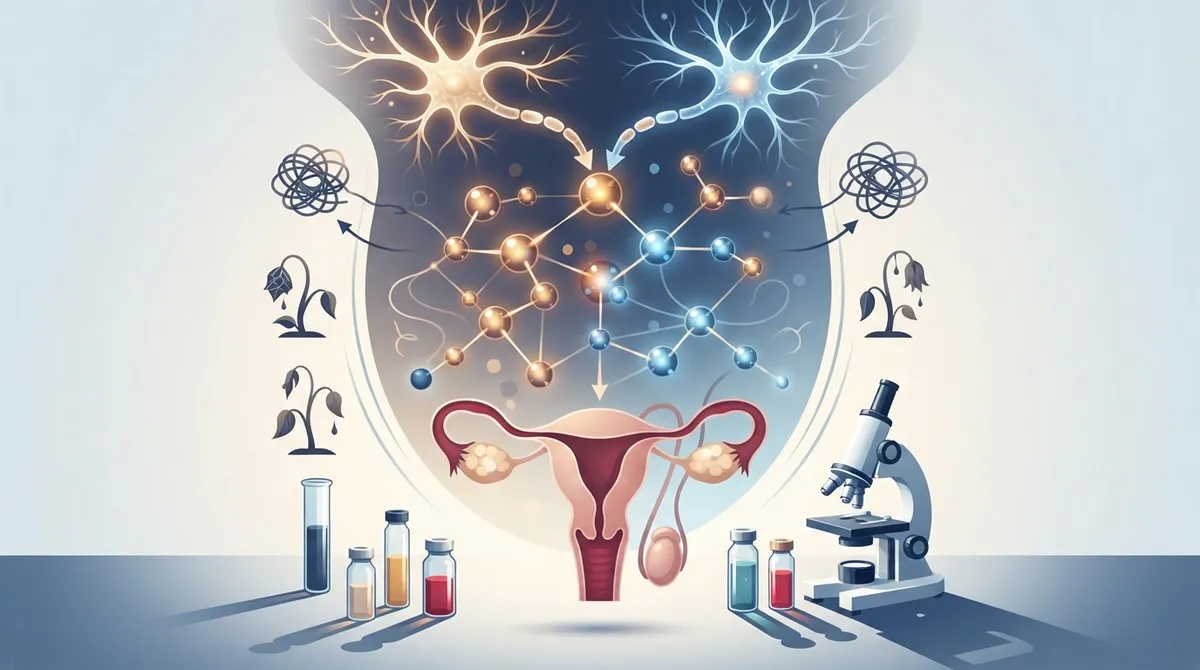
- The kisspeptin pathway controls puberty, menstrual cycles, metabolism, bone health, and stress responses through a chain reaction: kisspeptin binds to KISS1R, triggering GnRH release and subsequent LH/FSH hormone production.
- Delayed puberty, persistent low energy, reduced libido, and unexplained fertility problems warrant professional evaluation; baseline wellness visits establish health reference points and catch hormone issues before they worsen.
- Both severe under-eating and obesity disrupt kisspeptin signaling as survival responses; work with providers on safe nutrition and weight management to restore hormone balance rather than pursuing extreme dieting or excessive exercise.
The kisspeptin signaling pathway plays a big role in fertility, puberty, and hormone health. But most people never hear about it until something feels off. Maybe your periods are irregular. Maybe your testosterone is low. Maybe fertility isn't coming easily. Understanding this pathway can help you ask better questions at your next checkup.
At InCare, our primary care team in Tampa and Riverview sees patients every week with hormone concerns tied to this exact system. This guide breaks down 11 common mistakes people make when trying to understand or manage kisspeptin-related health issues. We will keep things simple, so you leave with real answers, not more confusion.
What Is the Kisspeptin Signaling Pathway?
Kisspeptin is a hormone made in your brain. It comes from a gene called KISS1. This hormone talks to special brain cells that control reproduction. Scientists call this connection the kisspeptin signaling pathway.
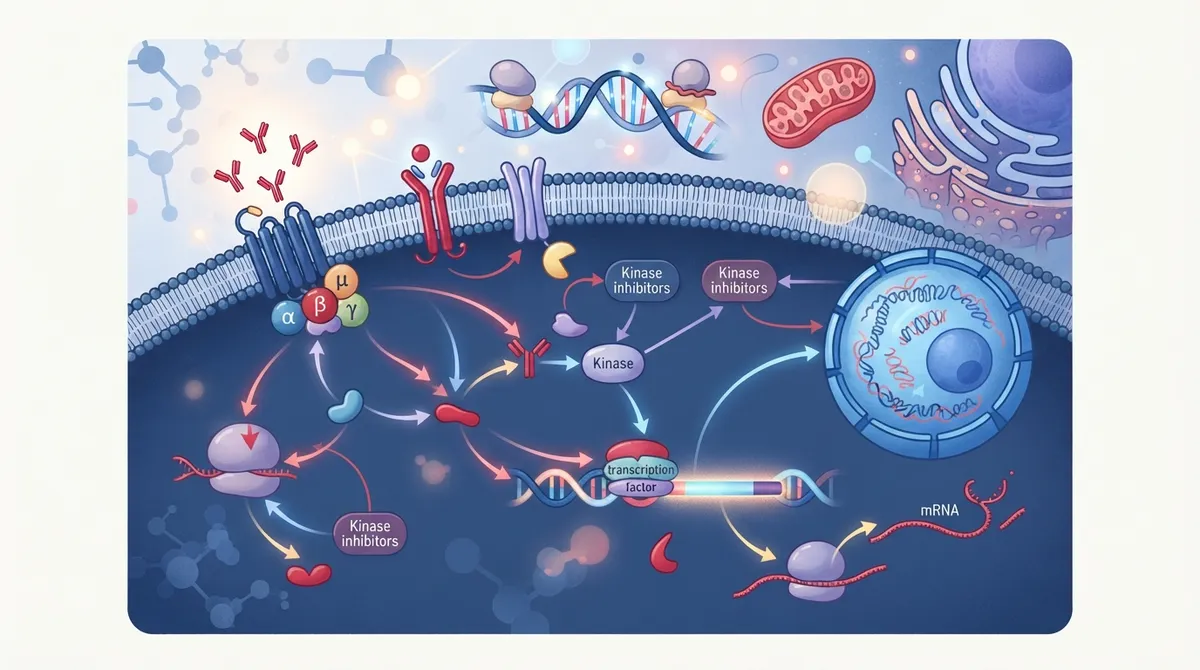
Here is the simple version. Kisspeptin binds to a receptor called KISS1R. This sits on nerve cells that release GnRH, another hormone. GnRH then tells your pituitary gland to release LH and FSH. Those two hormones control your ovaries or testes. This chain reaction controls periods, sperm production, and sex hormone levels.
Why This Pathway Matters for Everyday Health
This system does more than control reproduction. It also connects to your metabolism, stress levels, and body weight. A 2025 review in Physiological Reviews confirmed that kisspeptin affects puberty, menstrual cycles, pregnancy, menopause, and even bone health. That is a lot of influence from one small hormone.
Mistake 1: Ignoring Irregular Periods as "Normal"
Many women brush off irregular cycles. But this can be a sign that the kisspeptin pathway is not working correctly. Stress, poor nutrition, or too much exercise can disrupt this system. This often leads to missed periods or reduced fertility.
If your cycles have changed, do not wait it out. A wellness visit can help identify the root cause early.
Mistake 2: Assuming Kisspeptin Testing Is Routine
Kisspeptin is not a standard blood test at your doctor's office. It remains mostly a research tool right now. A 2024 review found that most kisspeptin studies focus on reproduction, not everyday screening. Do not expect your clinic to order a "kisspeptin level" test like they would for cholesterol.
What Doctors Actually Test Instead
Primary care providers rely on other markers to check reproductive health:
- LH and FSH levels
- Estradiol or testosterone
- Prolactin levels
- Thyroid function tests
- Pregnancy testing when relevant
These tests give a clearer picture than trying to measure kisspeptin directly.
Mistake 3: Confusing Puberty Delays With Normal Variation
Kisspeptin neurons help trigger the start of puberty. If the KISS1 gene or its receptor does not work right, puberty can be delayed or blocked. This is called hypogonadotropic hypogonadism. It is rare, but it is real.
If your child shows no signs of puberty by the expected age, do not assume it will just happen later. Talk to a provider. Our team offers pediatric family medicine guidance to help families know what is typical and what needs attention.
Mistake 4: Overlooking the Nutrition-Hormone Connection
Severe dieting, excessive exercise, or being significantly underweight can shut down this pathway. Your body senses low energy and tells the brain to stop reproductive signals. This is a survival response, not a flaw.
The opposite is also true. Significant obesity can disrupt kisspeptin signaling too. Both extremes throw off the balance needed for healthy hormone function.
Common Triggers That Disrupt the Pathway
- Chronic under-eating or restrictive dieting
- Excessive endurance training without enough fuel
- Significant weight gain or obesity
- Chronic illness or long-term inflammation
- High psychological stress over time
If any of these apply to you, a conversation with a weight loss specialist may help restore better hormone balance safely.
Mistake 5: Believing Kisspeptin Therapy Is Already Available
Some online sources make it sound like kisspeptin injections are a proven fertility fix. This is misleading. Most kisspeptin-based treatments remain experimental.
A 2024 clinical trial review listed several small studies using a compound called Kp-10 for conditions like hypothalamic amenorrhea and Kallmann syndrome. Many of these trials had fewer than 50 participants, and most had no confirmed results yet. One prolonged pulsatile kisspeptin study only enrolled about 24 people.
What This Means for You
Do not seek out unapproved kisspeptin products marketed as fertility boosters. These are not regulated treatments. Stick with proven, guideline-based fertility and hormone care from a licensed provider.
Mistake 6: Not Recognizing the KNDy Neuron Connection
Kisspeptin does not work alone. It teams up with two other signals called neurokinin B and dynorphin. Together, they form what scientists call KNDy neurons.
Neurokinin B tends to activate the system. Dynorphin slows it down. Kisspeptin delivers the final signal to GnRH neurons. This balance keeps your reproductive hormones steady over time.
|
Signal |
Role in the Pathway |
General Effect |
|---|---|---|
|
Kisspeptin |
Main stimulator of GnRH neurons |
Triggers hormone release |
|
Neurokinin B |
Supports KNDy neuron activity |
Generally stimulatory |
|
Dynorphin |
Provides feedback control |
Generally inhibitory |
Mistake 7: Ignoring Low Testosterone Symptoms in Men
This pathway is not just a women's health topic. Men rely on it too. Kisspeptin signaling drives the release of LH, which then triggers testosterone production in the testes.
Some research shows that kisspeptin-10 can raise LH and testosterone in men with type 2 diabetes and mild hypogonadism. This is early evidence, not a routine treatment yet. But it shows how closely metabolic health and this pathway are linked.
Signs Worth Discussing With a Provider
- Persistent low energy or fatigue
- Reduced libido
- Unexplained mood changes
- Difficulty building muscle despite exercise
- Trouble conceiving
Our providers, including Dr. Pramjeet Ahluwalia, regularly evaluate hormone-related symptoms as part of comprehensive primary care.
Mistake 8: Skipping a Baseline Wellness Visit
Many people wait until symptoms get severe before seeing a doctor. But hormone shifts often build slowly. A baseline check-up gives you a reference point for future changes.
Preventive Health Women without an established primary care doctor especially benefit from this. A full annual physical exam can catch reproductive or metabolic issues before they become bigger problems.
Mistake 9: Overlooking Local Tissue Effects
Most people think of kisspeptin as only a brain hormone. But research also shows local kisspeptin activity in the ovaries, testes, uterus, and placenta. This suggests roles in ovulation, sperm development, and even pregnancy support.
These tissue-level effects remain under study. They are not yet part of standard treatment plans. Still, they show how complex and far-reaching this signaling pathway really is.
Mistake 10: Assuming DNA Testing Cannot Help
Genetic mutations in KISS1 or KISS1R can cause reproductive problems. While this is rare, understanding your genetic background can offer useful context.
DNA gene testing at InCare gives patients insight into personal health risks, including some hormone-related patterns. This is not a diagnostic tool for kisspeptin disorders specifically, but it adds another layer to your overall health picture.
Mistake 11: Trying to Manage Hormone Symptoms Alone
Searching online for answers about fertility or hormone symptoms can lead to more confusion than clarity. Symptoms tied to this pathway overlap with thyroid issues, PCOS, stress, and other conditions.
A trained provider can sort through these possibilities using proper testing. Trying to self-diagnose based on internet forums often delays real answers.
Steps to Take Instead
- Track your symptoms and cycle changes for a few months
- Schedule a visit with a primary care provider
- Ask about relevant hormone panels
- Discuss lifestyle factors like sleep, stress, and diet
- Follow up on any abnormal results with targeted testing
How InCare Approaches Hormone and Fertility Concerns
InCare combines advanced technology with real medical expertise. Our team, including Dr. Naveen Paddu and Dr. Teshy John, looks at the whole picture. That means checking hormones, metabolism, and lifestyle factors together instead of one symptom at a time.
We also offer body composition analysis and metabolic breath analysis to understand how your metabolism connects to hormone health. These tools give a clearer picture than a single blood test alone.
A Comparison of Common Approaches
|
Approach |
What It Involves |
Best For |
|---|---|---|
|
Standard hormone panel |
LH, FSH, testosterone, estradiol testing |
General fertility and hormone concerns |
|
Metabolic breath analysis |
Measures metabolism and energy use |
Weight and metabolic health concerns |
|
DNA gene testing |
Reviews genetic health predispositions |
Long-term prevention planning |
|
Experimental kisspeptin therapy |
Research-stage peptide treatment |
Not yet available in routine care |
Why Local, Personalized Care Matters
Hormone health is not one-size-fits-all. Your history, lifestyle, and goals all matter. Patients across Tampa and Riverview trust InCare because we take time to explain results in plain language. You can visit us on Google — InCare to see what our patients say about their experience.
We also stay active on Facebook and Instagram, sharing wellness tips and updates from our clinics. You can even find quick health insights on Tik Tok if you prefer short, easy content.
Bringing It All Together
The kisspeptin signaling pathway controls far more than most people realize. It shapes puberty, fertility, menstrual cycles, and testosterone levels. While kisspeptin testing and therapy remain mostly experimental, understanding this pathway helps you make sense of real symptoms.
Avoiding these 11 mistakes gives you a stronger starting point. Instead of guessing, you can work with a provider who checks the right markers and builds a plan around your actual results.
If you have noticed changes in your cycle, energy, or fertility, do not wait for things to get worse. Reach out to our team today or book your appointment now to start getting real answers about your hormone health.
FAQs
Q: What is the kisspeptin signaling pathway in simple terms?
A: It is a brain hormone system that controls reproduction. Kisspeptin activates GnRH neurons, which then trigger LH and FSH release. These hormones control your ovaries or testes, affecting periods, sperm production, and sex hormone levels.
Q: Can kisspeptin levels affect menstrual cycles?
A: Yes. Disruptions in this pathway can lead to irregular or missed periods. Stress, poor nutrition, excessive exercise, and obesity can all interfere with normal kisspeptin signaling and menstrual regularity.
Q: Is kisspeptin therapy available for infertility or low testosterone?
A: Not as a standard treatment yet. Kisspeptin-based therapies remain in early clinical trials, often with small participant groups. Current fertility and hormone treatments rely on established, guideline-based care instead.
Q: Should primary care patients be tested for kisspeptin abnormalities?
A: Routine kisspeptin testing is not standard practice. Providers typically evaluate reproductive concerns using LH, FSH, estradiol, testosterone, and other established lab work rather than direct kisspeptin measurement.
Q: How do neurokinin B and dynorphin interact with kisspeptin neurons?
A: These three signals form KNDy neurons. Neurokinin B generally stimulates activity, dynorphin provides inhibitory feedback, and kisspeptin delivers the main stimulatory signal to GnRH neurons that controls reproductive hormone release.