Key Takeaways
- Kisspeptin binds to KISS1R receptors on GnRH neurons, triggering calcium release and electrical activation that ultimately causes the pituitary gland to release LH and FSH, the key hormones driving reproductive function.
- KNDy neurons regulate kisspeptin through a coordinated three-part system: neurokinin B acts as an accelerator, dynorphin acts as a brake, and together they create the rhythmic pulsing pattern essential for proper hormone signaling.
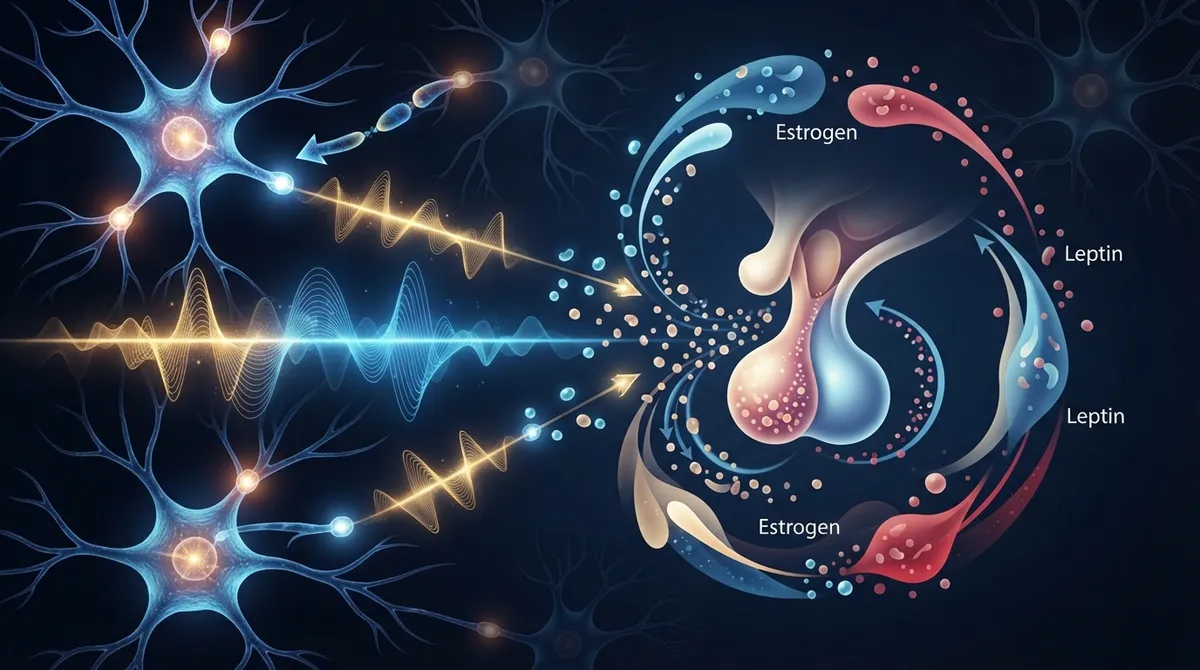
- Sex hormones like estrogen create feedback loops that either suppress or amplify kisspeptin activity depending on the menstrual cycle stage, explaining how hormonal balance controls ovulation and reproductive events.
- Kisspeptin connects your energy stores to fertility through leptin signaling, meaning severe calorie restriction, obesity, excessive exercise, and chronic stress can all disrupt reproductive hormone function by interfering with kisspeptin-GnRH activity.
- Current kisspeptin treatments remain experimental and not FDA-approved for routine use; patients should prioritize standard hormone testing and evaluation before considering unregulated peptide products marketed for fertility, weight loss, or anti-aging.
- Genetic mutations in KISS1 or KISS1R genes cause hypogonadotropic hypogonadism with delayed or absent puberty, demonstrating that this single receptor controls roughly 50-75% of GnRH neurons and is central to normal reproductive development.
Kisspeptin has become one of the most talked-about topics in hormone health and fertility research. Patients searching online often land on confusing terms like GnRH, KISS1R, and gonadotropins without a clear explanation of what they actually mean. If you are trying to understand your reproductive hormones, your fertility results, or why your doctor mentioned this peptide during a consultation, you deserve a clear and accurate breakdown.
This guide explains the kisspeptin mechanism of action in plain language, backed by current endocrine research. We will cover how this neuropeptide talks to your brain, why it matters for puberty and fertility, and where the science still has open questions. At InCare, our providers in Tampa and Riverview help patients make sense of complex hormone topics like this one as part of comprehensive primary care.
What Is Kisspeptin and Where Does It Come From
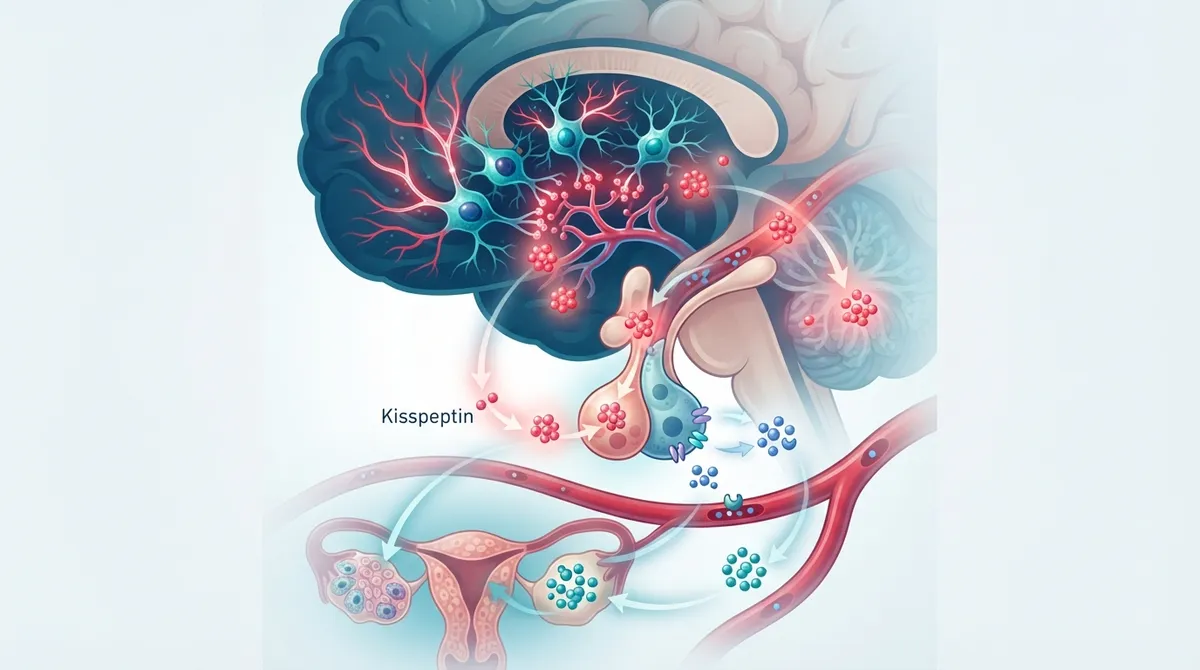
Kisspeptin is a small protein made in the brain. It comes from a gene called KISS1, found mostly in a brain region called the hypothalamus. This gene makes a larger protein that gets cut into smaller, active pieces. These pieces are what we call kisspeptin.
Once released, kisspeptin acts like a chemical messenger. It travels short distances in the brain to reach special nerve cells called GnRH neurons. These neurons control much of your reproductive system. Think of kisspeptin as a key that unlocks a very important door in your hormone system.
How the Kisspeptin Mechanism of Action Works Step by Step
Understanding the biology helps explain why this peptide gets so much attention in fertility and hormone research. Here is the process broken into simple steps:
- Kisspeptin is released from neurons in the hypothalamus, mainly in two areas: the arcuate nucleus and the anteroventral periventricular region.
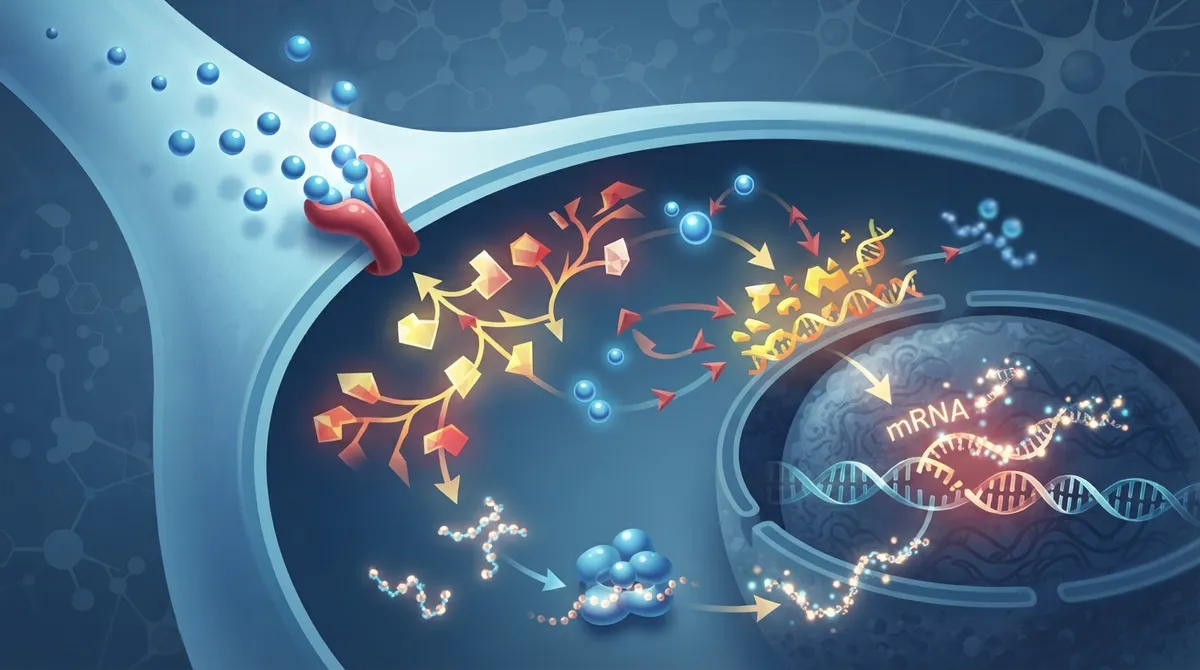
- It binds to a receptor called KISS1R, also known as GPR54. This receptor sits on the surface of GnRH neurons.
- The binding activates a signaling pathway inside the cell, involving an enzyme called phospholipase C.
- This triggers calcium release inside the neuron, along with activation of protein kinase C.
- The GnRH neuron becomes excited, meaning it fires an electrical signal.
- GnRH is released into a small blood vessel system connecting the brain to the pituitary gland.
- The pituitary gland responds by releasing two hormones: luteinizing hormone (LH) and follicle-stimulating hormone (FSH).
- LH and FSH travel through the blood to the ovaries or testes.
- These hormones drive reproductive function, including ovulation, sperm production, and sex hormone output.
This chain reaction explains why researchers call kisspeptin one of the most powerful known triggers of GnRH activity. According to major endocrine reviews, kisspeptin is considered one of the most potent physiological stimulators of GnRH neurons ever identified. This is a scientific observation about how strong the signal is, not a recommendation for self-treatment or dosing.
Why the KISS1R Receptor Matters So Much
The KISS1R receptor, sometimes called GPR54, is the reason kisspeptin can do its job. Roughly 50% to 75% of GnRH neurons carry this receptor on their surface, based on endocrine physiology references. That is a large share of the cells responsible for kickstarting your reproductive hormone cascade.
When something goes wrong with this receptor, the entire system can be affected. People born with loss-of-function changes in the KISS1R gene, or in the KISS1 gene itself, often experience delayed or absent puberty. This condition is known as hypogonadotropic hypogonadism. It shows just how central this single receptor is to normal reproductive development.
The Role of KNDy Neurons in Hormone Regulation
Kisspeptin does not work completely alone. It teams up with two other signaling molecules, neurokinin B and dynorphin, inside a group of cells known as KNDy neurons. This name comes from the first letters of Kisspeptin, Neurokinin B, and Dynorphin.
These three molecules work together like a coordinated team:
- Neurokinin B generally boosts kisspeptin signaling, acting as an accelerator
- Dynorphin generally slows things down, acting as a brake
- Together, they help create rhythmic, pulsatile GnRH release rather than constant nonstop signaling
- This pulsing pattern is critical, since GnRH needs rhythm to properly stimulate LH and FSH release
- Disruption in this teamwork can lead to menstrual irregularities or fertility struggles
This is why hormone health is rarely about a single molecule. It is a system of checks and balances, much like how comprehensive primary care looks at your whole body rather than one isolated symptom.
How Sex Hormones Feed Back Into the Kisspeptin System
Your body is not a one-way street. Estrogen, progesterone, and testosterone all send signals back to kisspeptin neurons, creating feedback loops. This feedback can either turn kisspeptin activity down or, at certain points in the menstrual cycle, turn it up sharply.
This up-and-down feedback explains several important reproductive events:
|
Reproductive Event |
Kisspeptin Feedback Pattern |
Result |
|---|---|---|
|
Early to mid menstrual cycle |
Estrogen suppresses kisspeptin (negative feedback) |
Steady, controlled hormone levels |
|
Just before ovulation |
Rising estrogen switches to positive feedback |
Kisspeptin surge triggers the LH surge and ovulation |
|
Puberty onset |
Kisspeptin signaling gradually increases |
GnRH pulses begin, starting sexual maturation |
|
Low testosterone in men |
Reduced negative feedback |
Kisspeptin and GnRH activity typically increases |
This delicate balance is part of why patients dealing with irregular periods, delayed puberty, or low testosterone symptoms benefit from a thorough hormone evaluation rather than guessing at supplements or unproven treatments.
How Kisspeptin Connects to Metabolism and Body Weight
Kisspeptin does more than manage reproduction. It also acts as a messenger between your energy stores and your fertility system. This connection helps explain a pattern seen in both extreme underweight and overweight patients: reproductive hormone disruption.
Several factors can interfere with normal kisspeptin-GnRH activity:
- Severe calorie restriction or very low body fat
- Excessive high-intensity exercise without adequate recovery
- Obesity and related metabolic changes
- Chronic psychological stress
- Leptin signaling problems, since leptin helps regulate kisspeptin activity
This is one reason weight-related hormone issues are best managed through supervised, medically guided programs. Our weight loss programs at InCare are designed with these hormone connections in mind, giving patients science-based support instead of guesswork.
What Human Research Shows About Kisspeptin Treatment
Scientists have tested kisspeptin injections in controlled human studies. The results are genuinely interesting, but they come with important limits that patients should understand clearly.
- Administered kisspeptin reliably raises LH levels in study participants
- The LH response is usually stronger than the FSH response
- Response strength varies by sex, dose, timing, and reproductive stage
- Small studies using continuous kisspeptin-10 infusion have restored GnRH and LH pulsing in patients with specific neurokinin B signaling problems
- These findings remain experimental, not approved standard treatments
It is worth repeating that these are research findings, not routine clinical protocols. Most kisspeptin-based fertility treatments, hormone tests, and wellness products remain investigational. Patients should be cautious of any product marketed as an established weight loss, anti-aging, or libido solution based on kisspeptin, since this is not currently supported by mainstream clinical guidelines.
Kisspeptin During Pregnancy: A Notable Pattern
One striking finding involves pregnancy. Circulating kisspeptin, especially a form called kisspeptin-54, rises dramatically during pregnancy. This has led researchers to study it as a possible pregnancy or placental health marker.
That said, no single kisspeptin blood test currently works as a stand-alone diagnostic tool in routine primary care. It remains an active area of research rather than a standard screening test you would receive during a normal prenatal visit.
Common Signs That Warrant a Hormone Evaluation
Kisspeptin science is fascinating, but most patients do not need to know their kisspeptin levels directly. Instead, watch for symptoms that suggest a broader hormone or reproductive issue worth discussing with a provider:
- Delayed or absent puberty in a teenager
- Irregular, missing, or unusually painful periods
- Difficulty conceiving after 12 months of trying
- Signs of low testosterone, including fatigue and low libido
- Unexplained changes in weight paired with hormone symptoms
- Family history of fertility or pubertal delay disorders
If any of these apply to you, a visit to a provider is the appropriate next step rather than searching for over-the-counter kisspeptin products.
Why Standard Clinical Evaluation Still Comes First
It is tempting to jump straight to cutting-edge peptide science when researching fertility or hormone problems. However, most patients benefit more from standard, well-established testing first. This typically includes:
|
Evaluation Step |
What It Checks |
Why It Matters |
|---|---|---|
|
Hormone panel blood work |
LH, FSH, estrogen, testosterone, prolactin |
Identifies where in the hormone chain a problem may exist |
|
Thyroid testing |
TSH and related markers |
Thyroid issues often mimic reproductive hormone problems |
|
Pelvic or testicular imaging |
Structural evaluation |
Rules out anatomical causes of infertility |
|
Genetic testing when indicated |
KISS1, KISS1R, and related genes |
Confirms rare inherited hypogonadism causes |
Our team offers DNA gene testing as part of a broader personalized health assessment, which can help identify inherited patterns relevant to hormone health when clinically appropriate.
Frequently Overlooked Connections in Hormone Health
Patients often focus narrowly on one hormone, missing the bigger picture. Kisspeptin research reminds us that reproductive health connects to sleep, stress, nutrition, and metabolism. A patient dealing with irregular cycles might actually need support with metabolic health first.
Services like metabolic breath analysis and body composition testing can offer insight into how your metabolism might be affecting your broader hormone picture. These tools give a data-driven starting point rather than guesswork.
What Patients Should Know Before Trying Kisspeptin Products
Because kisspeptin research has generated buzz online, some companies now sell unregulated peptide products claiming fertility, anti-aging, or libido benefits. This is a serious concern for several reasons:
- Dosing, purity, and safety data are not established for general use
- Long-term effects of self-administered kisspeptin remain unknown
- Products sold outside clinical settings are not FDA-approved for these uses
- Self-treating a hormone problem can delay proper diagnosis of the actual cause
- Interactions with existing medications or conditions are not well studied
If you are curious about peptide-based approaches to wellness, our clinic offers guidance on evidence-based options through our peptide therapy program in Tampa, always under medical supervision.
How InCare Approaches Hormone and Fertility Concerns
At InCare, we believe patients deserve clear answers grounded in real science, not marketing claims. Our providers at both the Tampa and Riverview locations take time to explain complex topics like the kisspeptin mechanism of action in ways that actually make sense. Whether you are dealing with irregular periods, low testosterone symptoms, or fertility questions, we start with a thorough evaluation.
Patients researching this topic often also want to understand related areas like testosterone replacement therapy or general wellness-focused primary care. We connect the dots between these topics so you are not left piecing together information from unreliable sources.
You can also see what current patients say about their experience by checking our reviews on Facebook or following health tips on Instagram and TikTok. Many patients also visit us on Google — InCare to read verified reviews before scheduling their first visit.
Conclusion: Take the Next Step With Confidence
Kisspeptin plays a central role in how your brain talks to your reproductive organs. It triggers GnRH release, drives LH and FSH production, and connects your hormone system to your metabolism and overall health. While much of the therapeutic potential remains under investigation, understanding this mechanism helps you ask better questions and make informed decisions about your care.
If you are experiencing fertility struggles, irregular cycles, delayed puberty, or symptoms of low testosterone, do not wait to get answers. Our experienced team at InCare in Tampa and Riverview is ready to guide you through proper testing and personalized treatment options. Book your appointment today and take a confident step toward better hormone health.
FAQs
Q: What is the kisspeptin mechanism of action in simple terms?
A: Kisspeptin is a brain protein that binds to a receptor called KISS1R on GnRH neurons. This binding triggers calcium release inside the cell, which causes GnRH to be released. GnRH then signals the pituitary gland to release LH and FSH, hormones that control reproductive function.
Q: Can kisspeptin therapy treat infertility or hypogonadism?
A: Kisspeptin shows promise in small research studies for certain fertility and hormone conditions, but it remains largely experimental. Most kisspeptin-based treatments are not yet approved for routine clinical use, so patients should pursue standard evaluation and treatment through a qualified provider first.
Q: Is kisspeptin approved for weight loss, anti-aging, or low libido?
A: No, kisspeptin is not currently an approved treatment for weight loss, anti-aging, or low libido. These applications remain under investigation, and products marketed for these purposes outside clinical settings are not backed by established safety and efficacy data.
Q: How does kisspeptin relate to nutrition and metabolic health?
A: Kisspeptin acts as a messenger between your energy stores and your reproductive system. Factors like undernutrition, obesity, excessive exercise, and leptin signaling problems can all disrupt kisspeptin-GnRH activity, which may contribute to menstrual irregularities or hypogonadism.
Q: What are KNDy neurons and how do they relate to kisspeptin?
A: KNDy neurons produce three signaling molecules together: kisspeptin, neurokinin B, and dynorphin. Neurokinin B generally stimulates kisspeptin activity, while dynorphin provides inhibitory feedback, and together they help create the rhythmic pulsing pattern needed for normal GnRH release.