
Key Takeaways
- "Medical grade" is a marketing term, not an FDA category for dietary supplements, so the phrase alone does not prove a product is safer, stronger, or more effective.
- All supplement manufacturers must follow FDA cGMP rules, so basic quality standards apply to store-brand products too; ask whether a maker can show strong quality control.
- Look for independent third-party seals such as USP Verified or NSF, which confirm label accuracy and manufacturing quality, though they do not prove a supplement works for a specific condition.
- A quality seal does not guarantee a supplement is safe for you; high doses can interact with blood thinners or be risky with kidney disease, so suitability must be checked separately.
- Compare the ingredient form, dose per serving, and any hidden proprietary blends, since a clearly labeled, fairly priced product often beats an expensive one with vague claims.
- Supplements can interact with prescription and over-the-counter medicines, so share your full list with a clinician or pharmacist, and consider blood work to identify real nutrient gaps before buying.
Walk into any wellness store or scroll through social media, and you will see the phrase "medical grade" everywhere. It sounds clinical. It sounds trustworthy. It often comes with a higher price tag. But are medical grade supplements better than the ones you find at a regular store?
The honest answer is that the label alone does not tell you much. "Medical grade" is a marketing term, not a formal FDA category for dietary supplements. A product can carry that phrase and still be average, while a store-brand bottle can meet high quality standards.
What matters more is the ingredient, the dose, the evidence, the testing, and whether the product fits your health. This guide walks through 11 facts to help you judge any supplement with confidence. Whether you are a busy parent, a health-conscious professional, or someone just starting to care about prevention, these facts can help you spend wisely and stay safe in 2026.
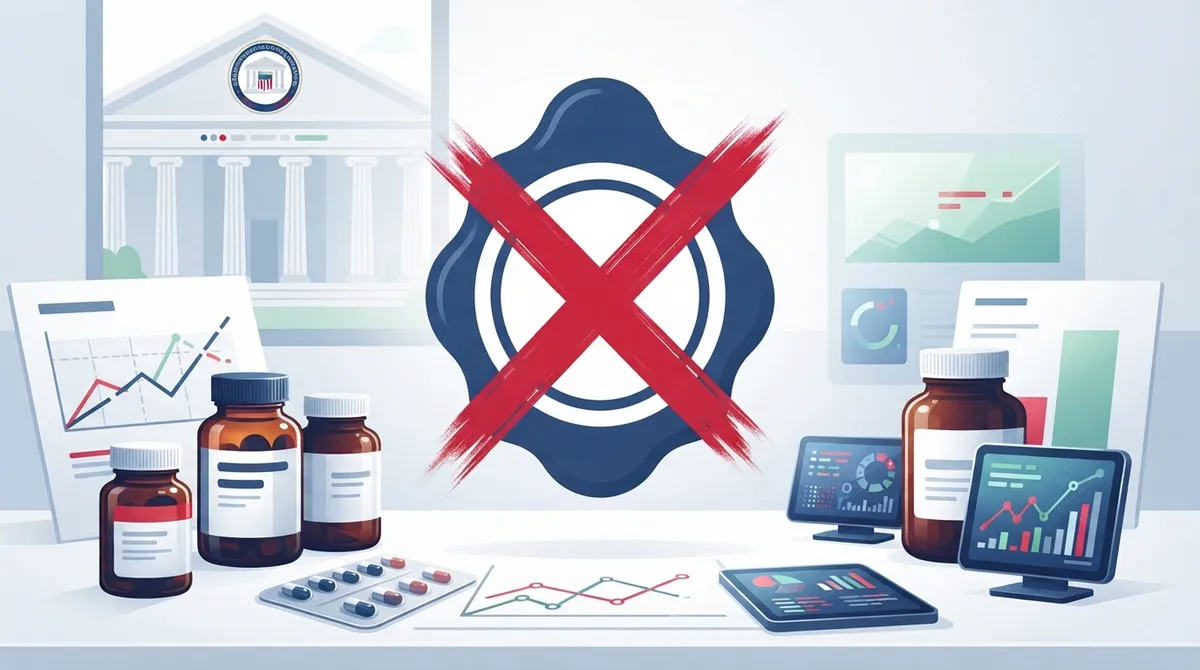
1. "Medical Grade" Is Not an FDA Category
The first fact to know is simple. The FDA does not define "medical grade" for dietary supplements. There is no official test a company must pass to use the phrase. Any brand can print it on a label or a website.
This means the term, by itself, does not prove that a product is safer, stronger, or more effective. When people ask, "are medical grade supplements better," the fair reply is that it depends on the product behind the label, not the label itself.
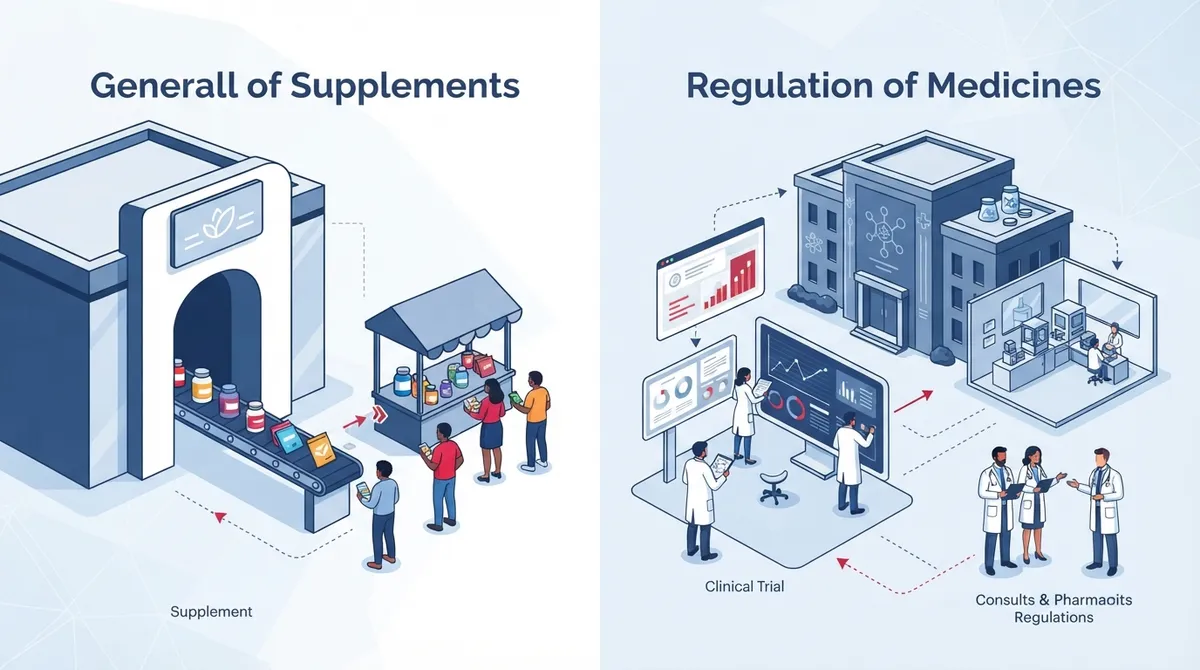
2. Supplements Are Regulated Differently Than Medicines
In the United States, supplements follow a different path than prescription drugs. The FDA does not generally approve supplements for safety and effectiveness before they go on sale. Instead, the manufacturer is responsible for product safety and for truthful, non-misleading labels.
This is why quality can vary so much. It also explains why you should look past marketing claims and focus on proof. The difference between FDA-approved and compounded products is a good example of how oversight changes from one category to the next.
3. All Supplement Makers Must Follow cGMPs
Here is a point many shoppers miss. The FDA requires supplement manufacturers to follow current Good Manufacturing Practices, often called cGMPs. These rules are meant to help ensure a product's identity, purity, strength, and composition. The FDA also inspects facilities from time to time.
So a basic standard of manufacturing already applies to supplements sold in regular stores. A "medical grade" label does not mean a company followed rules that others skipped. It is better to ask whether the maker can show proof of strong quality control.
4. Independent Quality Seals Offer Real Evidence
If you want more than a marketing phrase, look for independent testing. Third-party seals can give useful information about what is in the bottle. USP Verified is one well-known example. According to USP, a verified product has been tested for label ingredients and amounts, specified contaminants, manufacturing practices, and dissolution.
USP also describes its program as including facility audits, document review, lab testing, and ongoing market surveillance. Seals from groups such as NSF and ConsumerLab can also point to quality testing.
Keep one limit in mind. A seal speaks to quality and accuracy. It does not prove the supplement works for a specific condition.
5. A Seal Does Not Guarantee Safety for Everyone
The NIH Office of Dietary Supplements notes that quality seals do not guarantee that a supplement is safe or effective for every person or every use. A clean, accurate product can still be a poor choice for you.
For example, a high-dose vitamin may be well made but still cause problems if you take a blood thinner or have kidney disease. Quality and suitability are two separate questions. You need an answer to both.
6. The Ingredient and Dose Matter Most
Think about what you are really buying. A supplement works, or does not work, because of its active ingredient and the amount you take. Packaging and branding do not change that.
When you compare products, check these basics:
- The exact form of the ingredient (for example, magnesium glycinate versus magnesium oxide)
- The amount per serving and the number of servings per day
- Any extra ingredients, fillers, or proprietary blends that hide the true dose
- The upper safe limit for the nutrient, if one exists
A fairly priced product with a clear label often beats an expensive one with vague claims.
7. Price and Practitioner-Only Marketing Prove Little
Many "medical grade" or practitioner-only products cost more. That does not make them better. A higher price, clinician-style marketing, or exclusive sales channels are not a substitute for evidence.
Before you pay extra, ask yourself a few direct questions. Is there credible research for the intended use? Is the dose clear? Has an outside lab tested it? Is the company transparent about where it makes its products? If the answer to most of these is no, the premium may not be worth it.
8. Supplements Can Interact With Your Medications
This is the fact that matters most for safety. Supplements are not harmless just because they are sold without a prescription. They can interact with prescription drugs, over-the-counter medicines, and other supplements.
People who are pregnant, have chronic conditions, or take daily medications should be especially careful. Your primary care clinician or pharmacist can review your list and spot risks you might miss on your own. A good starting point is a solid prescription management routine that includes every supplement you take.
9. Some Supplements Have Stronger Evidence Than Others
Not all supplements are equal in terms of research. Some, such as vitamin D for people who are deficient, have solid support. Others have thin or mixed evidence. This is true no matter what the label says.
Vitamin D and K2 are a good example of a pairing people ask about often. If you are curious, this guide on how to decide if vitamin D3 and K2 supplements fit you shows how to weigh the evidence and your own needs.
Be careful with trending compounds, too. Many popular peptides and antioxidants have limited human data. For instance, it helps to read about what the science shows on glutathione and heart health before assuming a product will do what an ad promises.
10. Testing Can Beat Guessing
Instead of taking a long list of supplements and hoping for the best, consider checking what your body actually needs. Blood work can show real gaps in vitamin D, B12, iron, and other nutrients. DNA gene testing can add personal insight about how you process certain nutrients.
This approach saves money and reduces risk. You take what you need, at the dose you need, and you recheck over time. It is a more precise path than buying whatever carries a clinical-sounding label. A clinic that offers in-house labs and personalized plans makes this much easier. You can also read about quality longevity supplements under doctor care to see how this works in practice.
11. Medical Guidance Makes Supplements Safer and Smarter
The biggest upgrade to any supplement plan is not the label. It is professional guidance. A clinician can match supplements to your labs, your history, your goals, and your medications.
At InCare, our team in Tampa and Riverview combines primary care with advanced wellness tools, including lab work, DNA gene testing, metabolic breath analysis, and IV hydration therapy. That means supplement advice is based on data about you, not on trends. Patients can see what others say by reading InCare reviews on Google.
For busy families, working professionals, and young adults focused on prevention, this approach is efficient. You get one team that looks at the whole picture, from checkups and screenings to targeted wellness support.
Quick Comparison: Label Claims vs. Real Quality Signals
|
What You See |
What It Tells You |
How Reliable It Is |
|---|---|---|
|
"Medical grade" on the label |
A marketing phrase with no FDA definition |
Low |
|
Higher price or practitioner-only sales |
Pricing and distribution choice |
Low |
|
USP Verified, NSF, or similar seal |
Independent testing of contents and manufacturing |
Moderate to high for quality |
|
Clear label with ingredient form and dose |
Transparency about what you take |
High |
|
Research for your specific use |
Evidence the ingredient may help |
High, if the studies are solid |
|
Review by your primary care clinician |
Fit with your health, labs, and medications |
Very high |
A Simple Checklist Before You Buy Any Supplement
Use this short process any time you consider a new product:
- Identify why you want it and whether a lab test shows a real need.
- Check the ingredient, form, and dose against reliable guidance.
- Look for an independent quality seal such as USP Verified.
- Read warnings and review possible drug interactions.
- Ask your primary care clinician or pharmacist before you start.
- Recheck how you feel, and your labs, after a set period.
Following these steps takes only a few minutes, and it protects both your health and your wallet.
The Bottom Line on Medical Grade Supplements
So, are medical grade supplements better? Not automatically. The phrase is a marketing description, not a proof of superior safety or results. Real quality comes from transparent labeling, solid manufacturing, independent testing, credible evidence, and a product that fits your body and your medications.
The smartest move is to treat supplements like any other health decision. Get data, ask questions, and involve a trusted clinician. You can also stay connected with our wellness updates on Instagram, Facebook, and TikTok.
Ready for a plan built around your own labs and goals? Book your visit with InCare today, or contact our team with questions about supplements, wellness testing, and primary care in Tampa and Riverview.
FAQs
Q: What does "medical grade" mean for supplements?
A: "Medical grade" is a marketing term, not a formal FDA category for dietary supplements. It does not prove that a product is safer, stronger, or more effective than other supplements. Look at testing, ingredients, and dose instead.
Q: Are medical grade supplements FDA approved?
A: No. The FDA does not generally approve supplements for safety and effectiveness before they are sold. Manufacturers are responsible for safety and truthful labeling, and they must follow current Good Manufacturing Practices.
Q: How can I tell whether a supplement is high quality?
A: Look for a clear label with the ingredient form and dose, plus an independent seal such as USP Verified or NSF. These seals show outside testing of contents and manufacturing. Ask your primary care clinician to confirm the product fits your health needs.
Q: Can supplements interact with prescription medications?
A: Yes. Supplements can interact with prescription drugs, over-the-counter medicines, and other supplements. Share a full list with your clinician or pharmacist, especially if you are pregnant, have a chronic condition, or take daily medication.
Q: Should I talk to my primary care clinician before taking supplements?
A: Yes. A primary care clinician can review your labs, history, and medications to recommend what you truly need. This helps you avoid wasted money and possible safety problems.