Key Takeaways
- KPV shows promise against Staphylococcus aureus and MRSA in laboratory studies, but no completed human clinical trials have confirmed it works safely or effectively in people.
- Concentration matters dramatically: 1 micromolar KPV achieved 95-97% bacterial killing in 2 hours, while 10 picomolar produced only 19-35% killing under similar conditions, making dosing translation to humans impossible.
- KPV is a three-amino-acid peptide derived from alpha-melanocyte-stimulating hormone (α-MSH) your body naturally produces, though its independent therapeutic use remains unproven in humans.
- Online KPV products labeled 'for research only' lack FDA-mandated identity, purity, sterility, and concentration testing, creating risks of underdosed, contaminated, or mislabeled products.
- Small structural changes to KPV's molecular composition can completely eliminate antimicrobial activity, highlighting how manufacturing quality and purity directly impact product effectiveness.
- KPV must never replace antibiotics, antifungal medications, or professional clinical evaluation for suspected infections, as delaying proven treatment could allow serious infections to worsen.
Peptide therapy has become a common topic in wellness conversations across Tampa and Riverview. Among the many compounds patients ask about, KPV stands out for its studied antimicrobial and anti-inflammatory effects. But separating laboratory findings from proven human results matters for your health. This guide breaks down what the science actually shows about KPV antimicrobial properties, so you can have an informed conversation with your primary care provider.
KPV is a small peptide that has drawn attention in wellness and research circles. Some online sellers market it aggressively, often overstating what current evidence supports. At InCare, our team believes patients deserve accurate, evidence-based information before considering any peptide or supplement. This article reviews the science, the limits of that science, and what questions to ask before you try KPV or similar compounds.
1. KPV Comes From a Hormone Your Body Already Makes
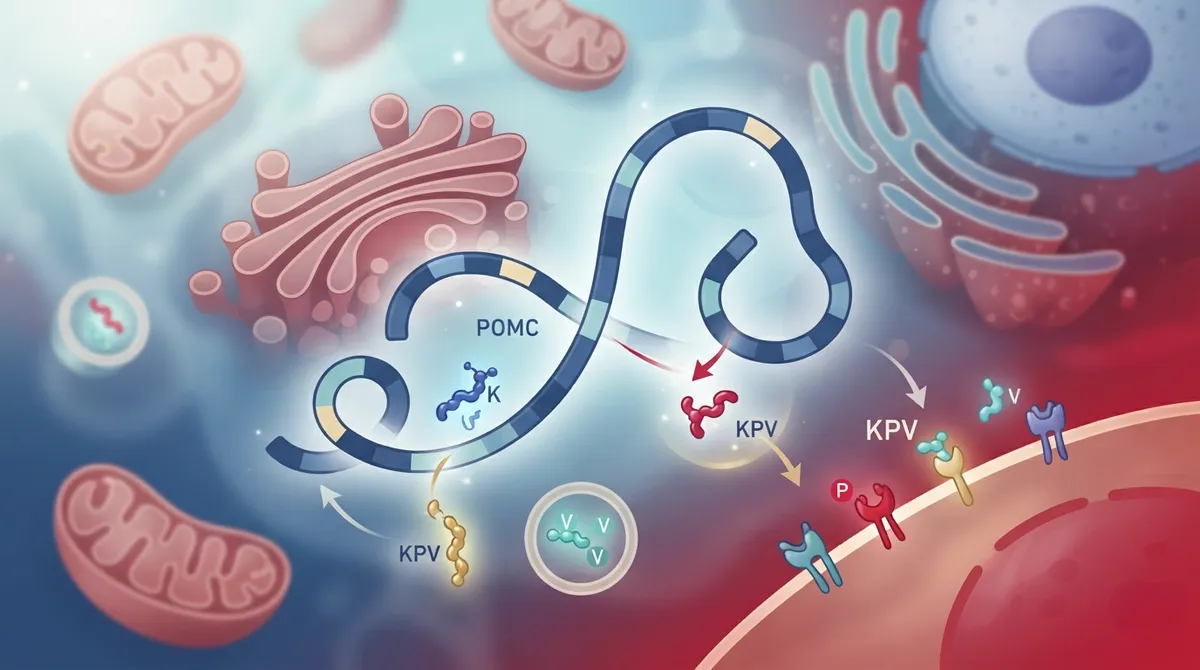
KPV stands for lysine-proline-valine. It is a three-amino-acid fragment taken from the tail end of alpha-melanocyte-stimulating hormone (α-MSH). This natural hormone plays a role in skin pigmentation and inflammation control throughout the body.
Because KPV mirrors a piece of a hormone your body produces naturally, researchers became curious about its independent effects. Scientists have studied it for both antimicrobial and anti-inflammatory activity in lab settings. Understanding this origin helps explain why some wellness advocates view it as a "natural" compound, even though its use as a standalone treatment remains unproven in humans.

2. Laboratory Studies Show Activity Against Staph Bacteria
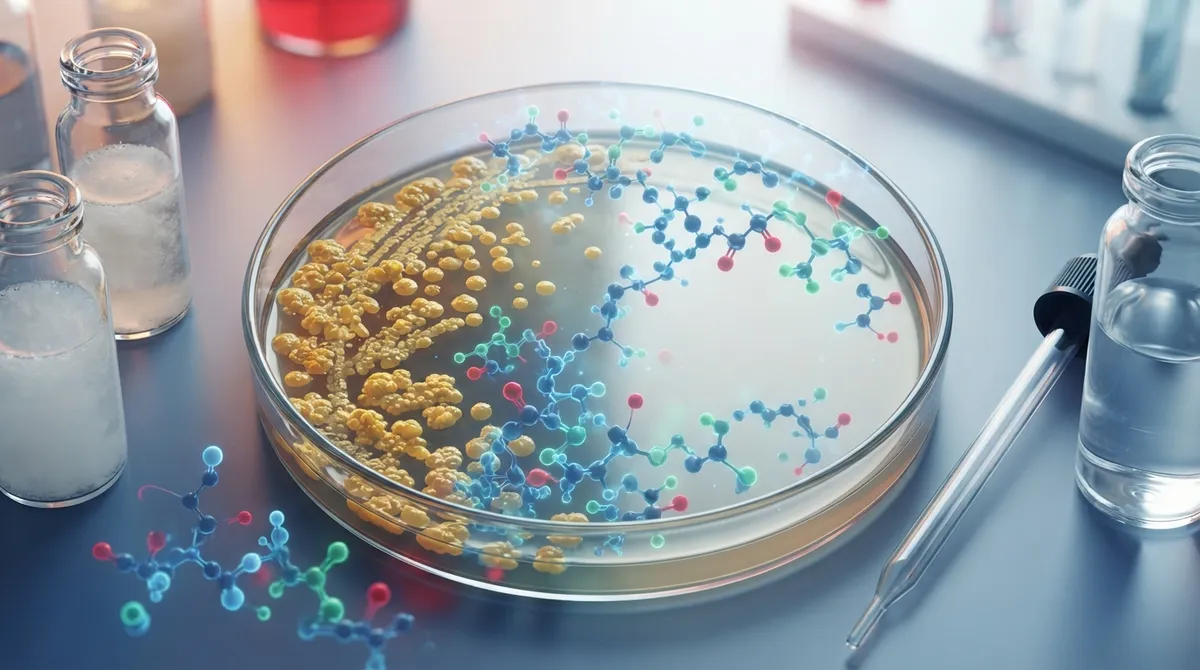
The strongest evidence for KPV's antimicrobial effects comes from laboratory dish experiments, not human trials. Researchers have tested KPV directly against bacteria and fungi in controlled lab conditions.
These studies report that KPV can slow or stop the growth of Staphylococcus aureus, including certain methicillin-resistant strains often called MRSA. This is notable because MRSA is difficult to treat with standard antibiotics. Still, killing bacteria in a lab dish is very different from treating an infection in a living person. No completed human trial has confirmed KPV works the same way inside the body.
3. A Landmark 2000 Study Set the Foundation
Much of today's interest in KPV traces back to a study published in the Journal of Leukocyte Biology in 2000. Researchers led by Cutuli and colleagues tested α-MSH-derived peptides, including KPV, against common pathogens.
Their findings showed that these peptides inhibited the growth of S. aureus. The same study also found that KPV reduced the viability of Candida albicans, a fungus responsible for many yeast infections. This research helped launch two decades of follow-up lab studies, though human clinical testing has not caught up to the same degree.
4. KPV May Also Fight Fungal Infections Like Candida
Beyond bacteria, researchers have also examined KPV's effects on fungal organisms. Candida albicans, the fungus behind many yeast infections, was reduced in lab studies exposed to KPV.
Scientists observed that KPV interfered with germ-tube formation in Candida. Germ tubes are structures the fungus uses to invade tissue and spread. Slowing this process in a lab setting suggests a possible mechanism worth further study. However, translating this into an approved antifungal treatment would require extensive additional human research that has not yet been completed.
5. The Exact Mechanism Is Still Being Worked Out
Scientists have proposed a few ways KPV might act against microbes. One theory involves direct effects on the outer membrane of bacterial and fungal cells. Another involves changes to a signaling molecule called cyclic AMP inside microbial cells.
Neither theory has been fully confirmed. The mechanism appears to shift depending on the organism tested, the concentration used, and how the peptide was prepared. This kind of variability is common in early-stage peptide research and is one reason large human trials have not yet moved forward with confidence.
Key Variables That Affect Lab Results
- The specific bacteria or fungus strain being tested
- The concentration of KPV used in the experiment
- How the peptide sample was manufactured and stored
- The exact laboratory assay method chosen
- Whether the peptide structure was modified in any way
6. Concentration Levels Make a Big Difference
Not all KPV studies use the same dosing. Some experiments test extremely small amounts, in the picomolar range. Others use much higher micromolar concentrations. The results can look very different depending on which range was used.
According to a 2022 review of published assay data, one micromolar KPV produced roughly 95% to 97% bacterial killing after two hours of exposure. In contrast, a much smaller dose of 10 picomolar KPV produced only about 19% to 35% killing under similar lab conditions. In one specific experimental setup, researchers reported that about 90% of susceptible bacterial cells died within just 15 minutes. These numbers are compelling in a test tube, but they cannot be assumed to translate directly into safe or effective human dosing.
|
Concentration Tested |
Reported Bacterial Killing |
Timeframe |
|---|---|---|
|
1 micromolar |
Approximately 95%-97% |
2 hours |
|
10 picomolar |
Approximately 19%-35% |
2 hours |
|
Specific lab setup |
Approximately 90% |
15 minutes |
7. Small Structural Changes Can Eliminate the Effect Entirely
Peptide chemistry is sensitive. A 2018 peer-reviewed study on structural KPV modifications found that some altered versions of the peptide showed no antimicrobial activity at all under the same testing conditions used for standard KPV.
This finding matters for consumers. It shows how easily a slight change in manufacturing, purity, or molecular structure can make a product ineffective, even if it is labeled as KPV. Anyone considering a peptide product should understand that quality control and sourcing genuinely matter, and unverified online suppliers may not guarantee either.
8. Anti-Inflammatory Research Adds Another Layer
Beyond direct antimicrobial action, KPV has also been studied for its anti-inflammatory effects. Animal and cell culture models of intestinal inflammation, similar to conditions like colitis, and skin inflammation have shown some reduction in inflammatory markers after KPV exposure.
These findings are interesting for wellness discussions, but they represent a different question entirely. Reducing inflammation in a mouse model is not the same as proving a peptide can treat or prevent a human infection. The two lines of research, antimicrobial and anti-inflammatory, should not be conflated when evaluating what KPV can realistically do for a person's health today.
9. Human Clinical Trials Are Still Missing
Despite two decades of lab and animal research, there is no completed, well-controlled human clinical trial establishing KPV's antimicrobial effectiveness. There are also no official dosing guidelines, no confirmed pharmacokinetic data, and no long-term safety studies in people.
This is an important distinction for anyone reading marketing claims online. KPV is not an FDA-approved treatment for infection, inflammatory disease, or general wellness. If you are dealing with a suspected infection, a licensed provider should evaluate you using proven diagnostic and treatment methods rather than relying on unverified peptide products.
Steps to Take Before Considering Any Peptide Product
- Schedule an evaluation with a licensed primary care provider to discuss your symptoms or wellness goals.
- Ask about the current state of research for any peptide you are considering, including its limitations.
- Request lab work or diagnostic testing to confirm what is actually happening in your body.
- Discuss FDA-approved treatment options first, especially for suspected infections.
- Review sourcing and quality concerns if a wellness peptide is ever recommended as part of a supervised plan.
- Follow up with your provider to monitor for any changes or side effects.
10. KPV Should Not Replace Antibiotics or Antifungal Care
Perhaps the most important safety point is this: KPV should never be used as a substitute for antibiotics, antifungal medication, wound care, vaccination, or a proper clinical evaluation of a suspected infection. Doing so could delay appropriate treatment and allow an infection to worsen.
If you are experiencing symptoms like fever, spreading redness, or persistent skin issues, timely care from a provider matters more than any unproven peptide. Our team at urgent care services can evaluate infections quickly, using proven diagnostic tools and treatments backed by clinical evidence rather than online claims.
11. Online Peptide Products Carry Real Risks
Many KPV products sold online are labeled "for research purposes only." This label exists because these products have not gone through the identity, purity, sterility, or concentration testing required for approved medications.
Buying from unverified sources means you cannot be certain what you are actually receiving. The product could be underdosed, contaminated, or mislabeled entirely. For anyone genuinely interested in peptide-related wellness options, a supervised conversation with a knowledgeable provider is a far safer path than a direct-to-consumer purchase.
- Purity and concentration are rarely verified by third-party testing
- Sterility cannot be guaranteed in unregulated manufacturing
- Dosing instructions found online are not based on clinical guidelines
- Legal and regulatory status varies and can change without notice
- Interactions with existing medications are largely unknown
How InCare Approaches Peptide and Wellness Conversations
At InCare, we believe patients deserve honest, evidence-based guidance. Our providers, including those featured on our providers page, take time to explain what the science does and does not support before recommending any treatment path. This approach reflects our broader commitment to prevention and whole-body optimization across our Tampa and Riverview locations.
If you are curious about peptide therapy in Tampa, our clinical team can walk you through current research, safety considerations, and whether any supervised option fits your health goals. We also offer cancer screening, weight loss programs, and DNA gene testing for patients focused on proactive, whole-body health.
Comparing Lab Evidence to Human Evidence
|
Evidence Type |
What It Shows |
What It Cannot Confirm |
|---|---|---|
|
Lab dish (in vitro) studies |
KPV can inhibit S. aureus and reduce C. albicans viability |
Whether this happens safely inside a human body |
|
Animal models |
Reduced inflammation markers in gut and skin models |
Human dosing, long-term safety, or infection outcomes |
|
Human clinical trials |
None completed for antimicrobial use |
Effectiveness, safety, or approved dosing in people |
For patients who want to stay updated on real, evidence-based wellness topics, you can follow our team on Facebook or Instagram for regular educational updates. Many patients also share their experiences and questions with us on TikTok, where our clinicians break down trending wellness topics in simple terms.
Patients throughout Tampa and Riverview continue to trust InCare for straightforward, science-based care. You can visit us on Google — InCare to read reviews from our community and see why families choose our clinics for both urgent needs and long-term wellness planning.
Final Thoughts on KPV Antimicrobial Properties
KPV is a genuinely interesting peptide with real laboratory evidence behind its antimicrobial and anti-inflammatory effects. But interesting lab data is not the same as a proven human treatment. Until well-controlled clinical trials establish safe dosing and real-world effectiveness, KPV should be viewed as a research compound, not a replacement for established medical care.
If you have questions about peptide therapy, infection concerns, or want a personalized wellness plan built on solid evidence, our team is ready to help. Reach out to our care team today or schedule your appointment online to start a conversation grounded in real science, not marketing hype.
FAQs
Q: What is KPV and how is it related to alpha-MSH?
A: KPV is a three-amino-acid peptide made of lysine, proline, and valine. It comes from the tail end of alpha-melanocyte-stimulating hormone, a natural hormone your body produces for pigmentation and inflammation control.
Q: Does KPV kill bacteria such as Staphylococcus aureus or MRSA?
A: Laboratory studies show KPV can inhibit the growth of S. aureus, including some methicillin-resistant strains. However, these results come from lab dish experiments and have not been confirmed in human clinical trials.
Q: Is KPV proven to work in humans or only in laboratory studies?
A: Currently, KPV's antimicrobial evidence is limited to laboratory and animal studies. No completed human clinical trial has confirmed its effectiveness, safe dosing, or long-term safety in people.
Q: Is KPV FDA-approved, and is it safe to use as a supplement or injection?
A: KPV is not FDA-approved for treating infection, inflammation, or general wellness. Products sold online may have uncertain purity, sterility, and concentration, so medical supervision is strongly recommended.
Q: Can KPV replace antibiotics or antifungal medication?
A: No. KPV should never substitute for antibiotics, antifungal treatment, wound care, or a proper clinical evaluation of a suspected infection. Delaying proven treatment can allow an infection to worsen.